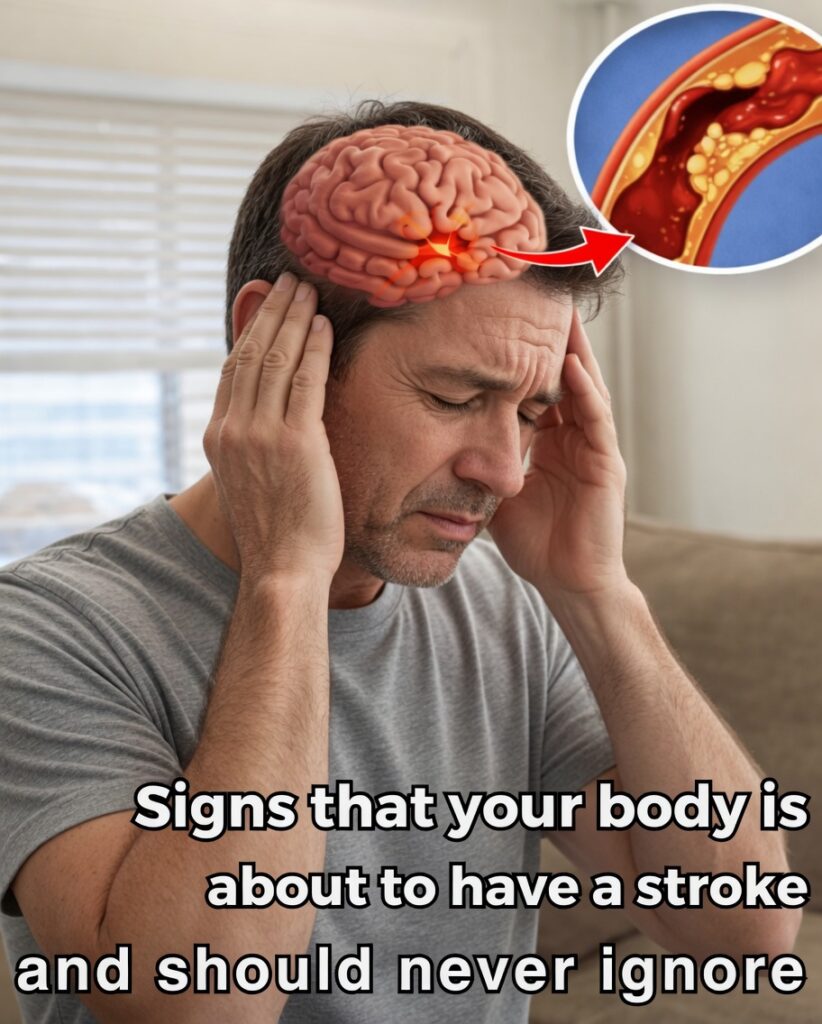
Stroke Can Happen in Seconds: Would You Recognize the Early Signs?
In the United States, a stroke occurs about every 40 seconds. According to the American Heart Association and the CDC, nearly 795,000 Americans experience a new or recurring stroke each year. Picture a normal moment—then suddenly your face droops on one side, your arm feels unusually heavy, or your words come out slurred. These frightening changes can be your body’s urgent alarm system.
The big question is simple: would you recognize stroke symptoms early enough to act?
This guide breaks down the subtle and not-so-subtle warning signs that can appear hours or even days before a stroke, including mini-strokes (TIAs). Spotting them quickly can protect your brain, your mobility, and your life.
The “Silent” Health Threat That Often Gets Dismissed
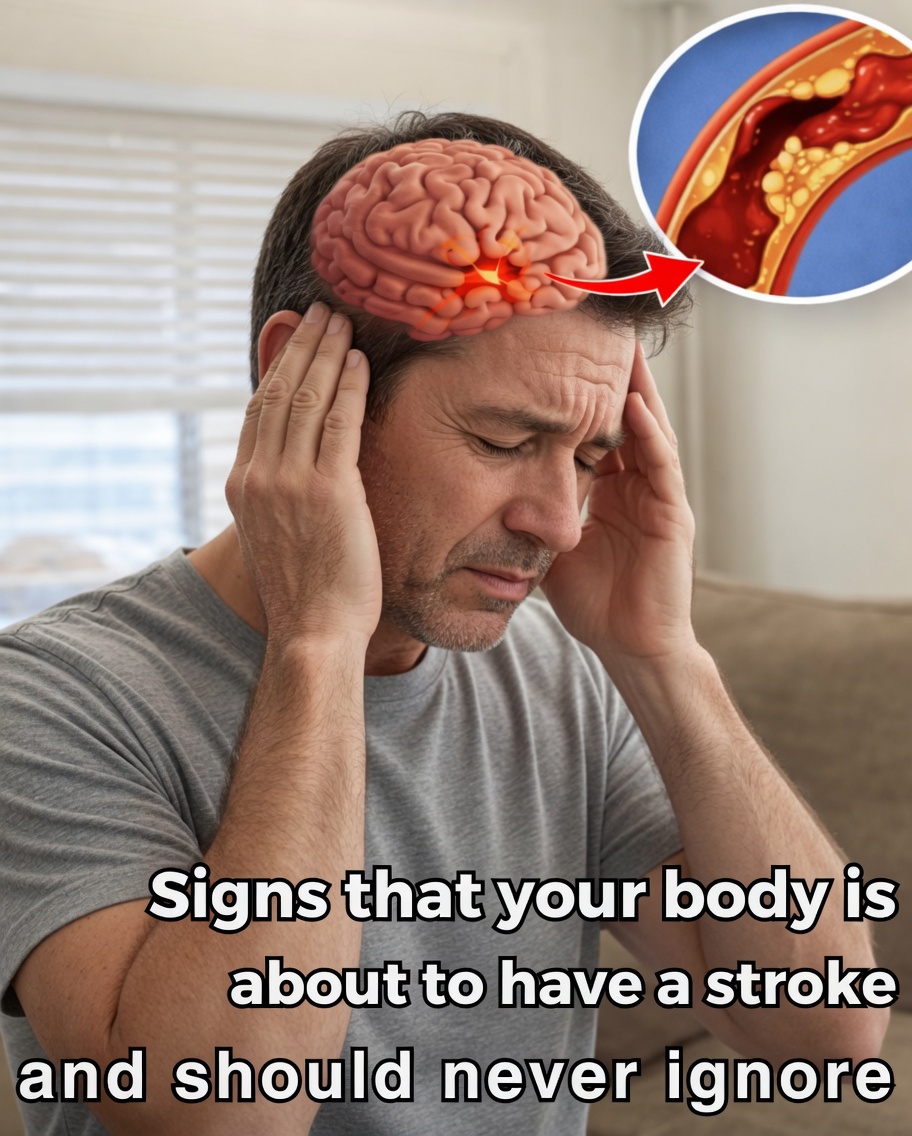
After age 55, many people start noticing unexpected health changes—brief dizziness, numbness in a limb, or trouble finding the right word. It’s tempting to blame stress, dehydration, a pinched nerve, or “just aging.” But it’s important to remember: stroke is the fifth leading cause of death in the U.S. and remains a major cause of long-term disability.
Sometimes the warning is brief and disappears. A short episode of confusion that fades may feel harmless—but it could be a transient ischemic attack (TIA), often called a mini-stroke. TIAs are frequently a preview of a larger stroke, and they’re a critical opportunity to prevent something worse—because time is brain.
Recognizing these signs can mean the difference between a full recovery and permanent impairment.
Robert’s Story: A Fast Decision That Prevented a Major Stroke
Robert, a 58-year-old truck driver in Ohio, felt dizzy while loading his truck. His left arm became numb, and he assumed he was simply dehydrated. Later, he noticed his speech briefly slurring and his face feeling “off.” Because he had previously read about stroke warning signs, he didn’t ignore it—he pulled over and called 911.
Doctors determined Robert was experiencing a TIA and discovered a blockage in his carotid artery. Emergency treatment helped prevent a full stroke. Today, he shares his experience to promote stroke awareness in his community.
15 Warning Signs Your Body May Give Before a Stroke
1) Sudden numbness or weakness on one side
One-sided weakness—such as a drooping face or an arm that suddenly feels heavy—is among the most urgent and common stroke symptoms. A 2023 study in the Stroke journal reported that one-sided weakness appeared early in many stroke cases. If it happens, treat it as an emergency.
2) Sudden confusion or mental “fog”
If you feel abruptly disoriented, can’t think clearly, or seem unable to follow a simple conversation, it may indicate disrupted blood flow in the brain.
3) Trouble speaking (or understanding speech)
Words may come out garbled, slurred, or difficult to form. You may also struggle to understand what others are saying.
A real-world example: Sarah, 61, suddenly couldn’t find the right words mid-conversation. She called 911 immediately. At the hospital, doctors confirmed a stroke and gave time-sensitive treatment. She recovered with minimal damage.
4) Vision changes in one or both eyes
Blurred vision, double vision, or sudden loss of vision in one eye can be stroke-related—especially when paired with other symptoms. The American Heart Association notes that visual disturbances occur in a significant portion of stroke cases.
5) Sudden dizziness or vertigo
Feeling like the room is spinning, especially when it comes on abruptly, can be a warning sign—particularly for strokes affecting balance centers in the brain.
6) Loss of balance or coordination
Sudden clumsiness, swaying, or difficulty coordinating your movements may signal a stroke involving the cerebellum.
Example: Thomas, 67, felt intense spinning while gardening. He got help quickly and doctors identified a cerebellar stroke. Early intervention helped prevent long-term balance problems.
7) A severe headache with no clear cause
A “worst headache of your life” headache—especially one that hits suddenly—can be a red flag for hemorrhagic stroke or aneurysm. Research suggests sudden severe headache can occur in a notable share of stroke events. If it’s intense, unusual, and rapid-onset, don’t wait.
8) Sudden difficulty walking
If you start stumbling, dragging a foot, or can’t walk straight without explanation, it may reflect disrupted motor control.
9) Unexplained nausea or vomiting (especially with dizziness)
Nausea and vomiting are sometimes tied to strokes affecting the brainstem or cerebellum—particularly when combined with vertigo or imbalance.
10) Persistent hiccups with other neurological symptoms
Unusual, stubborn hiccups—when paired with dizziness, weakness, or speech issues—can point to brainstem involvement and should be taken seriously.
11) Sudden extreme fatigue without explanation
A dramatic, abnormal wave of tiredness—especially when accompanied by confusion, weakness, or dizziness—can occur when the brain isn’t receiving enough oxygen-rich blood.
12) Behavioral or personality changes
Sudden irritability, unusual agitation, or abrupt changes in behavior can be neurological, not emotional—particularly when they appear alongside other stroke signs.
13) Brief symptoms that disappear (possible TIA)
If symptoms resolve in minutes, don’t assume you’re “fine.” TIAs are often a final warning. Without treatment, a significant number of people who have a TIA will experience a stroke within 90 days, especially early on.
14) Symptoms that come in clusters
A single symptom can have many explanations. But multiple sudden symptoms at once—like dizziness plus slurred speech, or vision changes plus numbness—raise concern for stroke.
15) Any sudden neurological change you can’t explain
A key stroke pattern is sudden onset. If something neurological appears quickly and feels abnormal for you, act fast rather than waiting to “see if it passes.”
How to Recognize a Stroke in Someone Else
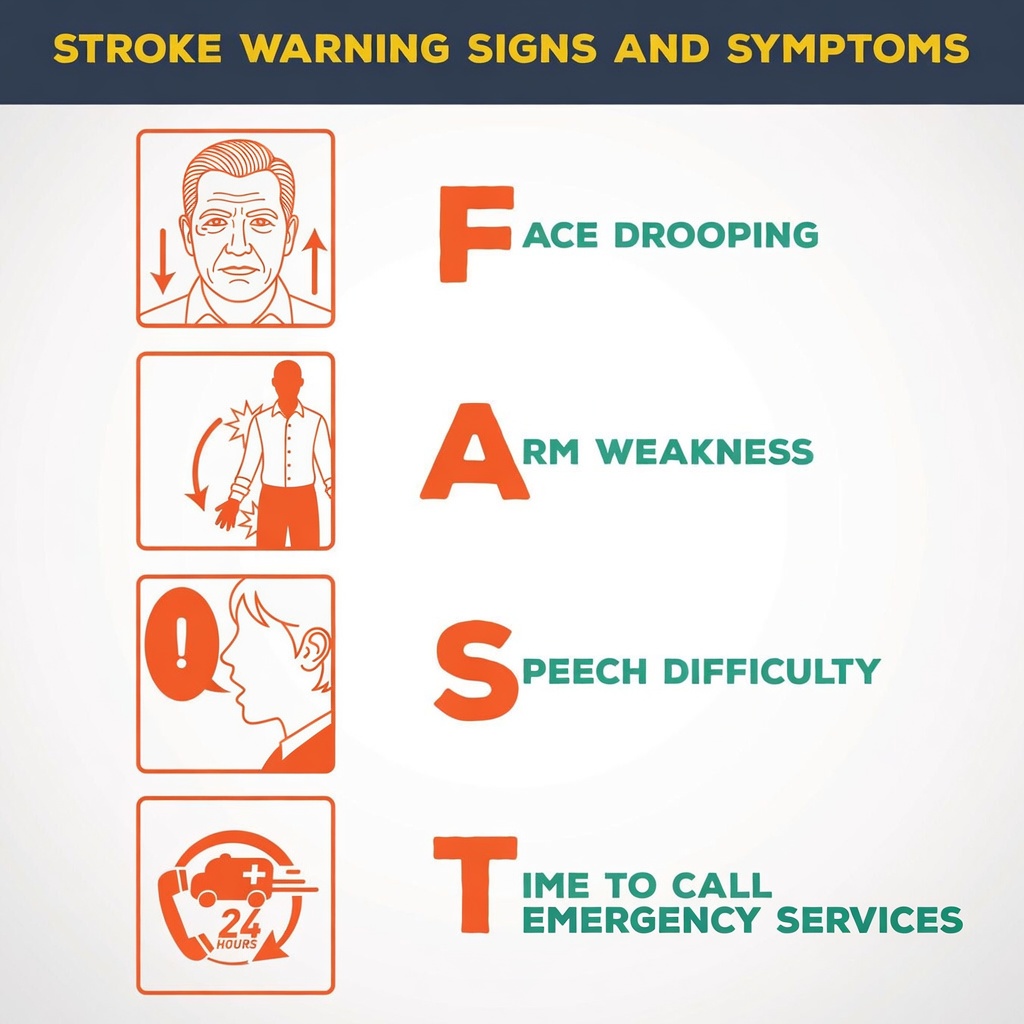
You may not be the one having symptoms. Recognizing stroke signs in others can save a life.
Patricia, 71, noticed her husband’s arm weakness and slurred speech. She called 911 immediately. He received rapid treatment and recovered with minimal lasting effects.
If you suspect a stroke in someone else, don’t drive them yourself unless emergency services are unavailable. Call 911 so paramedics can begin care immediately and alert the hospital.
Why TIAs Matter: A Mini-Stroke Is a Major Warning
A TIA is a temporary interruption of blood flow to the brain. The symptoms may fade quickly, but the risk doesn’t. A TIA is often the body’s loudest early warning that a larger stroke may be next—especially without prompt evaluation and treatment.
Stroke Risk Factors That Increase Your Chances
Some conditions and habits substantially raise stroke risk, including:
- High blood pressure
- Diabetes
- Smoking
- Atrial fibrillation (AFib)
If any apply to you, learning stroke symptoms—and acting immediately—becomes even more critical.
Immediate Action Protects Brain Function
Stroke treatment is time-sensitive. Even short delays can affect recovery and long-term disability risk. Calling 911 right away helps hospitals activate specialized stroke teams quickly, which can dramatically improve outcomes.
Protect Yourself—and the People Around You
Knowing the warning signs of stroke doesn’t only help you. It also equips you to protect your family, friends, coworkers, and neighbors. Early recognition often means:
- less disability
- better recovery potential
- more independence after treatment
- lives saved
FAQ (Frequently Asked Questions)
Q1: What are the most common stroke warning signs?
Common stroke symptoms include:
- sudden numbness or weakness (especially on one side)
- confusion
- trouble speaking or understanding speech
- vision changes
- dizziness or loss of coordination
- sudden severe headache
Q2: How can I tell a stroke from a migraine?
A stroke often involves neurological deficits such as one-sided weakness, speech difficulty, or confusion. Migraines usually cause head pain (sometimes with light sensitivity or aura) without sudden one-sided weakness or loss of speech. When in doubt, treat it as an emergency.
Q3: Should I always call 911 for possible stroke symptoms?
Yes. If you suspect stroke symptoms in yourself or someone else, calling 911 immediately is the safest and fastest way to access time-critical treatment.
Disclaimer: This article is for informational purposes only and is not a substitute for professional medical advice. For personal guidance, consult a qualified healthcare provider.