Varicose Veins: 10 Simple, Supportive Habits to Improve Circulation Naturally
Varicose veins can bring aching, heaviness, and leg swelling, making everyday moments—like standing in line or taking a short walk—feel far more difficult than they should. For many people, these symptoms creep in gradually, affecting energy, comfort, and confidence in how their legs look and feel.
The good news: research suggests that consistent lifestyle habits can support healthy blood flow and help ease discomfort. Some of the most helpful changes are surprisingly simple—and one may already be part of your daily routine.
Why Varicose Veins Happen
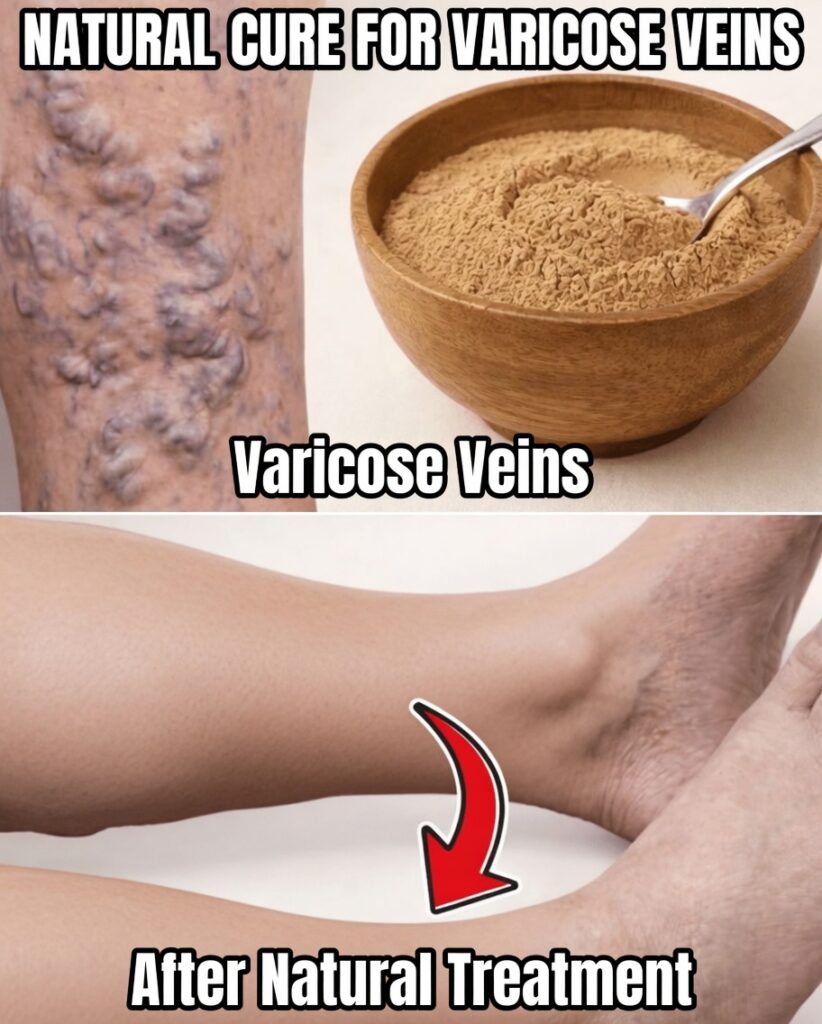
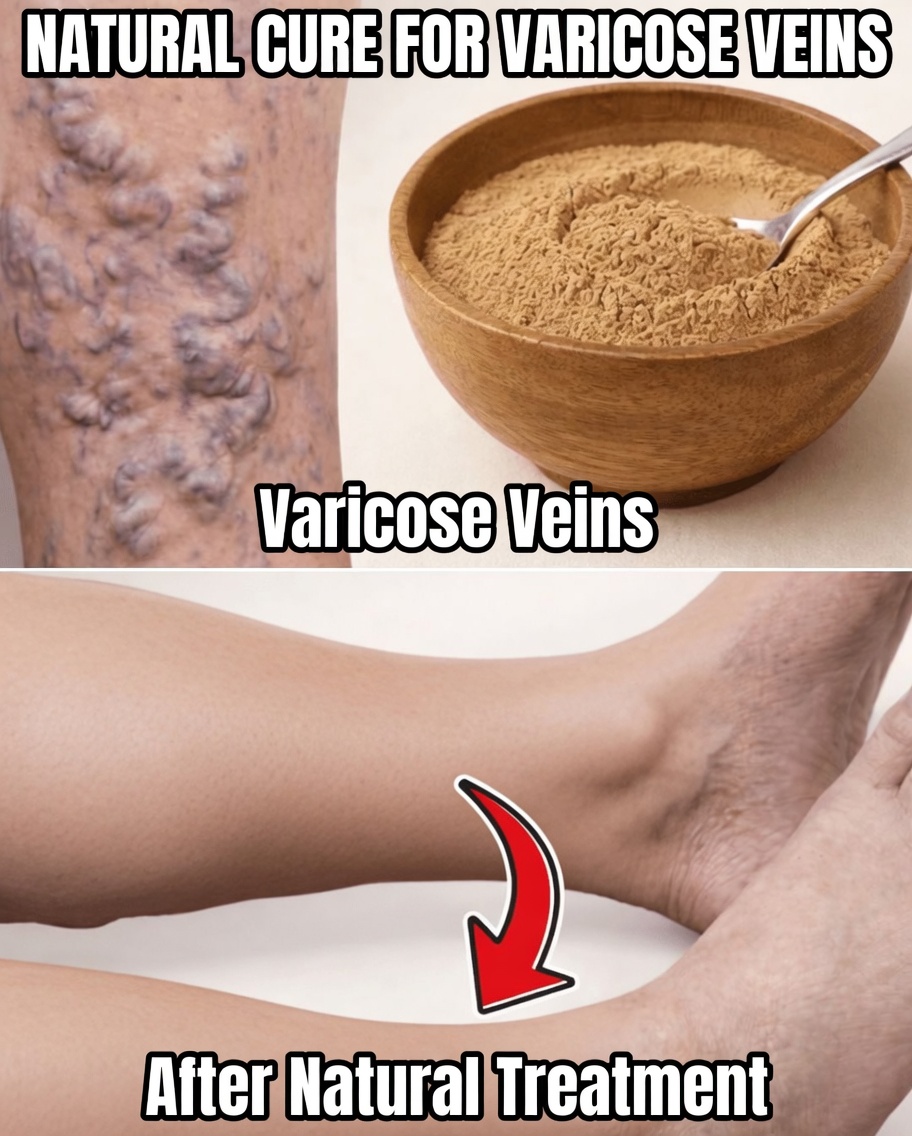
Varicose veins form when leg veins have trouble pushing blood back up toward the heart. As blood moves less efficiently, it can pool in the lower legs, leading to visible bulging veins along with soreness or swelling.
While medical care may be necessary for some cases, small natural adjustments can provide meaningful support for circulation and vein comfort.
10 Easy Habits That May Reduce Varicose Vein Discomfort
10. Maintain Consistent Daily Hydration
When you’re dehydrated, blood can become more viscous (thicker), which may increase strain on your veins—especially after long hours on your feet.
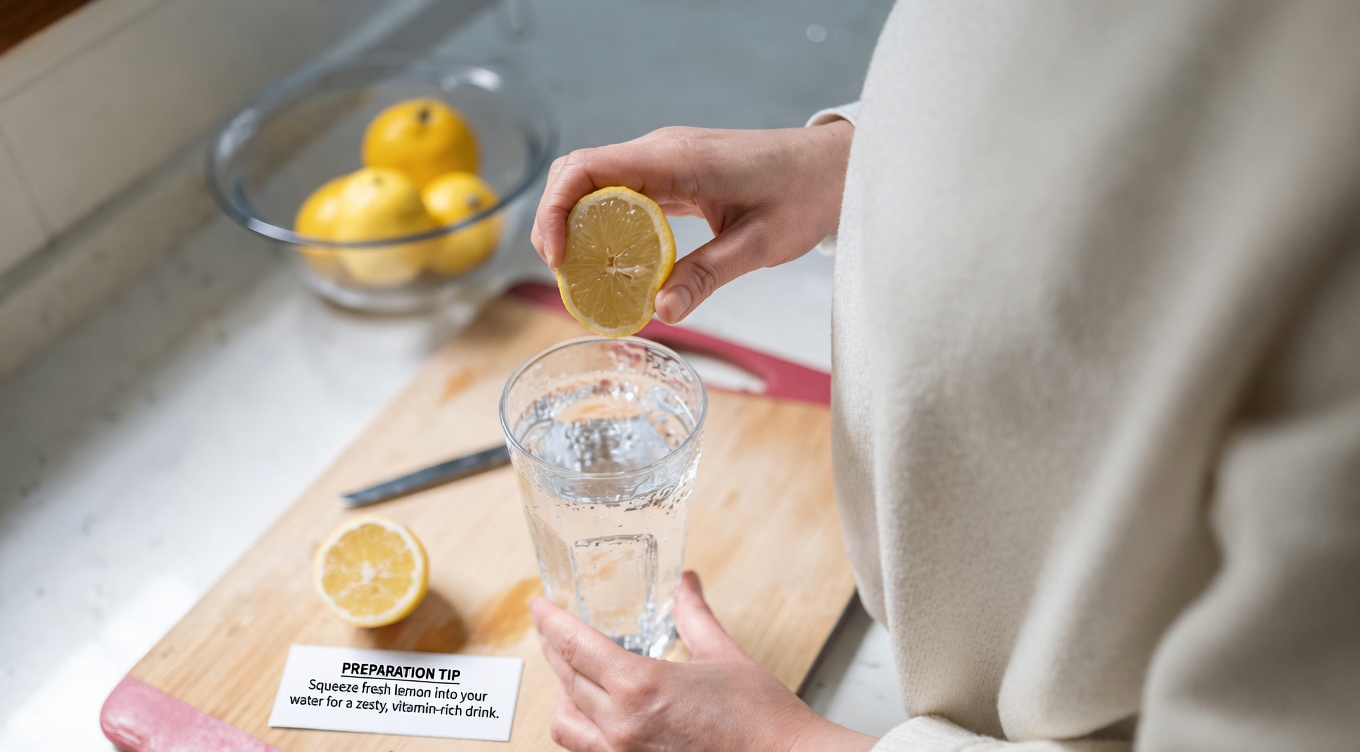
Drinking enough water supports smoother circulation and may help reduce that “heavy legs” feeling. Many people aim for around 8 glasses per day, spaced out.
- Keep a bottle nearby to sip steadily
- Add lemon if you enjoy it (and for a small nutrient boost)
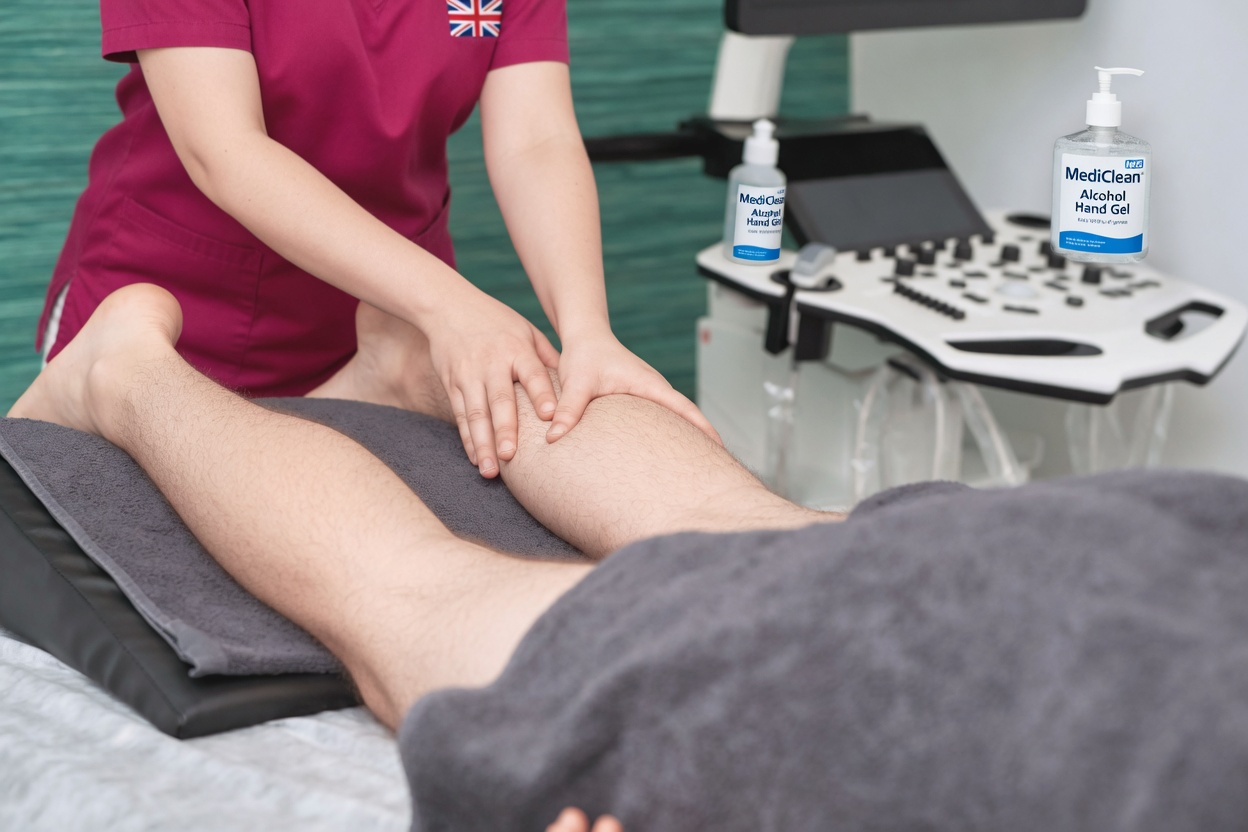
9. Try Gentle Leg Massage
Muscle tightness and sluggish circulation often come together, turning evenings into a time of throbbing discomfort.
A light massage that moves upward (toward the heart) may support peripheral blood flow and help relax tense areas.
- Use gentle pressure (avoid deep, painful rubbing)
- Try a simple natural oil such as olive oil
- Focus on calm, slow strokes for a soothing effect

8. Elevate Your Legs Each Day
Long periods of standing or sitting can encourage blood to pool in the legs, increasing swelling and pressure.
Elevating your legs above heart level for 15–20 minutes uses gravity to support venous return and may reduce discomfort.
- Rest your calves on pillows while reclining
- Make it part of your evening wind-down routine

7. Eat More Nutrient-Rich Foods That Support Vein Health
What you eat can influence vessel strength and overall circulation. Diets low in key nutrients may contribute to vascular challenges over time.
Foods rich in folate—such as leafy greens, avocados, and beans—support healthy blood processes and are associated with better vascular function.
- Add spinach or mixed greens to lunch
- Use beans in salads, soups, or bowls
- Include avocado as a simple side or topping
6. Drink Green Tea Regularly
Oxidative stress can affect blood vessel flexibility, sometimes contributing to fatigue and poor circulation sensations.
Green tea contains antioxidants that research links to support for endothelial (blood vessel lining) health, which plays a role in healthy blood flow.
- Consider 2–3 cups daily, if it suits your body
- Keep it unsweetened or lightly sweetened for best balance
5. Choose Loose, Comfortable Clothing
Tight clothing—especially around the waist, thighs, or calves—can subtly restrict circulation and add pressure over time.
Looser, breathable options help avoid unnecessary constriction and may support healthier venous return.
- Prefer flexible waistbands and non-restrictive fits
- Watch for socks or leggings that leave deep marks
4. Avoid Smoking to Protect Blood Vessels
Smoking introduces substances that can narrow blood vessels and impair circulation. Over time, this may worsen circulation-related symptoms.
Stopping smoking reduces that vascular stress, and research consistently shows circulation benefits after quitting.
- If quitting feels difficult, consider professional support or structured programs
- Many people notice improved stamina and overall energy over time
3. Add Warming Spices to Your Meals
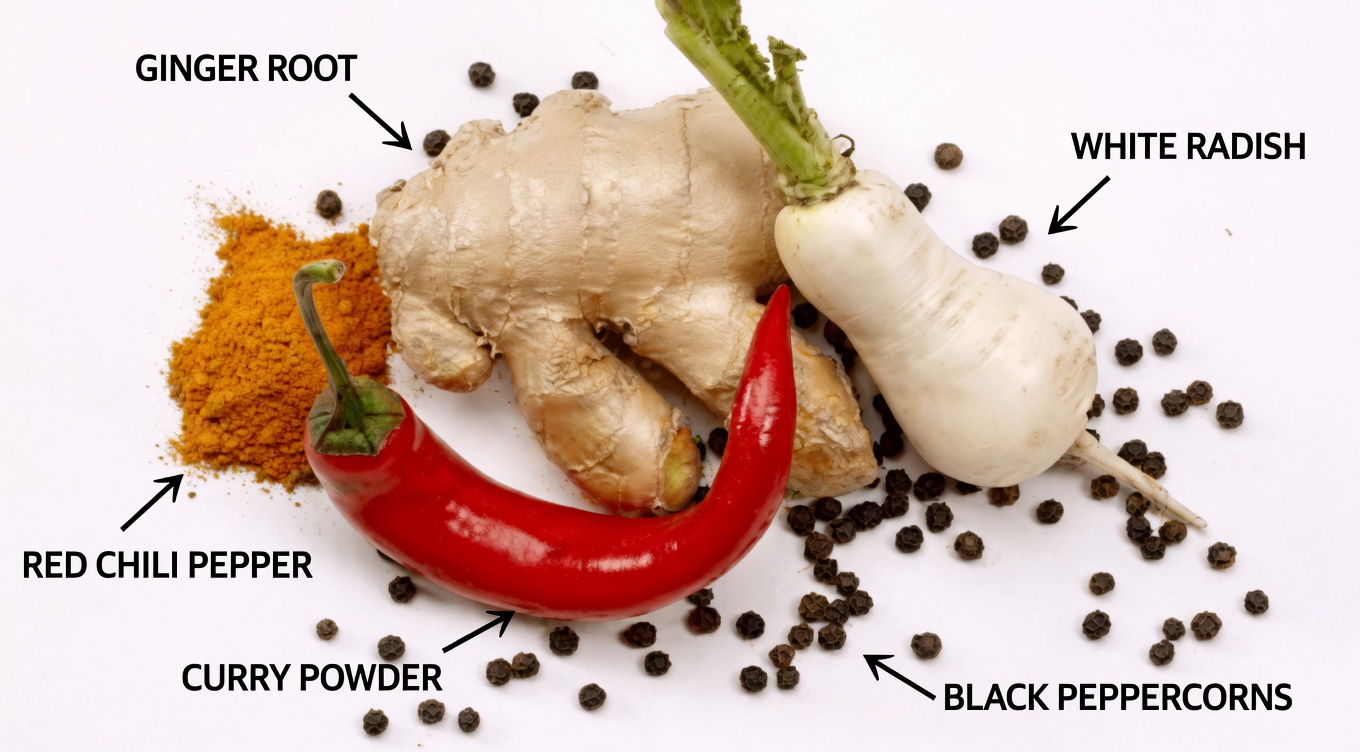
Certain spices are associated with improved circulation because they may encourage healthy vessel function and warmth in the extremities.
Common choices include:
- Cayenne
- Garlic
- Ginger
Introduce them gradually into meals and observe what feels best for your digestion and comfort.
2. Consider Moderate Red Wine (Only If Appropriate)
If you already drink alcohol and it fits your health profile, moderate red wine intake has been linked in some studies to better endothelial function due to antioxidant content.
- Keep it strict: up to one glass occasionally
- Skip entirely if alcohol is not recommended for you
1. Move Every Day (Even Gentle Movement Helps)
A sedentary routine can slow circulation, but regular movement helps the leg muscles act like a pump to support blood flow upward.
Daily walking is one of the simplest and most sustainable options.
- Aim for short walks you can repeat consistently
- Break it into small sessions if needed
- Gentle movement often provides the most noticeable long-term support
Supportive Habits vs. Common Daily Challenges
| Daily Challenge | Potential Impact on Veins | Supportive Habit |
|---|---|---|
| Prolonged standing or sitting | More pooling and pressure | Leg elevation + regular movement |
| Dehydration | Thicker blood, increased strain | Steady water intake |
| Tight clothing | Restricted circulation | Loose, comfortable fits |
| Low-nutrient diet | Weaker vessel support | Folate-rich foods + antioxidants |
A Simple Daily Routine to Encourage Healthy Blood Flow
| Time of Day | Easy Action | Circulation Benefit |
|---|---|---|
| Morning | Water (optionally with lemon) | Supports smoother flow early |
| Midday | Short walk or brief stretching | Activates leg muscle pump |
| Afternoon | Green tea + nutrient-rich snack | Adds antioxidant support |
| Evening | Gentle massage + leg elevation | Encourages relaxation and venous return |
Key Takeaway
Supporting circulation and managing varicose vein discomfort often comes down to small, repeatable habits. Many people notice lighter, less swollen legs when they combine several of these strategies consistently. Start with one change today—like an extra glass of water or a short evening walk—and build from there.
Frequently Asked Questions
How much water supports healthy circulation?
Many adults do well with about 8 glasses per day, spread throughout the day. Needs vary based on activity level, climate, and overall health.
Can these habits replace medical treatment for varicose veins?
These steps may offer supportive benefits, but they do not replace medical care. Discuss ongoing symptoms with a qualified clinician for proper evaluation and treatment options.
Is it safe to exercise if I already have varicose veins?
Gentle movement like walking is often encouraged, but it’s best to consult a healthcare provider—especially if you have pain, skin changes, or swelling that worsens.
Medical Disclaimer
This article is for informational purposes only and is not a substitute for professional medical advice. Always consult your healthcare provider for personalized guidance regarding varicose veins or circulation concerns.