
A Quietly Awkward Moment at the Doctor’s Office
Have you ever sat through a routine checkup only to hear your doctor point to your bloodwork and say, “Your creatinine is a little elevated”? For many older adults, that comment can feel uncomfortable—especially when daily life seems normal and nothing feels “wrong.”
What makes it more frustrating is that creatinine levels can be influenced by everyday routines that appear harmless. The good news: one surprisingly simple daily habit may help support healthy kidney function naturally. Let’s break it down step by step.

Why Creatinine Levels Matter More After 50
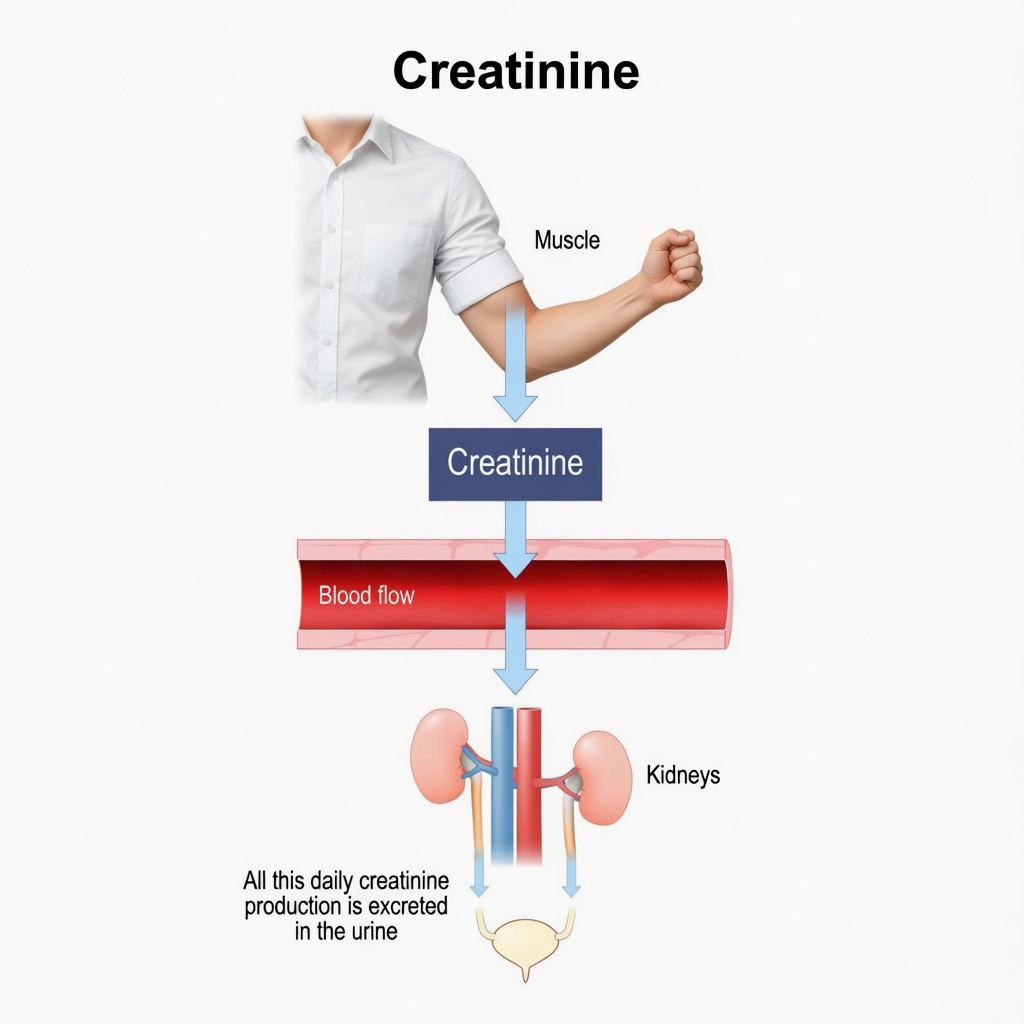
Creatinine is a waste product created when your muscles produce energy. Normally, your kidneys act as efficient filters—removing creatinine from the bloodstream and flushing it out through urine.
When kidney filtration slows, creatinine may build up in the blood, which is why doctors often keep a close eye on this number—especially in adults over 50.
A key reason is aging. Kidney filtration tends to decline gradually with each decade. That doesn’t automatically mean kidney disease, but it can make the kidneys more sensitive to lifestyle patterns.
Common factors that may affect creatinine levels and kidney workload include:
- Dehydration
- High salt intake
- Certain medications
- Low physical activity
- Poor sleep habits
More and more health research also highlights a major (and often underestimated) factor: daily hydration habits. Not just how much you drink—but how you drink.
The Overlooked Daily Habit That Can Affect Creatinine
Many kidney specialists repeat a simple message:
Hydration timing matters almost as much as total water intake.
A lot of people drink most of their water late in the day—or only when thirst shows up. The problem is that thirst often signals the body is already mildly dehydrated, and the kidneys respond quickly to those changes.
When dehydration sets in:
- Blood becomes more concentrated
- Waste products (including creatinine) may circulate longer
- Kidneys must work harder to filter and balance fluids
Over time, inconsistent hydration can add unnecessary strain to the kidney filtration process.
That’s why one habit is gaining attention for kidney support: structured hydration—drinking water regularly throughout the day instead of “catching up” all at once.
Why Steady, Spaced-Out Water Intake Supports Kidney Function
Your kidneys filter an enormous amount of blood every day—roughly 50 gallons daily. To do this well, they rely on steady circulation and balanced fluid levels.
If you drink a large amount of water in one sitting, your body often removes much of it quickly through urine. But when water intake is distributed more evenly, the body can maintain a more stable internal environment.
With structured hydration:
- Blood flow tends to stay more consistent
- Kidneys can filter waste more gradually
- Electrolyte balance may remain steadier
Hydration isn’t the only factor that influences creatinine, but it’s one of the simplest lifestyle adjustments that can support overall kidney health.
Here’s how common hydration patterns compare:
- Drinking only when thirsty: May allow mild dehydration periods
- Drinking large amounts at night: Can increase nighttime urination and disrupt sleep
- Drinking small amounts regularly: Supports more stable fluid balance
- Starting the morning with water: Helps replace fluids lost during sleep
A Simple Hydration Routine Many Doctors Suggest
You don’t need extreme diets or expensive products to improve hydration consistency. A practical, gentle routine is often enough to make a meaningful difference over time.
Here’s a simple daily rhythm many clinicians recommend for older adults:
- Morning: Drink one glass of water within 30 minutes of waking (sleep naturally reduces hydration through breathing).
- Mid-morning: Have another glass between breakfast and lunch.
- Afternoon: Drink one or two glasses spaced between lunch and dinner.
- Evening: Sip a small amount as needed, but avoid large amounts right before bed.
Consistency is the main goal.
Helpful ways to make the habit easier:
- Keep a water bottle within reach during the day
- Add lemon or cucumber slices if water feels bland
- Include water-rich foods (watermelon, cucumbers, oranges)
- Cut back on salty, processed snacks that increase thirst and fluid imbalance
Also important: caffeinated and sugary drinks don’t hydrate the body the same way plain water does, especially when consumed in excess.

Other Lifestyle Habits That Help Protect Kidney Health
Hydration works best alongside other kidney-friendly choices. Think of kidney health like caring for a garden: water helps, but so do the “conditions” around it.
Supportive habits include:
Nutrition that’s easier on the kidneys
- Plenty of vegetables
- Fruits with antioxidants
- Whole grains
- Moderate protein intake (excessive protein can increase kidney workload for some individuals)
Regular movement
Simple activities like walking can support circulation, which is closely connected to kidney filtration efficiency.
Keeping sodium in check
High-sodium diets may contribute to elevated blood pressure—a major risk factor for kidney strain.
Reviewing medications
Some medications can impact kidney function when used long-term. Always discuss risks, alternatives, and monitoring with a qualified healthcare professional.
Even small, steady improvements can support healthier metabolism and long-term kidney resilience.
Practical Steps You Can Start Today
Want an easy way to begin tomorrow? Try this simple plan:
- Place a glass of water by your bed before sleeping.
- Drink it within 30 minutes of waking.
- Set a reminder to drink water every 2–3 hours.
- Reduce salty snacks and heavily processed foods.
- Keep regular medical checkups to monitor kidney-related blood markers, including creatinine.
Small habits repeated consistently often have the biggest long-term impact.

Final Thoughts
Creatinine is just one part of the larger health picture, but it can be a valuable indicator of how well the kidneys are filtering waste from the bloodstream.
Many factors affect creatinine levels, including muscle mass, medications, hydration status, and underlying conditions. Still, consistent, structured hydration throughout the day is a simple habit that may support kidney function and overall wellness.
The most important ingredient is consistency. A few glasses of water may seem insignificant—but over months and years, daily routines quietly shape long-term health.
Frequently Asked Questions
Can drinking more water instantly lower creatinine?
Water supports hydration and kidney filtration, but creatinine is influenced by many variables such as muscle mass, medications, and health conditions. Improvements typically happen gradually, not immediately.
How much water should older adults drink each day?
Many health organizations suggest roughly 6–8 cups of fluids daily for most adults, but needs vary based on climate, activity level, and medical conditions. Some people may require individualized guidance from a clinician.
Are there other drinks that support kidney health?
Water is the top choice. Unsweetened herbal teas can also contribute to daily fluid intake. Sugary beverages and frequent soda intake are generally best limited.
Medical Disclaimer
This article is for educational purposes only and is not a substitute for professional medical advice. Always consult a qualified healthcare professional before changing your diet, hydration habits, or health routine—especially if you have kidney concerns or other medical conditions.