As we get older, it’s easy to dismiss small physical changes: “I’m just stiff,” or “I’m slower than I used to be.” But if standing up from a chair requires pulling on the armrests, or one flight of stairs leaves your legs feeling heavy, that’s not simply “normal aging.” It can be a clear sign that muscle strength is declining in ways that affect independence, confidence, and day-to-day safety.
That creeping weakness often pushes people to avoid social plans, stop doing activities they love (like gardening), or feel anxious about something as simple as walking to the store. The good news: there’s a practical, food-based approach that many people overlook. Near the end, you’ll find a simple nutrition tip that many older adults in Mexico still don’t hear from their doctors.

Why Muscle Strength Matters After 60
With age, the body naturally loses muscle mass and power—a process known as sarcopenia. Research shows that after around age 60, muscle breakdown can outpace muscle rebuilding, which makes everyday movement more difficult and raises the likelihood of falls, injuries, and fractures.
What many people miss is that muscle health isn’t only about “being strong.” It also influences:
- Balance and stability
- Metabolism and blood sugar regulation
- Energy and mood
- Overall quality of life and independence
Yet many older adults focus only on low-intensity activity or supplements, while underestimating how much specific food choices can support muscle maintenance.

The Hidden Issue: Your Protein Needs Change With Age
As we age, muscles don’t respond to protein as efficiently as they did earlier in life. In practical terms, that means many older adults may need more high-quality protein than younger people to trigger muscle repair and maintenance.
Experts also commonly recommend spreading protein across meals, instead of getting most of it at dinner, to better support muscle throughout the day.
Still, eating enough protein consistently can be challenging if you:
- Have a smaller appetite
- Are managing a tight budget
- Find heavy meats hard to digest or prepare
That’s where smart, familiar foods can make a meaningful difference.
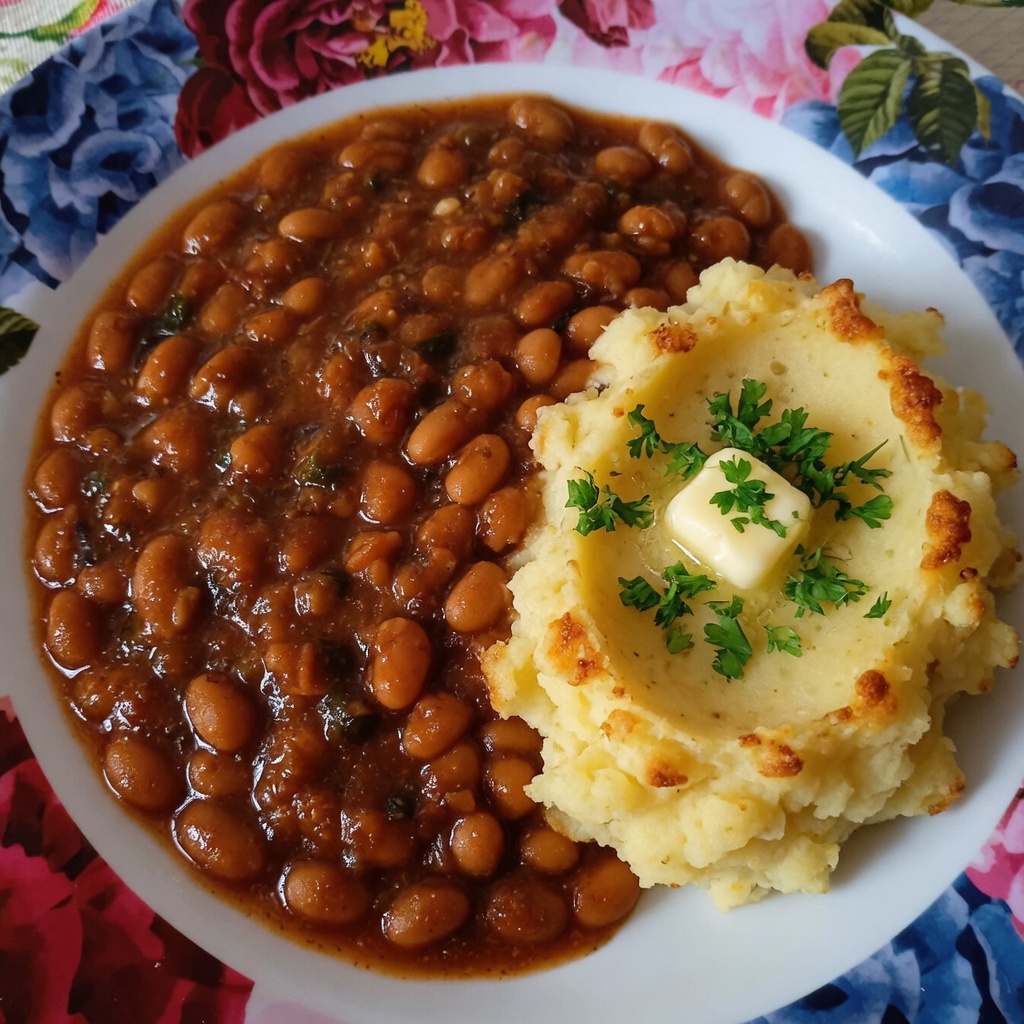
Why Beans Belong in a Muscle-Supporting Diet
Beans are one of the most accessible and affordable ways to add plant-based protein—and they also deliver key nutrients that many older adults don’t get enough of.
What Beans Offer
- Protein: Provides the building blocks your muscles need
- Fiber: Supports digestion and helps steady blood sugar
- Micronutrients: Often rich in magnesium, iron, and potassium, which support muscle and nerve function
- Low cost and easy storage: A realistic choice for everyday meals
Another advantage: beans fit naturally into many Mexican-style dishes—soups, stews, tacos, salads, and more—making them simple to eat regularly without changing your routine.

Beans vs. Animal Protein: A Practical Comparison
Both plant and animal proteins can be valuable. The best choice is often the one you can eat consistently, digest comfortably, and afford long-term.
Here’s a real-world look:
- Protein per serving
- Beans: moderate
- Meat/fish/eggs: typically higher
- Fiber
- Beans: yes
- Animal protein: no
- Micronutrient variety
- Beans: strong variety
- Animal protein: varies by type
- Cost
- Beans: usually very low
- Animal protein: often higher
- Digestion
- Beans: often lighter (especially when prepared well)
- Animal protein: can feel heavy for some people
For older adults who eat smaller meals, beans can be a gentle, nutrient-dense way to raise total protein intake without relying on large portions of meat.
How Beans Can Support Muscle Strength After 80
When you include enough protein at each meal, you’re essentially telling your body: “We have what we need—maintain muscle.” That signal becomes even more important later in life, especially when paired with simple strength-focused movement such as:
- Light resistance exercises
- Chair stands (sit-to-stand practice)
- Walking while carrying light weights
A key point many people don’t hear: studies suggest that plant proteins can support muscle strength in older age when the overall diet is balanced and total daily protein is adequate. Beans make meeting those targets easier—without expensive powders or complicated cooking.
How to Make Beans a Daily Habit
Beans are easy to add to meals you already enjoy.
Simple Ways to Eat Beans Every Day
- Breakfast: Add beans to scrambled eggs, or serve with warm corn tortillas
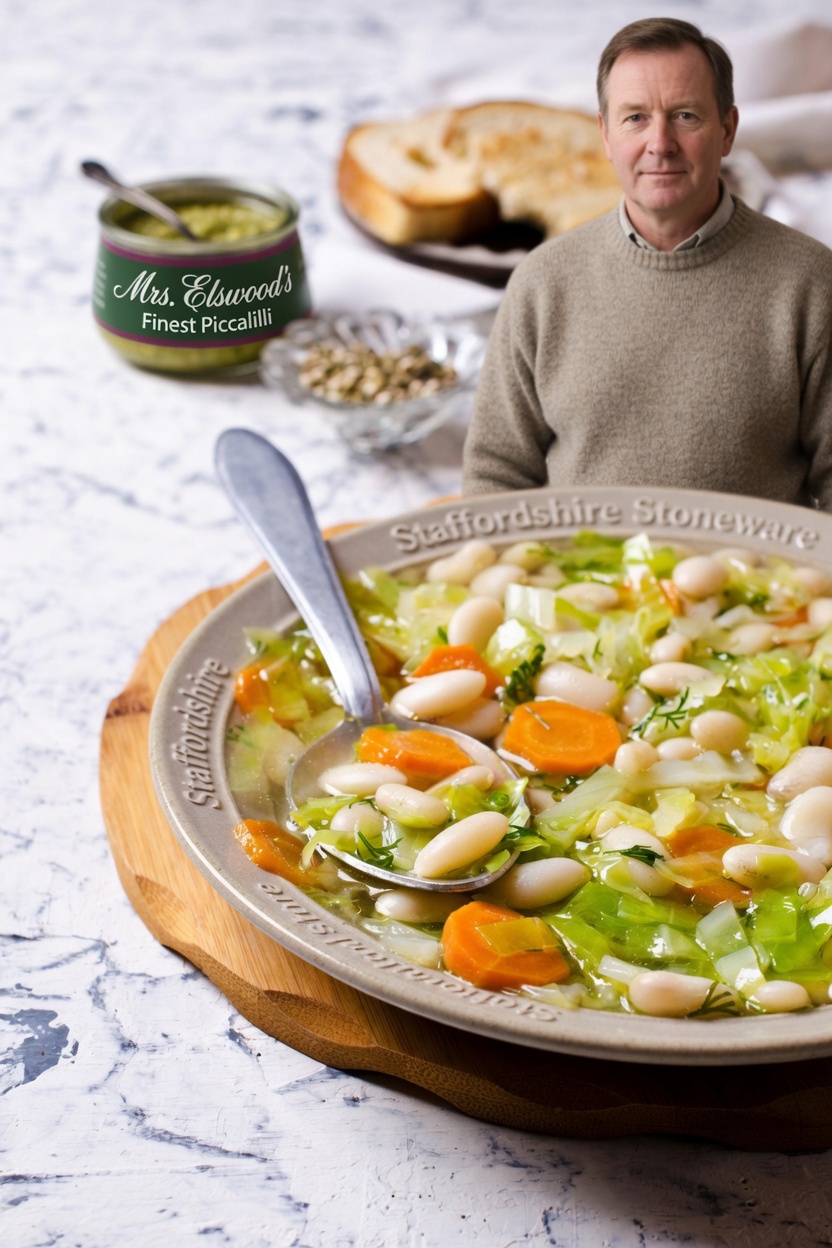
- Lunch: Mix into soups, stews, or salads
- Dinner: Pair with rice, roasted vegetables, or tacos
- Snack: Blend into a bean dip with spices and raw vegetables
Digestion tip: If beans cause gas or bloating, soak dried beans overnight and cook them thoroughly. This often improves comfort.
Practical Steps to Boost Muscle With Food and Movement
- Aim for 20–30g of protein per meal, using beans alongside other protein foods
- Combine beans with grains (like rice or corn) to expand the amino acid profile
- Move every day: try at least 20 minutes of gentle strength or balance work
- Drink enough water to support digestion and nutrient transport
- Build colorful plates by adding vegetables for extra vitamins and antioxidants
Beans vs. Protein Supplements (Quick Comparison)
- Whole food
- Beans: yes
- Supplements: no
- Cost
- Beans: low
- Supplements: often higher
- Extra nutrients (fiber, minerals)
- Beans: yes
- Supplements: usually limited
- Digestive tolerance
- Beans: often good when prepared well
- Supplements: varies by product and person
Many people don’t need “fancy” options to support strength. Consistent, nutrient-rich foods—like beans—can be highly effective.
Final Thoughts
Losing strength doesn’t have to lead to isolation, fear of falling, or giving up the activities you enjoy. By choosing protein-rich foods (including beans) and pairing them with gentle, regular movement, you can support your muscles—and protect your independence—well into later life.
FAQ
-
How many servings of beans should I eat?
A practical target is ½ to 1 cup per serving, aiming for a serving at most meals, especially lunch and dinner, to help meet protein needs. -
Are canned beans a good option?
Yes. Choose low-sodium varieties when possible and rinse well before heating to reduce salt. -
Can beans replace exercise?
No. Nutrition is only part of the solution. The best results come from combining protein-rich meals with consistent strength and balance activities.
Disclaimer: This article is for informational purposes only and does not replace medical advice. Always consult your healthcare provider before changing your diet or exercise routine.