
High creatinine levels can feel frightening—especially when a routine blood test suggests your kidneys may be under strain. Along with symptoms like fatigue or swelling, it’s natural to worry about what this means for your long-term health and whether everyday habits (including food choices) could help or harm. The encouraging reality is that a balanced eating pattern—especially one that emphasizes heart-healthy fats—can support both kidney and cardiovascular health, which are closely connected.

That said, it’s important to set realistic expectations. While creatinine can improve quickly in certain acute situations, most meaningful kidney support comes from consistent, evidence-based habits, not overnight fixes. Later, you’ll find practical ways to add kidney-friendlier fats to meals—plus which fats to limit when kidney function is reduced.
Understanding Creatinine (and Why It Matters)
Creatinine is a waste product produced by normal muscle metabolism. Your kidneys filter it from the blood and remove it through urine. Typical reference ranges are often around:
- Men: ~0.6–1.3 mg/dL
- Women: ~0.5–1.1 mg/dL
These ranges can vary with age, muscle mass, hydration status, and lab methods.
When creatinine rises—especially into higher ranges—it often signals reduced kidney filtration. Common contributors include dehydration, acute illness, chronic kidney disease, medication effects, or other medical conditions. Organizations such as the National Kidney Foundation emphasize that managing related risks (like blood pressure, inflammation, and heart health) plays an important role in supporting kidney function over time.
It’s also worth clarifying a common misconception: dramatic creatinine drops in just a few days are uncommon from diet alone. When large changes happen quickly, it’s usually because an acute trigger is corrected—such as rehydration or a medical treatment—rather than a single food change. For most people, progress is gradual and monitored.
How Dietary Fats Can Support Kidney Health
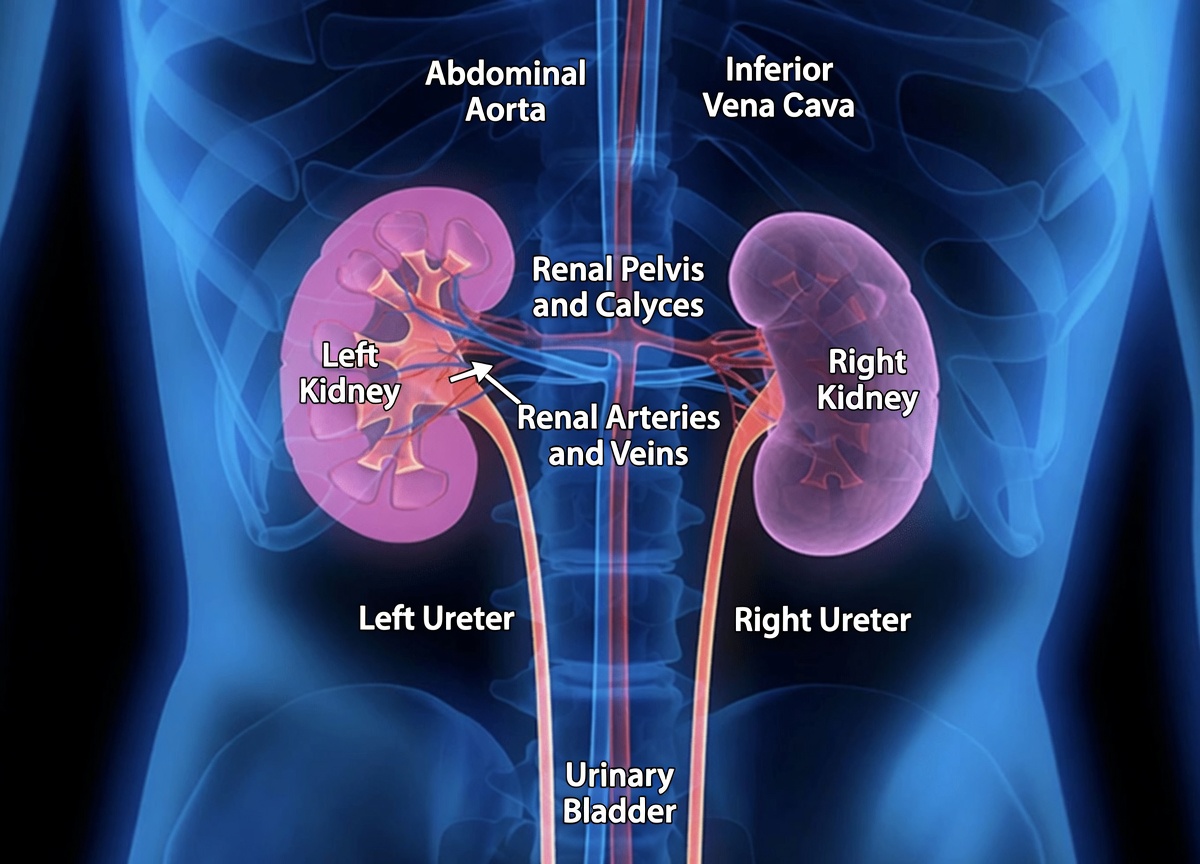
Kidney health and heart health strongly influence each other. When kidney function declines, cardiovascular risk tends to rise—and cardiovascular strain can also affect kidney outcomes. Choosing the right fats can help by:
- Supporting healthier cholesterol patterns
- Reducing inflammation
- Helping with blood vessel function and overall cardiovascular strain
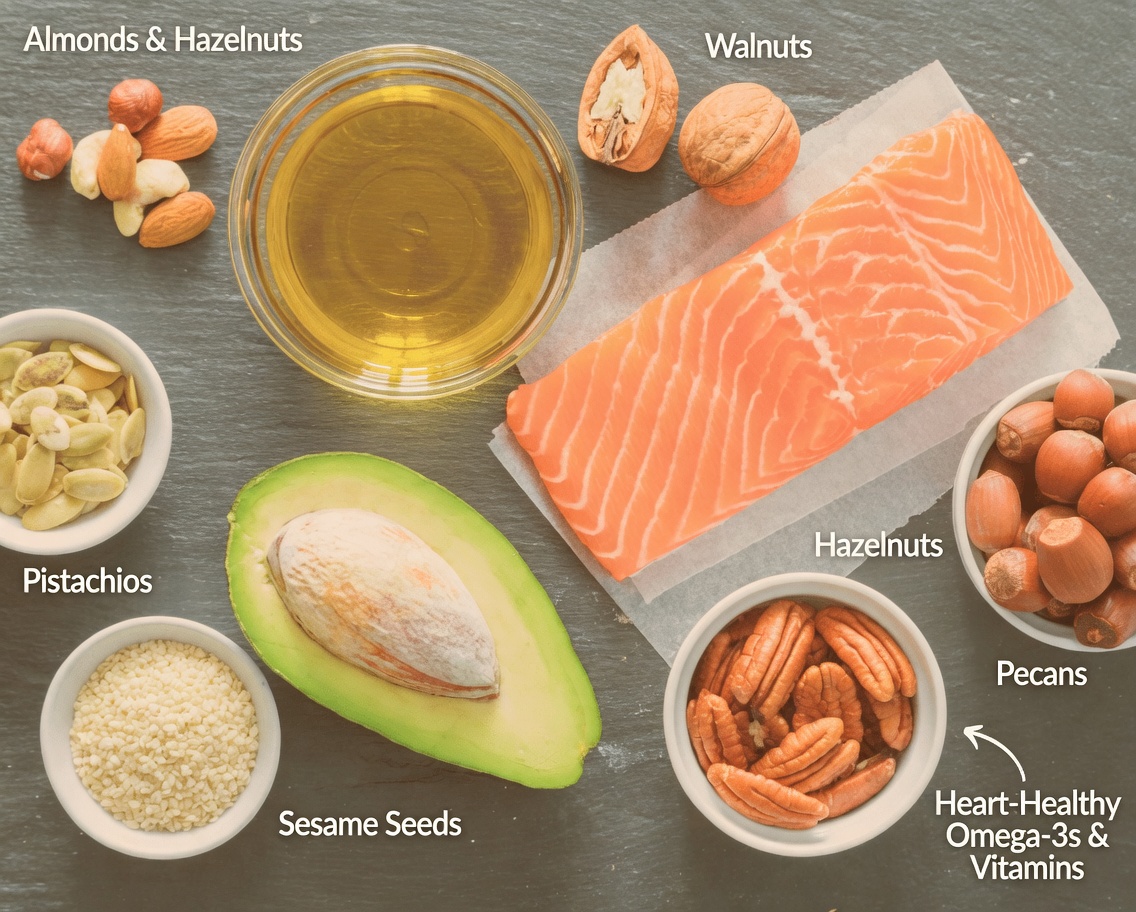
Guidance from kidney-focused organizations (including the NIDDK and the National Kidney Foundation) commonly recommends replacing less healthy fats with unsaturated fats—especially monounsaturated and polyunsaturated fats. This shift may support blood pressure and lipid levels, indirectly easing long-term burden on the kidneys.
4 Kidney-Friendlier Fats to Include (in Moderation)
These options align well with kidney-supportive eating patterns when portion sizes and overall nutrition are considered:
-
Olive Oil
Rich in monounsaturated fats and antioxidant compounds (including oleic acid), olive oil is a staple in heart-supportive diets and generally fits well into kidney-friendly meals.- Try: drizzle on salads, cooked vegetables, or use for low-to-medium heat cooking.
-
Canola Oil
Canola oil provides a practical balance of mono- and polyunsaturated fats with a neutral flavor.- Try: everyday cooking, baking, sautéing, or stir-fries.
-
Fatty Fish (such as salmon), portion-controlled
Fatty fish provides omega-3 fatty acids, which may support blood vessel health and help with inflammation.- Aim for: 2–3 servings per week of low-sodium preparations.
- Note: if you need to limit protein or phosphorus, ask your clinician or renal dietitian about appropriate portions.
-
Avocado (small portions when appropriate)
Avocados offer monounsaturated fats and fiber, but they’re also higher in potassium, which may need restriction depending on lab results.- Try: smaller servings (for example, a few slices or half) if potassium limits apply.

These choices reflect a broader theme in kidney nutrition: prioritize unsaturated fats as part of an overall balanced plan rather than relying on any single “superfood.”
4 Fats to Limit or Use With Extra Caution
When kidney function is impaired, some fats may be less supportive due to their effects on cholesterol, inflammation, or associated nutrient load:
-
Saturated fats (butter, fatty red meat)
Higher saturated fat intake can raise LDL cholesterol and add cardiovascular strain—an important concern for many people with kidney issues. -
Trans fats (many processed and fried foods)
Trans fats promote inflammation and are best avoided when possible. Check ingredient lists and nutrition labels. -
Coconut oil
Coconut oil is high in saturated fat and may not be ideal as a main cooking fat, particularly for those managing cholesterol or cardiovascular risk. -
Certain nuts in large amounts (including peanuts or walnuts)
Nuts can be nutritious, but some are higher in phosphorus and potassium, which may build up when filtration is reduced. If nuts are allowed, discuss portions and types with your care team. Some people choose lower-mineral options (such as macadamias) in moderation, depending on individual labs.
Quick Comparison: More Supportive vs. Higher-Risk Fats
| Fat Source | Main Benefit/Risk | Kidney-Friendly Use |
|---|---|---|
| Olive oil | Anti-inflammatory, heart-supportive | Great for dressings and cooking |
| Canola oil | Balanced unsaturated fats | Good everyday option |
| Fatty fish (omega-3s) | May support inflammation and vessels | 2–3 servings/week; portion awareness |
| Avocado | Monounsaturated fats + fiber | Smaller portions if potassium restricted |
| Butter / fatty red meat | Higher saturated fat, raises LDL | Limit; swap when possible |
| Trans fats (processed foods) | Increases inflammation | Avoid as much as possible |
| Coconut oil | High saturated fat | Use sparingly |
| Peanuts/walnuts (excess) | Higher phosphorus/potassium | Moderate; pick types/portions carefully |
Practical Ways to Add Kidney-Supportive Fats Today
Small, consistent changes are often the easiest to maintain:
- Switch your primary cooking fat: use olive or canola oil instead of butter, lard, or shortening.
- Add a controlled drizzle: try 1–2 teaspoons of olive oil on vegetables or salads.
- Plan omega-3 meals: choose baked or grilled salmon twice weekly (low-sodium seasonings). If appropriate for you, consider ground flaxseed as a plant omega-3 source.
- Portion avocado intentionally: add a small amount to salads or toast rather than large servings.
- Read labels carefully: minimize foods with trans fats and high saturated fat.
- Coordinate with your care team: a clinician or renal dietitian can help tailor fat choices to your stage of kidney health and lab targets.
Conclusion: Consistent Choices That Support Kidneys Over Time
Improving kidney health isn’t about fast promises—it’s about steady habits that protect the heart and reduce long-term strain. Emphasizing unsaturated fats (like olive oil, canola oil, and appropriate omega-3 sources) while cutting back on saturated and trans fats is a practical, evidence-aligned step toward better overall wellness.
Because needs vary by kidney stage and lab results, personalization matters.
Frequently Asked Questions (FAQ)
-
What can cause high creatinine?
High creatinine may result from reduced kidney filtration, dehydration, certain medications, or underlying health conditions. A clinician can identify likely causes based on your full medical picture. -
Can diet alone quickly drop creatinine levels?
Diet can support kidney health over time, but major short-term drops are uncommon from food changes alone and more often relate to acute issues like dehydration being treated. -
Are nuts always bad for kidney health?
No. Some nuts are higher in potassium and phosphorus, so the best choice depends on your lab values and portion size. A renal dietitian can help you select options that fit your plan.
Disclaimer
This article is for informational purposes only and does not replace professional medical advice. Consult your healthcare provider or a registered dietitian before making dietary changes—especially if you have kidney disease or elevated creatinine—so recommendations can be tailored to your individual needs.