
Supplement Timing After 50: Common Combinations That Can Reduce Benefits
After age 50 or 60, many people add vitamins and supplements to support bone strength, energy, immunity, and overall wellness. Yet it’s easy to overlook an important detail: some popular supplements can cancel each other out or make results feel disappointing when taken at the same time.
A classic example is taking calcium for bone health alongside iron for energy—a pairing that can work against you because these nutrients compete during absorption. The result may be ongoing fatigue, weakness, or the sense that your routine isn’t delivering what you hoped for.
The encouraging news is that you usually don’t need to stop either supplement. In most cases, better spacing and smarter timing are enough to help you benefit from both—without unnecessary worry about absorption or wasted effort.

Why Supplement Interactions Matter More After Age 50
As we get older, the body often absorbs nutrients less efficiently due to changes in digestion and metabolism. This natural slowdown can make supplement interactions more noticeable—especially if you’re already trying to manage concerns like low energy, weaker bones, or reduced resilience.
Minerals in particular can compete for the same absorption routes in the digestive tract. When two supplements “fight” for uptake, the body may end up using less of each—an unhelpful outcome when your goal is maintaining strength and independence.
The good part: once you know the most common problematic pairings, a few simple scheduling adjustments can significantly improve how well your regimen works.
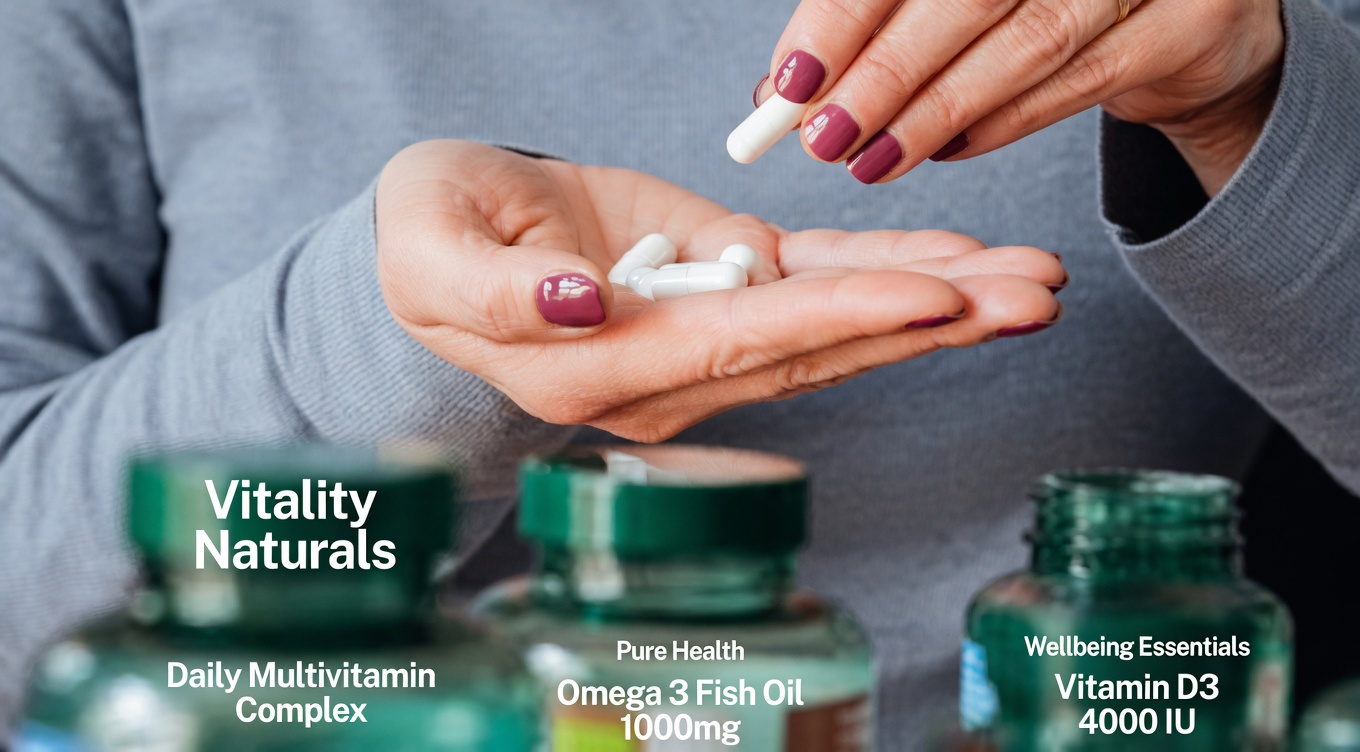
Pair #1 to Avoid Taking Together: Calcium and Iron
Calcium is widely used to support bone density and reduce the risk of fractures and osteoporosis. Iron is often taken to help with energy, stamina, and preventing or addressing anemia. However, taking them at the same time can be counterproductive.
What happens in the body
Calcium can reduce iron absorption because both minerals rely on similar transport mechanisms in the intestines. When they’re consumed together, iron uptake may drop—potentially contributing to tiredness or symptoms linked to low iron, which can make daily activities feel more draining.
Safer timing strategy
Most guidance recommends separating calcium and iron by at least 2 hours.
- Iron: ideally taken on an empty stomach (if tolerated)
- Calcium: better taken later with a meal
This spacing helps each supplement do its job without competing.
Pair #2 to Watch: Vitamin C and Vitamin B12
Many adults use vitamin C for immune support, especially during cold and flu season. Vitamin B12 is commonly supplemented for energy, nerve function, and cognitive support, particularly because B12 absorption can become more difficult with age.
Why timing can matter
High-dose vitamin C has been associated (in older research) with the possibility of reducing B12 availability in the digestive tract when taken simultaneously. While current perspectives vary on how strong this effect is in real-world use, spacing the two is a practical precaution—especially for older adults who are already at higher risk of B12 shortfalls.
Safer timing strategy
To protect B12 effectiveness, take vitamin C and B12 2+ hours apart.
If you use both regularly, consider:
- Vitamin C in the morning
- Vitamin B12 later in the day (or the reverse)
Other Supplement Pairings Seniors Often Need to Separate
Calcium and iron (and vitamin C with B12) aren’t the only combinations that can interfere with absorption. These pairings can also benefit from spacing:
- Zinc + Calcium: can compete for absorption, potentially limiting both immune and bone benefits.
- Iron + Zinc: higher doses of one may reduce uptake of the other, affecting energy and immune support.
- Calcium + Magnesium: both are important, but large doses together or poorly balanced timing may reduce optimal utilization for muscles and bones.
- Zinc + Copper: long-term high zinc intake can lower copper levels, which may affect immune and nerve balance.
Quick Reference: Common Problem Pairs and Suggested Spacing
| Pairing | Main Issue | Why It Matters After 50 | Suggested Spacing |
|---|---|---|---|
| Calcium + Iron | Reduced iron absorption | Fatigue, weakness, anemia concerns | 2+ hours apart |
| Vitamin C + B12 | Possible reduction in B12 effectiveness (especially high-dose C) | Energy, nerve health, brain fog worries | 2+ hours apart |
| Zinc + Calcium | Competition for uptake | Gaps in bone and immune support | Separate doses |
| Iron + Zinc | Mutual interference | Lower energy and slower recovery | About 2 hours apart |
| Calcium + Magnesium | Absorption imbalance at high doses | Muscle cramps and bone health concerns | Different times of day |

Practical Ways to Improve Your Supplement Schedule
Small, realistic changes can make your routine more effective—and help you feel more confident about what you’re taking.
- Take iron first thing (ideally on an empty stomach), then take calcium later with food.
- If you use high-dose vitamin C, schedule it away from vitamin B12 (morning vs. evening works well).
- Check multivitamin or combo supplement labels, since some products bundle competing nutrients in the same dose.
- After adjusting timing, pay attention to changes in how you feel—such as improved energy or fewer signs of deficiency.
For the most personalized plan, ask a doctor or pharmacist to review your full supplement list (and medications). This often reveals timing tweaks that improve benefits and reduce risk.
Conclusion: Better Timing, Better Absorption
Being aware of supplement interactions—especially calcium with iron and high-dose vitamin C with vitamin B12—can help you get more value from your routine as you age. With thoughtful spacing, you can support energy, bone health, immunity, and long-term independence more effectively.
A few well-timed adjustments can make supplements feel less frustrating and far more reliable.
Frequently Asked Questions
Why do calcium and iron interfere with each other?
They can compete in the gut for absorption pathways. Calcium may reduce how much iron your body absorbs, which can be a concern for energy and anemia-related symptoms.
Is the vitamin C and B12 interaction a problem for everyone?
It’s mainly a consideration when vitamin C is taken in higher doses. Spacing vitamin C and B12 helps protect B12’s role in nerve function and energy—especially in older adults.
Do I need to stop one supplement if they interact?
Usually not. In many cases, the best solution is simply taking them at different times. Still, individual needs vary, so a healthcare professional can guide you based on your health status and medications.
Disclaimer
This article is for informational purposes only and does not provide medical advice. Always consult a qualified healthcare provider before starting, stopping, or changing any supplements—especially if you take medications, have medical conditions, or are over age 50.