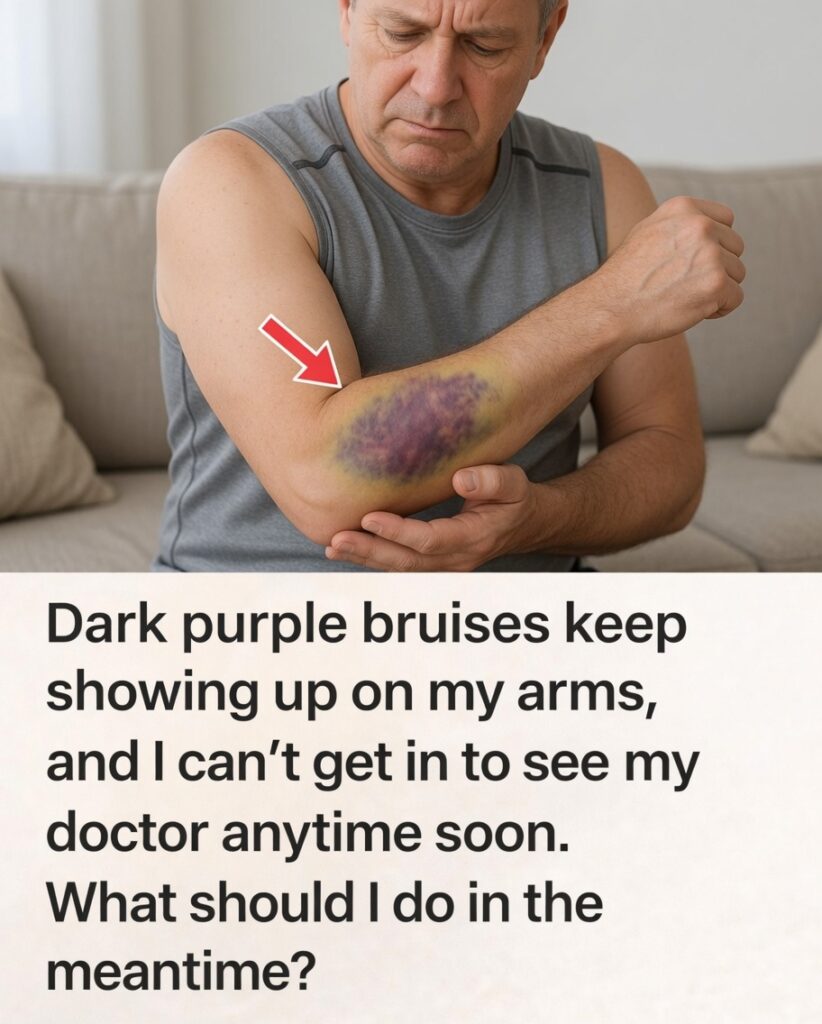
Dark purple bruises that appear on your arms without any clear bump or injury can be unsettling. It’s normal to stare at your skin, trying to figure out what happened—and waiting for a medical appointment can make the uncertainty feel even heavier. In many situations, the cause is tied to everyday factors such as thinning skin with age or commonly used medications. Still, it makes sense to want practical, safe steps you can take now to protect your arms, monitor changes, and feel more in control until you’re evaluated.
One detail many people miss at first: tracking timing, location, and day-to-day habits often reveals patterns that make your doctor visit far more efficient—and there’s a preparation step near the end that can genuinely reduce anxiety.
Could Aging Skin and Sun Exposure Be the Cause?
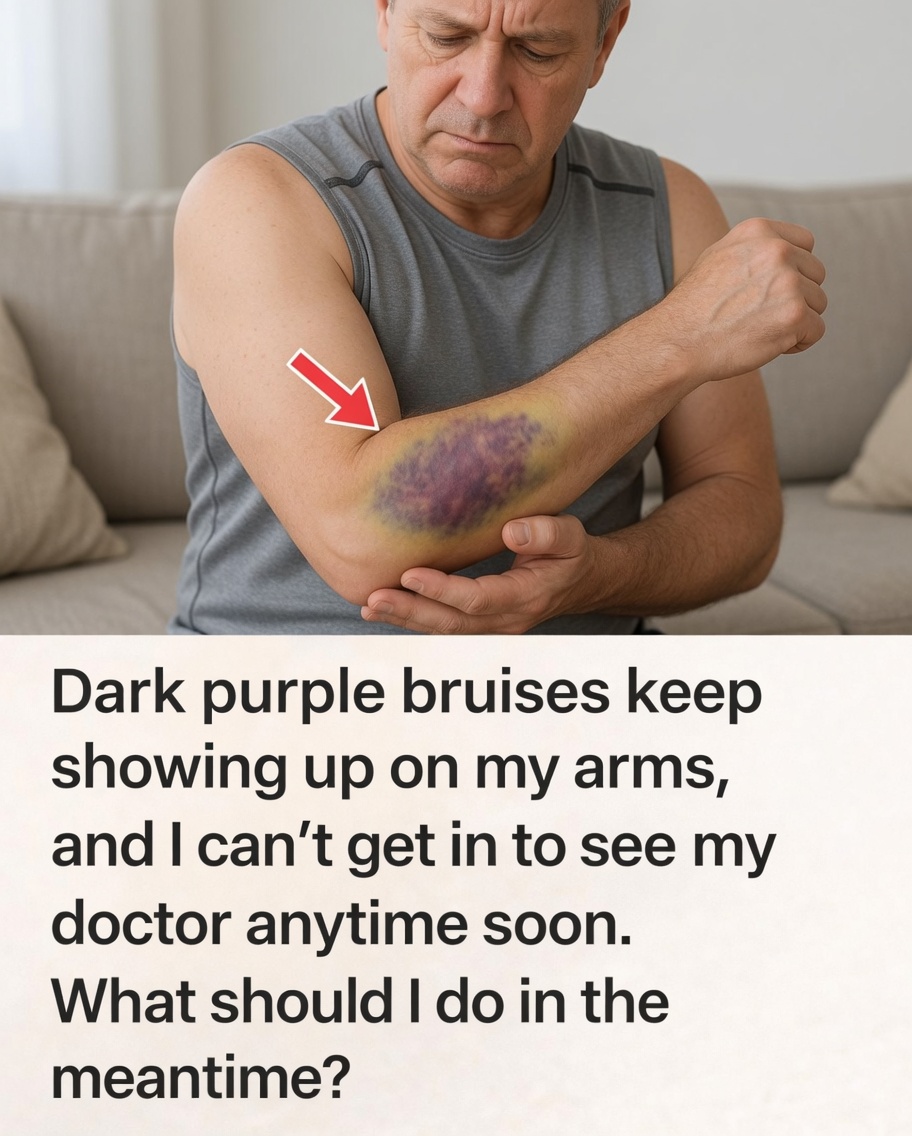
A very common explanation for dark purple patches on the arms—particularly after about age 50—is senile purpura, also known as actinic purpura. Over time, sun exposure and age-related thinning of the skin and small blood vessels can make even mild contact (that you may not notice) enough to cause blood to leak under the skin.
These spots often have recognizable features:
- Deep purple or reddish-purple patches
- Typically 1–4 cm across, sometimes larger
- Most often on the forearms, backs of the hands, or other sun-exposed extensor surfaces
- Slow fading, sometimes followed by brownish discoloration as they heal
In most cases, this condition is considered benign on its own, even though the bruising can look dramatic. If your spots match this pattern, it’s worth noting—those details can help your healthcare provider narrow things down faster.
Start a Bruise Diary: Turn Uncertainty Into Useful Data
You don’t have to “wait and do nothing” until your appointment. A simple tracking routine can transform worry into concrete information your clinician can actually use.
Here’s a practical way to begin today:
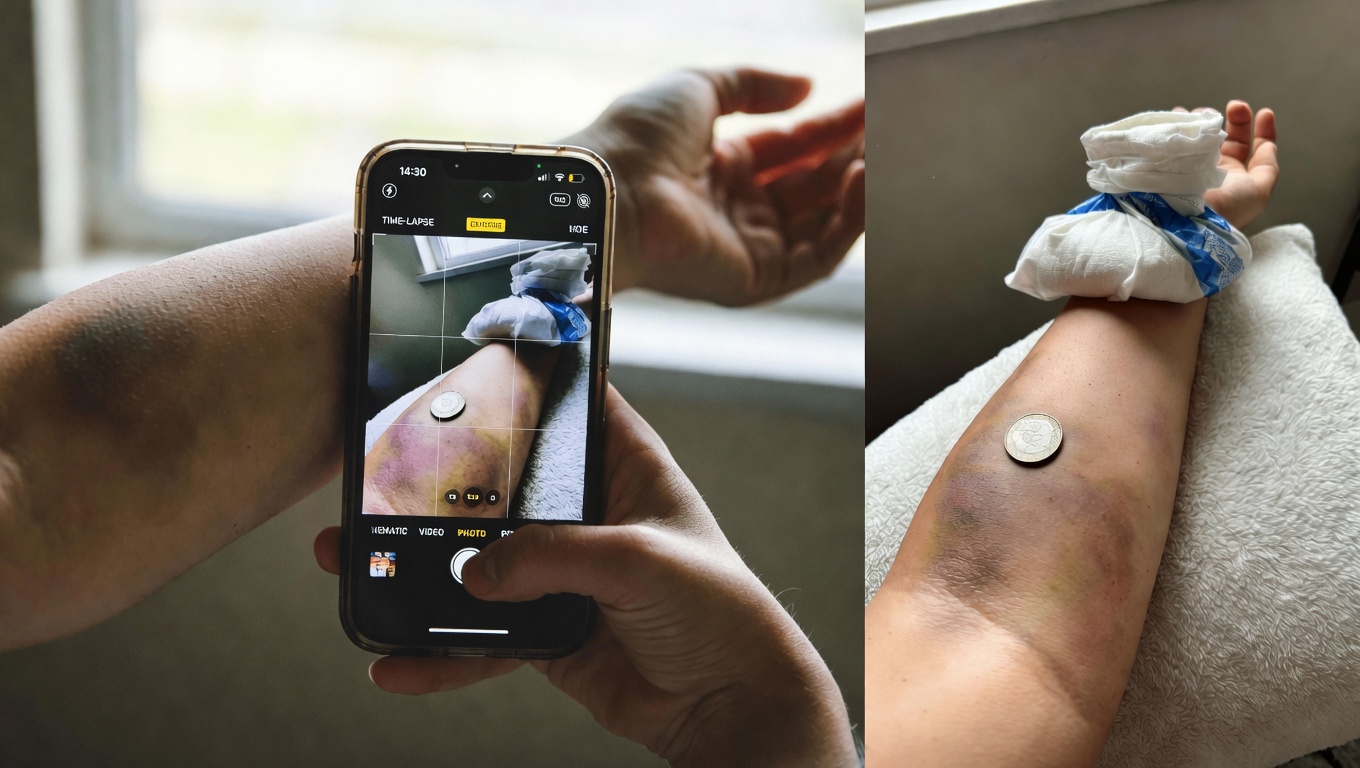
- Take clear photos in bright, natural light whenever a new bruise appears
- Place a coin or ruler next to it for accurate size comparison
- Write down:
- The date you first noticed it
- The exact location (right/left arm, inner/outer forearm, near wrist, etc.)
- Approximate size and color
- How it changes over time (darker, spreading, turning yellow-green)
- Any sensations (mild tenderness, itching, none)
After 1–2 weeks, you may spot trends—such as bruises appearing after certain chores, workouts, carrying bags, or always in similar areas. This type of record often makes a medical visit more productive.
Review Medications and Supplements That Can Increase Bruising
Many everyday products can make bruising easier by affecting clotting or blood vessel fragility. This includes both prescriptions and “natural” supplements.
Common contributors include:
- Aspirin and other NSAIDs such as ibuprofen
- Prescription anticoagulants (for example warfarin or apixaban)
- Supplements like fish oil, ginkgo biloba, or high-dose vitamin E
- Large amounts of turmeric or ginger supplements
Do not stop any prescribed medication on your own. Instead, create a complete list (name, dose, and how long you’ve taken it) so your doctor can review it safely and decide whether anything should be adjusted.
Warning Signs That Should Prompt Earlier Medical Attention
Unexplained bruising is often not an emergency, but some symptoms should be evaluated sooner rather than later.
Seek medical advice promptly if you notice:
- Bruises that rapidly spread or become very large
- Other bleeding such as frequent nosebleeds, bleeding gums, or blood in urine/stool
- Severe fatigue, unexplained fever, unintentional weight loss, or dizziness
- Shortness of breath, chest pain, or bruising plus joint swelling
If something feels significantly different from your usual baseline, trust that instinct and get checked.
Reduce “Invisible” Bumps That Can Trigger New Bruises
When skin and blood vessels become fragile, bruises can come from very light contact—like brushing a counter edge, a door frame, or a cabinet corner.
Simple protective strategies:
- Wear long sleeves during cleaning, gardening, moving items, or errands
- Add soft padding or corner protection to sharp furniture edges at home
- Slow down in tight spaces (car doors, narrow hallways, crowded cabinets)
These small changes can noticeably reduce new bruises and give your skin time to recover.
Gentle At-Home Care for a Fresh Bruise
When a new bruise shows up, basic care can help limit discomfort and reduce additional bleeding under the skin—especially in the first 24–48 hours.
Try the following:
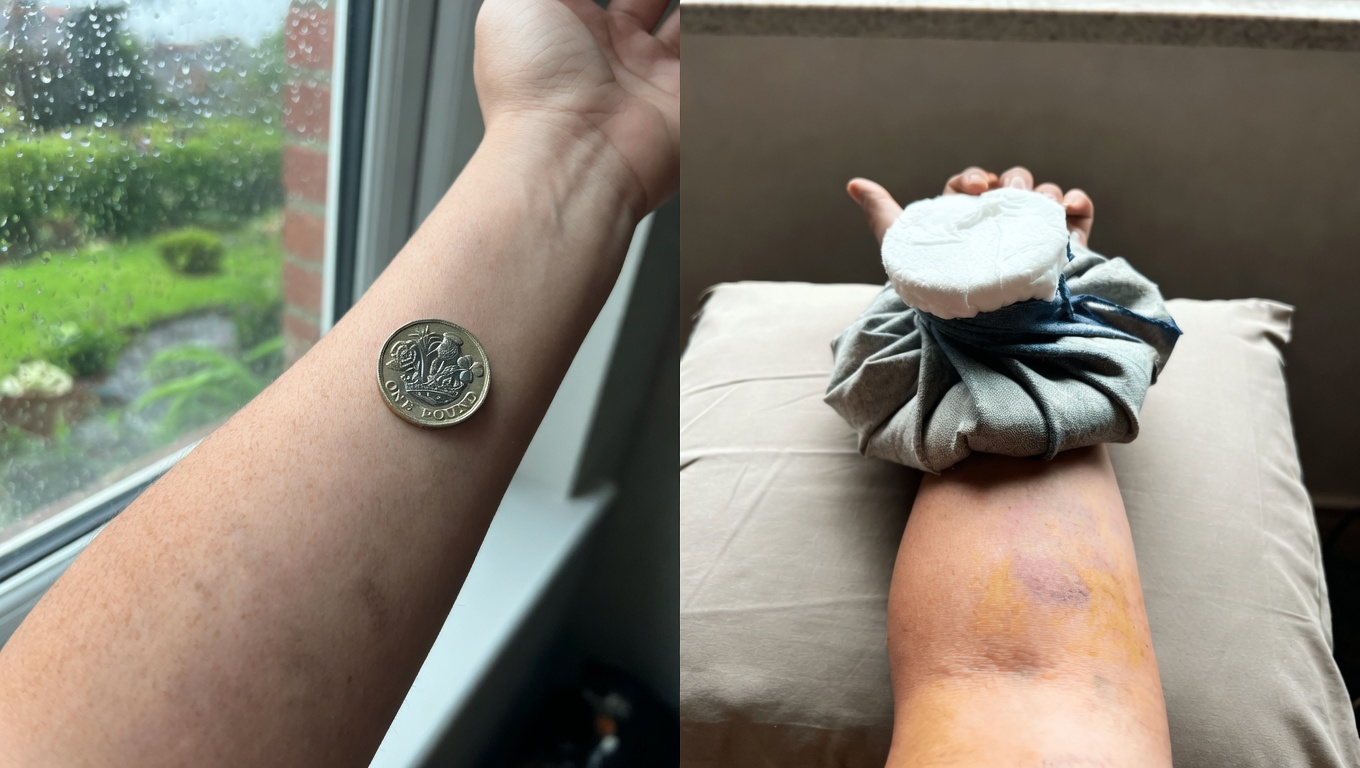
- Apply a cold pack (wrapped in a thin cloth) for 10–20 minutes
- Repeat every few hours as needed (avoid placing ice directly on skin)
- Elevate your arm when resting to reduce swelling and blood flow to the area
- Avoid rubbing or pressing the bruise
This approach is safe and may reduce how dark or extensive the bruise becomes.
Avoid Viral “Quick Fixes” That Can Irritate Skin
Internet hacks like rubbing bruises with toothpaste, onions, coins, or other home tricks are not well-supported—and some can irritate already-sensitive skin.
The safest, most reliable basics remain:
- Cold compresses early on
- Gentle handling
- Time (many bruises fade naturally over days to weeks)
Support Skin and Blood Vessels With Everyday Nutrition
Food won’t “cure” bruising overnight, but consistent nutrition supports healthier skin structure and normal clotting function.
Focus on:
- Vitamin C foods (oranges, strawberries, bell peppers) to support collagen
- Leafy greens (vitamin K) to support normal clotting processes
- Lean protein to help maintain tissue strength
- Plenty of fluids for skin elasticity and resilience
Also consider moderating alcohol intake, since long-term excess can affect blood vessel and liver health.
Daily Habits That Help Prevent Future Bruising
If sun damage and thinning skin play a role, daily prevention can make a meaningful difference over time.
Helpful habits include:
- Use broad-spectrum sunscreen SPF 30+ on exposed arms (not only in summer)
- Choose soft, loose sleeves to reduce friction and shear on fragile skin
- Wear gloves for tasks involving scrubbing, rough tools, or abrasive surfaces
These steps help protect the skin barrier and may reduce recurring bruises.
Prepare for Your Doctor Visit: The Step That Brings Peace of Mind
Use your waiting period to get organized so your appointment feels less stressful and more effective.
Bring (or have ready):
- Your photo log and written notes from the bruise diary
- A complete medication and supplement list (including doses and start dates)
- Any additional symptoms you’ve noticed—even mild ones such as occasional fatigue, lightheadedness, or changes in bleeding
Although many cases are linked to sun-damaged, aging skin or medication effects, persistent unexplained bruising can sometimes relate to factors such as nutrition, liver function, or clotting differences. Being prepared helps your provider decide whether tests, medication changes, or reassurance are appropriate.
The Emotional Side: Concern Is a Normal Response
Visible purple marks on your arms can trigger anxiety, self-consciousness, or fears about what others might assume. Those feelings are valid. Talking it through with someone you trust can reduce the mental burden. If worry starts affecting sleep, work, or daily life, it’s also reasonable to seek additional support while you wait for medical clarity.
Final Thoughts
Dark purple bruises on the arms can look serious, but they’re often connected to age-related skin fragility, past sun exposure, minor unnoticed bumps, or commonly used medications and supplements. While you wait for professional guidance, focus on skin protection, careful tracking, gentle bruise care, and supportive nutrition. Staying observant and prepared puts you in the best position to get clear answers and reassurance.
FAQ
-
What usually causes dark purple bruises on arms without injury?
Common causes include actinic (senile) purpura from thinning, sun-exposed skin and fragile blood vessels, or medication effects (such as blood thinners). A clinician can confirm the cause and rule out other issues. -
How long do these bruises typically last?
Many fade within 1–3 weeks, often changing colors as they heal. Age-related bruises may resolve more slowly and can leave a temporary brownish stain. -
When should I seek care before my scheduled appointment?
Get evaluated sooner if bruises grow quickly, become very large, occur with other bleeding, or are accompanied by symptoms like severe fatigue, fever, dizziness, chest pain, or shortness of breath.