Varicose Veins: 10 Practical, Natural Ways to Support Circulation and Ease Heavy Legs
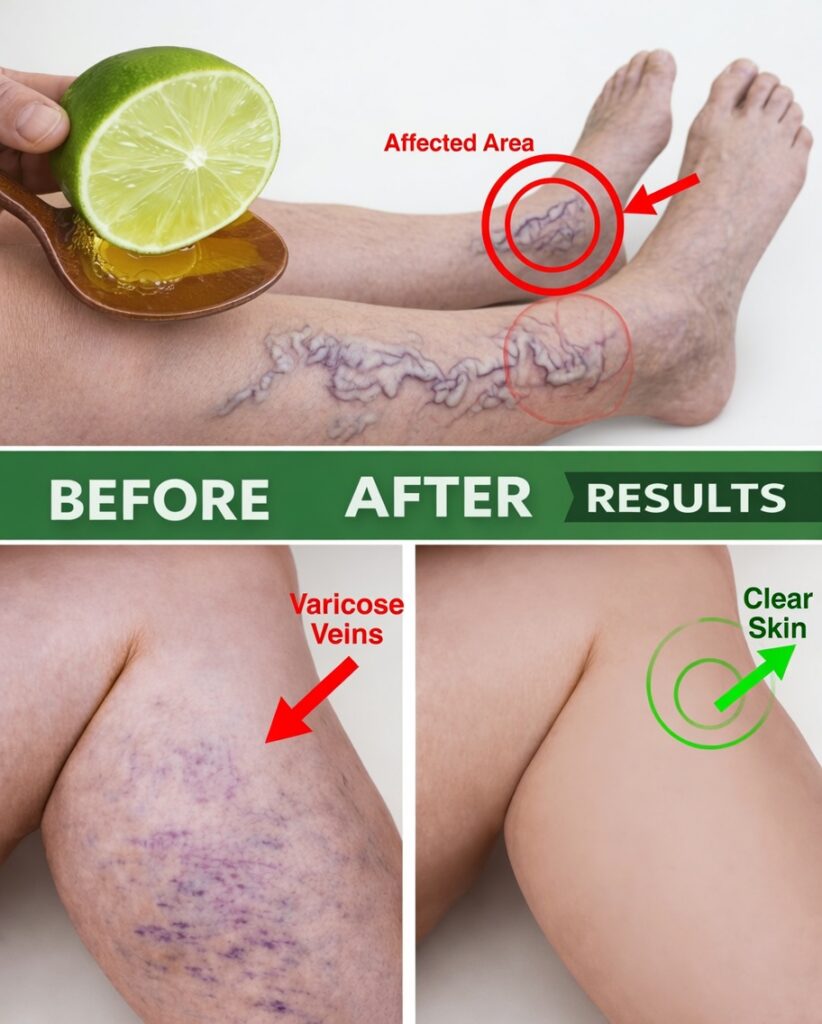
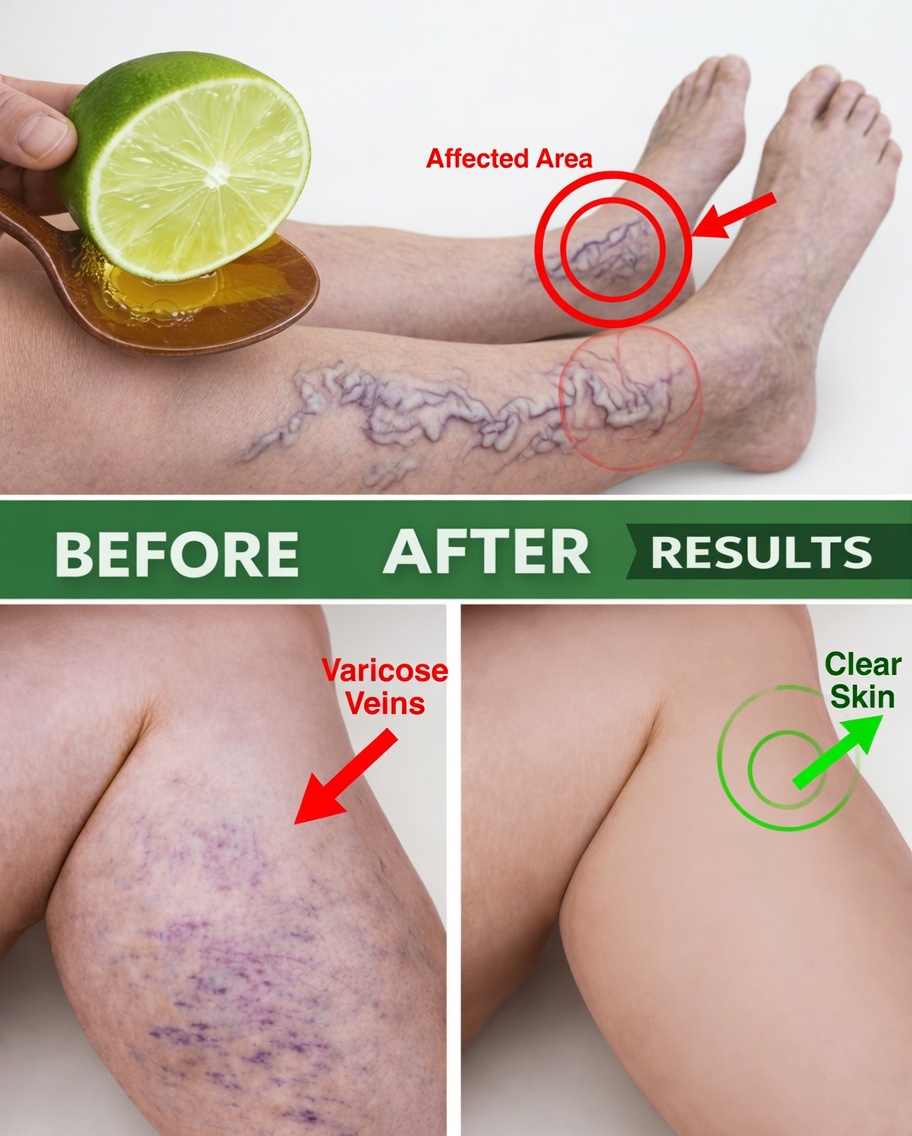
Bulging, twisted varicose veins often come with more than a cosmetic concern. They can make your legs feel heavy, sore, and swollen, especially after long hours of standing or sitting. Over time, that persistent aching can affect daily comfort, limit clothing choices, and gradually chip away at confidence.
The good news is that many people look for gentler, lifestyle-based options before considering medical procedures—and research suggests that small, consistent habits may help support blood flow and reduce discomfort.
Below are 10 natural strategies that may help you manage symptoms and improve leg comfort over time. One of them tends to surprise people with how much difference it can make.
10. Stay Well Hydrated to Promote Healthier Blood Flow
When you’re dehydrated, blood can become more viscous (thicker), making circulation harder and potentially increasing pressure inside already stressed veins. Many people notice their varicose vein symptoms worsen on days when they forget to drink enough water.
Studies on hydration and blood viscosity suggest that drinking enough fluids may help maintain smoother circulation—an important factor for overall vascular comfort.
- Aim for roughly 8 glasses of water per day (adjust for climate, activity level, and personal needs).
- If plain water is unappealing, add lemon, cucumber, or mint to make the habit easier to maintain.
9. Increase Fiber Intake to Reduce Straining and Pressure
Constipation and straining during bowel movements can increase pressure in the abdominal region, which may indirectly contribute to blood pooling in the legs and worsen the discomfort associated with varicose veins.
Nutrition research consistently links higher fiber diets with more regular digestion and healthier weight management—both of which can reduce strain on the venous system.
Try adding more whole-food fiber sources such as:
- Oats and whole grains
- Beans and lentils
- Berries and apples
- Leafy greens and cruciferous vegetables
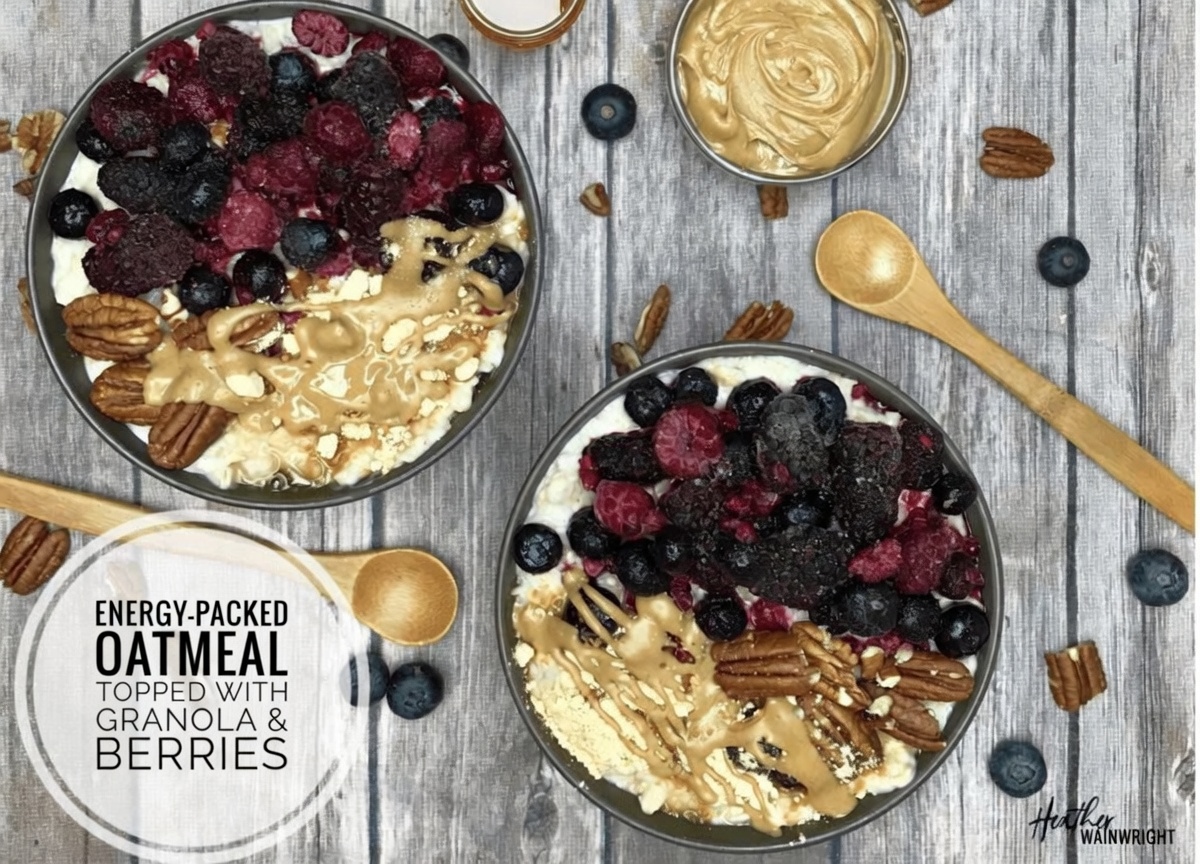
A simple starting point: oatmeal with fruit in the morning for steady, daily support.
8. Eat More Flavonoid-Rich Foods for Potential Vein Support
If visible veins make you feel self-conscious, you’re not alone. Certain plant compounds called flavonoids (known for antioxidant activity) are associated with vascular benefits and may help support vein wall strength and circulation.
Clinical observations suggest that regular intake of flavonoid-rich foods may help reduce swelling and support overall vascular function in people dealing with varicose veins.
Common flavonoid sources include:
- Citrus fruits (often linked with hesperidin)
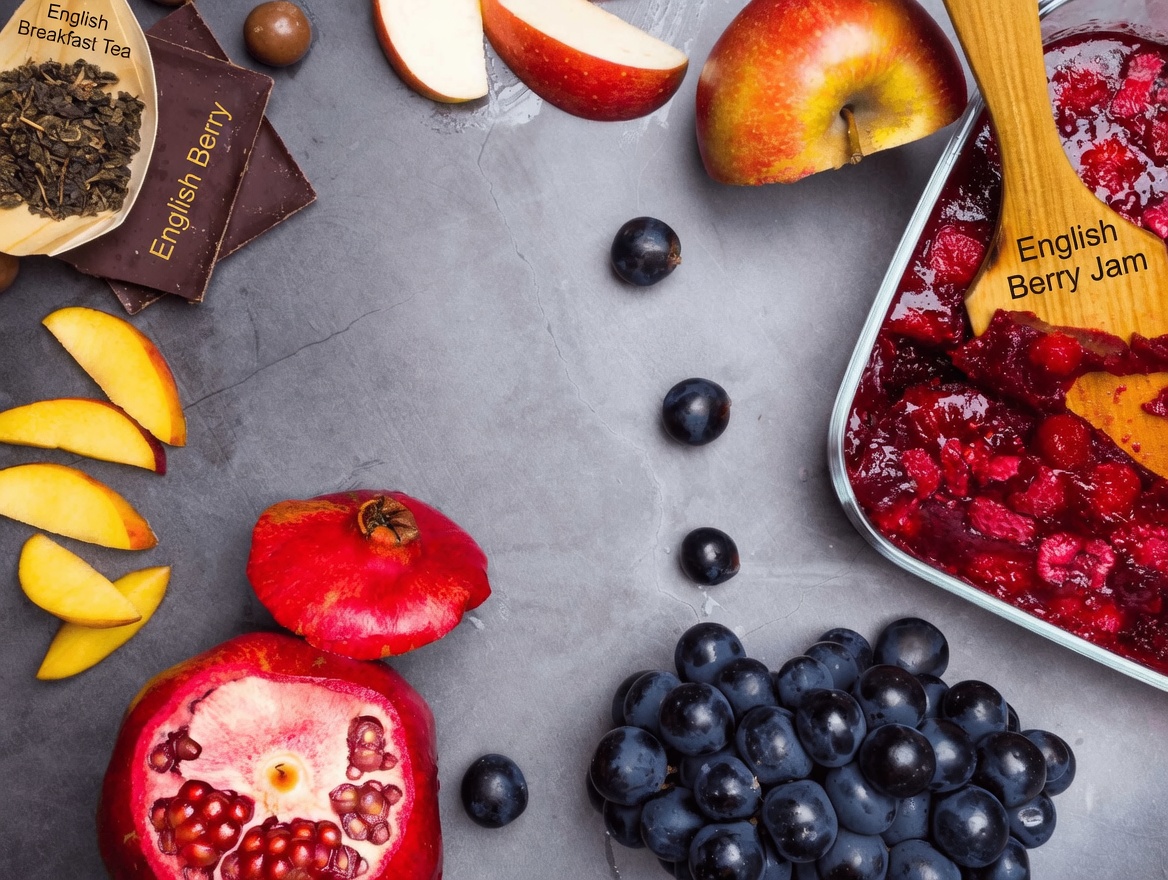
- Berries (rich in anthocyanins)
- Dark chocolate (contains flavanols, in moderation)
Easy ideas: snack on an orange, add blueberries to yogurt, or choose a small portion of dark chocolate as a dessert.
7. Do Low-Impact Movement to Activate the Calf “Pump”
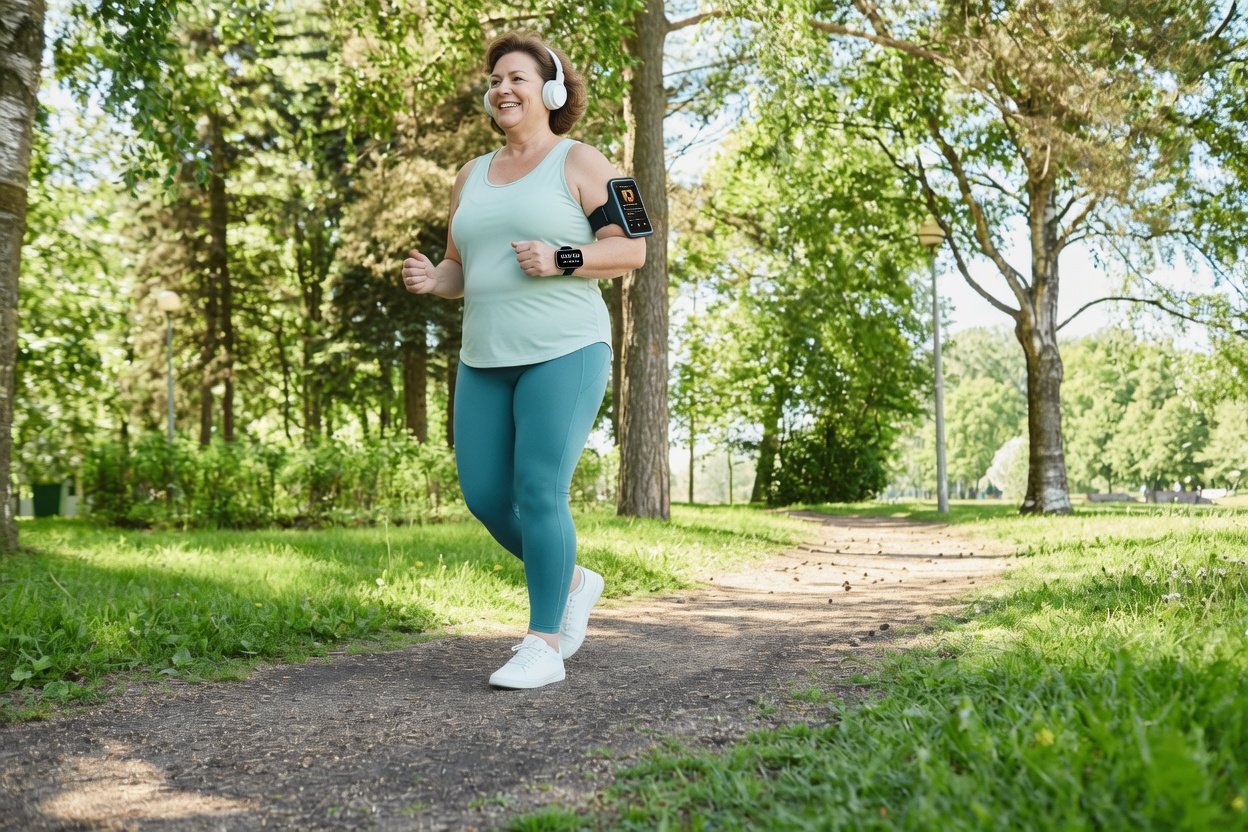
Long hours of sitting or standing can leave legs feeling tight and exhausted. Low-impact activity helps engage the calf muscle pump, which supports venous blood returning toward the heart.
Vascular research indicates that consistent, gentle exercise may improve circulation and may help slow the progression of vein-related discomfort over time.
Consider these low-impact options:
- Brisk walking for about 30 minutes on most days
- Swimming or cycling for joint-friendly circulation support
- Yoga, including poses like “legs up the wall,” to encourage venous return
6. Elevate Your Legs to Reduce Pooling and Swelling
After a long day, ankle swelling and aching legs can make it difficult to fully relax. Leg elevation uses gravity to assist drainage of pooled blood and fluid.
Many circulation care recommendations include elevation as a simple method that may help reduce swelling and discomfort related to varicose veins.
How to do it:
- Lie down and raise legs above heart level
- Hold for 15–20 minutes, 2–3 times per day
- Add slow breathing to help your body unwind while you rest
5. Use Compression Socks for Daily Symptom Relief
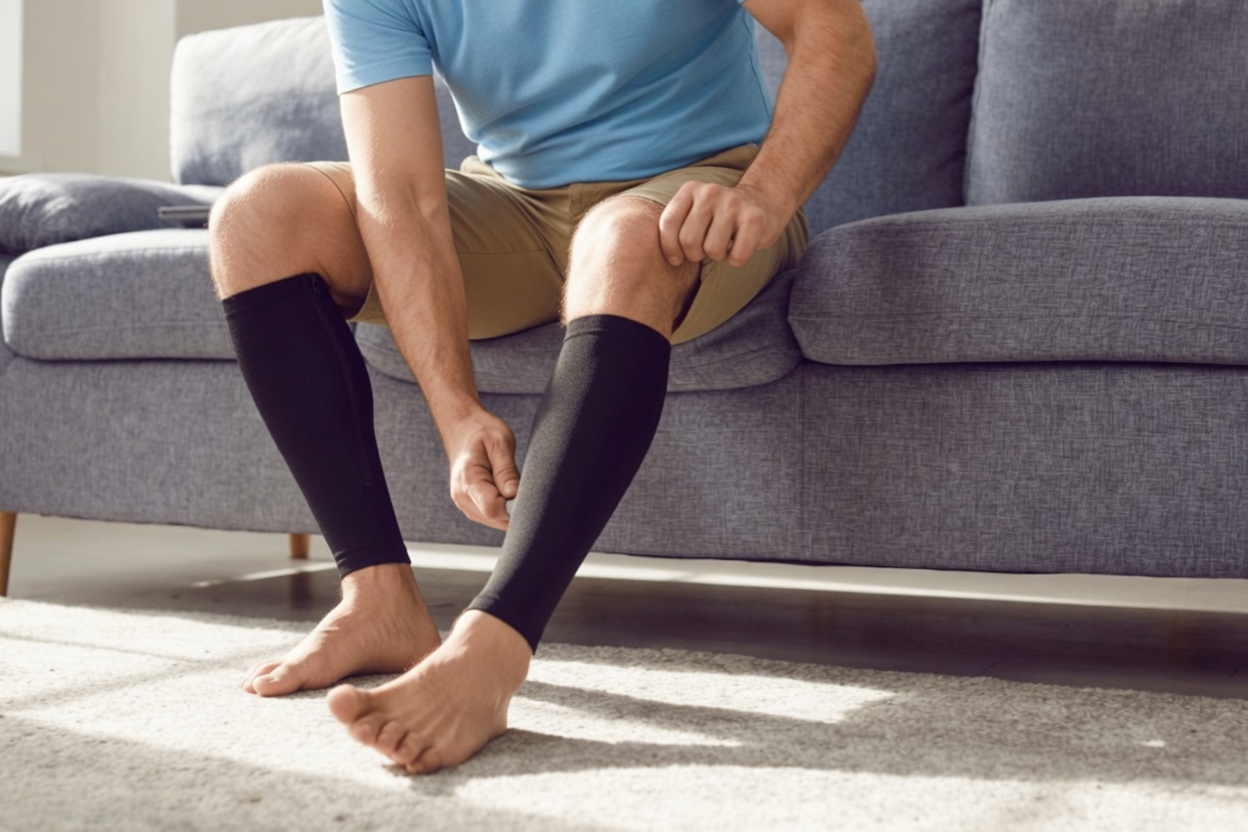
Desk work, long commutes, and flights can intensify that “heavy legs” sensation. Graduated compression socks apply gentle pressure (stronger at the ankle, lighter upward), supporting the veins in moving blood back up the leg.
Clinical evidence suggests compression therapy can improve day-to-day comfort and reduce swelling for many people with varicose veins. Today’s options are often breathable and discreet.
- Common starting level for mild symptoms: 15–20 mmHg (knee-high).
- Wear them during extended periods of standing or sitting for best results.

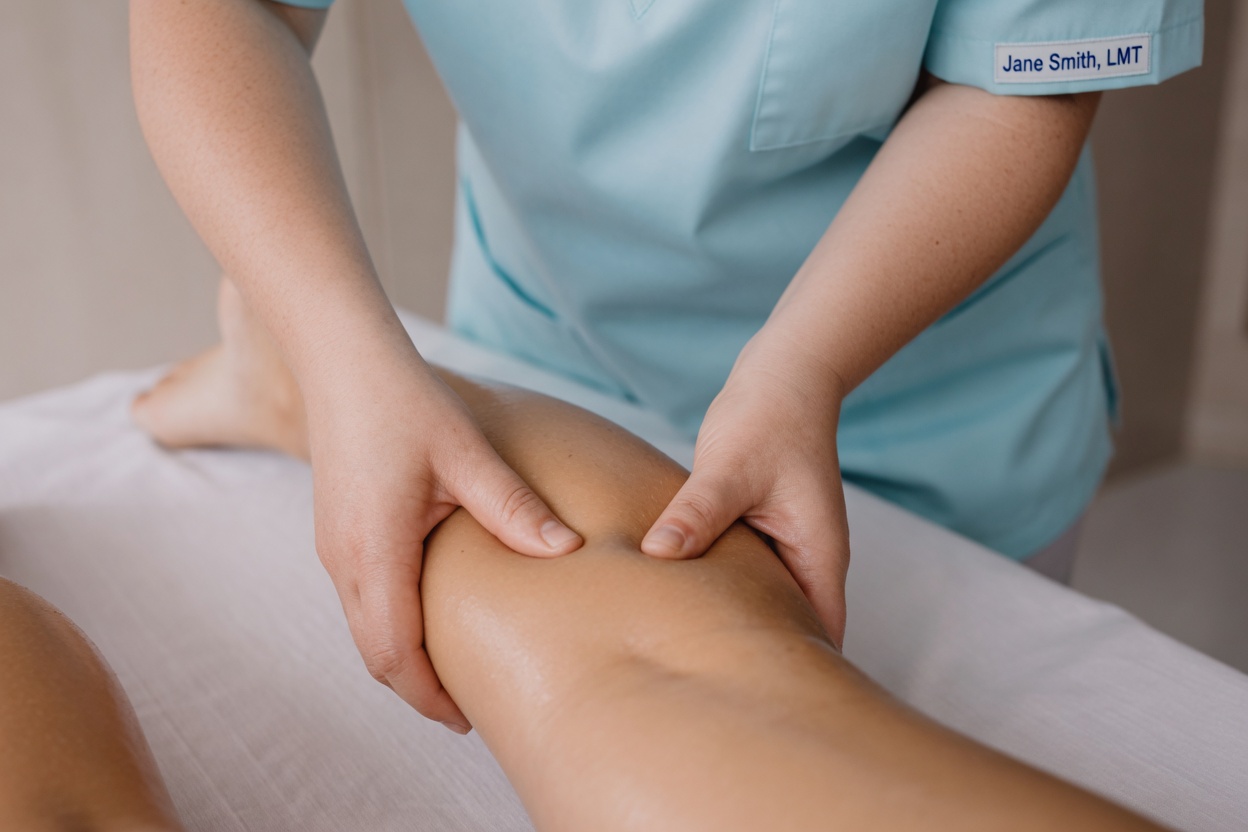
4. Try Gentle Upward Massage (With Care)
After a busy day, calf tension can intensify soreness. A light massage can encourage relaxation and temporary fluid movement, which may help reduce the feeling of tightness.
Some massage research suggests gentle techniques may briefly reduce swelling and support comfort in legs affected by venous issues.
Safer technique tips:
- Use very light pressure and move from ankle upward
- Apply a natural oil (such as coconut), optionally with a calming scent like lavender
- Do not massage directly over raised, prominent veins
3. Consider Natural Topicals or Supplements (Horse Chestnut, Witch Hazel)
Some people find witch hazel soothing and cooling when applied to irritated skin near affected areas. Horse chestnut seed extract has also been studied for potential vein-supporting properties.
Early and traditional use suggests these options may help with minor swelling, leakage, and inflammation associated with varicose veins—though product quality and individual response vary.
- Use witch hazel with a soft cloth (cooling it first may feel more comforting).
- If considering horse chestnut supplements, choose standardized products and speak with a healthcare professional first, especially if you take medications.
2. Reduce Long Periods of Sitting or Standing (Micro-Break Strategy)
Even if you eat well and exercise, symptoms can flare when you stay in one position too long. Prolonged sitting or standing can increase venous pressure in the legs, contributing to swelling and discomfort.
A simple approach is to build micro-breaks into your day:
- Stand up and walk for 2–3 minutes every 30–60 minutes
- Flex and point your ankles while seated
- Shift weight and do gentle calf raises if you must stand in place
This habit pairs especially well with compression socks and hydration.
1. Add Circulation-Supporting Spices Like Garlic and Cayenne
Many people report that this dietary shift feels like a turning point. Garlic and cayenne contain compounds studied for their relationship with vascular function and blood flow. Used regularly in small amounts, they may support circulation and help reduce the “heavy legs” feeling often tied to varicose veins.
Ways to use them:
- Add fresh minced garlic to soups, salads, and roasted vegetables
- Use a small pinch of cayenne in sauces, stews, or warm tea
- Start with a low amount to adjust to taste and heat
Putting It Into Practice: Simple Steps You Can Start Today
You don’t need to do everything at once. Pick one or two habits that feel realistic—such as better hydration and daily walking—and build gradually. For many people managing varicose veins, consistency is what brings the most noticeable improvement in comfort.
Track how your legs feel week by week. When multiple strategies are combined, people often report lighter legs and less evening swelling within several weeks.
Frequently Asked Questions
What causes varicose veins?
Varicose veins commonly develop when vein valves weaken, allowing blood to flow backward and pool—especially with long periods of standing or sitting. This can lead to visible, twisted veins and symptoms like heaviness, aching, and swelling.
Are these natural approaches safe for everyone?
Many are gentle lifestyle habits, but individual health conditions and medications matter. Always consult a clinician before using supplements (such as horse chestnut) or if you have underlying medical concerns.
When should I see a healthcare provider?
Seek medical advice if you experience persistent pain, worsening swelling, skin discoloration or breakdown, warmth/redness, or any signs of complications.
Medical Disclaimer
This article is for informational purposes only and does not replace professional medical advice, diagnosis, or treatment. Always consult a qualified healthcare provider before making changes to your health routine or starting supplements.