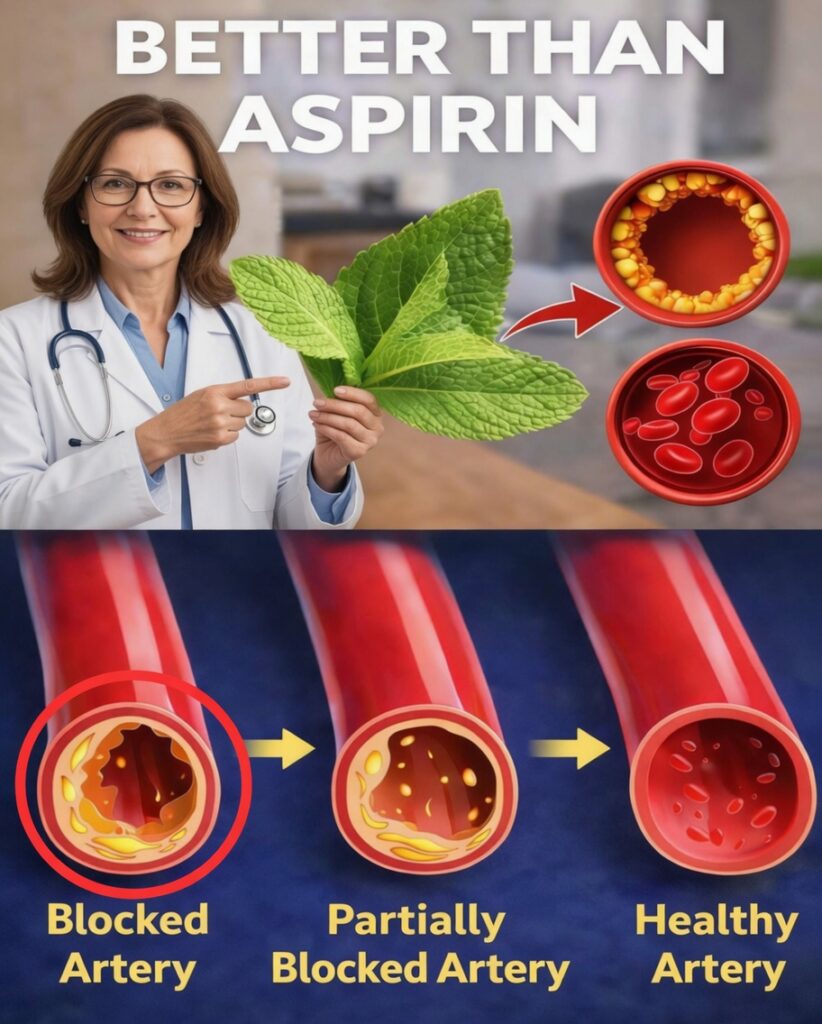
Many adults over 50 start noticing small but telling shifts—getting short of breath after routine chores, or feeling leg fatigue sooner than they used to. Often, these changes connect to how your arteries age. Over time, plaque made from cholesterol and fats can accumulate quietly, narrowing the “routes” blood uses to travel through your body. That can make everyday movement feel harder and may raise long-term concerns about heart health.
The encouraging news is that daily food choices can support healthier circulation by providing naturally occurring nutrients linked to better vessel function. Stay with this guide—at the end, you’ll find one simple, research-backed swap associated with measurable improvements in artery health markers.
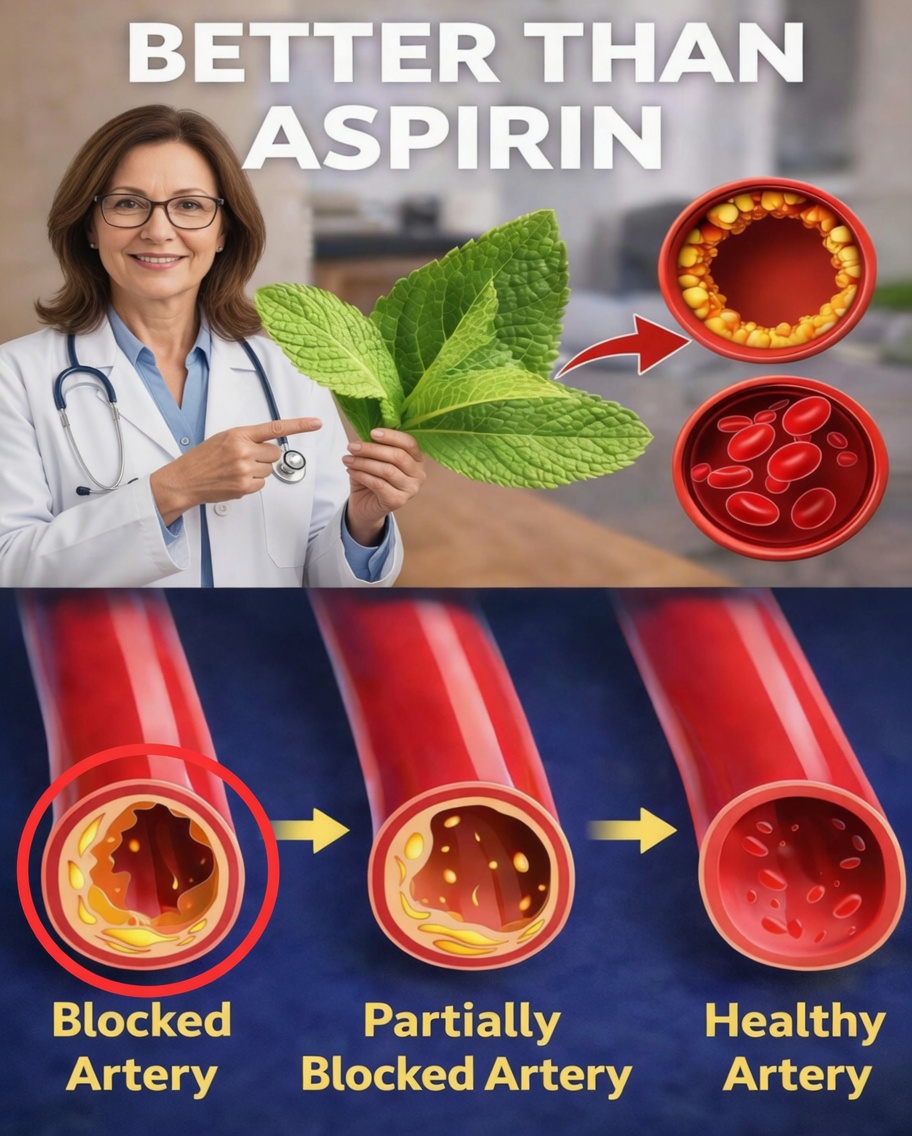
The Hidden Problem Forming Inside Your Arteries
Think of arteries as the body’s high-speed transport system for oxygen-rich blood. As years pass, “debris” such as cholesterol can adhere to artery walls. This gradual process—called atherosclerosis—can progress for a long time without obvious symptoms. Organizations including the American Heart Association warn that reduced blood flow may show up later as fatigue, heaviness, or discomfort.
If climbing stairs feels more difficult lately, a slow narrowing of the arteries may be part of the picture. Diet also matters: patterns high in heavily processed foods can accelerate plaque buildup, while nutrient-dense whole foods may help counter some of the drivers behind it.
Some research suggests as many as half of adults over 50 may have some degree of plaque accumulation. Despite that, many people still underestimate how strongly everyday eating habits can influence artery health.
The upside: small, consistent adjustments can add up over time.
Why Low-Dose Aspirin Isn’t a Universal Long-Term Solution
For decades, many people used low-dose aspirin to support heart health because it reduces platelet “stickiness,” which can lower clotting risk. However, updated guidance from groups such as the U.S. Preventive Services Task Force indicates that for adults without a prior cardiovascular event, routine aspirin use may bring downsides—especially after age 60—including stomach irritation and increased bleeding risk.
This is where nutrition becomes especially interesting. Certain foods contain naturally occurring compounds—such as salicylates and anti-inflammatory nutrients—that may offer gentle support for circulation and vascular function, without the same risk profile.
Scientific literature, including work published in journals such as the Journal of the American College of Cardiology, suggests that diet-based strategies can support cardiovascular markers in meaningful ways. This isn’t a replacement for prescribed treatment—rather, it can be a practical, long-term complement for many people.
So which foods have the best evidence behind them? Let’s count them down.
Countdown: 9 Foods Linked to Better Artery Function
These “everyday staples” provide nutrients associated with healthier blood vessels, including improved cholesterol balance, reduced inflammation, and better endothelial (artery lining) function.
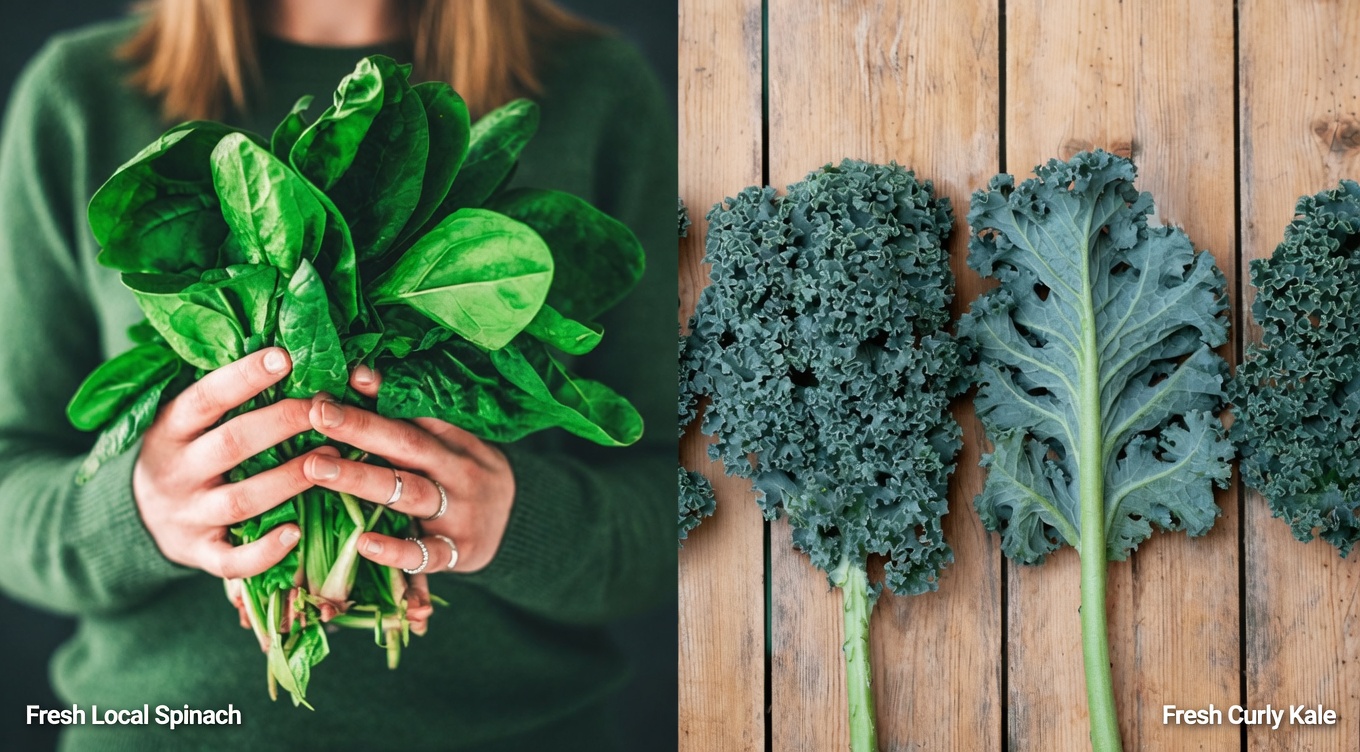
9) Leafy Greens (Spinach, Arugula, Kale)
Leafy greens are rich in dietary nitrates, which the body can convert into nitric oxide—an important molecule that helps blood vessels relax. Research published in sources such as the European Journal of Nutrition links regular intake of leafy greens with improved vascular health.
Easy ways to use them:
- Add a handful to smoothies
- Build salads around spinach or arugula
- Toss greens into soups near the end of cooking
8) Garlic
Garlic contains allicin, a compound studied for its potential role in supporting healthy circulation. Research in publications such as Molecular Nutrition & Food Research suggests garlic may offer mild blood-flow and anti-inflammatory benefits.
Best tip: crush or chop fresh garlic and let it sit briefly before cooking to help activate key compounds.
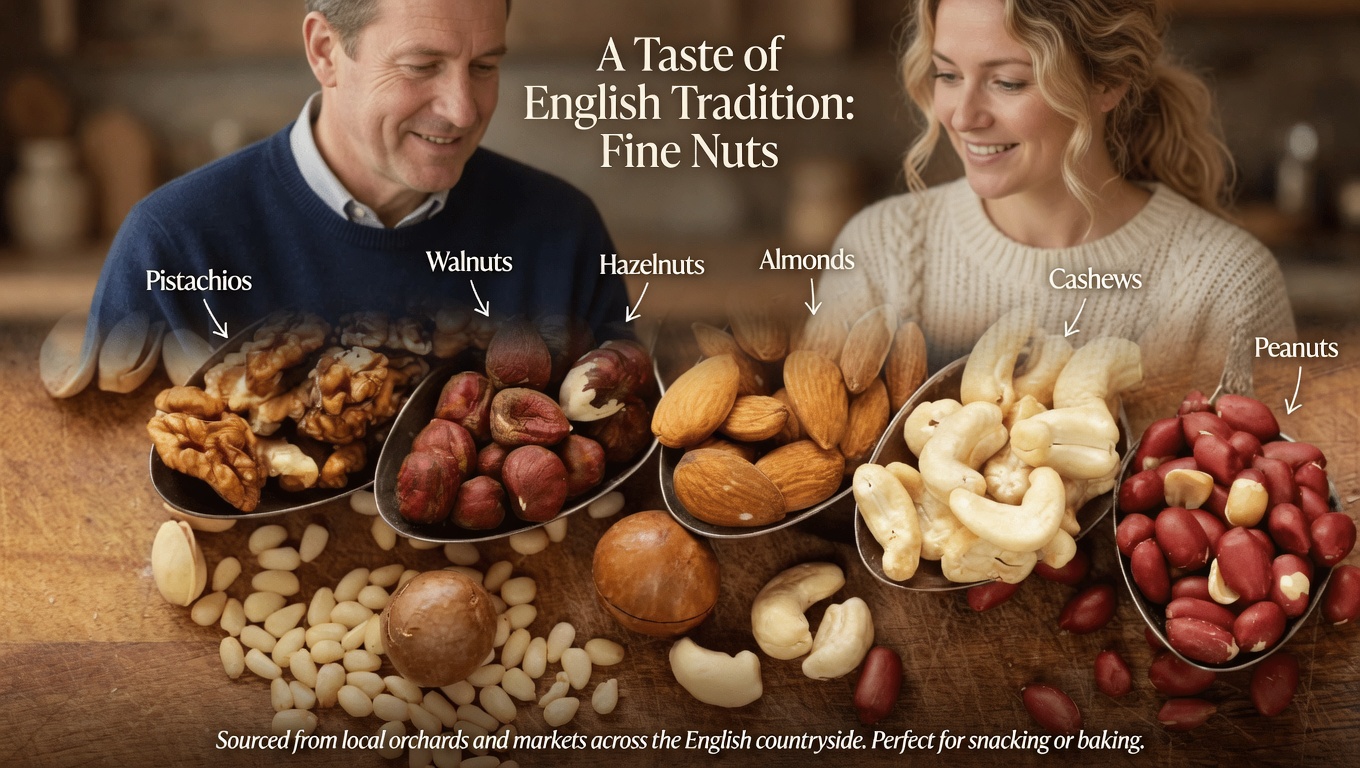
7) Nuts (Especially Almonds and Walnuts)
Nuts provide unsaturated fats and antioxidants like vitamin E, which may help reduce oxidative stress involved in plaque formation. Large-scale research, including findings reported by the New England Journal of Medicine, links regular nut intake with improved cardiovascular outcomes.
Practical portion: about 1 ounce (a small handful) per day.
6) Avocados
Avocados are rich in monounsaturated fats, which can support healthier cholesterol patterns. Studies in journals such as the American Journal of Clinical Nutrition have associated avocado-inclusive diets with improvements in cardiovascular risk markers.
Simple uses:
- Slice into salads
- Mash onto whole-grain toast
- Blend into dressings for creaminess
5) Oats and Other Whole Grains
Oats contain soluble fiber (notably beta-glucan), which can bind cholesterol in the digestive tract and reduce absorption. Heart-health resources, including Harvard Health, frequently highlight oats as a strong foundation for cholesterol-friendly eating.
Easy start:
- Oatmeal for breakfast
- Add oats to smoothies
- Choose whole-grain breads and brown rice more often
4) Extra-Virgin Olive Oil
Extra-virgin olive oil delivers polyphenols, antioxidant compounds strongly associated with vascular support. Mediterranean-style diet research links olive oil intake with slower progression of plaque-related changes.
Use it well:
- Drizzle over vegetables and beans
- Use in salad dressings
- Choose extra-virgin for higher polyphenol content
3) Fatty Fish (Salmon, Sardines, Mackerel)
Fatty fish provide omega-3 fatty acids, which have been linked to reduced inflammation and improved plaque stability. Studies published in journals such as Circulation support omega-3s for cardiovascular health markers.
A common evidence-based target: two servings per week, choosing low-mercury options like salmon.
2) Beans and Legumes (Lentils, Chickpeas, Black Beans)
Beans are packed with fiber and plant compounds associated with better cholesterol and metabolic markers. Large population research, including studies published in The Lancet, connects legume-rich diets with lower cardiovascular risk.
Simple upgrades:
- Add beans to salads
- Stir lentils into soups
- Swap some meat meals for bean-based bowls
1) Berries (Blueberries, Strawberries, Raspberries)
Berries contain flavonoids and other polyphenols that have been associated with better endothelial function and reduced inflammation markers. Research in the American Journal of Clinical Nutrition supports berries as a practical food for cardiovascular support.
Quick ideas:
- Mix into yogurt
- Add to oatmeal
- Use frozen berries in smoothies
These foods work best as a pattern, not as isolated “superfoods.”
How Food Choices Can Counter Common Artery Stressors
Below is a simple way to connect everyday risks with foods that may help support the body’s defenses:
- High intake of processed fats and added sugars
- Support options: berries and oats (antioxidants + soluble fiber)
- Diet-driven inflammation
- Support options: salmon and olive oil (omega-3s + polyphenols)
- Oxidative stress
- Support options: nuts and leafy greens (vitamin E + nitrates)
- Platelet overactivity (“stickiness”)
- Support options: garlic and berries (naturally occurring bioactive compounds)
- Cholesterol accumulation
- Support options: avocados and beans (healthy fats + fiber)
Consistency matters most—benefits are typically associated with steady habits over months, not days.
Real-Life Examples: When Small Tweaks Add Up
Maria, a 55-year-old teacher with a family history of heart problems, began eating salmon twice weekly and adding berries to breakfast. After a few months, she reported improved day-to-day energy, and her routine checkups showed positive trends in several cardiovascular markers.
Tom, 68, stopped taking daily aspirin after dealing with side effects. He shifted toward a Mediterranean-style approach: extra-virgin olive oil in dressings and a daily handful of nuts. Over time, he noticed walking felt more comfortable and sustainable.
These stories echo findings from major Mediterranean diet research (including work published by the New England Journal of Medicine) linking this eating pattern to meaningful reductions in cardiovascular risk.
Individual results vary, but gradual progress is common when changes are realistic and consistent.
Simple, Safe Ways to Add These Foods to Your Routine
Make changes one step at a time so they actually stick:
- Swap cooking fats
- Use extra-virgin olive oil instead of butter or shortening for one meal per day.
- Upgrade snacks
- Choose berries or a small handful of nuts in the afternoon (about 1 ounce for nuts).
- Strengthen your main meals
- Bake or grill salmon twice per week; season with fresh garlic and pair with greens.
- Improve breakfast
- Build a bowl: oats + berries + nuts, and add avocado on the side if desired.
- Add legumes gradually
- Start with ½ cup of beans or lentils in soups, salads, or grain bowls.
Important safety note: If you take blood thinners, have bleeding risks, or use blood-pressure medications, speak with a clinician before making major dietary changes—especially with higher garlic intake or large increases in omega-3 consumption.
Start Now—Your Arteries Benefit From Today’s Choices
Supporting artery health through daily nutrition is a research-supported approach that can help address inflammation, oxidative stress, and blood-flow function. Among the strongest, easiest options to prioritize are:
- Berries for flavonoid-rich vascular support
- Extra-virgin olive oil for antioxidant polyphenols
- Salmon for omega-3 fats linked to healthier inflammation balance
And the simple swap teased at the beginning: switching to extra-virgin olive oil as your daily primary fat has been associated in clinical research with improved artery-related markers compared with more refined or saturated fat choices.