
Why Your Gut Feels Sluggish in the Morning
A lot of people wake up feeling heavy, bloated, or mildly uncomfortable—almost like their digestion hasn’t “started” yet. This morning sluggishness is often tied to simple daily factors such as overnight dehydration, limited movement, or a routine that doesn’t support natural bowel motility. When digestion feels slow first thing in the day, it can affect comfort, mood, and energy, turning mornings into an ongoing annoyance.
The good news is that small, consistent habit changes can gently support digestive flow. With the right approach, you may notice a lighter, more comfortable start to your day.

Occasional Constipation: A Common (and Often Lifestyle-Related) Issue
Occasional constipation is extremely common in adults and is frequently connected to everyday habits rather than age alone. Data referenced by organizations such as the National Institutes of Health suggests that roughly 16% of adults deal with constipation on a persistent basis, and the rate tends to increase with age.
Several well-known triggers can slow digestion, including:
- Not drinking enough fluids
- Low dietary fiber intake
- High stress levels
- Sitting for long periods and low activity
Your body already has natural elimination processes, but they work best when supported regularly. If you only reach for quick fixes without addressing the underlying contributors, the results are often temporary. A more sustainable path usually starts with hydration and gentle, consistent stimulation.
The Digestive Power of Hydration and Fiber
Water plays a major role in keeping stool soft. As waste moves through the colon, the body absorbs water—so when you’re under-hydrated, stool can become harder and more difficult to pass. Nutrition research frequently highlights that getting enough fluids early in the day can support normal transit.
When you pair hydration with soluble fiber, it can help create a softer, gel-like texture that may encourage smoother passage without harsh stimulation.
Fiber also supports gut health in another important way: it feeds beneficial microbes. A healthier, more diverse microbiome is often linked to:
- Better regularity
- Less bloating
- More efficient digestion
This isn’t about extreme detoxes or drastic changes. It’s about matching daily habits to what your digestive system needs to function comfortably.
Real-Life Examples: Small Tweaks That Support Better Digestion
Lifestyle changes don’t need to be complicated to be effective. For instance:
- Mark, 58, noticed his digestion felt slower as his routines changed over time. By increasing water intake and adding more fiber-rich foods, he gradually felt more comfortable day to day.
- Sarah, 46, struggled with travel-related bloating and irregularity. She found that prioritizing warm fluids and including fermented foods helped her stay more balanced on the road.
These kinds of experiences match what many digestive health studies suggest: habit-based interventions often provide more lasting support than relying only on fast-acting solutions.
Natural Morning Ingredients That May Provide Gentle Support
A simple drink built on classic wellness principles often includes ingredients known for digestive support:
- Warm water: helps rehydrate the body after sleep and may encourage natural digestive reflexes
- Fresh lemon juice: provides citrus compounds that can stimulate upper digestive secretions in some people
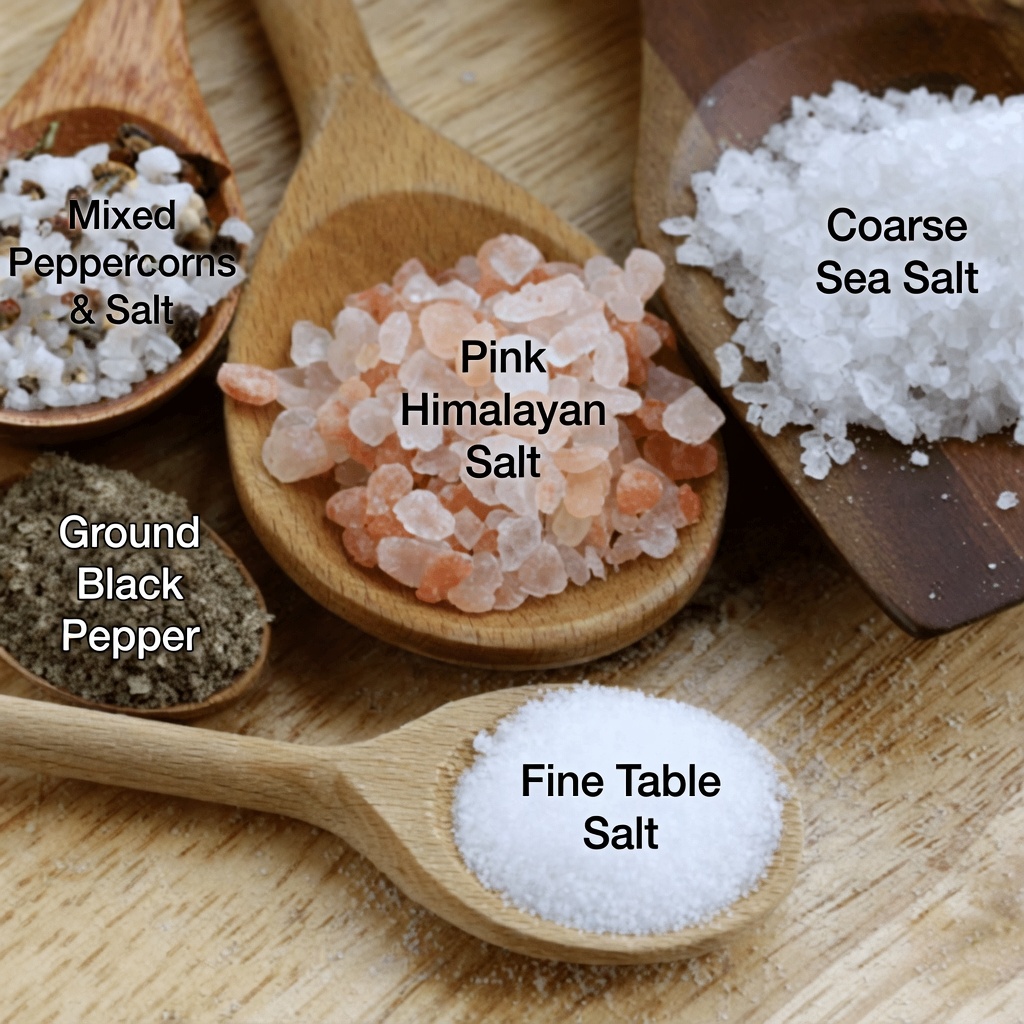
- Mineral salt (small amount): may help draw water into the intestines; use cautiously and sparingly
- Psyllium husk: a well-studied bulk-forming fiber that supports stool volume and softness
This combination is inspired by traditional routines and supported primarily by hydration and fiber research. Still, it’s best viewed as occasional support, not an everyday requirement. For long-term results, daily fiber should come mainly from whole foods.
How to Make the Morning Drink (Step by Step)
Use this simple routine for occasional digestive support:
- Pour 1 liter of warm (not hot) filtered water into a large glass or bottle.
- Add 2 teaspoons of mineral salt and stir until fully dissolved.
- Squeeze in the juice of half a fresh lemon, then mix well.
- Add 1 tablespoon of psyllium husk powder, stirring quickly to reduce clumping.
- Drink it promptly on an empty stomach, ideally right after waking.
- Follow with light movement, such as a gentle walk, to encourage natural motility.
- Continue drinking water throughout the day to maintain hydration.
This routine takes roughly 10 minutes and uses widely available ingredients. If you’re new to psyllium or fiber supplements, start with a smaller amount to assess tolerance.
Benefits of Consistent Gut-Supporting Habits (Beyond Any Drink)
When digestion improves, people often notice secondary benefits that go beyond comfort:
- More stable energy: smoother elimination may reduce the “heavy” feeling that can contribute to sluggishness
- Better stress resilience: the gut-brain axis means stress can affect motility; calmer routines often help
- Potential microbiome support: pairing gut-friendly habits with probiotic foods may enhance balance
Research in psychosomatic medicine frequently links stress reduction practices (like deep breathing and mindfulness) with improved digestive function in many individuals.
Natural Routine vs. Common Alternatives
Here’s a clear comparison of popular approaches:
-
Natural morning drink routine
- Strengths: combines hydration, fiber, and gentle stimulation; supports rhythm-based regularity
- Limitations: requires preparation; not intended for daily use
-
Over-the-counter laxatives
- Strengths: fast relief; easy to access
- Limitations: may contribute to dependency; doesn’t address root causes
-
Increasing dietary fiber from food
- Strengths: best for long-term digestive health; supports overall nutrition
- Limitations: requires consistency and time before results are noticeable
-
Probiotic supplements
- Strengths: convenient way to support gut bacteria
- Limitations: effects vary; strain choice matters and may require guidance
Many gastroenterology-focused publications emphasize that lifestyle strategies tend to be more sustainable than isolated remedies.
Daily Habits That Help Maintain Regularity
For ongoing digestive support, consider building these research-aligned habits:
- Eat 25–40 grams of fiber per day (oats, berries, beans, leafy greens, vegetables)
- Drink at least 2 liters of water daily, spaced throughout the day
- Add probiotic foods a few times per week (yogurt, kefir, sauerkraut, kimchi)
- Move your body daily (even a 20-minute walk can support intestinal contractions)
- Reduce stress with simple techniques (deep breathing, short mindfulness sessions)
Conclusion: Small Changes, Long-Term Comfort
A warm morning drink made with water, lemon, mineral salt, and psyllium may offer gentle, occasional support for digestive regularity—especially when combined with a broader routine focused on hydration, fiber, movement, and stress management. Paying attention to your body’s signals and building sustainable habits is often the most effective way to feel lighter and more comfortable over time.
Frequently Asked Questions (FAQ)
-
Can I try this if I have a medical condition?
Speak with a healthcare professional first—especially if you have kidney disease, high blood pressure, heart conditions, electrolyte concerns, or GI disorders. They can help determine whether the salt and fiber amounts are safe for you. -
How often should I use this drink?
This approach is typically best for occasional use, such as 1–2 times per week when needed. For everyday digestive health, rely primarily on diet, hydration, and movement. -
Can I swap ingredients?
Minor substitutions are possible (for example, sea salt in place of mineral salt or lime instead of lemon). If you have sensitivities, test small amounts first and avoid aggressive modifications.
Disclaimer: This article is for informational purposes only and does not replace professional medical advice. Always consult a qualified healthcare provider for personalized guidance.