Maintaining stable blood sugar can be tough in a busy, snack-filled routine—one minute you feel fine, the next you’re dealing with cravings and an energy slump. At the same time, keeping hair glossy and resilient often feels like an uphill battle when stress, diet, and environmental exposure lead to dryness, breakage, and dullness.
Now imagine adding one simple tropical fruit to your lifestyle—one that brings valuable nutrients and plant compounds that may support both everyday energy balance and hair vitality. And at the end, there’s an unexpected twist on a traditional practice that could become a favorite natural wellness habit.
What Makes Guava So Healthy?
Guava (Psidium guajava) is widely appreciated as a nutrient-dense tropical fruit that’s easy to find and simple to add to meals and snacks.
One of guava’s standout features is its exceptionally high vitamin C content. A single cup (about 165 g) delivers roughly 376 mg of vitamin C, which is more than four times the typical daily recommended intake. Vitamin C supports many normal body functions and is also important for collagen formation.
Guava is also naturally high in dietary fiber, offering about 9 grams per cup, which can support digestion and help you feel satisfied longer.
Beyond vitamins and fiber, guava contains antioxidant compounds—such as flavonoids and phenols—that help defend cells from everyday oxidative stress. It also provides helpful minerals, including potassium and magnesium, which contribute to normal metabolic processes.
Key Guava Nutrients per 1 Cup (165 g)
- Vitamin C: 376 mg (over 400% DV)
- Fiber: 8.9 g (32% DV)
- Potassium: 688 mg (15% DV)
- Folate: 81 mcg (20% DV)
- Protein: 4.2 g
This impressive profile helps explain why guava has long been valued in traditional wellness practices.
How Guava May Support Balanced Blood Sugar
Many people look for food-based strategies to avoid sharp energy swings throughout the day. Guava may be helpful here largely because of its fiber content, which can slow the rate at which sugars are absorbed after eating.
Some research suggests guava intake may be linked to improved glucose handling, potentially due to pectin (a type of soluble fiber) that can delay glucose uptake in the intestines. There’s also interest in guava leaves, which contain plant compounds such as quercetin—studied for possible effects on how the body processes glucose in both animal and human research.
For anyone exploring natural dietary support, adding guava to meals or snacks can be an easy step. Pairing it with other fiber-rich foods may make it even more satisfying and supportive.
Guava and Hair Health
Healthy hair isn’t only about what you apply externally—nutrition and scalp care matter too.
Guava (especially guava leaves in traditional use) has been associated with supporting scalp circulation and hair strength. Guava’s vitamin C also supports collagen production, which plays a structural role in hair and skin.
In addition, guava contains antioxidants that may help protect hair follicles from oxidative stress. Some studies examining guava leaf extract suggest it could support hair growth by limiting free-radical activity. Plant compounds such as gallic acid and quercetin may also contribute to overall scalp comfort and balance, which is one reason guava-based topical routines remain popular in several cultures.
Because guava leaves are often accessible and plant-based, they’re also a convenient ingredient for at-home hair care.
Top Benefits Commonly Attributed to Guava for Wellness
Based on its nutrient makeup and traditional use, guava is often associated with a wide range of wellness-supporting properties, including:
- Helping slow glucose absorption thanks to fiber
- Supporting post-meal energy steadiness
- Providing antioxidants for everyday cellular protection
- Contributing to immune function through vitamin C
- Supporting digestion with high fiber intake
- Providing nutrients that may contribute to stronger hair
- Traditionally used to encourage scalp circulation
- Supporting collagen formation (important for hair structure)
- Potentially supporting a healthy inflammatory response
- Assisting normal metabolic functions through minerals like potassium and magnesium
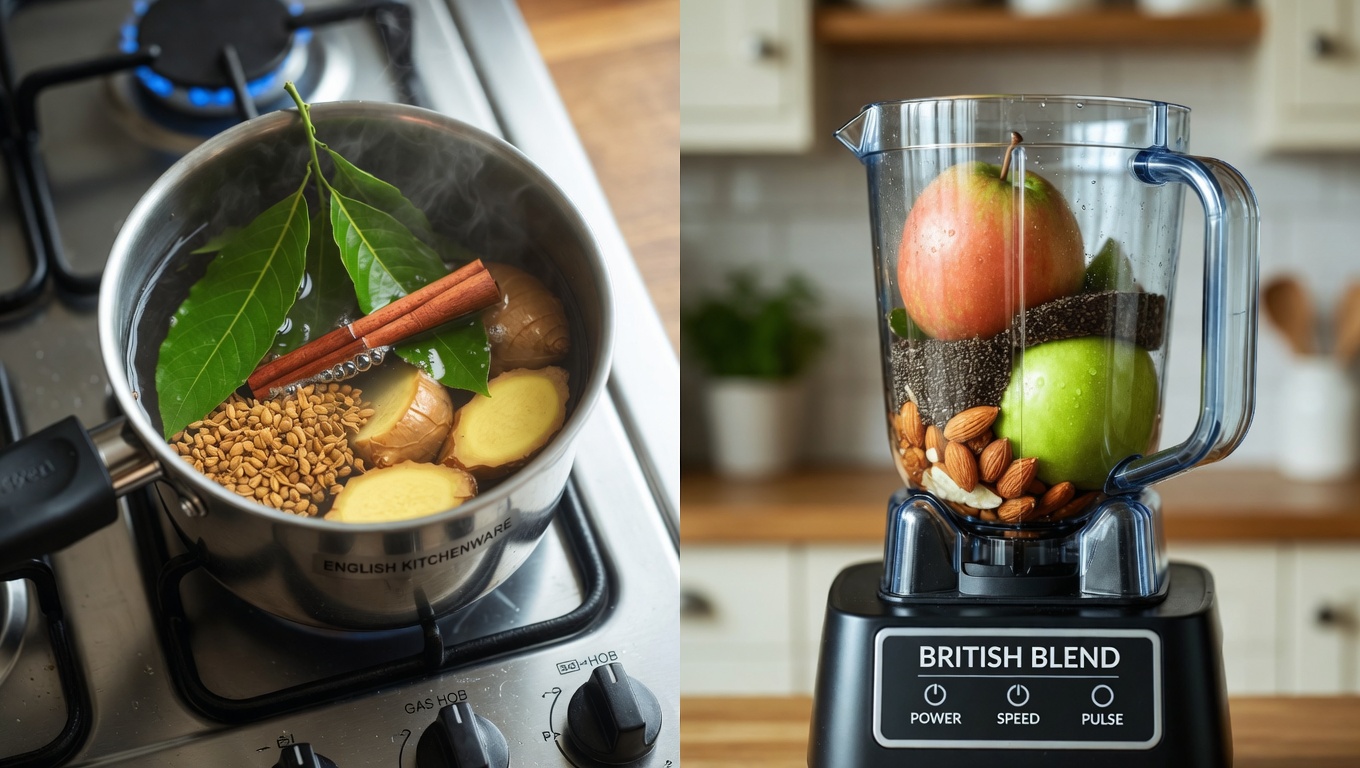
Recipe #1: Guava Leaf Metabolic Tea
This simple herbal tea combines guava leaves with warming spices often used in traditional routines.
Ingredients
- 7 fresh guava leaves
- 1 small cinnamon stick
- 1 tsp fenugreek seeds
- 1 slice fresh ginger
- 2 cups water
Steps
- Rinse all ingredients thoroughly.
- Bring the water to a boil.
- Add guava leaves, cinnamon, fenugreek, and ginger.
- Simmer on low heat for 10 minutes.
- Strain and let it cool slightly before drinking.
How to use: Drink one cup in the morning and a second cup after a meal for up to 10 days, as part of a balanced routine.
Recipe #2: Guava Functional Smoothie
A smoothie is an easy way to add guava’s fiber and micronutrients to your morning.
Ingredients
- 1 ripe guava (with skin)
- 1 tbsp chia seeds
- ½ green apple
- 1 tsp cinnamon
- 1 cup water or plant-based milk
- A few almonds
Steps
- Wash and chop the guava and apple.
- Add all ingredients to a blender.
- Blend until smooth, adding more liquid if needed.
How to use: Enjoy 3–4 times per week as a breakfast option. The combination of chia and guava can make it especially filling.
Recipe #3: Guava Leaf Hair Tonic
This scalp tonic is simple to make and works well as a refreshing add-on to a hair care routine.
Ingredients
- 10 guava leaves
- 1 sprig rosemary
- 1 tbsp cloves
- 2 cups water
Steps
- Rinse the leaves and herbs.
- Boil the water, then add all ingredients.
- Simmer for 15 minutes.
- Cool, strain, and pour into a clean bottle.
How to use: Apply to a clean scalp, massage gently, and leave it on. Use 2–3 times weekly.
Recipe #4: Nourishing Guava Hair Mask
If your hair feels dry or lacks shine, this mask adds moisture-focused ingredients to guava fruit.
Ingredients
- Flesh of 1 ripe guava
- 1 tbsp castor oil
- 1 tbsp aloe vera gel
- 1 tsp honey
- Optional: 1 vitamin E capsule
Steps
- Mash the guava flesh until smooth.
- Mix in castor oil, aloe vera gel, honey, and vitamin E (optional).
- Stir until creamy.
How to use: Apply to hair and scalp, cover with a cap for 40 minutes, then rinse with a mild shampoo. Use weekly.
Precautions to Keep in Mind
Natural remedies still deserve a cautious approach:
- Pay attention to how your body responds, especially if you have allergies or sensitivities.
- If you are pregnant, breastfeeding, or managing a medical condition, consult a qualified healthcare professional before trying new herbal routines.
- These ideas are meant for general wellness exploration and are not a replacement for medical care.
Conclusion
Guava offers a practical, affordable way to bring more fiber, vitamin C, antioxidants, and minerals into your lifestyle—nutrients that may support steadier blood sugar patterns and healthier-looking hair. By testing simple recipes like guava leaf tea, a fiber-rich smoothie, and guava-based hair care, you can explore how plant-forward habits fit into your routine.
Consistency matters most, especially when paired with a balanced diet. And the surprising twist? The guava leaf hair tonic is inspired by ancient Thai traditions, offering more than just scalp support—it may also open the door to a deeper appreciation for botanical wellness.
FAQ
Can guava be part of a daily diet for energy management?
Yes. Thanks to its fiber and nutrient density, guava can be a smart addition to meals or snacks for people aiming to support steadier energy. Some research suggests it may help with glucose absorption when eaten regularly as part of a balanced diet.
How do I source guava leaves for recipes?
You can often find guava leaves at local markets, specialty grocers, or by growing a guava plant at home. Choose leaves that are clean and free from pesticides, and wash them thoroughly before use.