
Supporting Energy and Healthy Aging with Everyday Foods
Many people notice their energy dipping or feel concerned about staying focused as they get older. These changes can make everyday life feel more demanding and less enjoyable. The good news: a growing body of research suggests that simple, realistic food choices may support the body’s built-in renewal and maintenance systems—helping you feel more resilient over time. Even more intriguing, this idea connects directly to Nobel Prize–recognized science in a way that surprises many readers.

The Quiet Nutrition Shift in Modern Diets
Modern schedules often reward convenience, which can lead to frequent reliance on highly processed meals. While easy, these options may be lower in key nutrients found in whole plant foods.
Researchers have also observed that certain naturally occurring compounds in the body decline with age—among them polyamines, including spermidine. When levels drop, cells may not perform routine “housekeeping” as efficiently.
In contrast, many centenarians living in so-called Blue Zones (regions known for unusually high longevity) commonly eat diets rich in plant-based staples—foods that tend to provide more of these helpful compounds.
The takeaway is encouraging: small, consistent adjustments may matter more than dramatic dietary overhauls.
Why “Cellular Cleanup” Matters for Daily Vitality
Think of your cells as having an internal recycling and repair program that helps remove worn-out components so the system can keep running smoothly. This process is called autophagy.
Autophagy became widely recognized after Yoshinori Ohsumi’s Nobel Prize–winning discoveries (2016) clarified fundamental mechanisms behind this cellular maintenance pathway.
Current research suggests that dietary spermidine, naturally present in common foods, may help support this internal cleanup process—potentially contributing to healthier aging. The most practical part: you don’t need exotic superfoods. Many options are standard grocery items.
Natural Food Sources of Spermidine to Prioritize
A number of spermidine-rich foods overlap with the staples often seen in longevity-focused eating patterns:
- Wheat germ
- Soybeans and soy foods
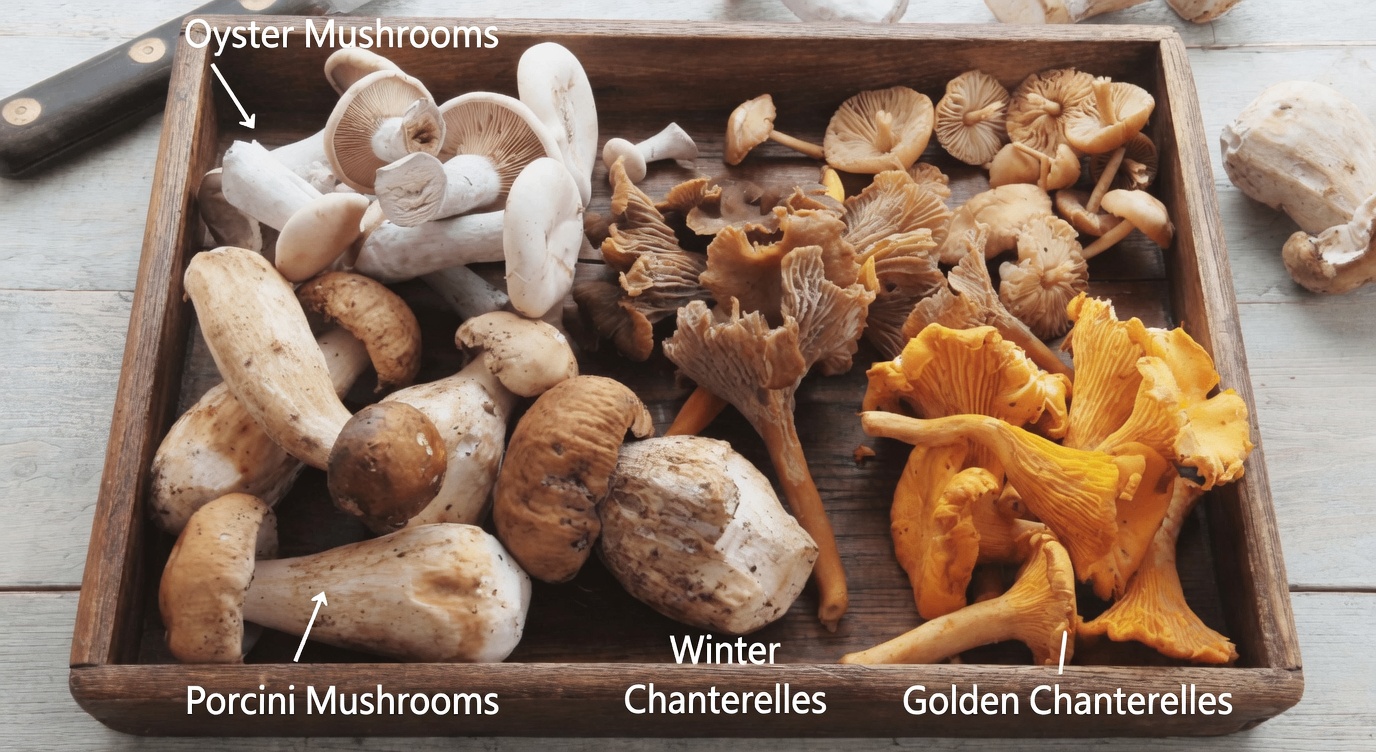
- Mushrooms
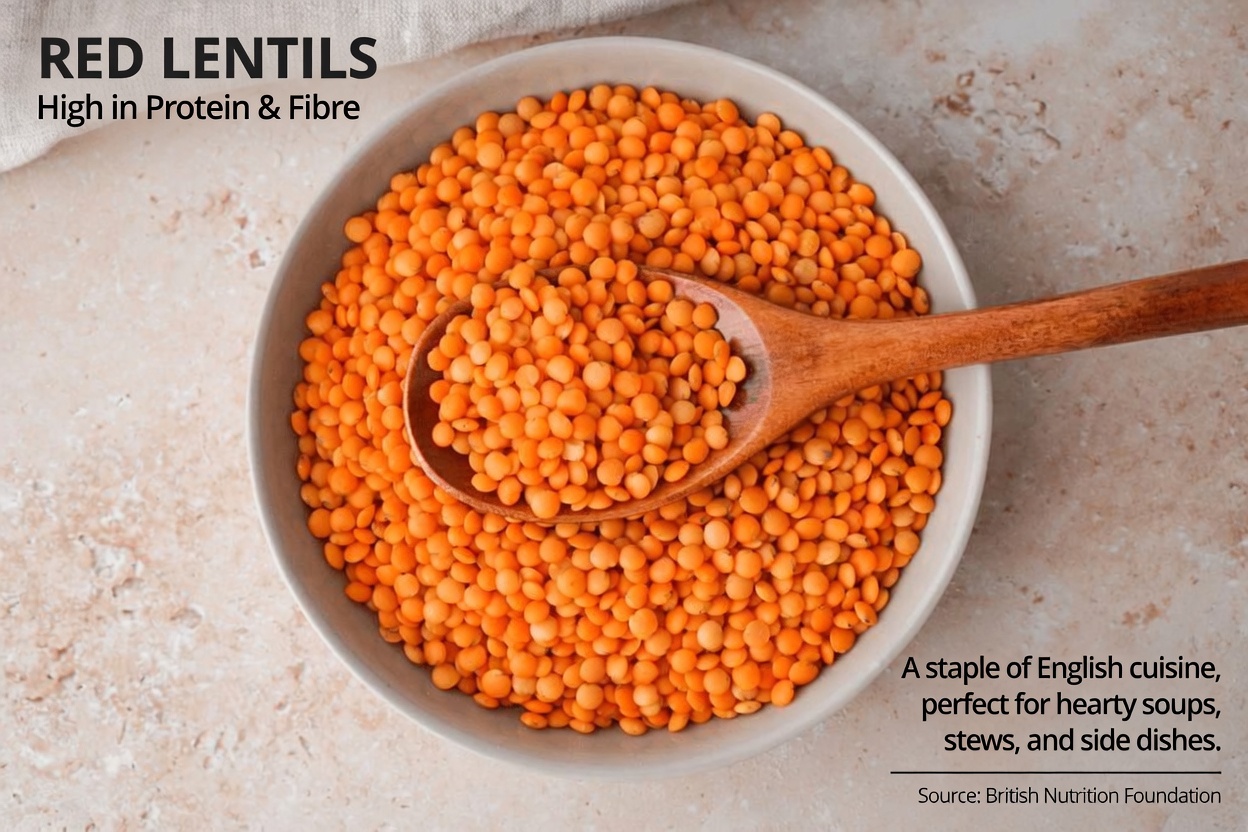
- Legumes (beans, lentils, chickpeas)
- Whole grains
- Some aged or fermented foods
Population observations have linked higher intake of these foods with potential long-term health advantages. Rather than relying on supplements, many people prefer whole foods because they also deliver fiber, micronutrients, and other beneficial compounds in a balanced package.
Quick Reference Table
| Food Group | Key Examples | Typical Spermidine Level | Extra Benefits | Simple Serving Idea |
|---|---|---|---|---|
| Legumes | Soybeans, chickpeas, lentils | High | Fiber for gut and metabolic health | 1/2 cup cooked |
| Vegetables | Broccoli, mushrooms, leafy greens | Moderate to high | Antioxidants, phytonutrients | 2–3 cups/day |
| Grains | Wheat germ, whole grains | Very high (wheat germ) | Steady energy, fiber | 1–3 tbsp wheat germ |
| Aged/Fermented | Aged cheese, fermented soy | High | Flavor, possible probiotic support | ~1 oz cheese |
| Nuts & Fruits | Citrus, apples, mixed nuts | Moderate | Healthy fats (nuts), micronutrients | Small handful of nuts |
9 Simple Foods to Add to Your Routine (Ranked)
Food quality and consistency matter more than perfection. Here are nine practical options often discussed in the research around polyamines and healthy aging:
-
Beans (daily staple)
- A cornerstone in many Blue Zones eating patterns and commonly associated with longevity markers.
-
Wheat germ (easy nutrient boost)
- Simple to sprinkle into yogurt, oatmeal, or smoothies for a concentrated addition.
-
Aged cheese (small amounts)
- Adds flavor and polyamines; moderation is key, especially for saturated fat and sodium.
-
Broccoli (supportive phytonutrients)
- Contains compounds like sulforaphane, often studied for how they may complement cellular protective pathways.
-
Whole grains (gut-friendly choice)
- Options like oats and barley support beneficial gut microbes through their fiber content.
-
Soy foods (versatile and nutrient-dense)
- Tofu, tempeh, and edamame provide plant protein and are easy to use in many cuisines.
-
Mushrooms (unique compounds)
- Known for bioactive components that may support immune function and overall wellness.
-
Leafy greens (brain-supportive nutrients)
- Greens like spinach provide folate, which is important for cognitive health.
-
Lentils (steady energy and balance)
- A practical source of plant protein and fiber; legumes are often linked with metabolic support.
A simple “Blue Zones–style” pattern to remember
- Beans and legumes most days
- Plenty of vegetables and leafy greens
- Whole grains instead of refined grains
What People Often Notice After Shifting Toward Whole Foods
Many individuals report improvements after moving from frequent convenience meals to more home-prepared, plant-forward options:
- Feeling more stable energy for daily tasks and hobbies
- Better digestive comfort when fiber intake is increased gradually
- A general sense of improved day-to-day well-being
Even for people who already eat “pretty well,” emphasizing specific staples—like legumes, greens, and wheat germ—can create noticeable changes over time.
How to Add These Foods Safely (Step by Step)
You don’t need a complete diet reset. Start with small, repeatable habits:
-
Choose one category to focus on this week
- Example: add lentils to salads, soups, or grain bowls.
-
Build variety over time
- Rotate beans, greens, grains, and mushrooms across the week.
-
Use simple portion structure
- Aim to make half your plate plants (vegetables, beans, whole grains).
Practical intake guidelines
- Beans/legumes (1/2–1 cup cooked): increase gradually to minimize bloating.
- Vegetables (2+ cups/day): wash well; mix colors and types.
- Wheat germ: sprinkle 1 tablespoon/day; store in a cool, dry place.
- Cheese and nuts: keep portions moderate and watch for sensitivities.
- Pair with movement and medical guidance: if you have health conditions or take medications, consult a clinician for personalized advice.
Conclusion: Small Dietary Changes with Long-Term Potential
Adding spermidine-rich, plant-forward foods may support the body’s natural maintenance systems and everyday vitality. The connection to autophagy, highlighted by Nobel Prize–winning research, makes this approach especially compelling—because it focuses on fundamentals rather than fads.
A simple next step: start with one tablespoon of wheat germ daily and build from there with beans, greens, and whole grains.
FAQ
What are Blue Zones, and why do they matter for diet?
Blue Zones are regions with unusually high numbers of people living past 100. Their traditional diets are typically rich in plant foods—especially beans, greens, and whole grains—which may contribute to healthier aging.
Can these foods replace medical care or treatment?
No. Food choices can support general wellness, but they do not replace professional medical advice or treatment. Speak with a healthcare provider for guidance tailored to your situation.
How can I begin if I’m new to plant-forward eating?
Start with familiar meals: add beans to soups, use lentils in stews, top breakfast with wheat germ, and include one extra serving of vegetables per day. Gradual changes are easier to sustain.
This article is for informational purposes only and is not a substitute for professional medical advice. Please consult your healthcare provider for personalized guidance.