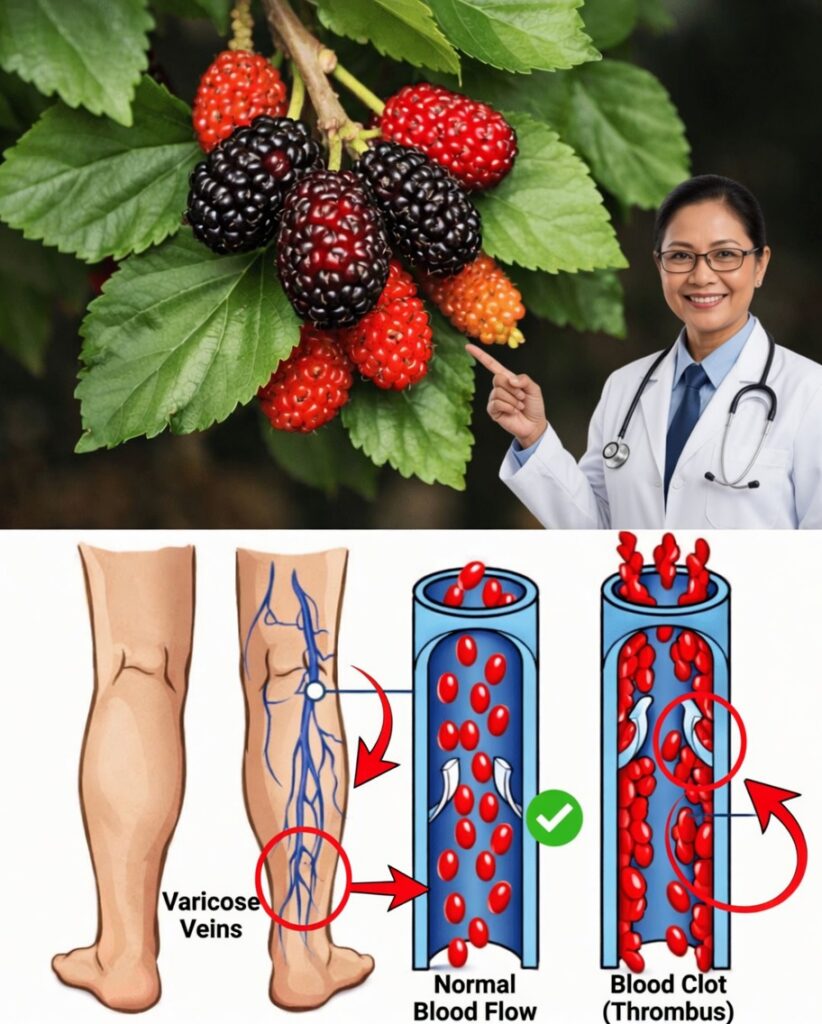
Managing blood sugar swings, elevated blood pressure, off-balance cholesterol, or poor circulation can be mentally and physically draining. These everyday health concerns often come with constant worry about long-term risks—and a desire for gentle, natural support that fits into real life. One surprisingly simple option that has been used for generations is a humble plant leaf that’s easy to add to a routine: mulberry leaf.
Keep reading to see why this overlooked botanical is getting renewed attention—and how you can use it safely and practically.
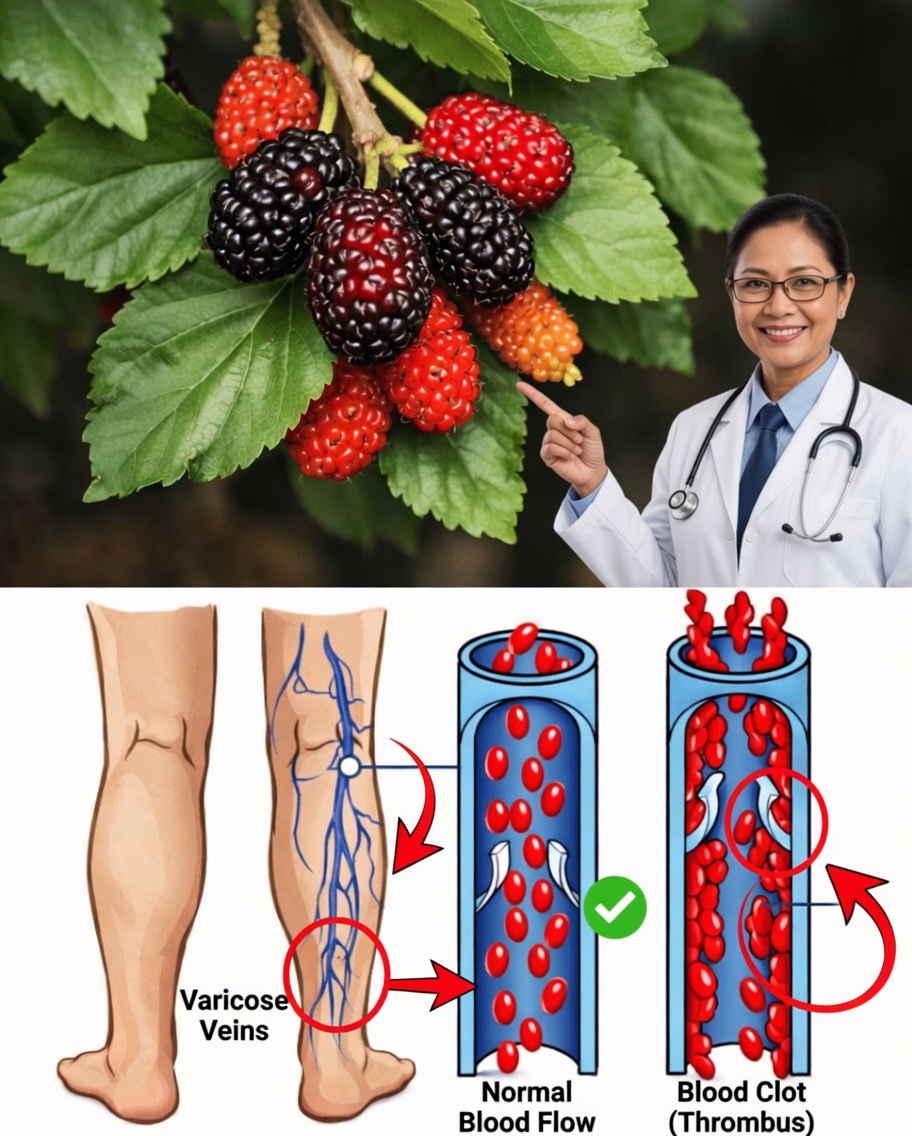
What Makes Mulberry Leaf Unique?
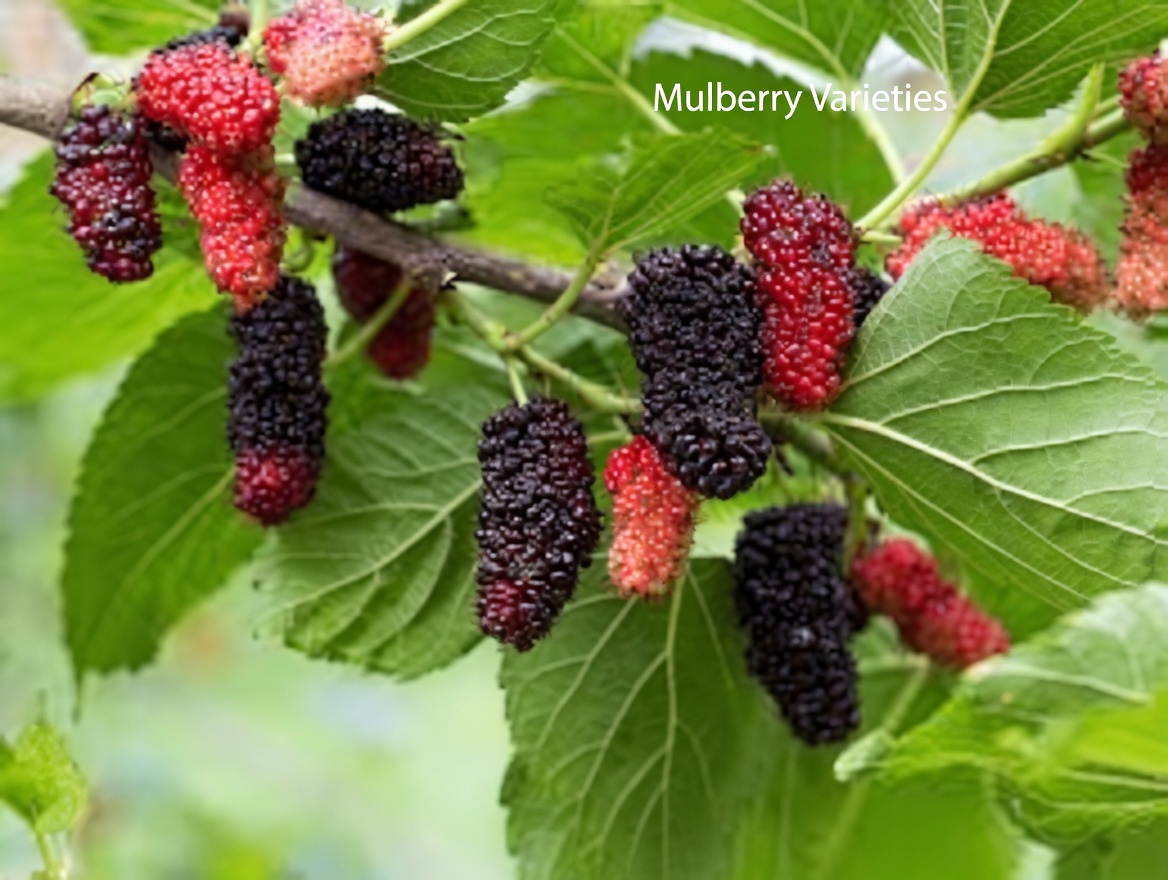
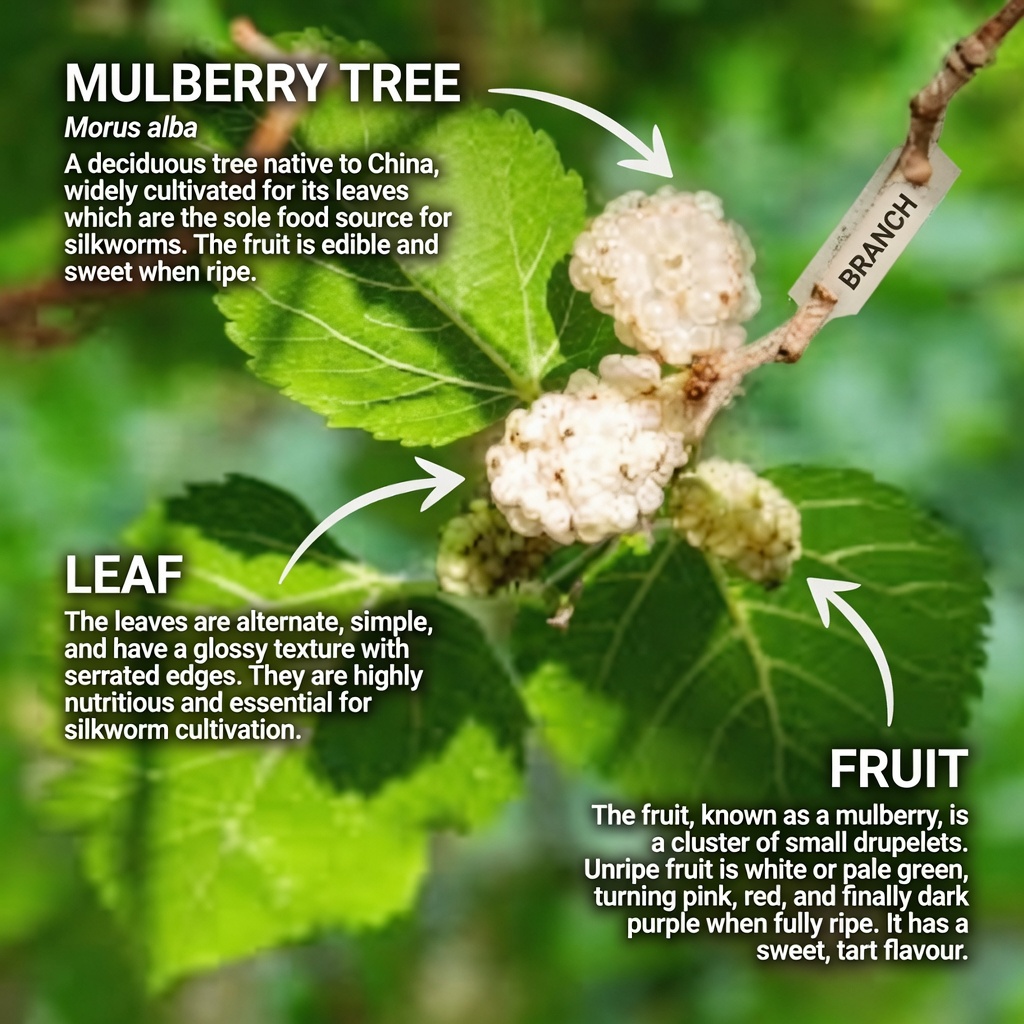
Mulberry leaf (Morus alba) has a long history in traditional wellness, particularly across Asia, where it’s commonly brewed as a daily tea. For people looking for plant-based support for metabolic health and circulation, mulberry leaf stands out for its naturally occurring active compounds.
A key component is DNJ (1-deoxynojirimycin), a molecule studied for its ability to influence how the body processes carbohydrates. Mulberry leaf is also rich in flavonoids—especially quercetin and rutin—along with a broad mix of antioxidants that help defend against oxidative stress, a common burden linked to modern diet and lifestyle patterns.
Together, these constituents are being studied for their potential roles in metabolic and vascular support.
How Mulberry Leaf May Help Support Healthy Blood Sugar
When blood sugar rises and falls sharply, many people experience post-meal fatigue, mental fog, irritability, and energy crashes that disrupt the entire day. Mulberry leaf is often discussed as a natural companion to balanced eating and movement, especially for supporting post-meal glucose control.
Research suggests that DNJ may act similarly to a mild alpha-glucosidase inhibitor, meaning it could help slow the breakdown and absorption of carbohydrates in the digestive tract. By delaying how quickly sugars enter the bloodstream, mulberry leaf may support steadier after-meal glucose levels.
Potential supportive effects include:
- Helping promote more stable daily energy
- Supporting healthier carbohydrate absorption
- Complementing nutrition goals for long-term metabolic wellness
Many people also find mulberry leaf tea calming, making it easy to pair with mindful eating habits.

Mulberry Leaf for Blood Pressure and Vascular Support
Seeing blood pressure readings climb can be stressful—especially when family history, stress levels, and sodium intake are already on your mind. While mulberry leaf is not a replacement for medical care, its plant compounds are being explored for their potential to support healthy circulation and vascular function.
The flavonoids in mulberry leaf, including quercetin and rutin, have been studied for their antioxidant activity and their ability to support normal blood vessel function. Some studies also point to possible mild ACE-related activity, which may help maintain healthy vascular tone.
Research observations suggest potential benefits such as:
- Supporting relaxed, healthy blood vessel function
- Reducing oxidative strain on the cardiovascular system
- Encouraging smoother overall blood flow
For many people, adding mulberry leaf feels like a practical step within a heart-conscious lifestyle.
Mulberry Leaf and Cholesterol Balance
High cholesterol results—particularly concerns around “bad” LDL cholesterol—can trigger frustration, anxiety, and a sense that progress takes too long. Mulberry leaf is increasingly discussed for its antioxidant profile and its potential role in supporting healthier lipid balance.
Studies suggest that mulberry leaf compounds may help protect blood vessels from oxidative damage while supporting overall cardiovascular wellness. The leaf’s flavonoids are of special interest for their connection to LDL management and vascular protection.
Key areas of potential support include:
- Helping defend arteries from oxidative stress
- Promoting smoother, healthier circulation
- Supporting broader cardiovascular wellness routines
This is one reason mulberry leaf remains a staple in traditional approaches to long-term heart health.
Supporting Circulation, Vein Comfort, and Leg Vitality
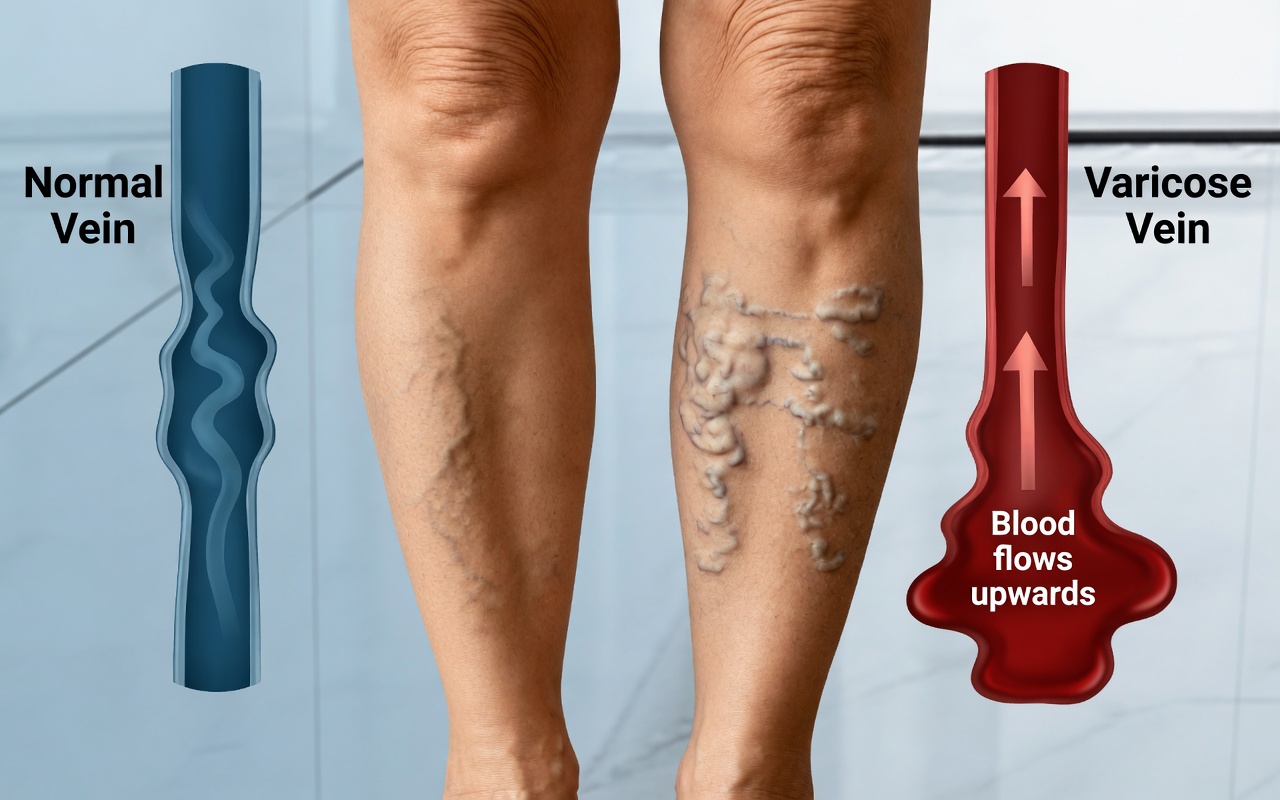
Poor circulation can show up as heavy, tired legs—especially for people who sit for long hours or stand all day. Discomfort, sluggishness, and visible vein concerns can make daily movement feel harder than it should. Mulberry leaf has a traditional reputation for supporting vascular comfort.
Its antioxidant and anti-inflammatory properties may help support vessel wall integrity and healthy venous return. Research often highlights the role of flavonoids in reducing oxidative stress throughout the circulatory system.
Mulberry leaf may help by:
- Supporting more comfortable daily blood flow
- Encouraging stronger, healthier veins
- Reducing feelings of leg fatigue over time
Consistency matters, and many people who are on their feet frequently report the best results with steady use.
Simple Ways to Add Mulberry Leaf to Your Daily Routine
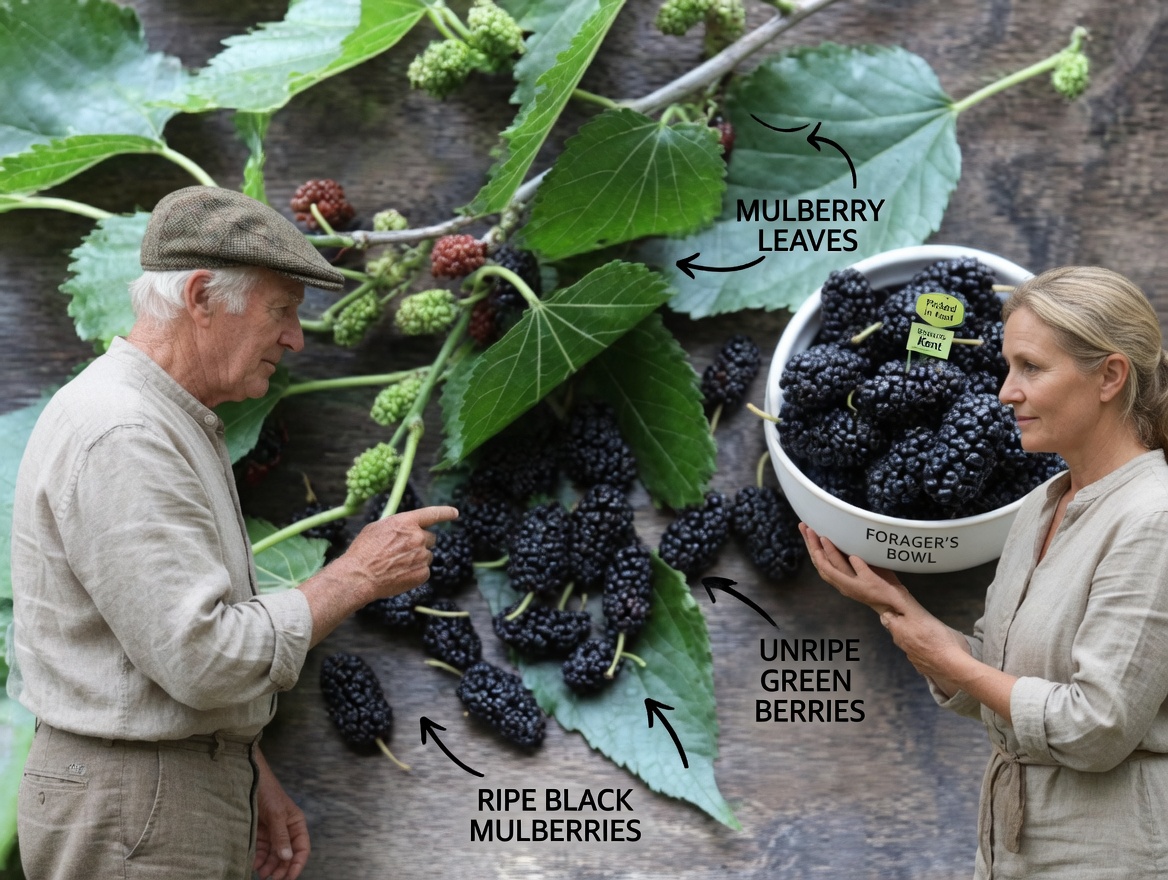
Mulberry leaf is easy to incorporate without major lifestyle changes. Common options include:
-
Mulberry leaf tea
- Steep 1–2 teaspoons of dried leaves in hot water for 5–10 minutes
- Enjoy 1–2 cups daily
- Best for: a relaxing ritual and gentle daily support
-
Powder in smoothies
- Add ½–1 teaspoon to a morning blend
- Best for: convenience and consistent routine support
-
Extract capsules
- Follow trusted product directions (often 500–1000 mg, depending on the formula)
- Best for: travel and on-the-go consistency
Start with a low amount, choose high-quality (ideally organic) sources, and combine with balanced meals, hydration, sleep, and regular movement for the strongest overall foundation.

Final Thoughts: Why Mulberry Leaf Belongs in a Wellness Plan
Mulberry leaf is a quiet but impressive botanical. Thanks to its combination of DNJ, flavonoids, and antioxidants, it’s widely used as gentle traditional support for:
- Blood sugar stability
- Healthy blood pressure
- Cholesterol balance
- Better circulation and vein comfort
It won’t replace medical guidance or core lifestyle habits, but many people find it a reassuring, natural addition that helps them feel more steady, supported, and energized over time.
Frequently Asked Questions
Is mulberry leaf safe to use every day?
Most people tolerate mulberry leaf well when used in moderate amounts (such as tea or standard supplement dosages). If you take medications for blood sugar or blood pressure, speak with your healthcare provider first and start slowly.
How soon can I notice results?
Timing varies by person. Some people report steadier energy within a few weeks when mulberry leaf is used consistently alongside healthy habits.
Can mulberry leaf replace my medication?
No. Mulberry leaf is a complementary option only. Never stop or change prescribed medications without working directly with your healthcare professional.