Healthy Longevity After 40: Nobel Prize Insights and Everyday Foods That May Slow Cellular Aging
Many adults begin to spot subtle age-related shifts in their 40s and 50s—less morning energy, mild joint stiffness, or needing more time to bounce back after a busy week. While these changes are common, they can still feel discouraging, especially when they interfere with daily enjoyment and raise concerns about long-term wellness.
The encouraging news: Nobel Prize-winning discoveries in biology help explain why aging accelerates—and how smart nutrition choices may support your body’s built-in repair systems for healthier aging.
Why Cellular Aging Can Speed Up Over Time
Aging happens at many levels, but “cellular aging” often involves a few major processes, including:
- Telomere shortening (the protective ends of your DNA gradually wear down)
- Accumulation of cellular damage (worn-out components build up inside cells)
- Reduced resilience and recovery as repair systems become less efficient
Diet is one of the strongest daily influences on these mechanisms. Nutrient-poor eating patterns can worsen oxidative stress and inflammation, while nutrient-dense foods may help protect cells and support better long-term function.
Many people experiment with different “anti-aging” strategies without lasting improvements. Nobel-recognized research points to specific biological targets—and foods that may support them more effectively.

Three Nobel Prize Breakthroughs That Changed Longevity Science
Several Nobel Prize-winning findings have clarified key aging pathways and why nutrition may matter so much.
-
Telomeres (Nobel Prize, 2009 — Elizabeth Blackburn and colleagues)
Telomeres are protective caps on chromosomes that naturally shorten with age. Research suggests that oxidative stress, inflammation, and nutrient status can influence how quickly this happens. -
Autophagy (Nobel Prize, 2016 — Yoshinori Ohsumi)
Autophagy is your body’s cellular “cleanup” system—removing damaged parts so cells can function better. Certain food patterns and plant compounds may help support this process. -
Ribosomes and protein production (Nobel Prize, 2009 — Venki Ramakrishnan and colleagues)
Ribosomes create proteins needed for repair, immunity, and tissue maintenance. Nutritional quality and key micronutrients help keep these systems working efficiently.
Together, these discoveries suggest that everyday meals can influence how well your cells protect DNA, clear damage, and rebuild.
Foods That May Help Protect Telomeres (Your DNA’s “Protective Caps”)
Telomeres help shield genetic material, but they can shorten faster under chronic stress, inflammation, and poor diet. Antioxidant- and nutrient-rich foods may help support telomere health.
Some research (including findings referenced in major medical literature such as The Lancet Oncology) links nutrient-dense dietary patterns with more favorable telomere outcomes.
Foods commonly associated with telomere support include:
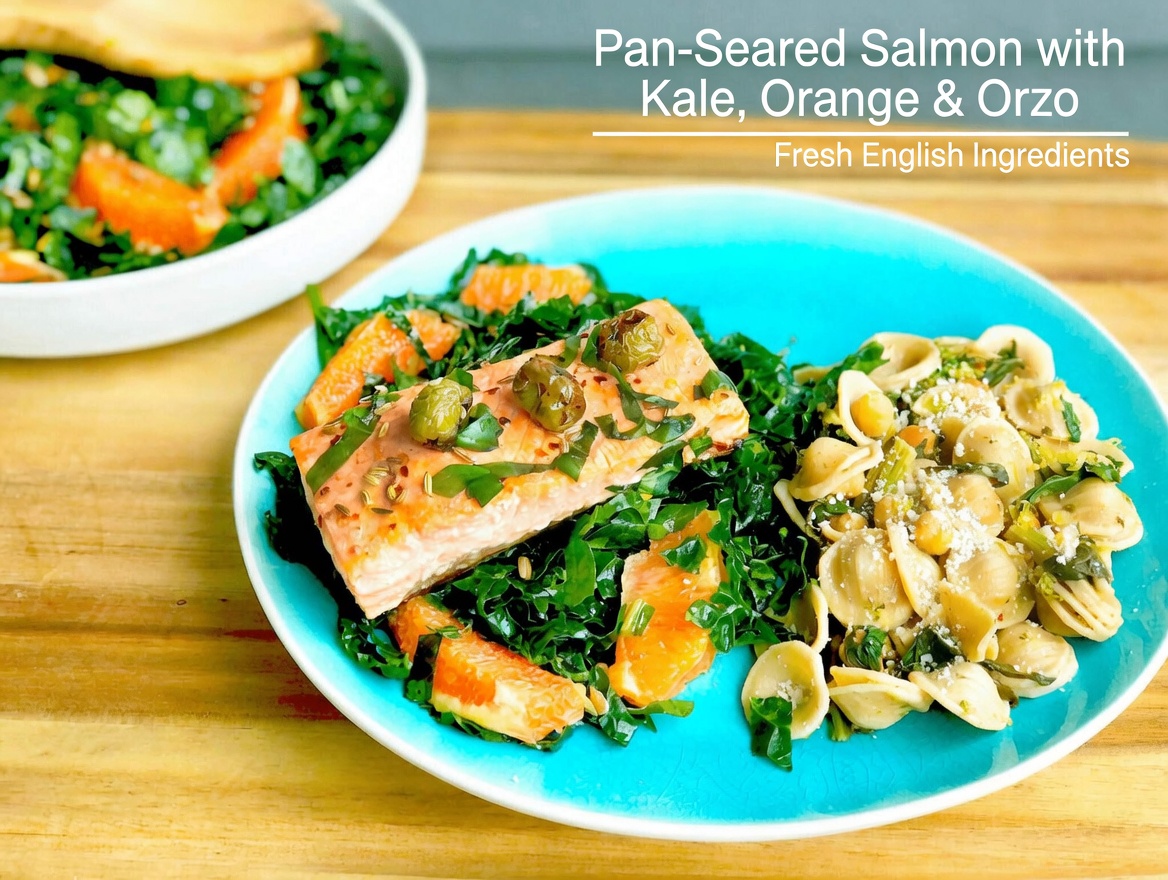
- Fatty fish (salmon, sardines): rich in omega-3 fatty acids
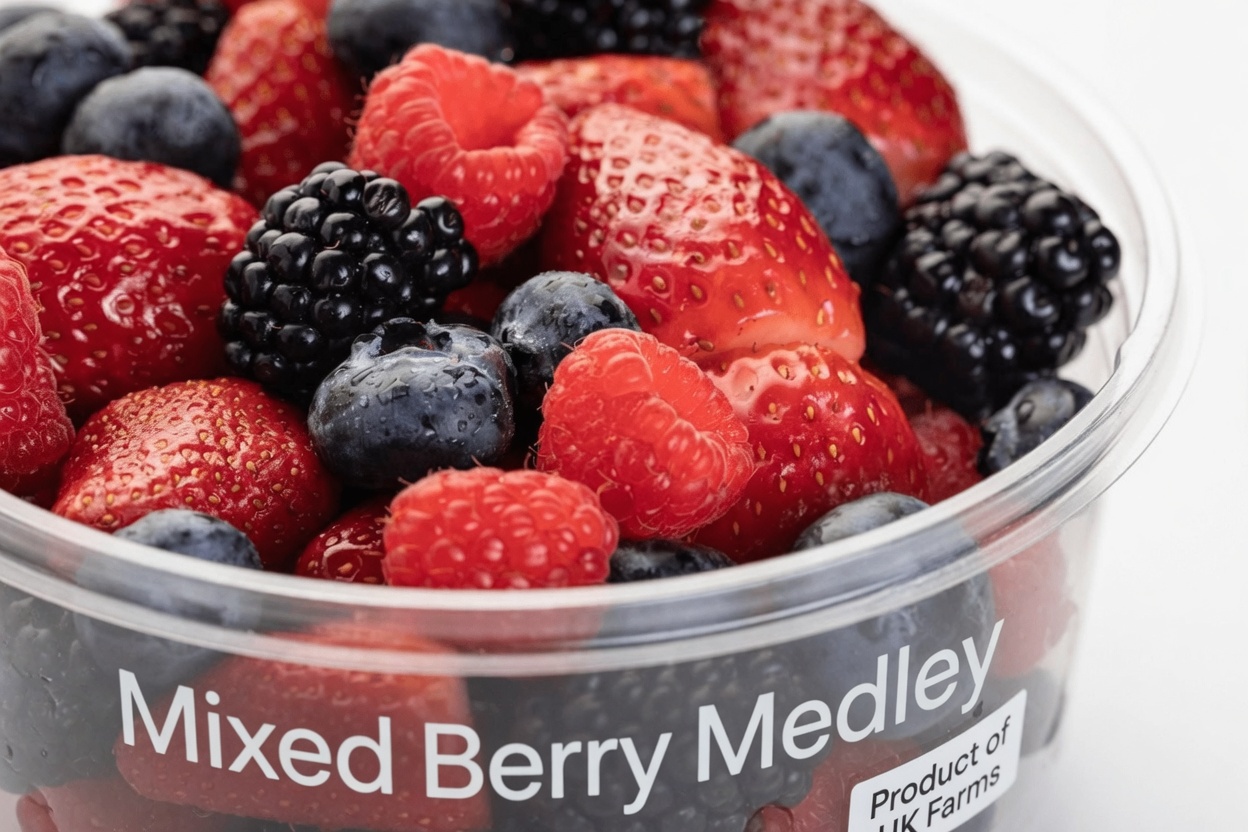
- Berries (blueberries, strawberries): high in polyphenols and antioxidants
- Leafy greens (spinach, kale): provide folate and key vitamins
- Nuts and seeds (walnuts, flaxseeds): sources of healthy fats and micronutrients
Regularly adding these foods may help support cellular aging more gently at the DNA level.
Foods That May Support Autophagy (Cellular Cleanup and Renewal)
Autophagy helps clear out worn or dysfunctional cellular components, which may support healthier inflammation balance and overall vitality. While autophagy is influenced by many factors (including meal timing), certain foods and plant compounds are often highlighted in research.
Interestingly, people in long-living regions (“Blue Zones”) often eat largely plant-forward diets that naturally align with patterns linked to autophagy support.
Helpful food choices include:
- Green tea: contains EGCG, a compound studied for cellular benefits
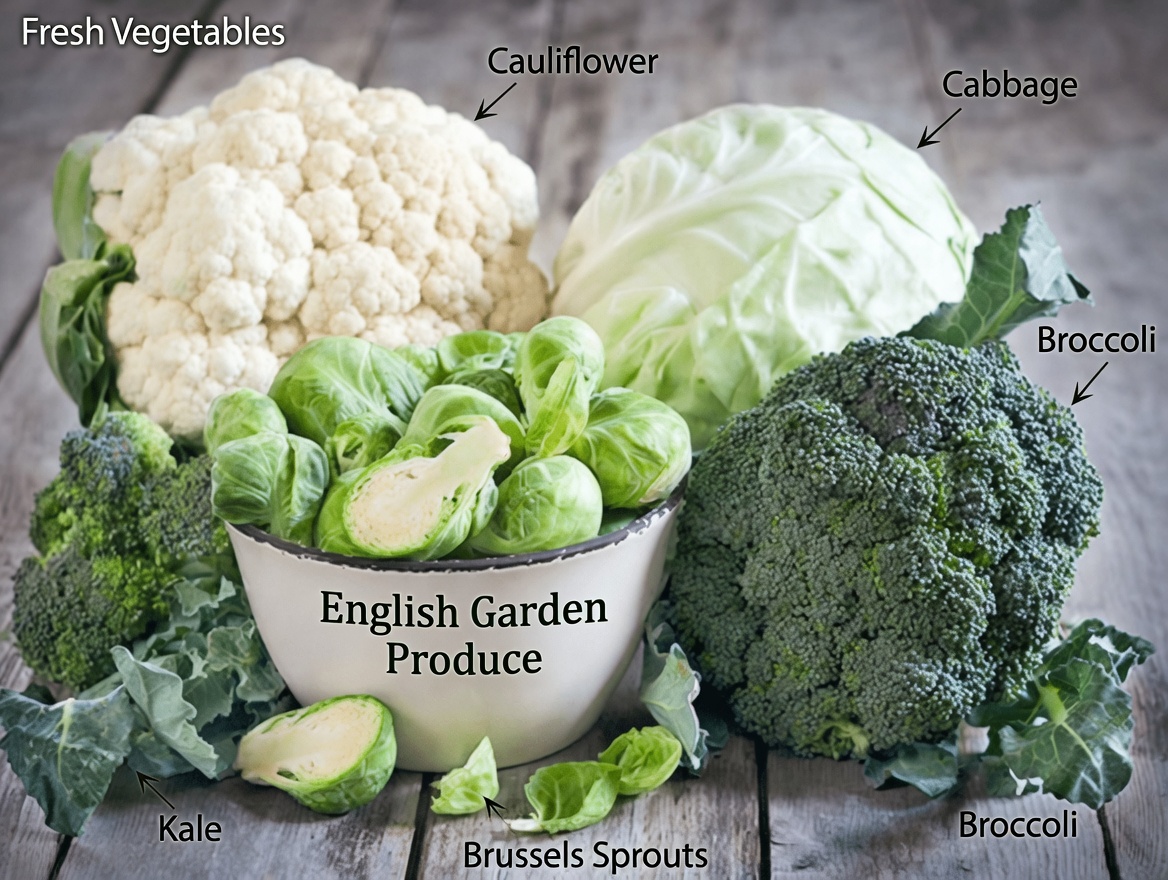
- Cruciferous vegetables (broccoli, Brussels sprouts): provide sulforaphane
- Extra virgin olive oil: supports a healthier inflammatory response
- Colorful vegetables: deliver a broad range of protective phytonutrients
Choosing these consistently may help your cells stay “cleaner,” more resilient, and better able to recover.

Foods That May Help Maintain Protein Production (Ribosome Support)
Your body depends on steady protein production for tissue repair, immune function, enzymes, and hormones. Ribosomes do this work—and they perform best when your diet supplies enough quality protein plus supportive minerals and vitamins.
Nutrition options commonly linked to better protein-building support include:
- High-quality proteins: eggs, legumes, wild-caught fish
- Magnesium-rich foods: pumpkin seeds, almonds, dark chocolate (70%+ cocoa)
- B-vitamin sources: avocados, leafy greens
Over time, these choices may support stronger day-to-day renewal and repair.
A Simple Daily Meal Plan Inspired by Longevity Science
Turning research into daily habits doesn’t need to be complicated. Here’s a practical framework built around telomeres, autophagy, and protein maintenance:
-
Breakfast
- Eggs with spinach and fresh tomatoes
- A handful of berries
- Green tea
-
Lunch
- Large salad: mixed greens + colorful vegetables
- Chickpeas and pumpkin seeds
- Extra virgin olive oil dressing
- Quinoa or another whole grain
-
Dinner
- Wild-caught salmon (about 2–3 times per week)
- Steamed broccoli
- Sweet potatoes or lentils
-
Snacks
- Small portion of walnuts
- Fresh berries
- Dark chocolate (70%+ cocoa)
Timing tip: Consider eating within a 10–12 hour window to better align with natural metabolic and cellular rhythms.
What matters most is consistency—small daily improvements compound over months and years.
Real-World Experiences: What People Often Notice
Many people who adopt nutrient-focused eating patterns report feeling more energetic and steady throughout the day. Some adults in their 60s and 70s also describe improved day-to-day vitality after staying consistent for several months.
While individual results vary, these experiences reflect what sustainable nutrition changes can make possible.
Habits That Strengthen the Impact of a Healthy Longevity Diet
Food works best when paired with foundational lifestyle practices:
- Regular movement (walking or strength training most days, ~30 minutes)
- High-quality sleep (aim for 7–8 hours)
- Stress reduction (breathing exercises, meditation, or relaxing routines)
- Social connection, which is repeatedly linked with healthier long-term outcomes
Easy Ways to Start Today (Without Overhauling Your Life)
Pick one or two additions for tomorrow—for example:
- Add berries to breakfast
- Swap an afternoon drink for green tea
- Include broccoli or Brussels sprouts at dinner
Track how you feel over the next 30 days. Tiny shifts, repeated daily, can support a long-term healthy aging journey.
Extra tip: A small amount of turmeric adds curcumin, a compound studied for supporting multiple cellular pathways.
Frequently Asked Questions
Which foods are most associated with slowing cellular aging?
Common standouts include berries, fatty fish, leafy greens, green tea, and cruciferous vegetables, based on research connected to telomeres, autophagy, and cellular protein maintenance.
How quickly can I expect to feel a difference?
Many people notice improved energy or recovery within a few weeks, but deeper benefits generally build gradually with consistent habits.
Do I need supplements, or can whole foods be enough?
For many people, whole foods provide nutrient combinations that are often linked to better outcomes than isolated supplements. Individual needs can vary, especially with medical conditions or dietary restrictions.
Medical Disclaimer
This article is for informational purposes only and is not intended to diagnose, treat, cure, or prevent any disease. Always consult your healthcare provider before making dietary changes, especially if you have existing health conditions.