
Mid-Afternoon Slumps and Lingering Aches: A Different Way to Think About Energy
Have you been hitting a mid-afternoon energy crash more often, or noticing that small aches seem to hang around longer than they used to? For many adults managing demanding schedules, these subtle signals—fatigue, brain fog, heavier-feeling days—can quietly chip away at quality of life.
Meanwhile, Japanese centenarians (particularly those historically documented in Okinawa) became famous for staying active, engaged, and mentally sharp well into later life—often through simple, consistent daily routines. One of the most practical takeaways from their lifestyle is how they approached eating: not with extremes, but with rhythm and restraint that supported renewal.

Why Japanese Centenarians Are Often Referenced in Healthy Aging
Japan has ranked among the top countries for longevity, and Okinawa was once especially known for an unusually high number of healthy centenarians. Many remained physically active through community life and daily movement, and their traditional routines have been widely studied as possible contributors to long-term wellness.
In contrast, modern life tends to be fast, food is constantly available, and recovery time is limited. When the body rarely gets a true break, it can feel like you’re always running on partial charge—especially in the afternoon. Researchers have linked some traditional patterns of eating and recovery to improved cellular resilience, which brings us to an important biological process.

Autophagy: Your Body’s Built-In Cellular “Refresh” System
Autophagy is the body’s internal recycling process: cells break down damaged components and reuse the parts to generate energy and rebuild. This helps reduce cellular clutter and supports overall balance.
This mechanism became globally recognized after Dr. Yoshinori Ohsumi received the Nobel Prize for explaining key aspects of how autophagy works—especially how it tends to increase during times of nutrient scarcity (when the body isn’t constantly taking in calories).
A modern pattern of frequent eating—meals plus snacks plus late-night bites—can reduce the time your body has to switch into cleanup mode. That’s one reason some people still experience heavy fatigue even when they believe they’re eating “healthy” foods. Research suggests autophagy may be associated with better oxidative stress handling and metabolic regulation, offering a gentler alternative to harsh dieting.
So how did many Japanese centenarians encourage this renewal without strict deprivation? Through a simple cultural habit.
Hara Hachi Bu: The 80% Full Rule
A core practice often associated with Okinawan tradition is Hara Hachi Bu, which means eating until you’re about 80% full. It’s not about counting calories or feeling hungry—it’s about stopping slightly early, leaving the body lighter and less burdened after meals.
Long-term observations suggest that this kind of portion awareness aligned with sustained activity and overall wellness among older adults. Practically speaking, if you often feel sleepy, bloated, or drained after meals, this mindful “pause point” can be a powerful shift.
It also matches what we know about cellular renewal: less constant intake can create more time for repair and maintenance—without turning everyday meals into a struggle.
Meal Timing: The Overnight Window Many Japanese Centenarians Practiced Naturally
Alongside portion awareness, many traditional lifestyles included finishing the main meal earlier in the day, creating a natural overnight gap—often 12 to 16 hours—before eating again.
This extended overnight break can support:
- Digestive rest
- More stable morning energy
- Peak cellular cleanup processes that occur during sleep
If you deal with morning fog or inconsistent energy, gradually extending your overnight eating break may help. Studies have linked longer overnight fasting windows with improved health markers, echoing what many Japanese centenarians did simply as a normal daily rhythm.
Timing helps on its own—but it becomes even more effective when paired with traditional, lighter foods.

Key Foods Often Found in the Diets of Japanese Centenarians
Traditional meals were typically plant-forward, nutrient-dense, and light enough to avoid energy spikes and post-meal crashes. Common staples and supportive foods included:
- Purple sweet potatoes: historically a major staple in Okinawa; valued for antioxidants and fiber that support steadier energy
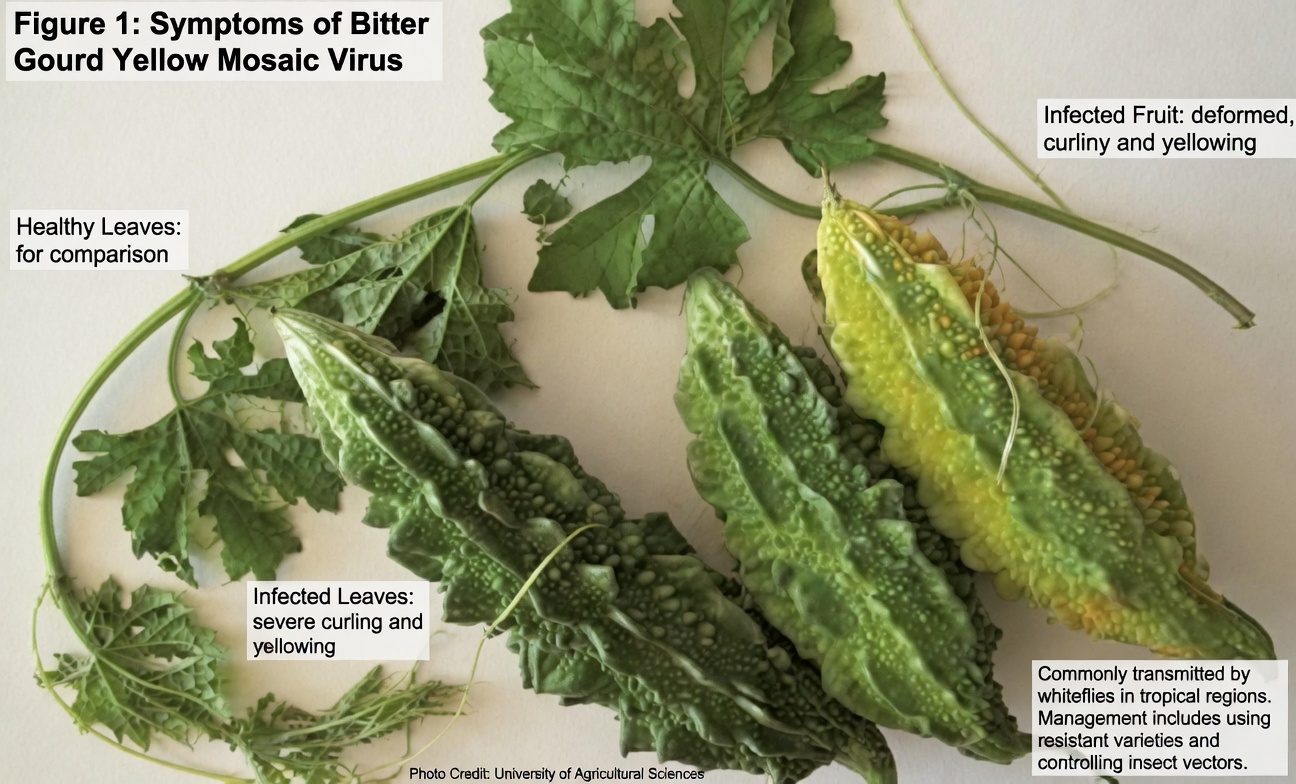
- Bitter melon and seaweed: associated with blood-sugar balance support and mineral density
- Tofu and colorful vegetables: plant-based protein plus protective phytonutrients
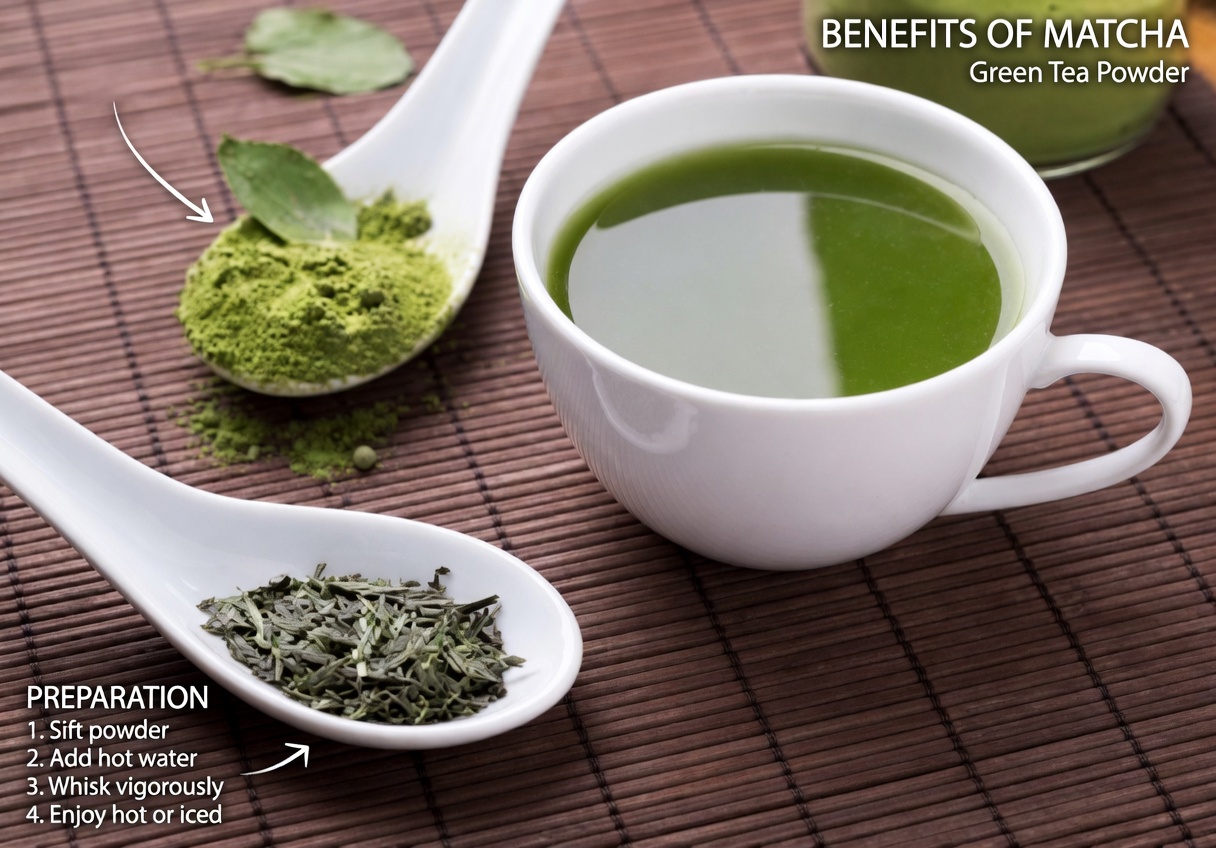
- Green tea: regularly consumed; rich in polyphenols that complement renewal-focused habits
Overall, the pattern wasn’t “eat less and suffer.” It was eat smarter, stop earlier, and keep meals clean and satisfying—so the body stays energized rather than weighed down.
A Practical 4-Week Reset Inspired by Japanese Centenarians
Small changes tend to last longer than dramatic overhauls. Here’s a simple month-long approach based on the eating rhythm often associated with Japanese centenarians:
-
Week 1 — Awareness
- Action: Apply Hara Hachi Bu at each meal (aim for 80% full)
- Potential shift: Lighter digestion and fewer post-meal slumps
-
Week 2 — Timing
- Action: Finish eating by early evening; aim for a 12+ hour overnight break
- Potential shift: More consistent morning energy
-
Week 3 — Morning Start
- Action: Begin the day gently with green tea or a light vegetable-based start
- Potential shift: Clearer early-day focus
-
Week 4 — Food Choices
- Action: Add more purple sweet potato, seaweed, tofu, and plant-based dishes
- Potential shift: More stable vitality and a “lighter” daily feeling
Key Foods and Their Roles (Quick Reference)
-
Purple sweet potatoes
- Main benefits: antioxidants, fiber, steady energy
- Traditional use: often served as a primary carbohydrate source
-
Seaweed
- Main benefits: minerals, supports detox pathways
- Traditional use: soups, side dishes
-
Green tea
- Main benefits: polyphenols supportive of cellular health
- Traditional use: daily, mindful sipping ritual
-
Tofu
- Main benefits: plant protein
- Traditional use: frequent, balanced meals
Modern Eating Patterns vs. Traditional Japanese Centenarian Habits
-
Meal frequency
- Modern: frequent snacking
- Traditional approach: clearer eating windows
- Why it may help: more time for renewal and cellular cleanup
-
Portion cues
- Modern: eat until fully stuffed
- Traditional approach: stop at ~80% full
- Why it may help: gentle activation of repair processes, less digestive burden
-
Food foundation
- Modern: mixed quality, often more processed
- Traditional approach: mostly plant-based, nutrient-dense
- Why it may help: more micronutrients with fewer heavy energy swings
These habits are best understood as rhythm over restriction. Many people notice they feel more refreshed within a few weeks when they stay consistent.
Final Thoughts: Small, Consistent Changes Create Real Momentum
The everyday eating habits associated with Japanese centenarians offer a realistic, compassionate path toward better daily energy and long-term resilience. You don’t need perfection—just repeatable routines.
If you want one simple place to begin: try Hara Hachi Bu at dinner tonight and pay attention to how you feel tomorrow.
Frequently Asked Questions
-
What is the main eating rule followed by many Japanese centenarians?
Hara Hachi Bu—stopping when you feel about 80% full to support mindful portions. -
How long should the overnight eating window be?
Many aim for 12–16 hours, typically by eating dinner earlier and keeping mornings light. -
Are these habits appropriate for everyone?
They can be helpful general guidance, but needs vary by person. Speak with a qualified healthcare professional before changing diet or meal timing—especially if you have medical conditions.
Disclaimer: This article is for informational purposes only and is not intended to diagnose, treat, or cure any condition. Always consult a qualified healthcare professional before making dietary or lifestyle changes, particularly if you have health concerns.