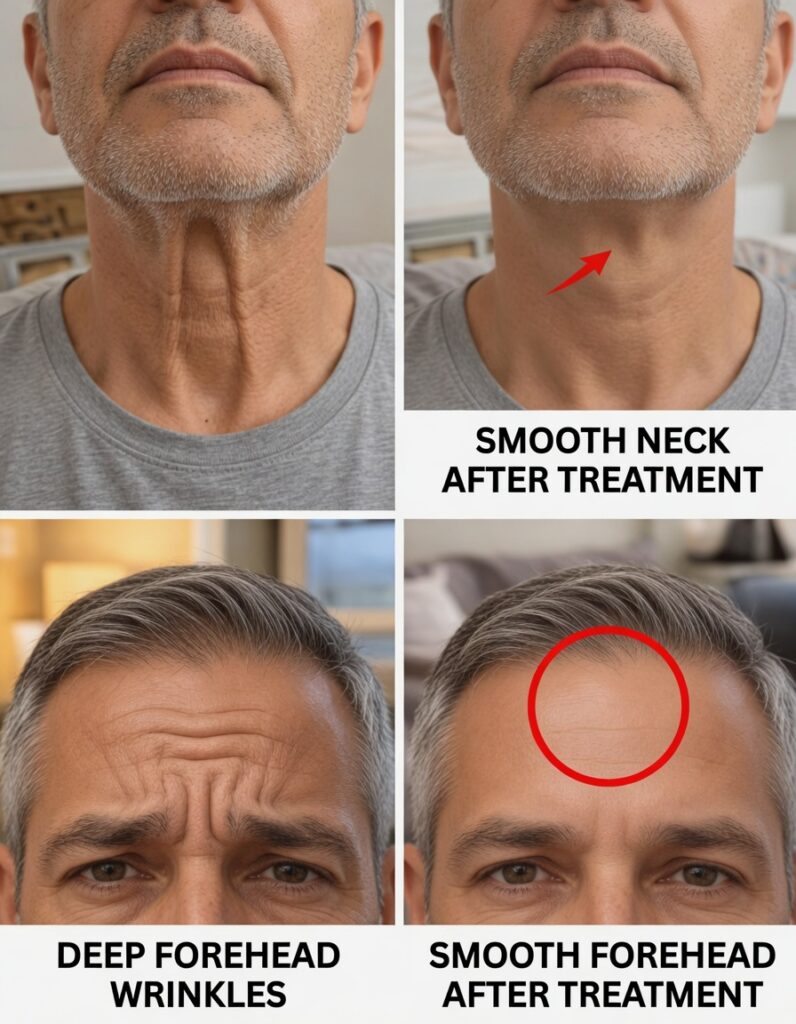
Bay Leaf for Wrinkles: What the Viral Videos Get Wrong (and What Actually Helps)
You’ve probably seen those scroll-stopping clips claiming bay leaves can erase wrinkles with a single DIY trick—often using nothing more than a kitchen herb and a few minutes in front of the camera. With so many bold promises flooding social media, it’s easy to feel skeptical (or tempted), especially when you’re simply looking for realistic ways to support healthy, mature skin.
The good news: bay leaf isn’t useless hype—but it’s also not a miracle anti-aging cure. When used wisely, it can play a small, science-informed role in a balanced skincare routine. This article separates dramatic claims from what bay leaf may actually do for skin over 60.
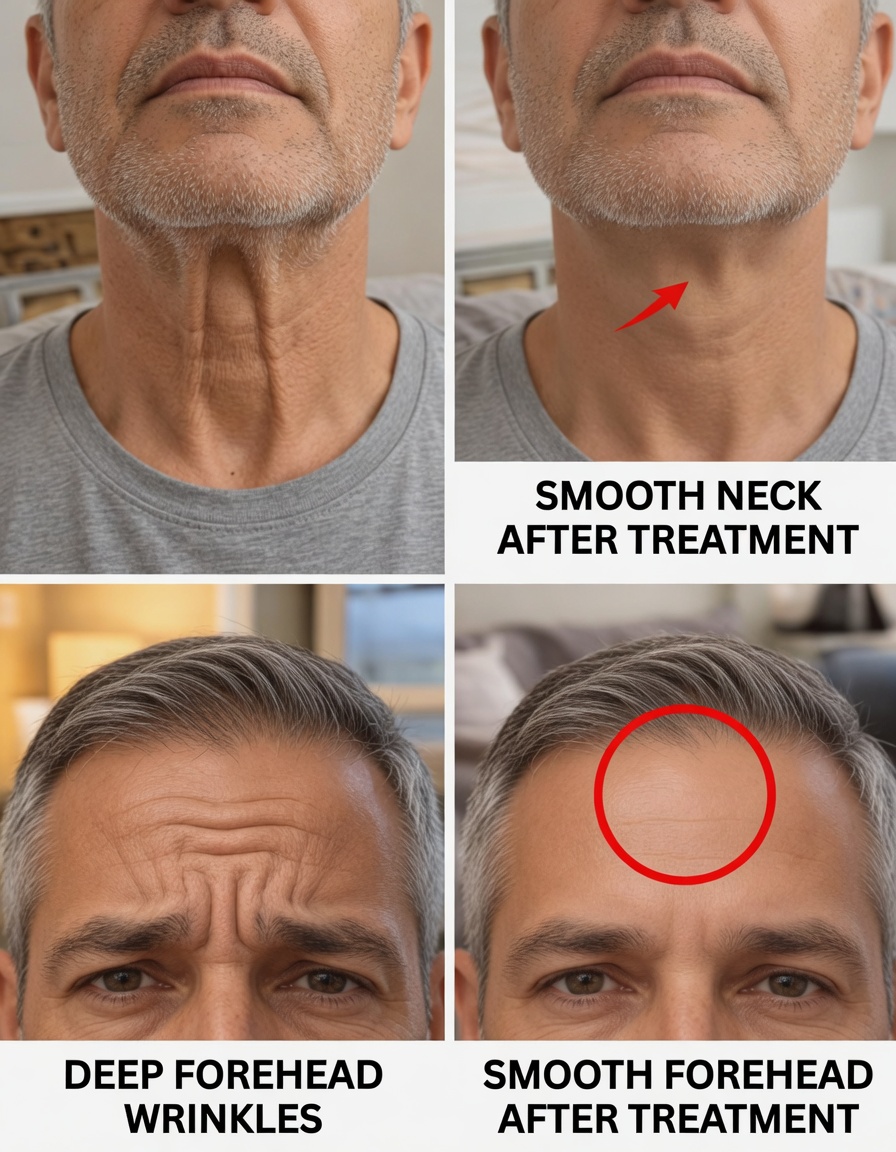
What Viral Claims Say About Bay Leaf and Aging Skin
Across social platforms, bay leaf is often marketed as a “secret” solution for skin over 60, with creators showing dramatic “before and after” results and implying you can replace professional treatments with one leaf.
Most of these videos share a similar pattern:
- Highly edited transformation images
- Overconfident promises (instant lifting, wrinkle reversal, “years erased”)
- Little to no mention of limitations, skin sensitivity, or realistic timelines
The problem isn’t that bay leaf has no value—it’s that viral content frequently pushes it far beyond what evidence supports. Let’s look at what bay leaf contains and why it’s sometimes considered skin-friendly.
The Science Behind Bay Leaf’s Skin-Supporting Compounds
Bay leaf (Laurus nobilis) has a long history in traditional use, and modern research has explored some of its plant-based compounds. Studies and reviews in areas such as herbal and cosmetic science suggest bay leaf contains substances that may help support skin comfort and resilience—especially through antioxidant and soothing activity.
Some of the best-known compounds include:
- Eugenol, often discussed for mild anti-inflammatory potential
- Cineole and linalool, associated with calming and antioxidant effects
- Flavonoids like quercetin and kaempferol, which may help protect skin structure from everyday stress
- Polyphenols, which support defense against free-radical exposure linked to environmental aging
Bay leaf is also inexpensive and widely available, which makes it appealing for low-cost routines. Still, the key word is support: these compounds are not strong enough to deliver the instant, dramatic changes seen in viral edits.
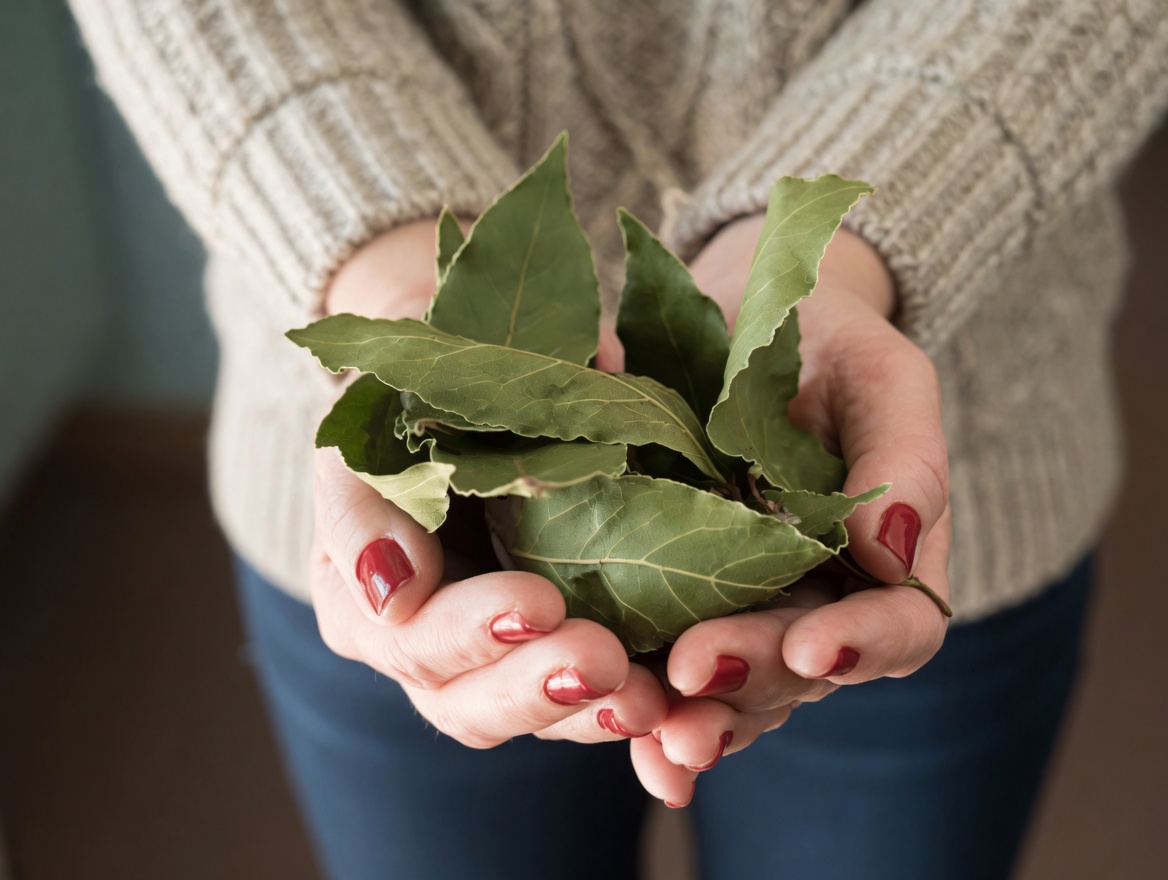
Key Compounds in Bay Leaf (and What They May Do)
- Eugenol: May help calm minor irritation and reduce mild puffiness
- Cineole & Linalool: Often linked to soothing effects and antioxidant support
- Quercetin & Kaempferol: Flavonoids that may help defend collagen from daily oxidative stress
- Polyphenols: Help neutralize free radicals associated with pollution and UV exposure
Used consistently, these may contribute to healthier-looking skin—but they don’t “turn back time.”
Debunking the Exaggerated Claims in Viral Bay Leaf Videos
Many viral posts claim bay leaf is “millions of times stronger” than professional skincare or injectables. You’ll also see fabricated statistics like “356% collagen increase in 3 weeks” or “telomeres lengthened by 16%.” These numbers are not supported by credible, peer-reviewed human skincare research involving bay leaf.
Here’s what typically falls apart under scrutiny:
- Extreme collagen claims: Realistic collagen-related improvements from topical botanical ingredients tend to be modest and gradual, not triple-digit jumps in weeks.
- Telomere promises: Telomere discussions are usually pulled from unrelated studies and are not proof of bay leaf effects on human facial skin.
- Face lifting measurements: Claims like a “7 mm jawline lift” are not backed by standardized measurement or clinical evidence. Botanical antioxidants do not physically reposition facial structure.
Viral Claim vs. Reality (Evidence-Based Perspective)
-
“356% collagen boost in 3 weeks”
- Reality: Any collagen-related benefits from botanicals tend to be modest and time-dependent, not extreme short-term spikes.
-
“Bay leaf lengthens telomeres”
- Reality: No direct human skin evidence supports this claim for bay leaf use.
-
“7.2 mm jawline lift”
- Reality: Bay leaf cannot create structural lifting; at best, hydration may make skin look slightly fresher.
-
“Reverses 20 years of sun damage”
- Reality: Antioxidants may help reduce ongoing damage, but they do not erase long-term UV history.
-
“Better than Botox”
- Reality: Bay leaf has no muscle-relaxing mechanism; Botox targets dynamic wrinkles in a completely different way.
What to Realistically Expect From Bay Leaf on Skin After 60
If bay leaf works for you, the changes are usually subtle and related to comfort and hydration, not facial “reconstruction.” Many people who enjoy bay leaf skincare report skin that feels calmer, less dry, and slightly more radiant over time.
What you might notice with consistent use:
- Softer texture due to better moisture retention
- Reduced feeling of tightness or mild irritation
- A more even-looking surface tone (especially if dryness is a factor)
- Gentle brightness, mainly from hydration and improved skin barrier comfort
Deep wrinkles, significant sagging, and long-established sun damage won’t disappear—but overall skin quality may improve.
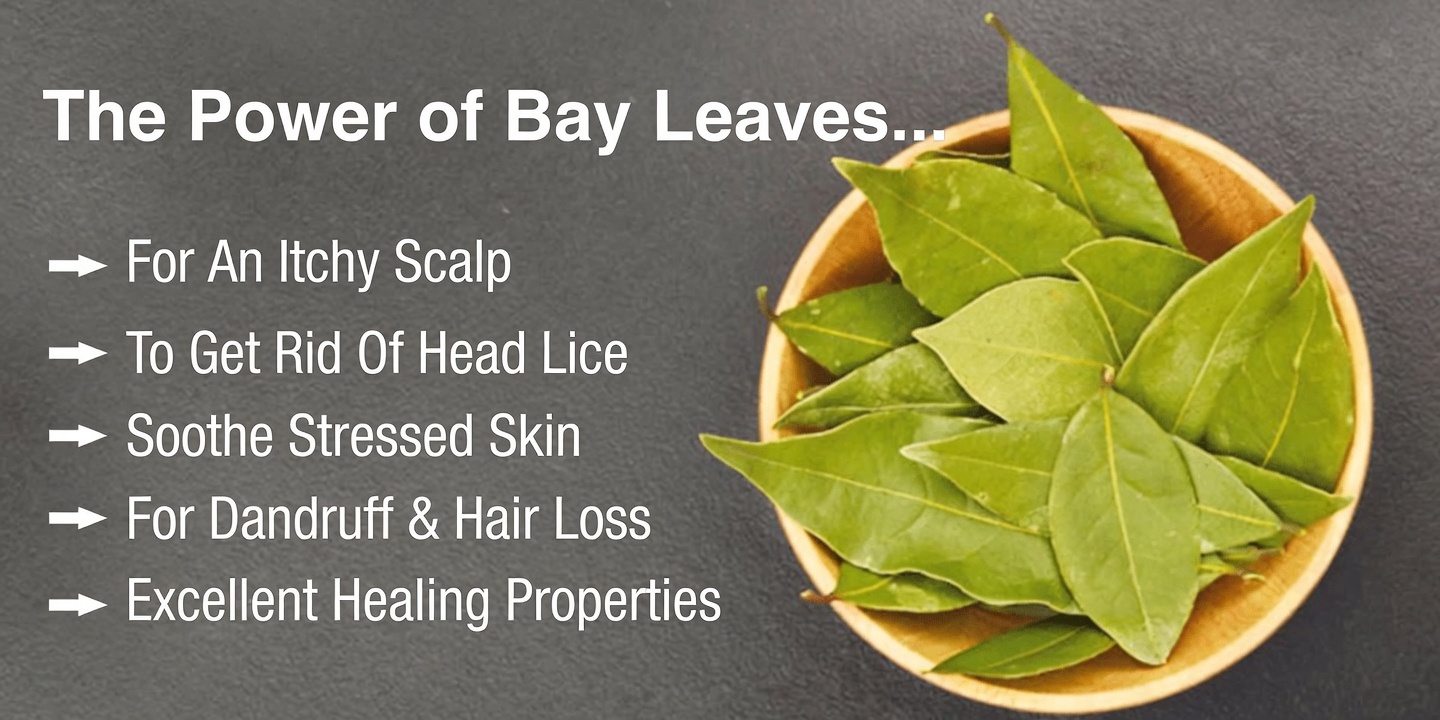
A Practical Timeline of Possible Results
- 3–7 days: Skin may feel softer; mild dryness or irritation can calm down
- 2–4 weeks: Tone may look more even; dry fine lines can appear less noticeable due to hydration
- 8–12 weeks: Slight improvement in firmness and glow is possible with consistent use
- 6+ months: Cumulative support (especially paired with sunscreen and a solid routine); healthier appearance without dramatic transformation
Individual results vary based on skin type, sensitivity, and the rest of your skincare habits.
Simple, Safe Ways to Add Bay Leaf to Your Skincare Routine
If you want to try bay leaf, start gently and keep it simple. Natural ingredients can still irritate sensitive skin, so patch testing matters.
1) Bay Leaf Infused Oil (Nighttime Moisture Boost)
How to make it:
- Crush 10 dried bay leaves.
- Add to 100 ml olive oil or jojoba oil.
- Steep in a dark place for 2 weeks (or use very gentle warmth for about 48 hours).
- Strain well.
- After cleansing, apply 3–4 drops and massage lightly.
2) Bay Leaf Tea Rinse (Morning Refresh)
How to use it:
- Simmer 3 bay leaves in 2 cups of water.
- Let it cool completely.
- Use as a final rinse after cleansing or mist lightly onto skin.
This can feel soothing and refreshing, especially for dry or tired-looking skin.
3) Weekly Bay Leaf Mask (Comfort and Softness)
Basic recipe:
- 3 ground bay leaves
- 1 tablespoon honey
- 1 tablespoon yogurt
Apply for 15 minutes, then rinse. Use once weekly to avoid overdoing it, especially if your skin is reactive.
Why Bay Leaf Works Best as Part of a Mature-Skin Routine
Bay leaf makes the most sense when it supports—not replaces—proven skincare fundamentals. Think of it like other gentle botanicals (such as green tea or rosehip): helpful in context, not a standalone solution.
For the best results, pair bay leaf with:
- Daily broad-spectrum sunscreen
- Consistent hydration
- Barrier-supporting moisturizers
- Evidence-backed actives (if tolerated), such as retinoids or vitamin C
Viral trends often promise instant youth. Real skincare success comes from steady habits, realistic expectations, and ingredients that work with your skin—not against it.
Frequently Asked Questions
Can bay leaf help support skin maintenance after 60?
It may contribute to hydration and soothing support thanks to antioxidant and calming compounds, making it a reasonable add-on for mature skincare routines.
How often can I use bay leaf skincare methods?
Many people use infused oils or rinses daily and limit masks to once weekly. Adjust based on your skin’s sensitivity and response.
Is bay leaf safe for all skin types?
It’s often tolerated, but not universally. Patch test first, especially if you have sensitive skin, allergies, or rosacea-prone skin.
Medical note
This content is for educational purposes only and is not medical advice. If you have skin conditions or are unsure about ingredient safety, consult a qualified healthcare professional.