Many people are searching for budget-friendly, nutrient-dense foods that fit into a packed schedule and still support long-term wellness. Between rising grocery prices and ever-changing diet trends, it’s easy to overlook simple ingredients that deliver genuine nutritional value without extra cost or complicated prep.
Chayote is one of those underappreciated staples: low in calories, easy to cook, and naturally rich in key nutrients. Beyond its basic nutrition profile, this mild squash can be a practical upgrade to everyday meals—once you know how to use it well.
What Is Chayote?
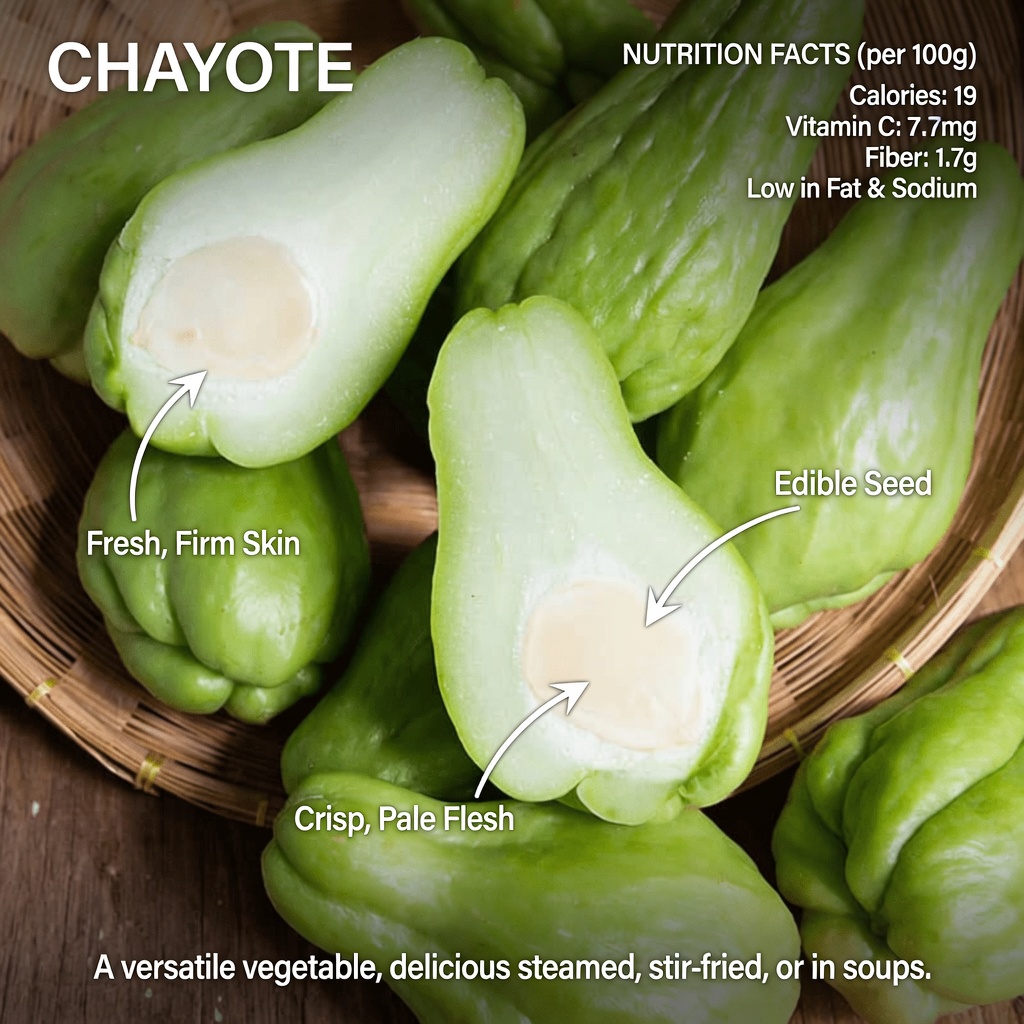
Chayote (Sechium edule)—also called mirliton or chocho—is a member of the gourd family originally from Central America. Botanically it’s a fruit, but in the kitchen it behaves like a vegetable: crisp, lightly sweet, and mild enough to pair with almost anything.
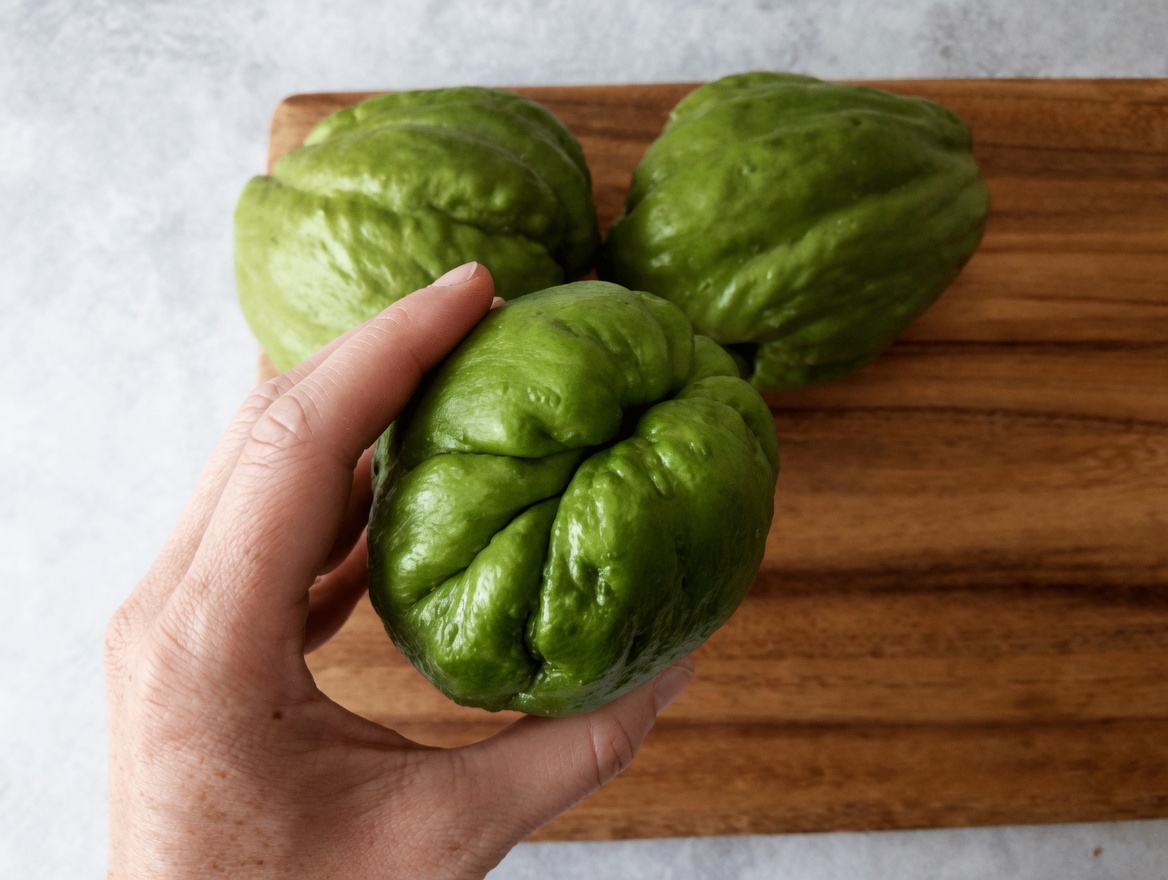
You’ll recognize it by its pale green color, wrinkled skin, and pear-like shape. Chayote is widely used in cuisines across Latin America and Asia, showing up in soups, stews, salads, and stir-fries.

What makes it especially appealing is the combination of high nutrient density with very low calorie content.
Why Chayote Belongs in a Healthy Kitchen
Chayote is a smart choice if you want more whole foods without dramatically increasing calories. In a typical 1-cup serving of raw chayote (about 132 g), you’ll get approximately:
- About 25 calories, ideal for lighter meals
- Around 2.2 g of dietary fiber, supporting fullness and steady digestion
- Roughly 10 mg vitamin C (about 11% DV), contributing to normal immune function
- About 123 mcg folate (around 31% DV), important for cell function and growth
- Around 165 mg potassium, helping support fluid balance
- Smaller amounts of magnesium, zinc, and other trace minerals
This nutrient mix makes chayote an easy add-on for anyone building a more balanced, plant-forward diet.
Potential Health Benefits of Eating Chayote Regularly
When included as part of an overall healthy lifestyle, chayote’s nutrients and plant compounds may support multiple wellness goals.
1. Antioxidant Support for Cells
Chayote contains antioxidants such as vitamin C and plant compounds including quercetin and myricetin. Antioxidants help the body manage oxidative stress by neutralizing free radicals that can affect cellular health over time.
2. May Promote Heart-Friendly Nutrition
Two standout nutrients in chayote—fiber and potassium—are commonly associated with cardiovascular wellness. Fiber supports healthy eating patterns linked to cholesterol management, while potassium plays a role in fluid balance and overall heart function.
Some nutrition sources (including mainstream health outlets) also discuss how chayote’s phytochemicals may complement heart-supportive habits, such as balanced blood pressure and reduced inflammation.
3. Supports Steadier Blood Sugar Responses
Chayote is low in carbohydrates and provides fiber, a combination that may help reduce sharp post-meal blood sugar spikes. Early research (including animal studies and preliminary human findings) suggests potential value for metabolic health, especially when paired with a consistent, whole-food diet.
4. Encourages Comfortable Digestion
With both soluble and insoluble fiber, chayote may help:
- Promote regularity
- Support a healthier gut environment
- Increase satiety, helping you feel satisfied longer
5. Helpful for Weight Management Goals
Because chayote is low-calorie and water-rich, it can add volume to meals while keeping energy intake modest. Combined with fiber, this can make balanced portions easier to maintain.
6. Folate-Rich Option for Prenatal Nutrition
Chayote provides a meaningful amount of folate, which supports cell division and fetal development. It can be a useful ingredient in a varied prenatal diet, alongside professional medical guidance.
Quick nutrition snapshot (approx. per 1 cup raw, USDA-style values):
- Calories: 25
- Fiber: 2.2 g (about 8–10% DV)
- Vitamin C: 10 mg (about 11% DV)
- Folate: 123 mcg (about 31% DV)
- Potassium: 165 mg (about 4–5% DV)
Compared with similar light vegetables like zucchini or cucumber, chayote often stands out for folate and vitamin C.
Simple, Tasty Ways to Eat Chayote
Chayote’s biggest advantage in the kitchen is its flexibility. You can enjoy it raw or cooked, and it absorbs seasonings extremely well.
Try these easy ideas:
-
Fast stir-fry
- Slice thinly and sauté with garlic, onion, olive oil, and herbs.
- Add chicken, shrimp, tofu, or beans for a quick complete meal.
-
Crunchy salad base
- Julienne raw chayote for a cucumber-like crunch.
- Toss with lime juice, cilantro, tomato, and a light vinaigrette.
-
Soups and stews
- Dice and simmer in vegetable soup, chicken broth, or chili.
- It softens nicely without becoming heavy or starchy.
-
Roasted or grilled
- Coat slices with olive oil, salt, pepper, and rosemary.
- Roast at 400°F (about 200°C) for 20–25 minutes until tender and lightly browned.
-
Smoothie add-in
- Blend a small portion of peeled, cooked chayote into green smoothies.
- It boosts hydration and nutrients while keeping the flavor neutral.
Practical tip: If you’re new to chayote, start with a simple sauté or raw salad—its natural crisp texture shines with minimal effort.
How to Buy and Store Chayote for Best Freshness
- Choose chayote that feels firm and heavy, without soft spots or bruising.
- Smaller fruits are often more tender.
- Keep at room temperature for up to 1 week, or refrigerate in a bag for 2–3 weeks.
- Peeling is optional: if the skin is thin and clean, a good wash may be enough.
Final Takeaway: Make Chayote a Simple, Healthy Upgrade
Chayote is an affordable, easy-to-cook way to add fiber, vitamin C, folate, and potassium to your routine—without piling on calories. Whether your focus is digestive comfort, heart-supportive eating, or simply more variety, this versatile squash fits naturally into everyday meals. Add one to your next grocery list and experiment—you may find it becomes a regular staple faster than expected.
Frequently Asked Questions (FAQ)
Is chayote safe to eat raw?
Yes. Raw chayote is crisp and mild, similar to cucumber. If the skin feels tough, peel it before slicing.
Is chayote healthier than zucchini?
Both are low-calorie and hydrating. Chayote often provides more folate and vitamin C per serving, while zucchini has its own nutrient strengths—both can fit well in a balanced diet.
Can you freeze chayote?
Yes. For best texture, blanch cubed chayote first, then freeze. It keeps well for up to 6 months and works best in cooked recipes after thawing.
Disclaimer: This content is for informational purposes only and does not replace medical advice. Consult a qualified healthcare professional before making major dietary changes, especially during pregnancy or if you have a medical condition.