
Sleeping with a Fan at Night: Comfort Now, Discomfort Later?
On hot, airless nights, sleeping with a fan can feel like the easiest solution. That steady breeze may help you drift off faster, but it can also bring a set of unpleasant side effects—ranging from irritation and dryness to lighter, broken sleep. If you’ve ever woken up feeling congested, achy, or somehow worse than when you went to bed, your fan could be part of the reason.
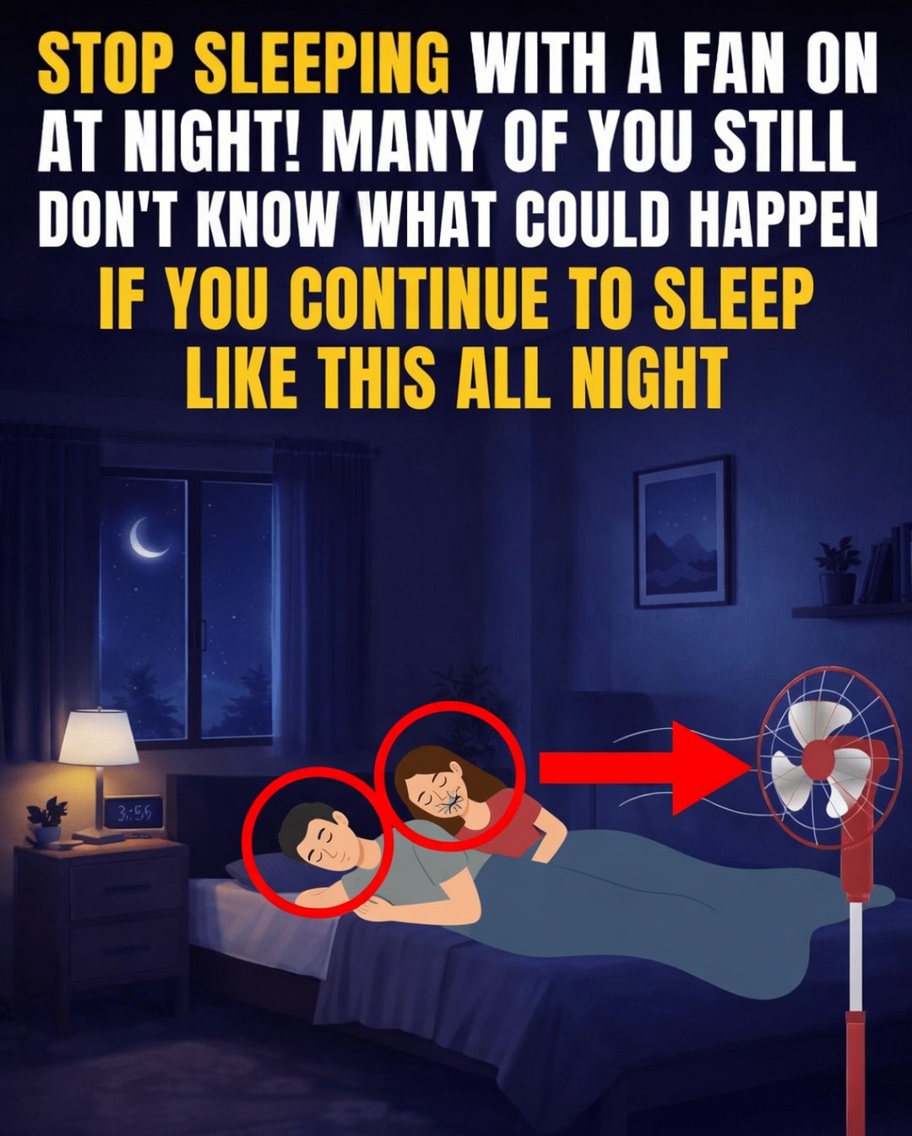
The good news is that you can stay cool without relying on nonstop airflow. Below, you’ll find what a bedroom fan may be doing to your body overnight—and smarter alternatives that support genuinely restful sleep.
Is Sleeping with a Fan Bad for You?
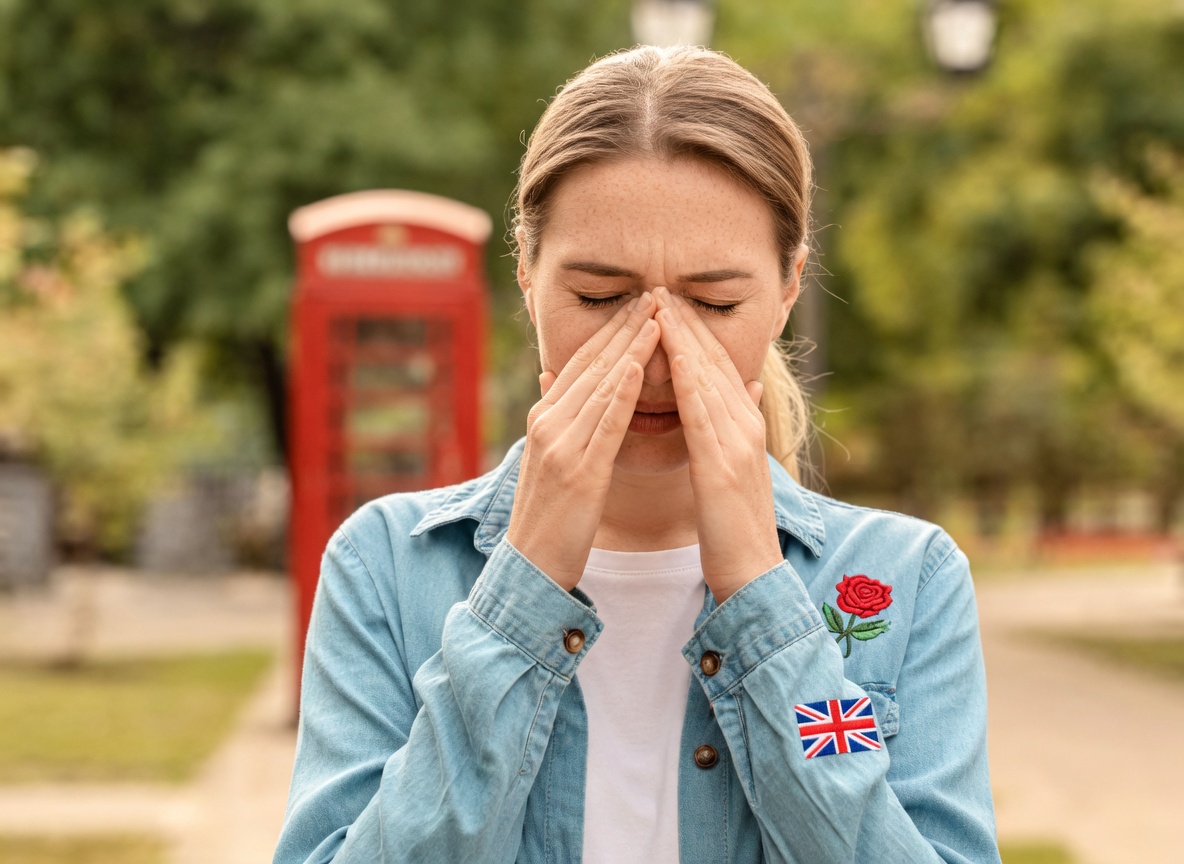
A fan doesn’t actually remove heat from the room; it mostly moves air around. While that can feel refreshing, it can also circulate things you’d rather not breathe in—like dust, pollen, and other irritants—especially if your space isn’t spotless. For many people, the result is waking up with a blocked nose, itchy eyes, or a scratchy throat.
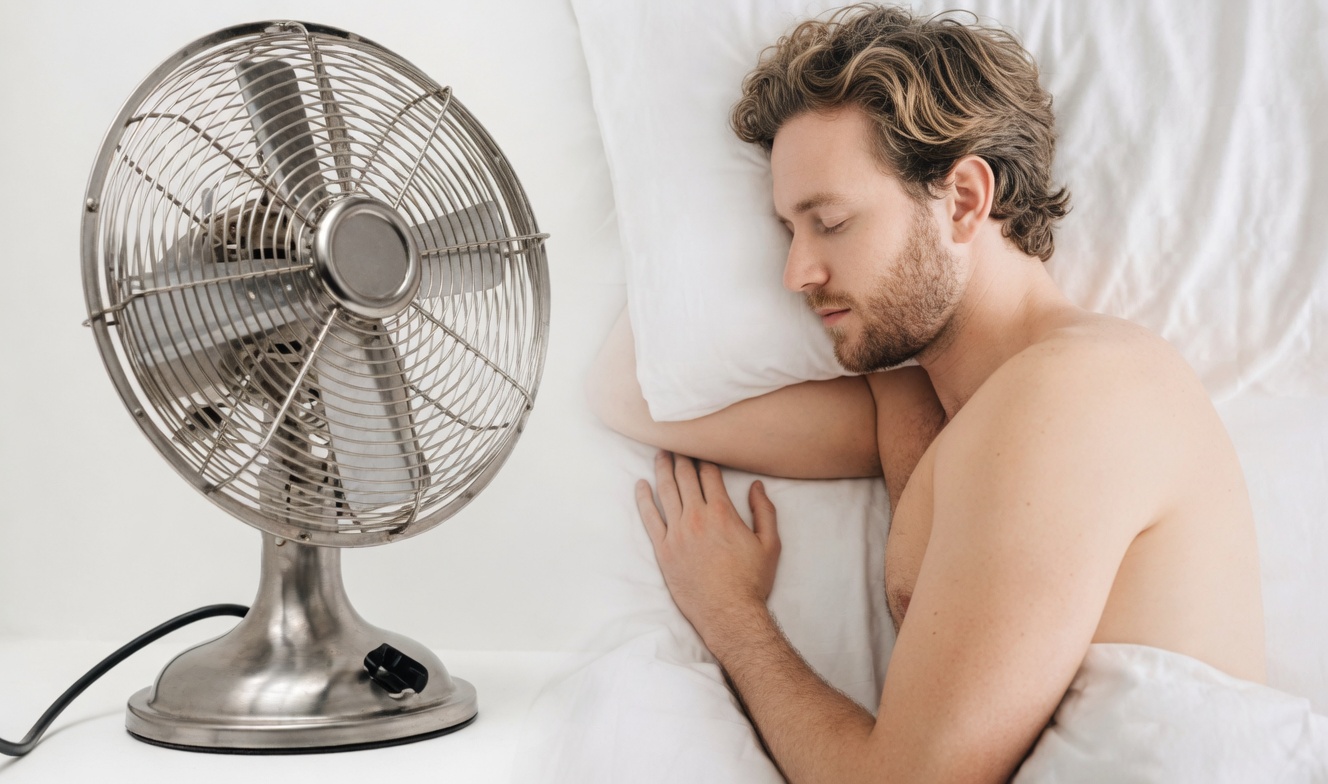
Even worse, these irritants can contribute to respiratory discomfort, making sleep feel lighter and less restorative. And allergens are only one piece of the puzzle.
It Can Make Allergies Worse
If you struggle with allergies, sleeping with a fan at night may intensify symptoms. Over time, fan blades collect dust, pet dander, and tiny particles. When the fan runs, it can scatter those allergens through the air—right into your breathing zone.
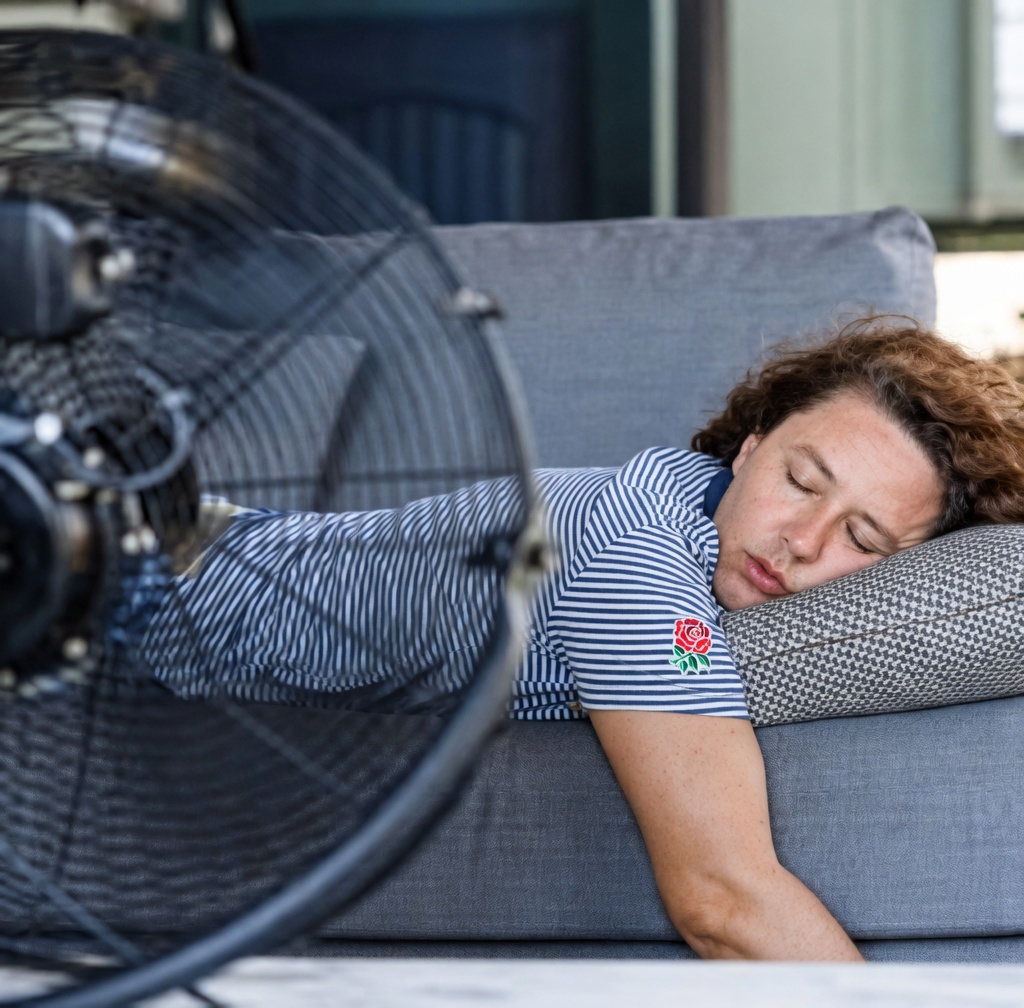
More exposure often means more sneezing, watery eyes, and poor sleep quality. Cleaning the fan and bedroom helps, but it’s worth considering cooling options that don’t constantly kick particles back into circulation.
It May Trigger Sinus Dryness and Irritation
Continuous airflow can dry out your nose and throat, which may lead to sinus pressure, headaches, or that “coming down with a cold” feeling in the morning. When nasal passages dry, your body may respond by producing extra mucus—causing stuffiness that disrupts sleep.
This can be especially uncomfortable if you’re already prone to allergies, sinus issues, or seasonal congestion. Moisture-balanced cooling strategies often work better than forcing dry air across your face all night.
It Could Leave You Stiff or Sore
A fan pointed directly at your body can cool specific areas for hours—especially the neck, shoulders, and upper back. That prolonged exposure may contribute to muscle tightness or soreness, making you wake up feeling stiff and uncomfortable.
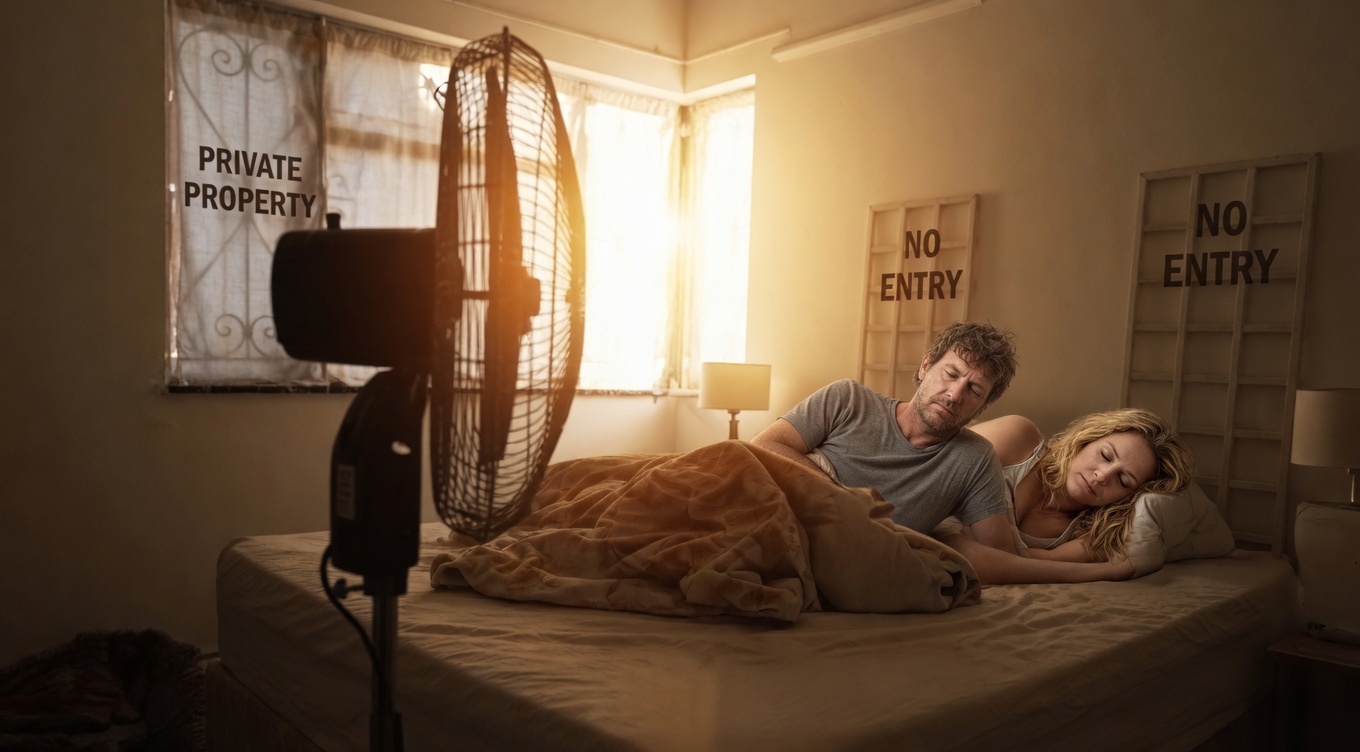
Repositioning the fan can reduce the problem, but if you frequently wake up with aches, it may be a sign that direct airflow isn’t the best overnight cooling method for you.
It Might Dry Your Skin and Irritate Your Eyes
Because airflow speeds up evaporation, sleeping with a fan can pull moisture from your skin and eyes. This can cause tight, flaky skin or irritated eyes—particularly if you wear contact lenses or already have sensitive skin.
For people with eczema or dryness-prone skin, the effect can feel even more noticeable. While moisturizers can help, creating a more balanced sleep environment is often a better long-term fix.
It Can Increase Congestion
Dry airways can prompt your body to make more mucus, which may result in nasal congestion and pressure. You might wake up with a blocked nose, headache, or restless “can’t breathe comfortably” feeling—despite not being sick.
Staying well-hydrated can reduce this issue, but it’s also important to avoid cooling methods that dry out your respiratory system in the first place.
Potential Noise Disruption
Even quieter fans create a low hum, vibration, or inconsistent sounds that can disturb sensitive sleepers. If noise wakes you easily, a fan may interrupt deep sleep, leaving you groggy the next day. While some people enjoy fan noise as white noise, others sleep best with minimal sound.
It May Lead to Interrupted Sleep
A fan can sometimes cause temperature swings—feeling too cold in one moment and too warm in the next. That mismatch can lead to frequent wake-ups, especially if the airflow hits your body directly or shifts as you move.
The Limits of Fan Cooling
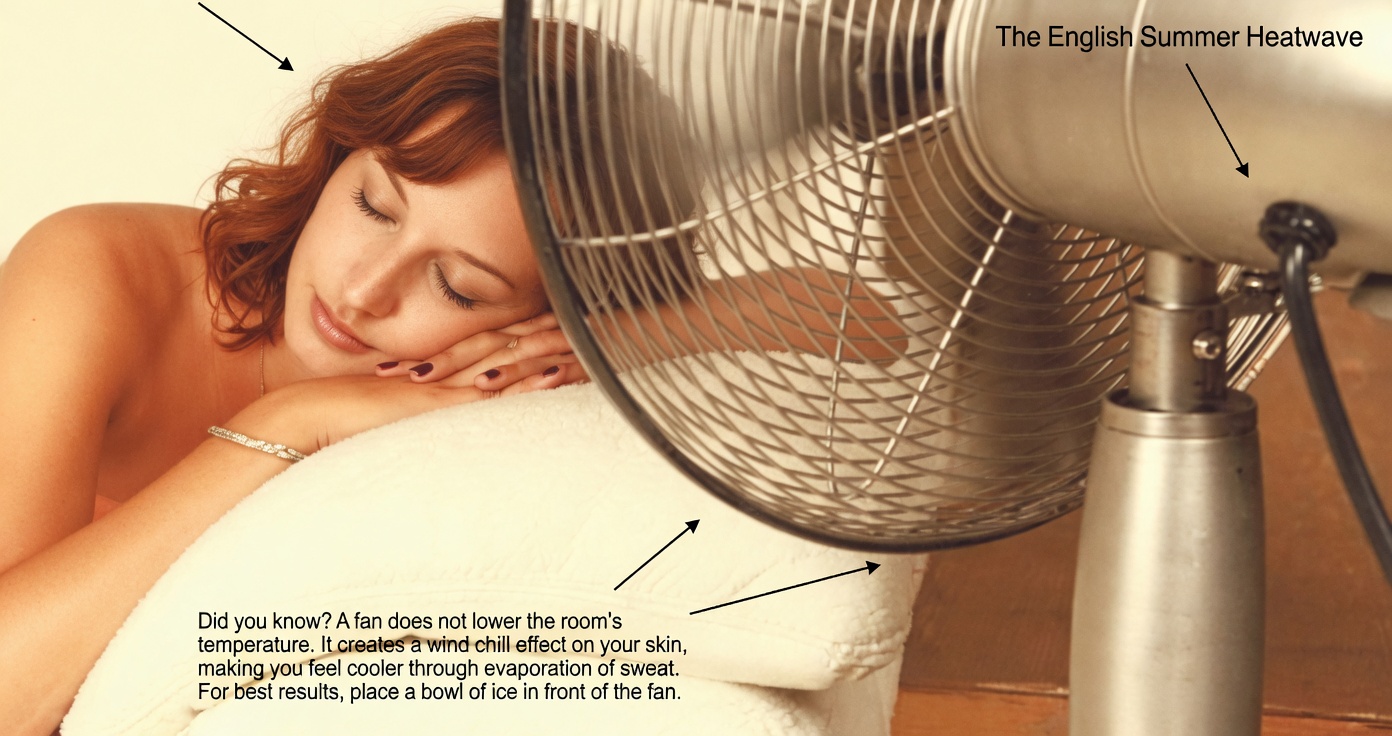
A key issue is that a fan mostly provides a wind-chill effect, not true temperature reduction. In extreme heat, it may not keep your core body temperature at an ideal level for sleep—so you may still sweat, toss, and turn, even with the fan running all night.
Better Alternatives to Stay Cool (Without the Drawbacks)
Instead of relying on sleeping with a fan at night, try these practical ways to create a cooler, more sleep-friendly environment:
- Switch to breathable bedding: Cotton or bamboo sheets help wick moisture and reduce that sticky, overheated feeling.
- Take a warm shower before bed: Afterward, your body temperature drops, which can support faster sleep onset.
- Stay hydrated: Drinking enough water throughout the evening helps your body regulate heat more efficiently.
- Use blackout curtains: Blocking daytime sunlight can keep your room noticeably cooler at night.
- Try a cooling mattress pad: Many are designed to draw heat away quietly, without drying the air or blowing allergens around.
Step-by-Step Guide to Cooler Nights
Use this simple routine to sleep comfortably without sleeping with a fan at night:
- Check your room temperature: Aim for 60–68°F (15.5–20°C) if possible, using a basic thermometer.
- Reduce allergens: Dust and vacuum regularly, especially near the bed and vents.
- Optimize your bedding: Choose lightweight, moisture-wicking layers rather than heavy blankets.
- Build a wind-down routine: Dim lights about an hour before sleep and keep bedtime consistent to support deeper rest.
- Track what works: Note sleep quality for a week and adjust based on what improves comfort and congestion.
Final Thoughts: Rethink Your Nighttime Cool-Down
While sleeping with a fan can feel like a quick fix, the trade-offs—allergen circulation, dryness, congestion, muscle stiffness, and disrupted sleep—may outweigh the short-term comfort. By shifting to breathable materials, better room management, and cooling tools designed for sleep, you can stay comfortable at night without waking up feeling irritated or unrested.