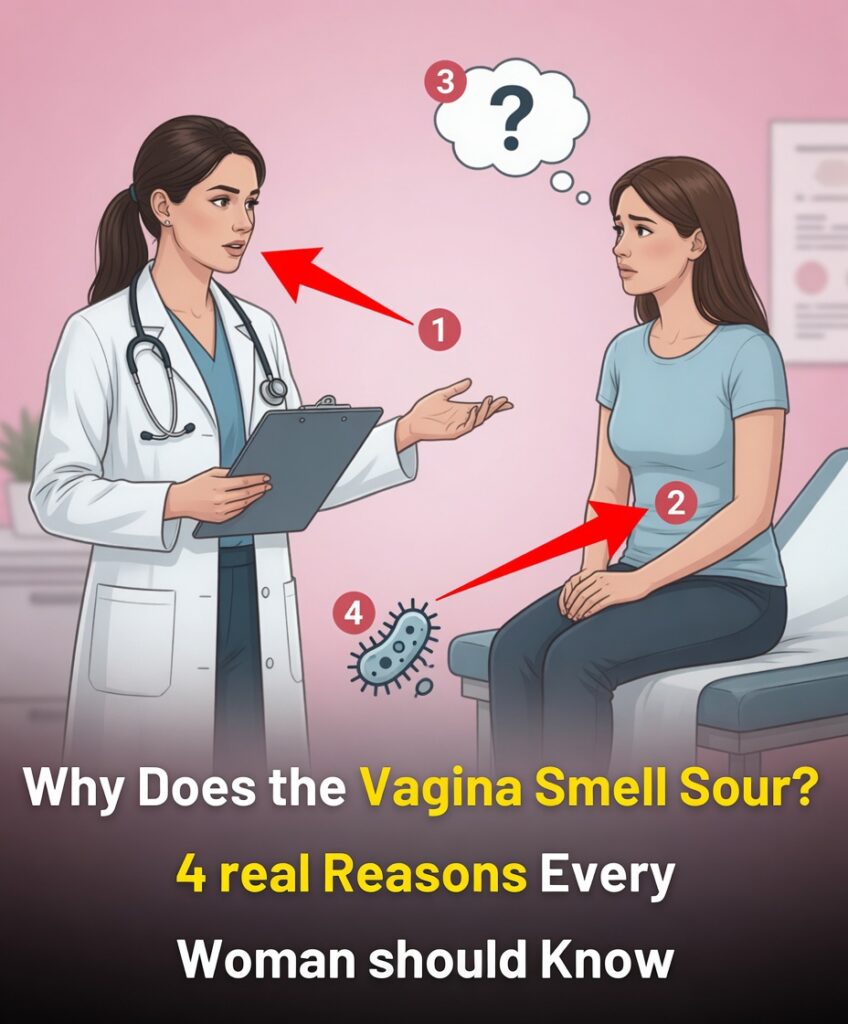
Sour Vaginal Smell: What It Means, What’s Normal, and When to Get Help
Many women notice shifts in vaginal odor over time—and a sour vaginal smell can feel especially unsettling. It may spark worry about hygiene, intimacy, or whether something is “wrong.” In most cases, these scent changes reflect normal biology, not a problem. Once you understand why odor varies, you can respond calmly, support your vaginal health, and know when it’s time to seek medical advice.
Understanding Normal Vaginal Odor (and Why It Changes)
Vaginal odor isn’t a sign of poor cleanliness. The vagina has a naturally self-regulating environment shaped by hormones, sweat, diet, sex, hydration, and menstrual cycle changes. A healthy vagina typically maintains an acidic pH (about 3.8–4.5), which helps prevent harmful bacteria from multiplying.
A sour or tangy scent often comes from lactobacilli, the “good” bacteria that protect the vaginal microbiome. Because the microbiome can shift quickly—sometimes even within the same day—your scent can change too. That variation is usually harmless, even if it makes you feel self-conscious.
1. Tangy or Fermented: The Most Common Sour Vaginal Smell
A tangy, yogurt-like, or fermented smell is one of the most typical “sour” vaginal odors. It’s often linked to lactobacilli doing their job: producing acids that keep the vaginal environment protective.
This scent can feel more noticeable:
- After exercise or sweating
- During certain points in your menstrual cycle
- When you’re dehydrated
- After dietary changes (especially high sugar or heavily processed foods)
In general, a sour smell on its own is not a red flag. The key is whether it’s paired with new symptoms like itching, burning, pain, or unusual discharge.
2. Coppery or Metallic (Like a Penny): When Blood Affects Odor
Sometimes a sour vaginal smell comes with a metallic or copper-like note. This is most commonly caused by menstrual blood, spotting, or light bleeding after sex. Blood can temporarily alter the vaginal environment and make odor more noticeable.
Another common factor is semen, which has a higher pH than the vagina and may briefly shift vaginal acidity after unprotected sex. That can create a short-term change in smell that resolves on its own.
Consider checking in with a healthcare professional if:
- Bleeding is unusual for you
- The smell persists well beyond your period
- You also have pelvic pain or abnormal discharge

3. Slightly Sweet or Molasses-Like: A Normal Microbiome Shift
A vaginal scent that seems faintly sweet, earthy, or molasses-like can occur when your bacterial balance shifts subtly—often due to hormonal changes. Some women notice this more:
- During ovulation
- During perimenopause or menopause
- With major changes in stress, sleep, or diet
This type of scent is typically not concerning unless it comes with discomfort or discharge changes. Staying hydrated and supporting overall nutrition can help keep things more consistent.

4. Skunky or “Body Odor” Scent: Sweat, Stress, and the Groin Area
A skunky, musky, or body-odor-like smell can blend with a sour vaginal smell—especially on hot days or during stressful periods. This often comes from sweat glands in the groin (apocrine glands) and how sweat interacts with skin bacteria and vaginal bacteria nearby.
What can help:
- Wearing breathable cotton underwear
- Changing out of damp workout clothes quickly
- Using gentle, unscented laundry detergent for underwear
- Managing stress (because stress sweat can smell stronger)
This is common and doesn’t mean you’re “unclean”—it’s a normal body response.

Other Odors That Can Mimic Sour Vaginal Smell (and What They Might Mean)
Not every unusual smell is part of a normal shift. These patterns may signal something that needs attention:
-
Bleach or chemical-like smell
- Can be linked to concentrated urine (dehydration) or temporary pH shifts
- If persistent, consider medical guidance—especially if irritation is present
-
Fishy odor
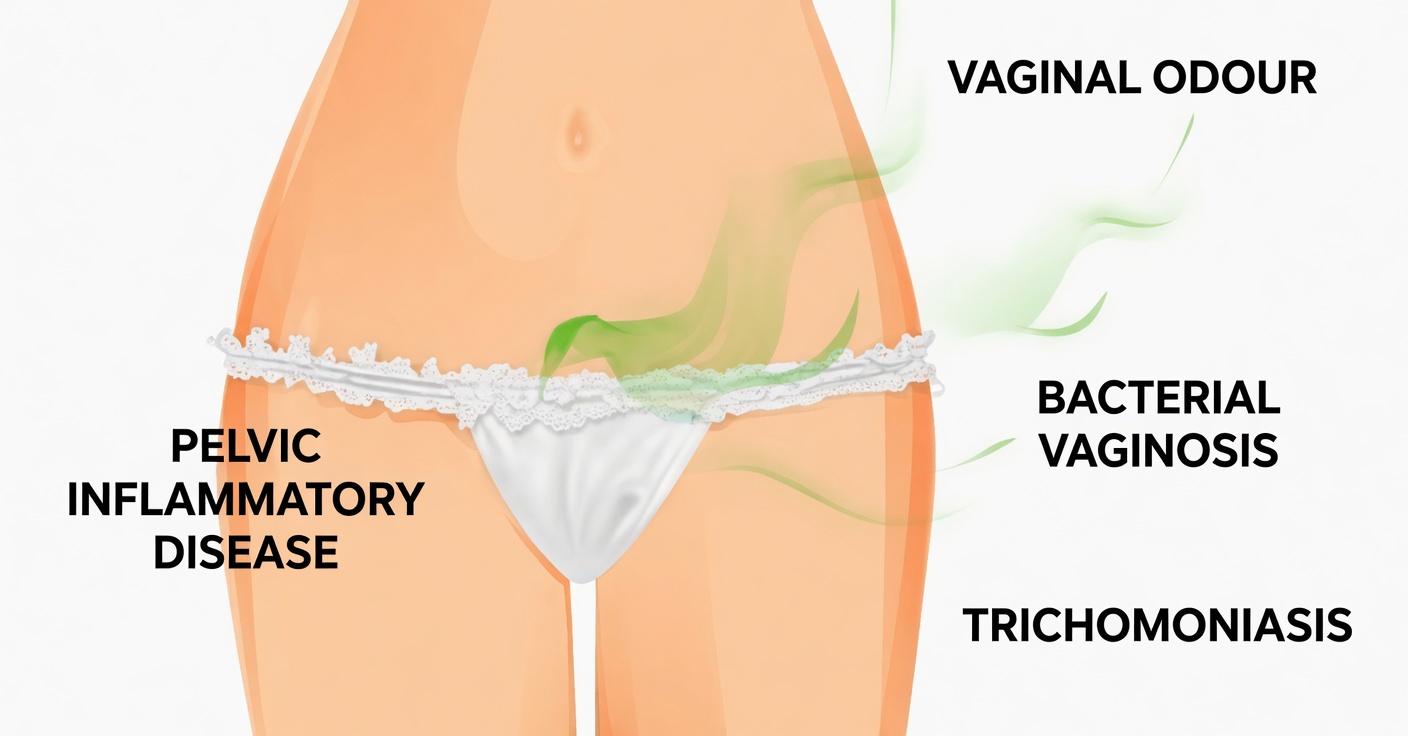
- Often associated with bacterial vaginosis (BV)
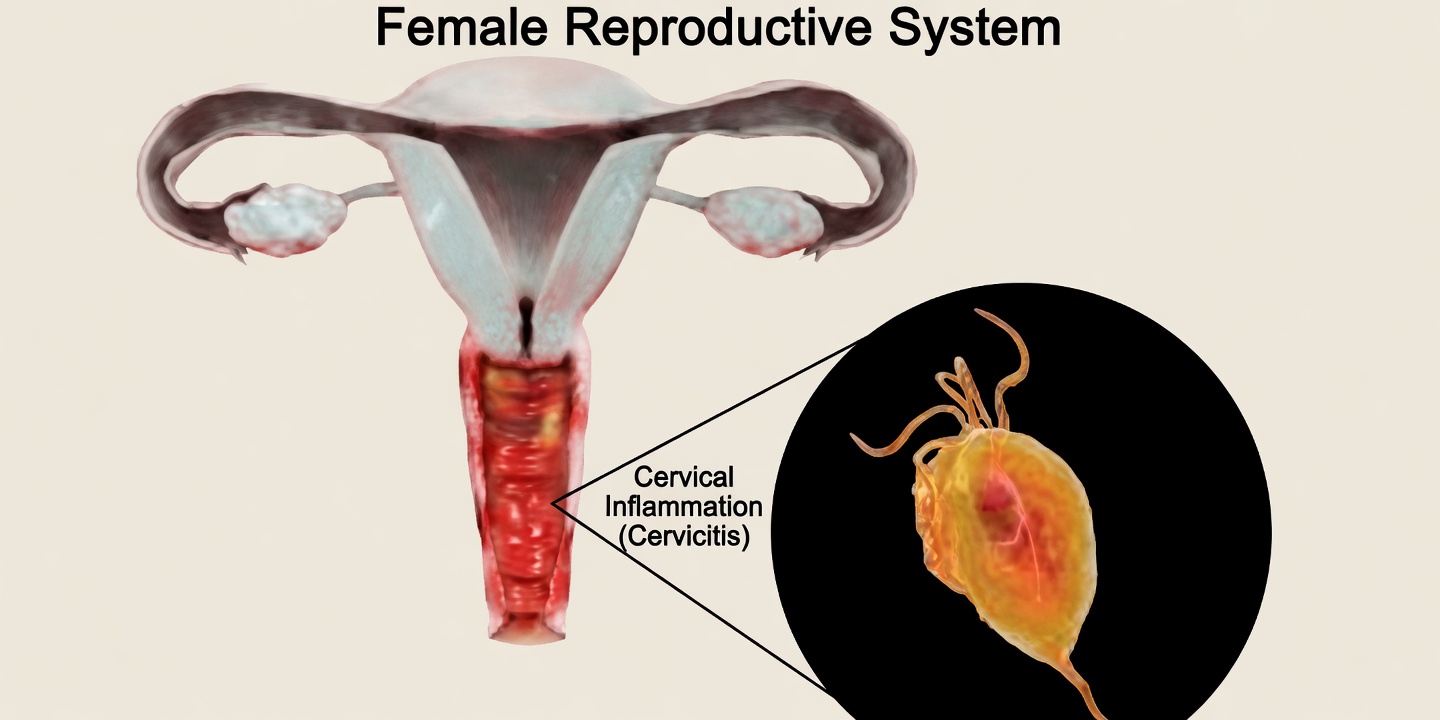
- Can also be linked to trichomoniasis (a treatable STI)
- Usually accompanied by discharge changes (color/consistency) and sometimes irritation
-
Rotten or decaying odor
- Rare, but important to take seriously
- A common cause is a forgotten tampon or retained object
- Seek prompt medical care if you can’t remove it easily or symptoms persist
Practical Tips to Manage Vaginal Odor (Without Overdoing It)
If a sour vaginal smell is bothering you, these steps can help you feel more in control while supporting a healthy microbiome:
-
Track your cycle
- Note when odor changes occur (period, ovulation, post-sex). Patterns reduce anxiety and help you spot true abnormalities.
-
Keep cleansing simple
- Wash the external vulva with water or a gentle, unscented cleanser.
- Avoid douching and heavily scented products—they can trigger irritation and imbalance.
-
Support helpful bacteria through diet
- Include probiotic-rich foods like yogurt, kefir, or fermented vegetables if they work for you.
-
Hydrate consistently
- Adequate water intake helps reduce strong urine odors that can mix with natural vaginal scent.
-
Choose breathable clothing
- Cotton underwear and looser fits reduce sweat buildup and trapped moisture.
Quick Reference: Common Odors, Likely Causes, and When to Worry
| Odor type | Most likely cause | When to worry |
|---|---|---|
| Tangy / sour | Lactobacilli and normal acidic pH | If paired with itching, burning, pain, or unusual discharge |
| Coppery / metallic | Menstrual blood, spotting, semen pH changes | If bleeding is irregular, persistent, or painful |
| Slightly sweet / earthy | Mild pH or hormone shifts | Usually minimal concern unless symptoms appear |
| Skunky / musky | Sweat, stress, tight clothing, humidity | If persistent with irritation or rash |
| Fishy | BV or trichomoniasis | Often warrants testing and treatment |
| Rotten / putrid | Retained tampon/object or infection | Seek care promptly |
When to See a Healthcare Professional
Make an appointment if a sour vaginal smell is accompanied by any of the following:
- Itching, burning, or swelling
- Pain during sex or pelvic pain
- Discharge that is unusual (gray, green, frothy, thick clumps, or suddenly heavy)
- Bleeding between periods or after sex that’s new for you
- Odor that becomes strong and persistent despite gentle hygiene
If you suspect BV, a yeast infection, or an STI, testing matters—because the right treatment depends on the cause.
A Surprising Tip: Stop Trying to Smell “Like Nothing”
One of the most helpful mindset shifts is this: a healthy vagina is not odorless. Chasing a “no scent” standard often leads to over-washing, scented products, or douching—habits that can disrupt pH and make odor issues worse.
Instead, aim for a consistent baseline that feels normal for your body. If your scent changes sharply or comes with symptoms, that’s your cue to investigate—not to scrub harder.