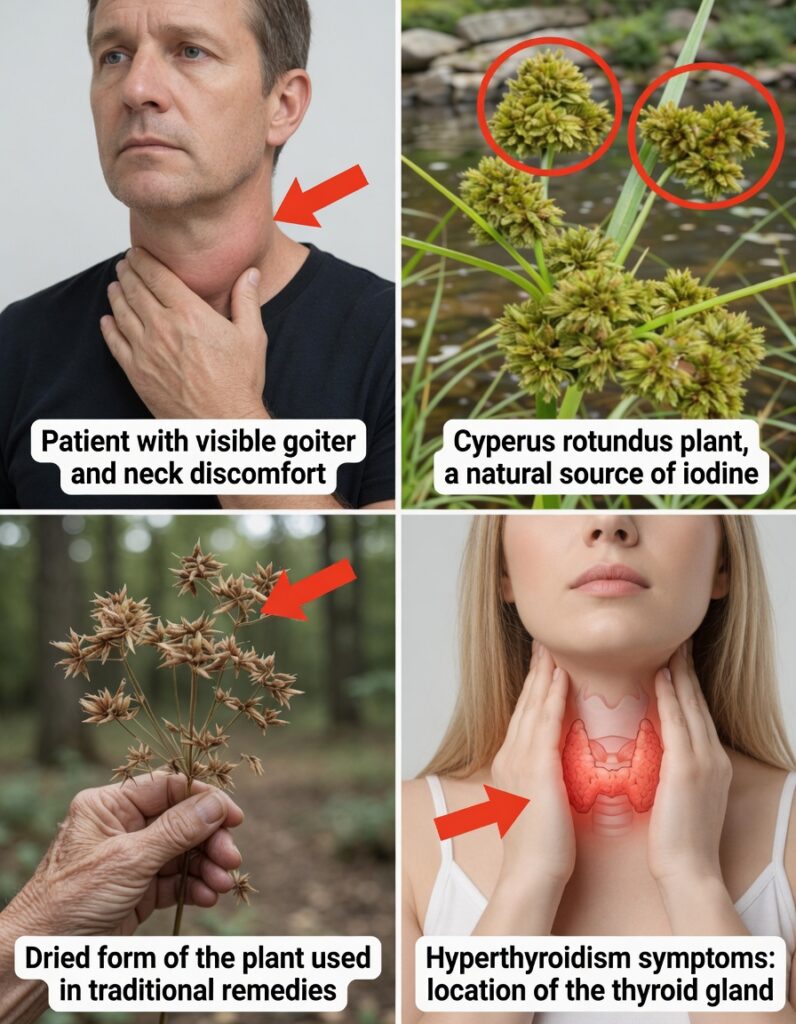
Many people deal with everyday discomforts such as occasional post-meal bloating, mild digestive unease, or feeling “off” during busy, stressful periods. When these issues interrupt your routine, it’s natural to look for gentle, plant-based ways to support balance—without depending entirely on conventional solutions.
What if a familiar plant—often written off as a stubborn weed—held supportive qualities recognized for centuries and increasingly explored by modern research? Cyperus rotundus (commonly known as nutgrass, purple nut sedge, or Nagarmotha in Ayurveda) is one such herb. Below, you’ll learn what makes it distinctive, what tradition and research suggest, and how people commonly use it today.
What Makes Cyperus rotundus Unique?
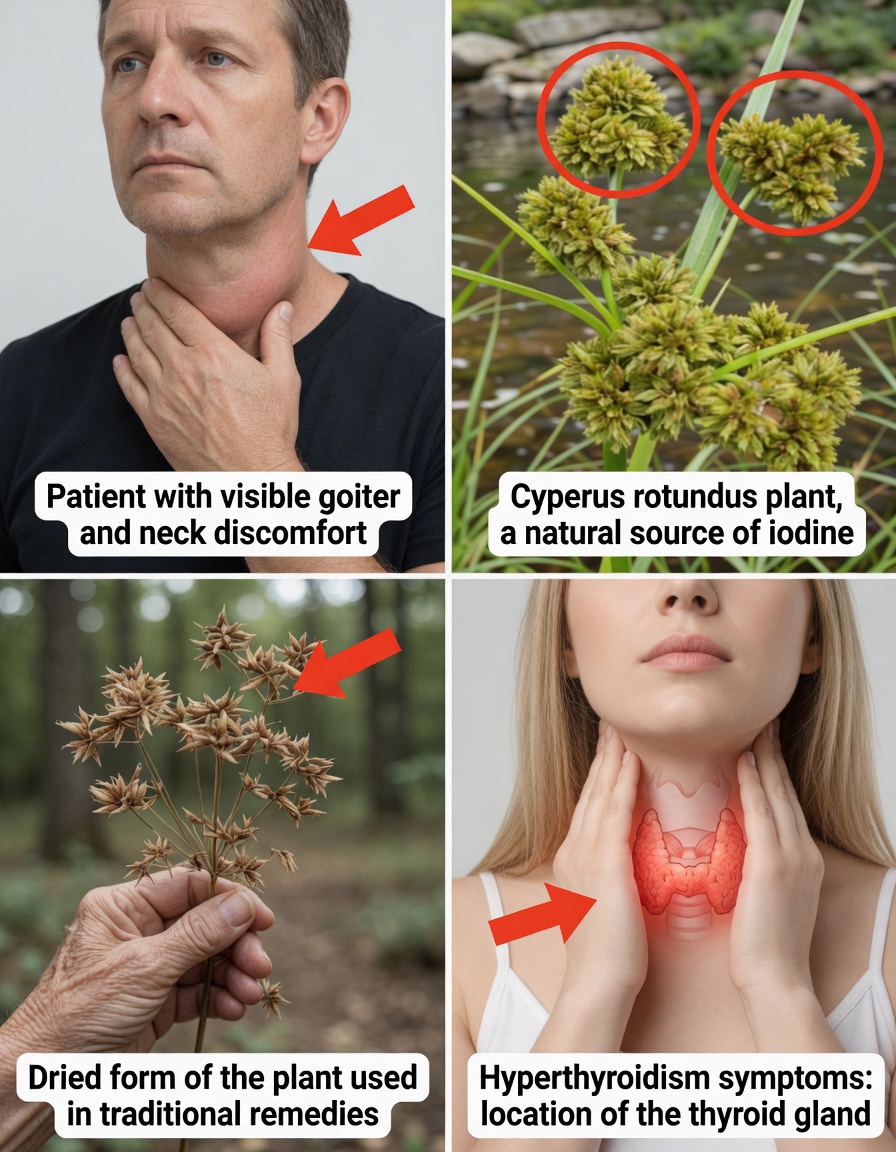
Cyperus rotundus grows widely across tropical and subtropical regions. Although gardeners frequently consider it invasive—especially because of its persistent underground tubers—traditional health systems such as Ayurveda, Traditional Chinese Medicine (TCM), and Unani have long valued those same tubers for wellness applications.
Key bioactive compounds found in the tubers
The plant’s tubers contain a diverse range of naturally occurring constituents, including:
- Volatile oils
- Sesquiterpenes (including compounds like cyperene)
- Flavonoids and polyphenols
- Alkaloids and terpenoids
This broad chemical profile helps explain why nutgrass is traditionally used in a whole-body, balancing way—rather than being limited to one single purpose.
Tradition Meets Modern Research
Across Asia, the Middle East, and parts of Africa, practitioners have used Cyperus rotundus for generations to support digestive comfort, women’s wellness, and overall equilibrium. Today, scientists are investigating these traditional observations with laboratory and animal studies to understand potential mechanisms.
Areas that research frequently explores include:
- Antioxidant activity: Its polyphenols may help neutralize free radicals, supporting cellular protection in the context of everyday oxidative stress.
- Anti-inflammatory potential: Certain compounds appear to interact with inflammation-related pathways in preclinical models.
- Metabolic balance support: Early studies in cells and animals suggest possible effects on glucose handling and lipid metabolism.
These insights help clarify why this “ordinary” plant continues to attract attention from both researchers and wellness-focused readers.
8 Potential Supportive Benefits Discussed in Tradition and Studies
Nutgrass is often described as a holistic herb, with traditional uses spanning multiple body systems. Below are widely cited areas of interest, combining historical use with available preclinical research.
-
Digestive Comfort
Traditionally used as a carminative, it may support occasional gas, bloating, and feelings of heaviness after meals. Some models of digestive imbalance also suggest possible effects on digestive processes and regularity. -
Menstrual and Hormonal Balance
In traditional women’s wellness practices, it has been used to support cycle regularity and ease mild menstrual discomforts such as cramps or PMS-like symptoms. Research is still emerging, but interest in related pathways continues. -
Support for Healthy Inflammatory Response
Preclinical findings suggest certain constituents may help the body manage typical, day-to-day inflammatory activity—an area relevant to joint and muscle comfort. -
Metabolic and Weight Wellness
Cell and animal research has explored its potential relationship with fat metabolism, appetite signaling, and fluid balance (including water retention). These topics are increasingly studied in the context of overall metabolic wellness. -
Antioxidant Support and Healthy Aging
With a notable polyphenol content, Cyperus rotundus may contribute to antioxidant defenses that support skin vitality, hair health, and general resilience. -
Immune and Microbial Defense Support
Traditional antimicrobial uses align with laboratory studies showing activity against certain microbes, suggesting potential support for the body’s natural defense systems. -
Stress Resilience and Mental Clarity
In some herbal traditions, it is regarded as mildly adaptogenic, meaning it may help the body cope with everyday stressors—supporting steadier mood, better rest, and improved focus. -
Nervous System Calm
Historical use includes soothing nervous tension, and some preclinical research connects its properties to emotional balance and calming support.
Traditional vs. modern perspectives (at a glance)
- Traditional emphasis: digestive support, menstrual comfort, fever-related applications
- Modern research focus: antioxidant capacity, metabolic effects, anti-inflammatory pathways
- Shared theme: broad, balancing support across multiple systems
Practical Ways People Use Cyperus rotundus
If you want to explore this herb, a cautious and consistent approach is usually recommended—starting with a small amount and observing how you respond.
Common forms include:
-
Powder
Typical traditional use ranges around 1–3 grams daily, often mixed into warm water or honey (commonly used for digestion or women’s wellness support). -
Tea / Decoction
Simmer about 1 teaspoon of dried tuber in water for 10–15 minutes. Many people choose this in the evening for relaxation and digestive comfort. -
Essential oil
Use only highly diluted for topical applications (such as massage for localized comfort) or for diffusion. Patch-testing is important due to sensitivity risks. -
Capsules
Follow label directions for standardized extracts and dosing guidance.
A simple routine some people adopt is a mild evening tea, aiming to unwind while supporting post-meal comfort. As with any botanical product, choose reputable sourcing to help ensure purity and quality.

Safety Notes and Precautions
Cyperus rotundus is often considered well-tolerated in short-term traditional use and in some studies, but precautions still matter.
Potential considerations include:
-
Excess intake may cause mild digestive upset in some individuals.
-
Avoid during pregnancy or breastfeeding due to limited safety data and traditional cautions related to uterine effects.
-
Use added caution if you have:
- Bleeding disorders
- low blood sugar concerns
- an upcoming surgery
This is because the herb may influence clotting or glucose-related pathways in some contexts.
This article is for informational purposes only and does not replace medical advice. Speak with a qualified healthcare professional, physician, or experienced herbal practitioner before adding any herb to your routine—especially if you have a health condition or take medications.
Final Thoughts
Cyperus rotundus is a compelling example of how traditional herbal knowledge can align with modern scientific curiosity. From digestive support and antioxidant potential to its broader balancing reputation, nutgrass invites a thoughtful, mindful approach to wellness.
Which potential benefit interests you most—digestive comfort, stress support, or overall balance?
FAQ
What is Cyperus rotundus commonly called?
It is widely known as nutgrass or purple nut sedge, and as Nagarmotha in Ayurvedic traditions.
Is nutgrass safe to use every day?
Short-term traditional use suggests it is often tolerated, but daily or long-term use should be discussed with a healthcare professional—especially if you have medical conditions, take medications, or are pregnant/breastfeeding.
How is it different from other digestive herbs?
Nutgrass is commonly described as carminative and may support digestive processes in a broad way. In traditional formulas, it is sometimes paired with herbs like ginger for more comprehensive digestive comfort.
Disclaimer: This content is educational and based on traditional use and available scientific literature. It is not intended to diagnose, treat, cure, or prevent any disease. Always seek professional medical advice for personal health concerns.