
Can Your Blood Type Affect Cancer Risk?
It’s natural to ask whether something as basic as your ABO blood type (A, B, AB, or O) could shape long-term health outcomes—especially the risk of developing cancer. Over decades, scientists have investigated links between blood groups and disease susceptibility, and a consistent theme has emerged in cancer research: blood type O is often associated with a slightly lower relative risk for several common cancers, while blood type A is more frequently tied to modestly higher risk.
These patterns do not mean any blood type guarantees protection—or predicts cancer. Instead, they offer one more piece of context for understanding your overall health profile.

What Research Shows About ABO Blood Types and Cancer Risk
A large systematic review and meta-analysis of observational studies evaluated how ABO blood groups relate to overall cancer risk. Across pooled data, researchers found:
- Blood group A tended to show a modestly increased cancer risk
- Blood group O tended to show a decreased risk compared with non-O groups
Because ABO antigens are genetically determined, researchers have proposed that these markers may subtly influence immune signaling, inflammation, cell adhesion, and interactions with infections—all of which can matter in cancer development.
Even if these differences are small, they help explain why cancer vulnerability can vary across populations and reinforce the importance of staying proactive about prevention.

Why Blood Type O Often Appears to Have Lower Cancer Risk
Across many studies, type O frequently shows the lowest relative risk for several cancer types when compared with non-O blood groups (A, B, and AB). Common findings include:
- Pancreatic cancer: Multiple analyses, including large cohort studies, report higher risk in non-O groups, with type O repeatedly showing the lowest risk trend.
- Gastric (stomach) cancer: Blood type A is often associated with higher risk, while type O commonly shows more protective patterns. Some researchers suggest this may relate to differences in susceptibility to H. pylori, a bacterium strongly linked to chronic stomach inflammation.
- Other cancer sites: Reduced odds for people with type O have been reported in various reviews for colorectal, breast, esophageal, ovarian, and other cancers—though findings can vary by study design and population.
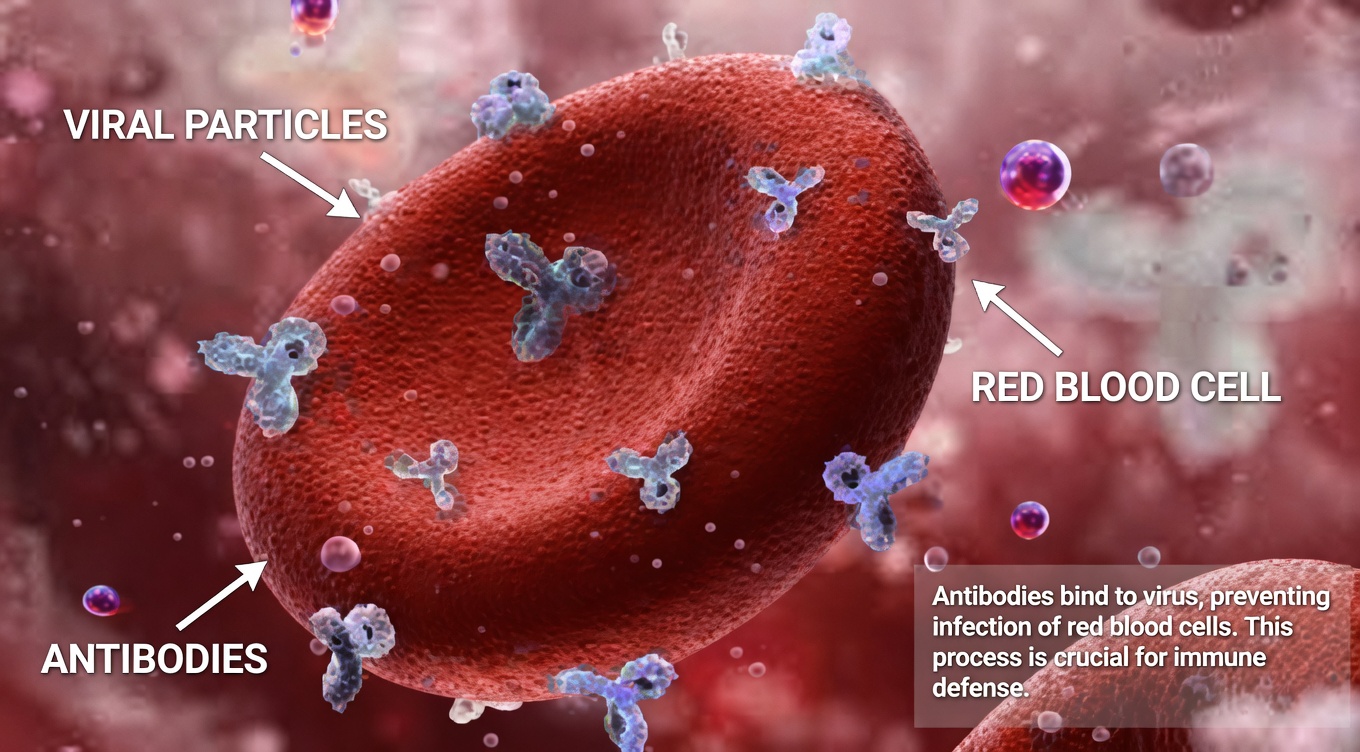
A leading hypothesis is that people with type O lack A and B antigens, which may influence inflammatory pathways and infection-related mechanisms involved in tumor formation.
Cancer Risk Trends by Blood Type (Simplified Overview)
Based on meta-analyses and cohort research, here is a high-level summary of commonly reported patterns:
- Type O
- Overall trend: Often the lowest risk in pooled analyses
- Lower-risk associations commonly reported: Pancreatic, gastric, colorectal, breast, ovarian
- Higher-risk associations: Fewer consistent elevations across studies
- Type A
- Overall trend: Often among the highest
- More frequent higher-risk links: Gastric and pancreatic (and sometimes breast, depending on the dataset)
- Type B
- Overall trend: Mixed, sometimes slightly elevated
- Higher-risk links reported in some studies: Pancreatic (in certain analyses)
- Type AB
- Overall trend: Variable, sometimes higher
- Higher-risk links reported in some studies: Pancreatic and select others
These are relative associations, not certainty. A person’s real-world cancer risk is shaped far more by factors like age, smoking, alcohol use, obesity, diet, infections, family history, and screening behavior.
Possible Biological Reasons Type O May Be Protective
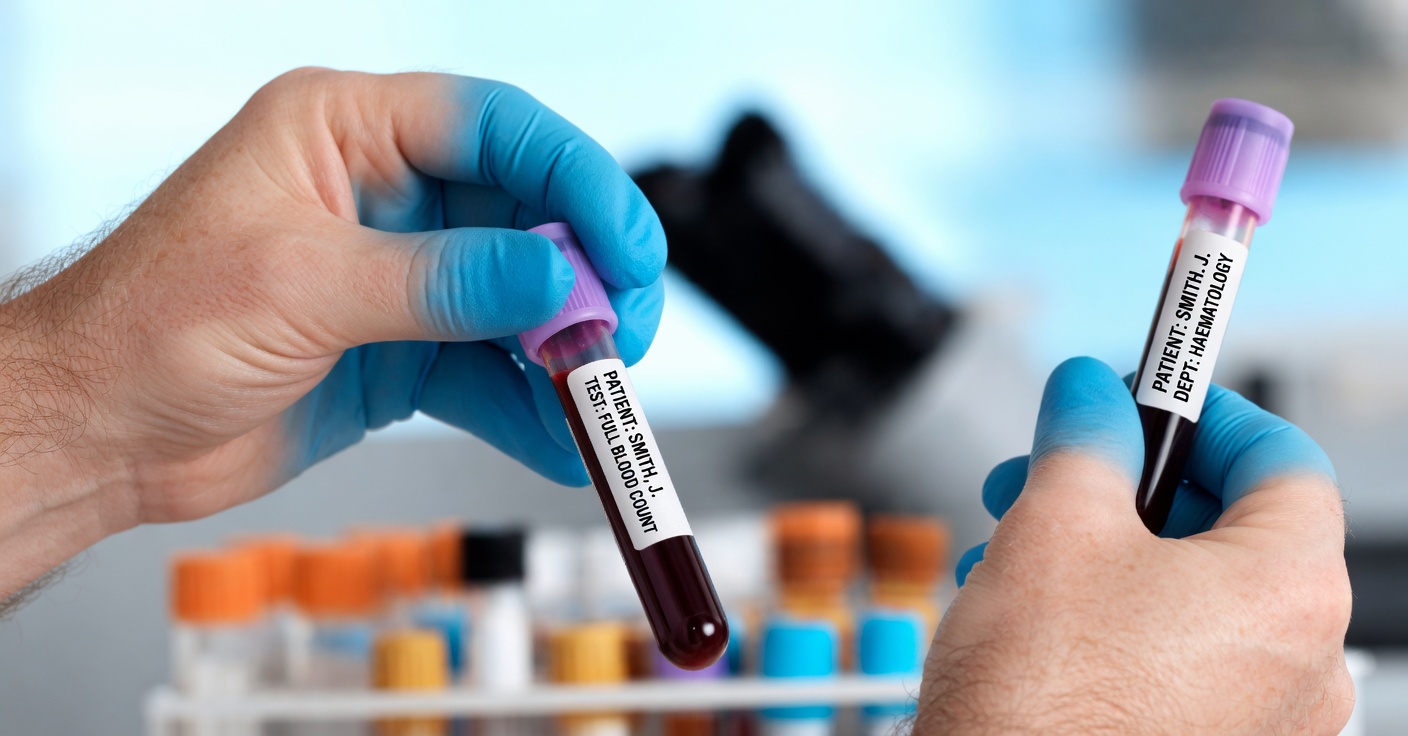
Researchers continue to explore why blood type might correlate with cancer risk. Proposed explanations for type O’s apparent advantage include:
- Different inflammatory responses: ABO antigens may influence systemic inflammation, which can contribute to cancer initiation and progression.
- Infection interactions: Variations in how the body interacts with microbes (including H. pylori) could affect chronic irritation and long-term tissue damage.
- Cell signaling and adhesion differences: Blood group antigens may impact cellular behaviors that are relevant to tumor development.
Importantly, these mechanisms are still under investigation, and not every cancer follows the same pattern. Some studies suggest that for certain cancers (including specific head and neck cancers), other blood groups may show advantages—underscoring that no single trait explains cancer risk on its own.
What Large Studies Add to the Picture
Evidence isn’t limited to small datasets. Large population studies tracking people over many years have supported the overall trend that non-O blood types may have higher pancreatic cancer risk, while type O frequently aligns with lower risk in pooled analyses. For example, research including hundreds of thousands of participants has reported this pattern, strengthening confidence that the association is not purely random—while still remaining modest in size.
These findings can support more informed conversations with healthcare professionals, especially when combined with personal factors like family history and lifestyle.
Common Questions
-
Does having blood type O mean you can’t get cancer?
No. Any blood type can develop cancer. The reported differences are small and relative, and lifestyle plus screening has a much larger impact. -
Should people with type A, B, or AB be more worried?
Not necessarily. Studies show slightly higher risk for certain cancers in some non-O groups, but the effect size is generally modest. Focus on risk factors you can control. -
Can lifestyle reduce risk regardless of blood type?
Yes. Evidence-based prevention steps—such as not smoking, maintaining a healthy weight, limiting alcohol, eating a balanced diet, staying active, and following screening guidance—support better outcomes for everyone.
Conclusion: Use the Information, Don’t Let It Define You
Research on blood type and cancer risk reveals consistent but modest trends, with blood type O frequently associated with lower relative risk across multiple cancers. While this is not a guarantee of protection, it adds one more layer to personalized health awareness and may encourage more thoughtful discussions about screening and prevention.
This article is for informational purposes only and does not replace professional medical advice. Consult a qualified healthcare provider for guidance tailored to your personal risk factors and screening needs.