A Market Moment That Reveals a Hidden Supergreen
One morning at a local market, an elderly woman discreetly pulled a small green plant from her grocery bag after noticing curious looks from people nearby. To most shoppers, it resembled nothing more than a scruffy weed—something you’d yank from a sidewalk crack without a second thought.
What many don’t realize is that this “ordinary” plant has been part of traditional diets for generations. Even more surprising: countless families walk past it every day, unaware it may offer nutrients that are uncommon in typical vegetables. And before you brush it off as another wild green, there’s one standout reason purslane continues to attract attention in nutrition research—something we’ll unpack as you read on.
What Is Purslane (Portulaca oleracea)?
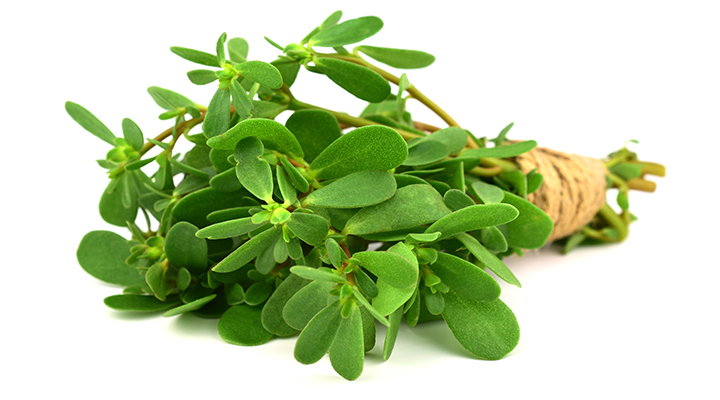
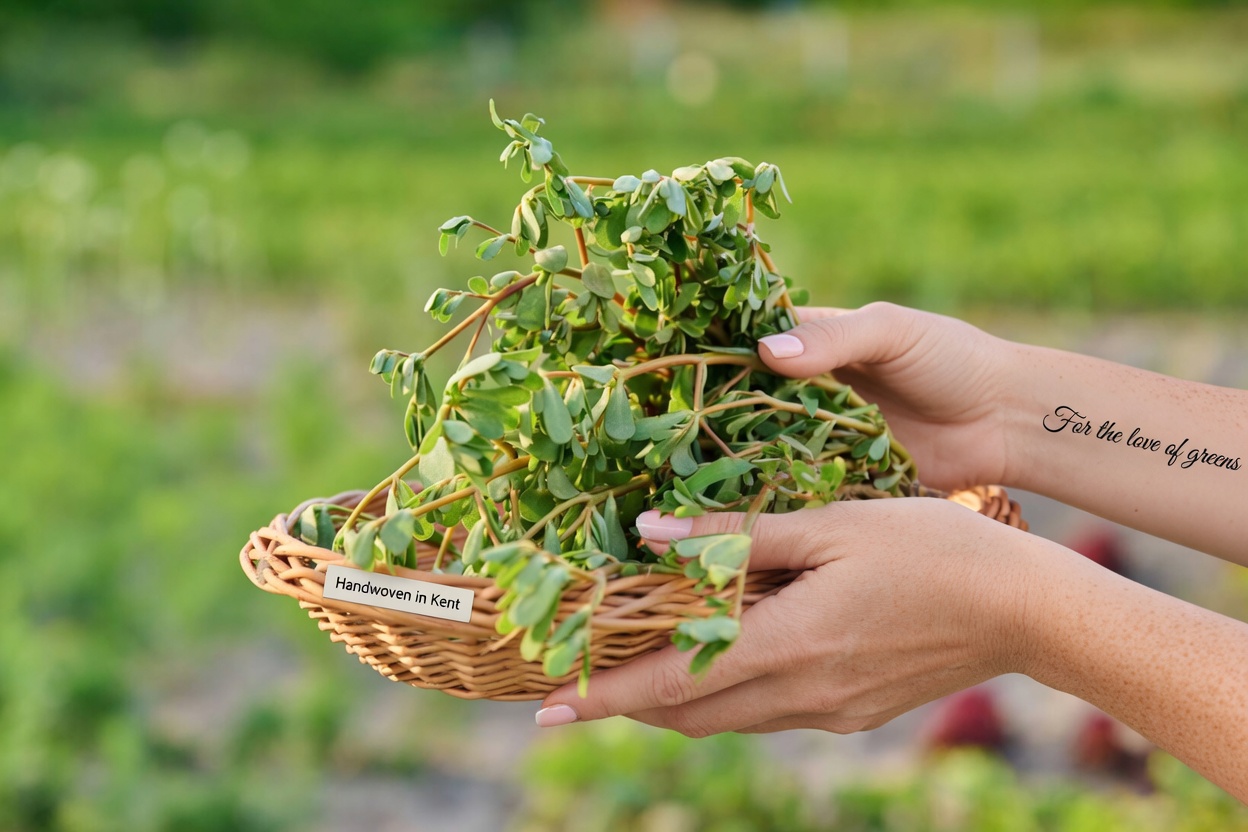
Purslane, or Portulaca oleracea, is a low-growing leafy plant that thrives in warm regions across the world. It spreads easily, grows fast, and often appears where it’s least expected—gardens, fields, and even between paving stones.
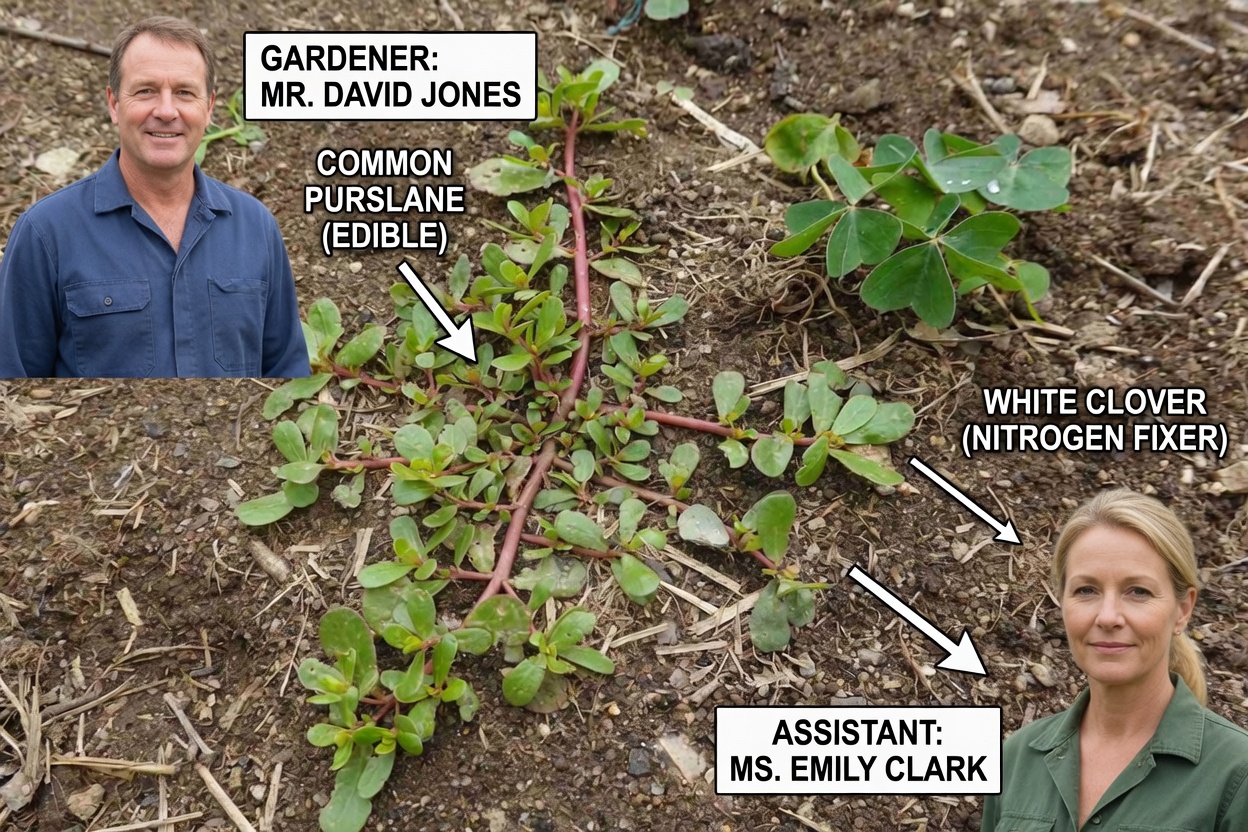
In Mexico, it’s widely known as verdolaga and has long been used in home cooking. Traditional recipes often incorporate verdolaga into soups, stews, and quick sautéed meals, especially in older family kitchens where “wild” ingredients were valued rather than avoided.
Why Scientists Are Paying Attention to Purslane
What makes purslane especially interesting is not just that it’s edible—it’s the unusual mix of nutrients it contains. While many leafy greens provide vitamins and minerals, purslane stands out because it offers a combination that rarely appears together in a single plant.
Research into edible wild plants has highlighted purslane as a source of:
- Omega-3 fatty acids
- Vitamins A, C, and E
- Potassium and magnesium
- Naturally occurring antioxidants
That first point is a big deal. Most greens are vitamin-rich, but very few contain meaningful amounts of plant-based omega-3s.
In addition, laboratory studies have identified compounds such as melatonin and glutathione, which are frequently discussed in scientific literature for their roles related to antioxidant activity and cellular protection.
Put simply: purslane delivers a surprisingly concentrated nutritional profile for such a modest-looking plant.
Purslane Nutrition at a Glance
Here’s a simple snapshot of key nutrients in purslane and why they matter:
- Omega-3 fatty acids: supports overall dietary balance
- Vitamin A: supports vision and skin health
- Vitamin C: supports immune function
- Magnesium: helps maintain normal nerve and muscle function
- Potassium: supports hydration and normal heart rhythm
No single food is a cure-all. However, adding more plant variety is one of the easiest ways to improve overall nutrition—and purslane can be a simple way to widen that variety.
How Purslane Differs From Most Leafy Greens
Omega-3s are usually associated with foods like salmon, sardines, chia seeds, flax, and walnuts. Purslane is notable because it’s among the rare land plants that naturally provide these fats.
This is one reason it’s often described as a nutrient-dense edible plant.
Purslane also contributes antioxidant compounds that may support the body’s normal balance against everyday stressors. Modern life exposes the body to multiple sources of stress—pollution, ultra-processed foods, and the effects of aging. Antioxidants are naturally occurring substances in foods that help maintain normal cellular balance.
Common antioxidant-rich foods include:
- Berries
- Olive oil
- Green vegetables
- Herbs and spices
Purslane quietly belongs on that same list—despite being dismissed as a “weed” in many places. Traditional cuisines valued it long before modern nutrition research began to measure its components.
The takeaway is simple: sometimes the most useful foods are the ones hiding in plain sight.
Easy Ways to Eat Purslane
One of the best things about purslane is how effortlessly it fits into everyday meals. Its taste is often described as mild, slightly tangy, and refreshing, which makes it easy to combine with familiar ingredients.
1) Morning Smoothie (Fresh and Simple)
Blend:
- A handful of fresh purslane
- Green apple
- Lemon juice
- A small piece of ginger
- Coconut water
This makes a crisp, hydrating drink with a variety of plant nutrients.
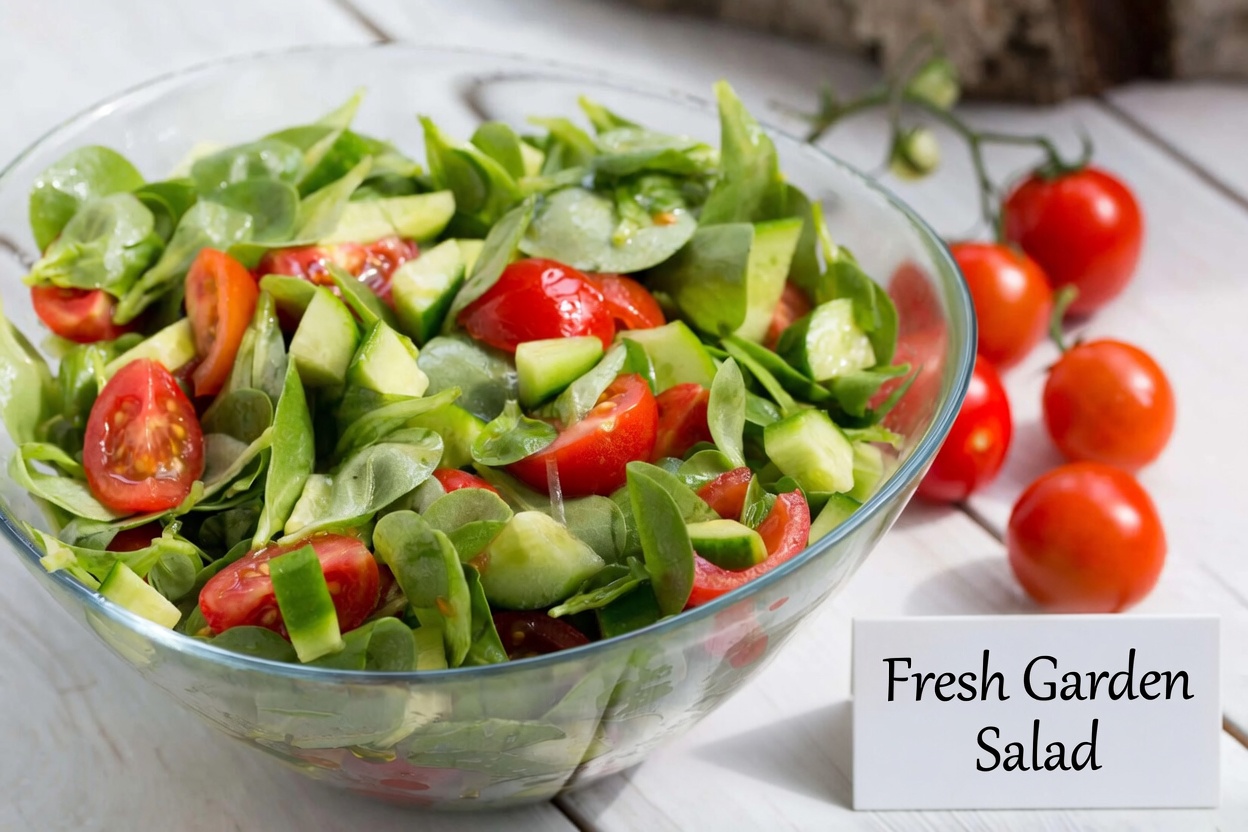
2) Raw Salad (Quick and Crisp)
Chop purslane and toss with:
- Cherry tomatoes
- Avocado
- Red onion
- Olive oil
- Apple cider vinegar
Because the leaves are tender, purslane works especially well in raw preparations.
3) Light Sauté (Fast and Flavorful)
Warm a little olive oil, then add:
- Garlic
- Turmeric
- Fresh purslane leaves
Cook only a few minutes—just enough to soften the leaves while keeping their fresh flavor.
Tip: purslane pairs particularly well with eggs, beans, and traditional Mexican-style sauces.
Practical Safety Tips Before Eating Purslane
If you’re using purslane from a garden or harvesting it from the wild, basic precautions matter.
Choose Clean Growing Locations
Avoid collecting plants from:
- Roadsides
- Areas treated with pesticides or herbicides
- Soil that may be contaminated or polluted
When possible, use purslane from a trusted market or a clean home garden.
Wash Thoroughly
Rinse several times with clean water to remove dirt and debris.
Store It Correctly
Purslane is best enjoyed fresh. Long storage can reduce texture and overall quality.
Who Should Use Extra Caution?
Purslane naturally contains oxalates. For individuals who have been advised to limit high-oxalate foods, moderation may be important.
If you’re uncertain whether purslane fits your needs, consult a qualified healthcare professional for personalized guidance.
How to Add Purslane to a Balanced Diet (Practical Plan)
To make it easy and sustainable, start small and build consistency:
- Add a small handful to salads once or twice per week
- Mix it with familiar foods like eggs or beans
- Rotate it with other greens such as spinach, romaine, or arugula
- Prioritize variety, rather than depending on one “superfood”
A healthy diet is created by many foods working together. Purslane won’t do everything—but it can contribute something unique.
Final Thoughts
Purslane may look like an ordinary plant growing in garden beds or between stones, but its nutritional makeup has earned growing interest among researchers and nutrition-focused professionals. With its mix of vitamins, minerals, antioxidants, and rare plant-based omega-3 fatty acids, this humble green stands out among edible leafy plants.
The bigger lesson is timeless: some of the most valuable ingredients are the ones our grandparents already recognized as food. Rediscovering traditional plants like purslane may be a simple way to bring more balance and diversity back to modern meals.
FAQ
Is purslane safe to eat?
Yes. Purslane has been eaten in many cultures for centuries. Wash it well and enjoy it as part of a varied, balanced diet.
What does purslane taste like?
Most people find it mildly lemony, fresh, and slightly crisp, which makes it great for salads, soups, and quick sautés.
Can purslane replace other vegetables?
No. Purslane is best used alongside a wide range of vegetables and fruits, not as a full replacement.
Medical Disclaimer
This article is for educational purposes only and is not a substitute for professional medical advice. Always consult a qualified healthcare professional before making significant changes to your diet or health routine.