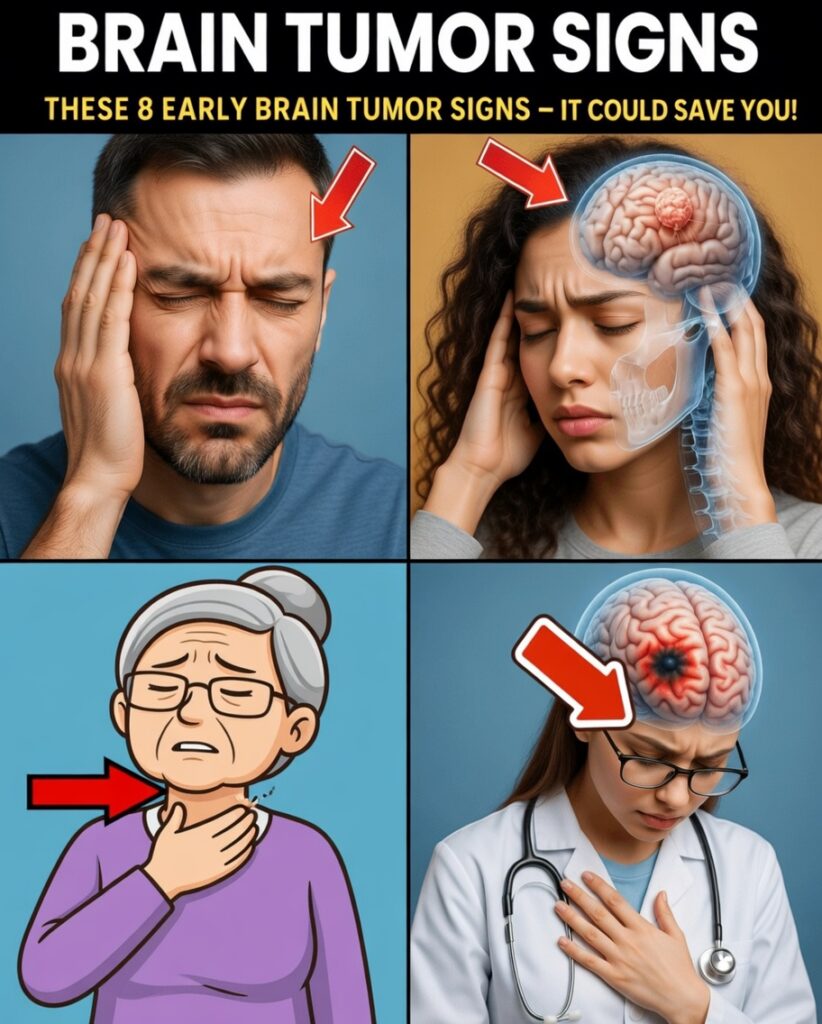
Nearly 94,000 people in the United States are diagnosed with a brain tumor each year, and more than one million are currently living with a primary brain tumor. Yet many cases aren’t recognized for months—or even years—because the early warning signs of a brain tumor can be so mild that they’re easily blamed on stress, aging, poor sleep, or everyday burnout.
That uncertainty can be exhausting: you start second-guessing recurring headaches, minor balance changes, or “off” days, wondering what it means for your work, family life, and long-term plans. The reassuring part is that learning the early brain tumor symptoms helps you act sooner and seek a medical evaluation when it matters most—especially because one key detail most people miss is explained near the end.
Why the Early Warning Signs of a Brain Tumor Are Often Overlooked
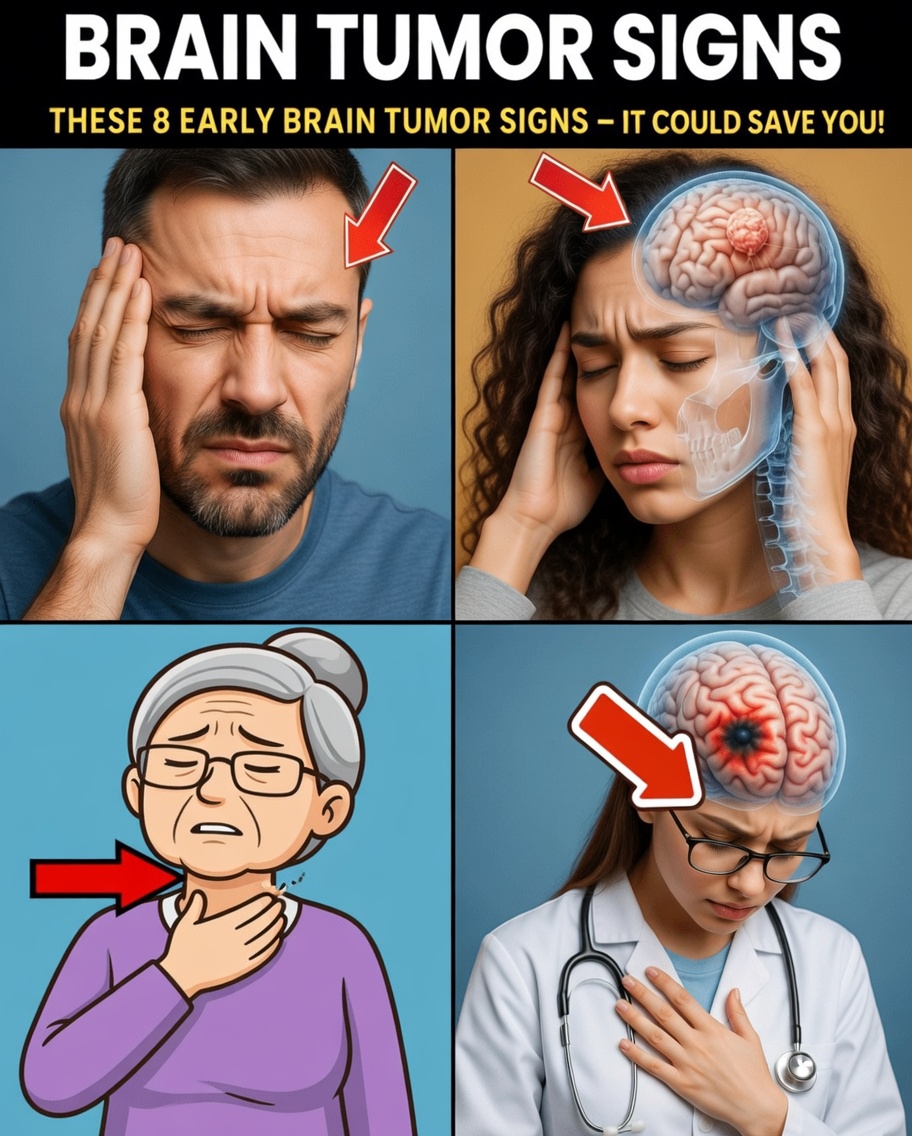
Because the brain is enclosed by the skull—an inflexible, confined space—any growing tumor can gradually increase pressure and compress nearby tissue. Early on, symptoms may feel nonspecific, which is exactly why many people ignore them and quietly worry for months.
Major brain tumor organizations report that the average time between first symptoms and diagnosis can be 6 to 18 months, creating prolonged stress for individuals and families.
What complicates things further is that the brain can temporarily compensate, rerouting function around the affected area. As a result, one of the early warning signs of a brain tumor—like a low-grade headache—may come and go. That inconsistency often leads people to delay a simple check-up, while daily fatigue or lightheadedness slowly chips away at confidence.
The First 4 Foundational Early Warning Signs of a Brain Tumor
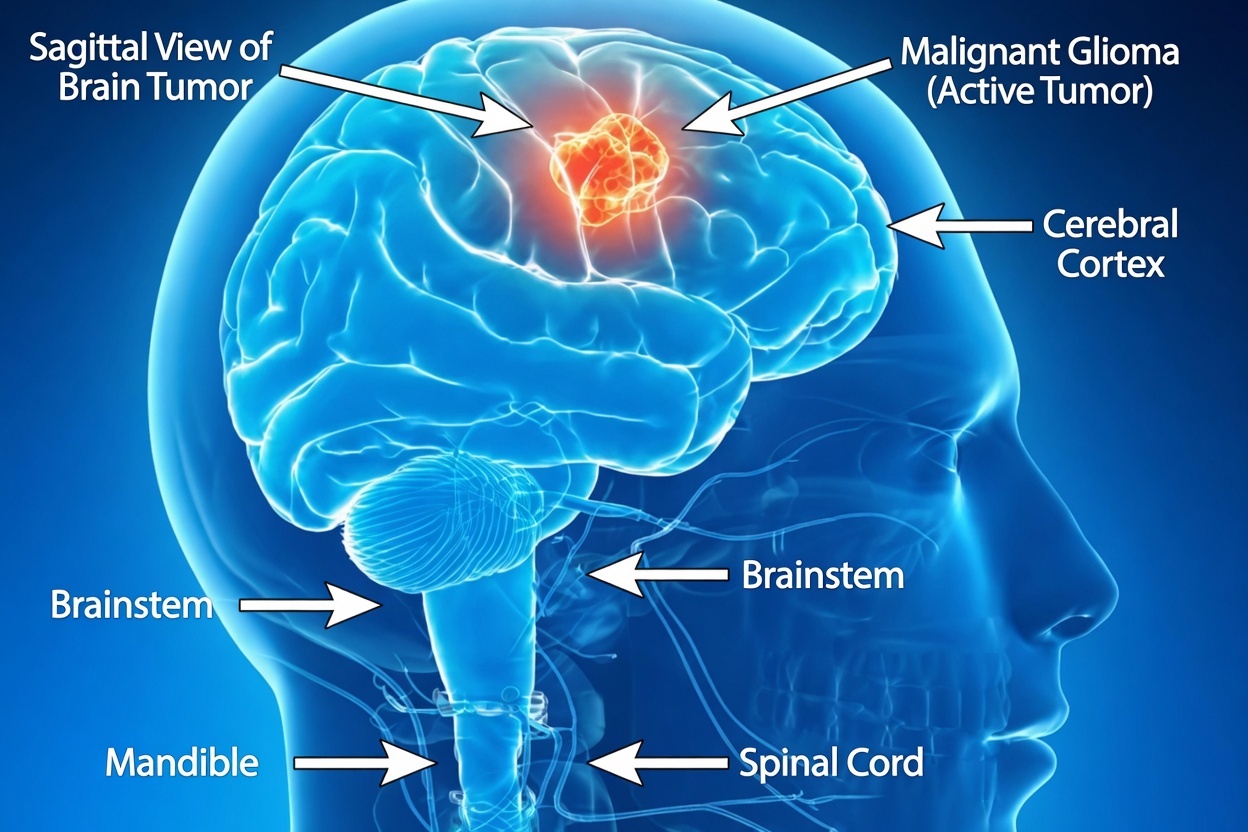
1) Headaches that feel new, different, or worse in the morning
One of the most common early warning signs of a brain tumor is a headache that:
- feels unlike your usual pattern,
- is worse on waking,
- intensifies when lying down,
- may come with nausea without typical migraine triggers.
Many people feel drained before the day even begins—and frustrated when standard pain relievers don’t help.
2) Speech or language changes
Another frequent early sign includes difficulty with words or communication, such as:
- struggling to find the right word mid-sentence,
- losing your train of thought while speaking,
- having trouble following a straightforward conversation.
These moments can feel embarrassing at work or socially, turning normal interactions into anxiety-inducing situations.
3) New-onset seizures (especially after age 40)
A seizure that occurs for the first time in adulthood is a red-flag early warning sign of a brain tumor, even if it’s brief or subtle, such as:
- focal twitching,
- sudden “odd sensations,”
- short episodes of altered awareness.
Not knowing why it happened can be deeply unsettling and may trigger fears about safety and independence.
4) Vision changes
Visual symptoms are another major category of early warning signs of a brain tumor, including:
- blurred vision,
- double vision,
- loss of peripheral (side) vision.
Because these shifts can develop gradually, they’re often mistaken for needing a new prescription—until driving, reading, and hobbies become harder.
More Subtle—but Serious—Early Warning Signs of a Brain Tumor
One-sided weakness, numbness, or coordination problems
Clumsiness, imbalance, or weakness on one side is commonly dismissed as a pinched nerve or “just getting older.” But dropping items, stumbling, or feeling unsteady can make daily activities—cooking, walking the dog, climbing stairs—feel risky and limiting.
Personality or behavior changes
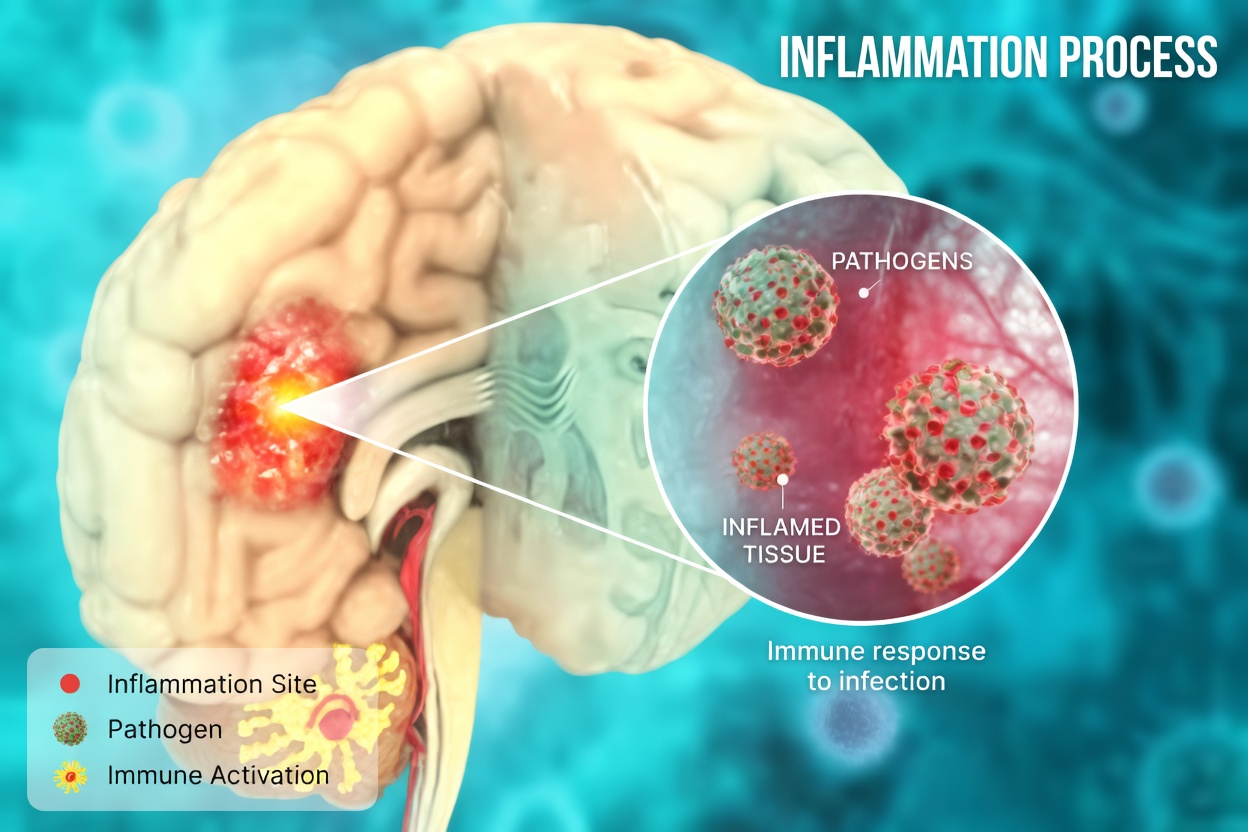
Sudden shifts such as irritability, apathy, impulsiveness, or mood swings that don’t match your usual temperament can be an overlooked early warning sign of a brain tumor—particularly when areas like the frontal lobe are involved. Often, relatives notice first, which can leave the person affected feeling isolated or misunderstood.
Memory and thinking difficulties
Cognitive changes may include:
- short-term forgetfulness,
- reduced concentration,
- difficulty planning or completing routine tasks.
Because this can resemble normal aging, it’s frequently dismissed—especially when the decline is gradual, even though it may progress faster than expected.
Persistent fatigue with morning nausea (without a clear cause)
Ongoing exhaustion—especially when paired with morning nausea not explained by sleep, diet, or schedule—can be linked to increased pressure or changes in brain function. Over time, it can drain enjoyment of life and create persistent worry that you’re “aging too fast.”
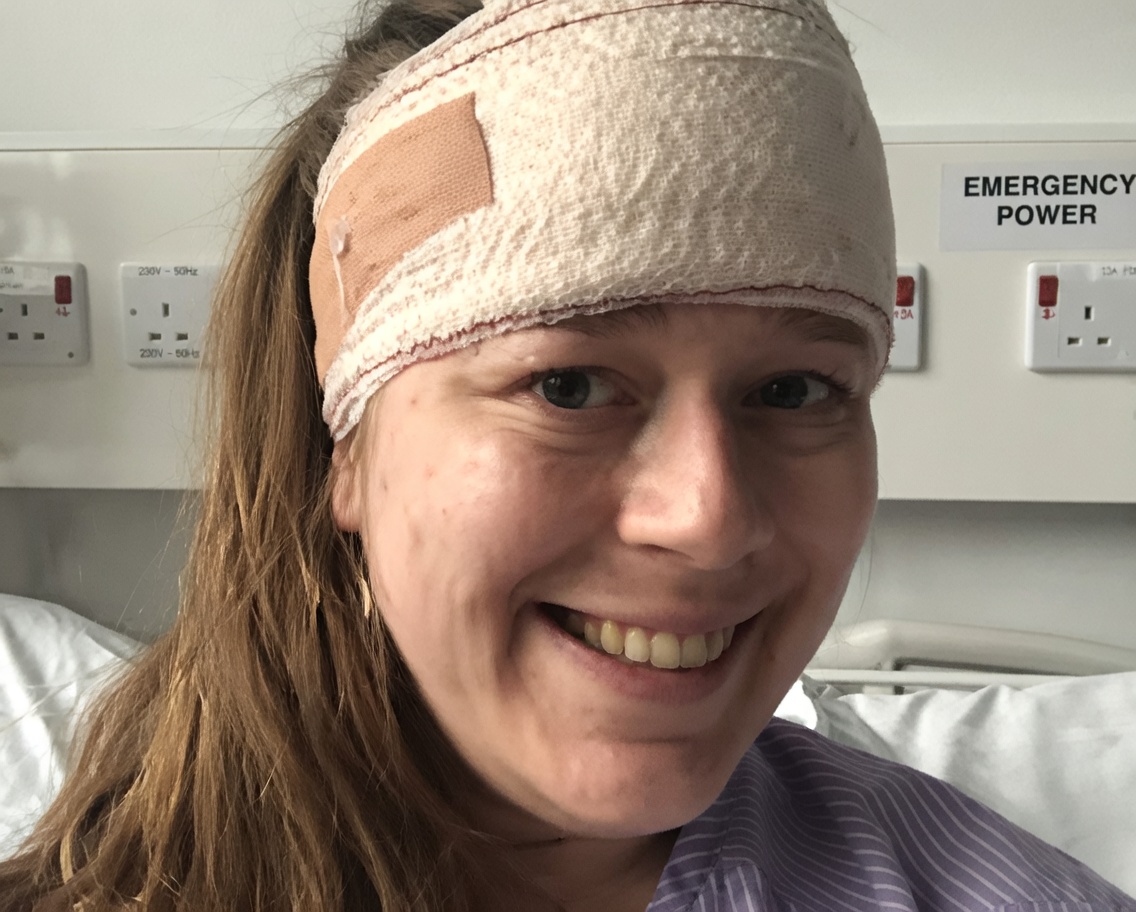
Real Story: Catching an Early Warning Sign of a Brain Tumor in Time
Rachel, a 47-year-old marketing executive in Colorado, brushed off morning headaches and occasional word-finding trouble for almost ten months. She assumed it was work pressure and perimenopause. When she started dropping objects and feeling unsteady, she insisted on an MRI.
The scan revealed a benign meningioma, identified early because she recognized the early warning signs of a brain tumor. After successful surgery, she fully recovered and now urges others not to wait:
“I wish I had understood that subtle changes weren’t normal. Acting early gave me my life back.”
Her experience is a powerful reminder that paying attention to quiet symptoms can replace fear with informed action.
Brain Tumor Symptoms vs Common Dismissals (Quick Comparison)
| Early warning sign of a brain tumor | How it may feel | Why it gets dismissed | When to seek help immediately |
|---|---|---|---|
| Persistent headaches | Worse in the morning or when lying down | “Stress” or “just migraines” | New pattern, especially with other symptoms |
| Speech/language difficulties | Word-finding trouble, halting speech | “I’m tired” or “I’m aging” | Sudden onset or progressive worsening |
| New-onset seizures | Twitching, strange sensations, brief episodes | “A one-time fluke” | Any first-time seizure in adulthood |
| Vision changes | Blurriness, double vision, field loss | “Time for new glasses” | Persistent changes or one-sided issues |
| Numbness/weakness | One-sided clumsiness, balance problems | “Pinched nerve” or aging | Especially when paired with headaches or other signs |
| Personality changes | Irritability, mood swings, apathy | “Just stress” | Out-of-character shifts, especially in clusters |
| Cognitive problems | Memory lapses, poor focus | “Senior moments” | Rapid decline or increasing frequency |
| Fatigue + nausea | Constant tiredness, morning nausea | “Busy life” | When combined with neurological symptoms |
The key takeaway: clusters of symptoms matter far more than any single issue.

A Simple Action Plan If You Notice Early Warning Signs of a Brain Tumor
Use these practical steps to take control quickly:
- Start a two-week symptom diary in your phone notes:
- timing,
- severity,
- duration,
- triggers and patterns.
- Track daily changes such as:
- headaches,
- speech issues,
- vision shifts,
- numbness/weakness,
- balance problems,
- fatigue or nausea.
- If two or more symptoms persist for 2–3 weeks, contact your doctor and clearly say:
“I’m experiencing several early warning signs of a brain tumor, including persistent headaches and balance changes. I would like a neurological evaluation and imaging.” - Ask for an MRI (preferred) or a CT scan if MRI isn’t available quickly.
- Bring your symptom diary—clear documentation often helps clinicians respond faster.
This approach can lead to earlier evaluation and greater peace of mind.
Why Combination Patterns Are the Real Game-Changer
One symptom alone can be misleading. What most neurologists watch for are patterns, such as:
- headache + speech difficulty + balance changes,
- vision changes + morning nausea + worsening headaches.
If multiple early warning signs of a brain tumor appear together, don’t wait for a dramatic event—get evaluated.
What to Ask Your Doctor
Consider asking direct, specific questions such as:
- “Could these ongoing symptoms be early warning signs of a brain tumor?”
- “Would imaging help rule out something serious?”
- “Should I see a neurologist based on this symptom pattern?”
Clear communication supports quicker, more accurate answers.
FAQ: Early Warning Signs of a Brain Tumor
- How can I tell if my headache could be an early warning sign of a brain tumor?
Headaches that are new, worse in the morning, resistant to your usual remedies, or occurring alongside neurological changes (like vision, speech, balance, or weakness issues) should be discussed with your doctor.