Early Menopause: When Your Body Seems to Change “Too Soon”
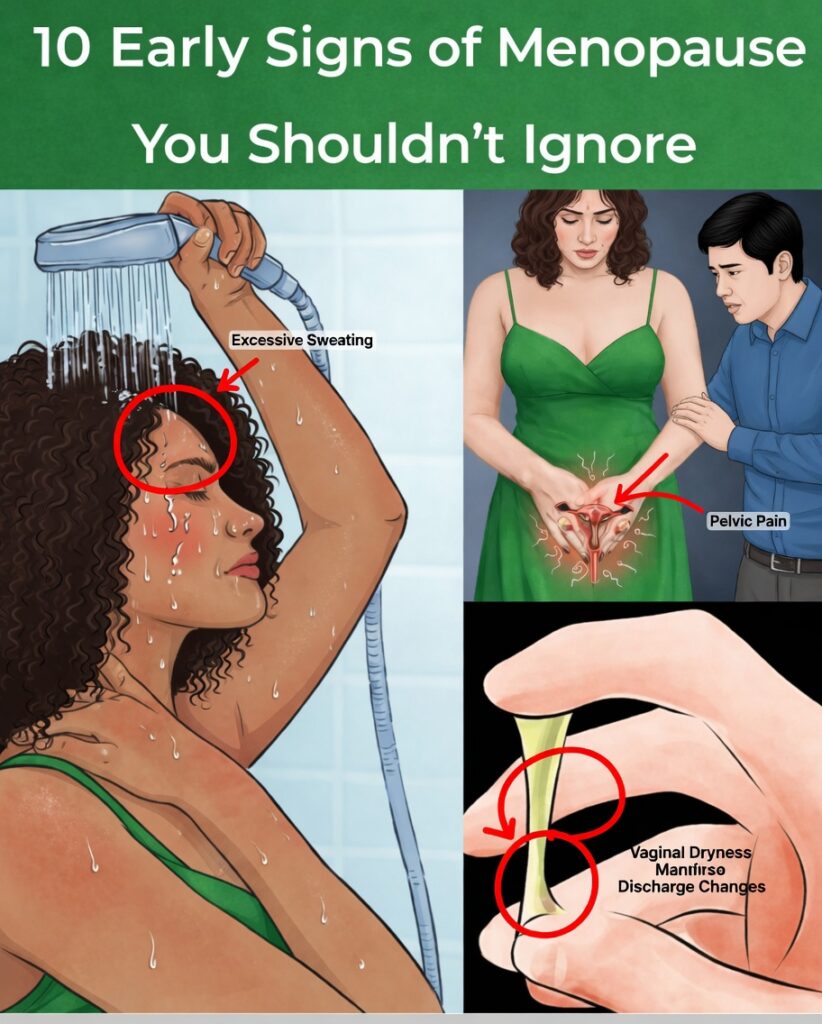
Many women in their early 40s begin to notice period changes that don’t follow a pattern anymore—plus sudden heat surges that can feel embarrassing, exhausting, and hard to hide during a busy day. It’s common to dismiss these early menopause symptoms as stress, overwork, or “just getting older,” especially when life is already full with work and family.
Over time, the frustration can build: deeper fatigue, unexpected mood shifts, and a sense that everyday responsibilities now take twice the effort. Learning to recognize the signs of early menopause can bring clarity—and help you take practical steps so you feel supported and more in control. Stay to the end for a simple daily tracking method that many women overlook.
Why Early Menopause Can Feel More Intense Than Expected
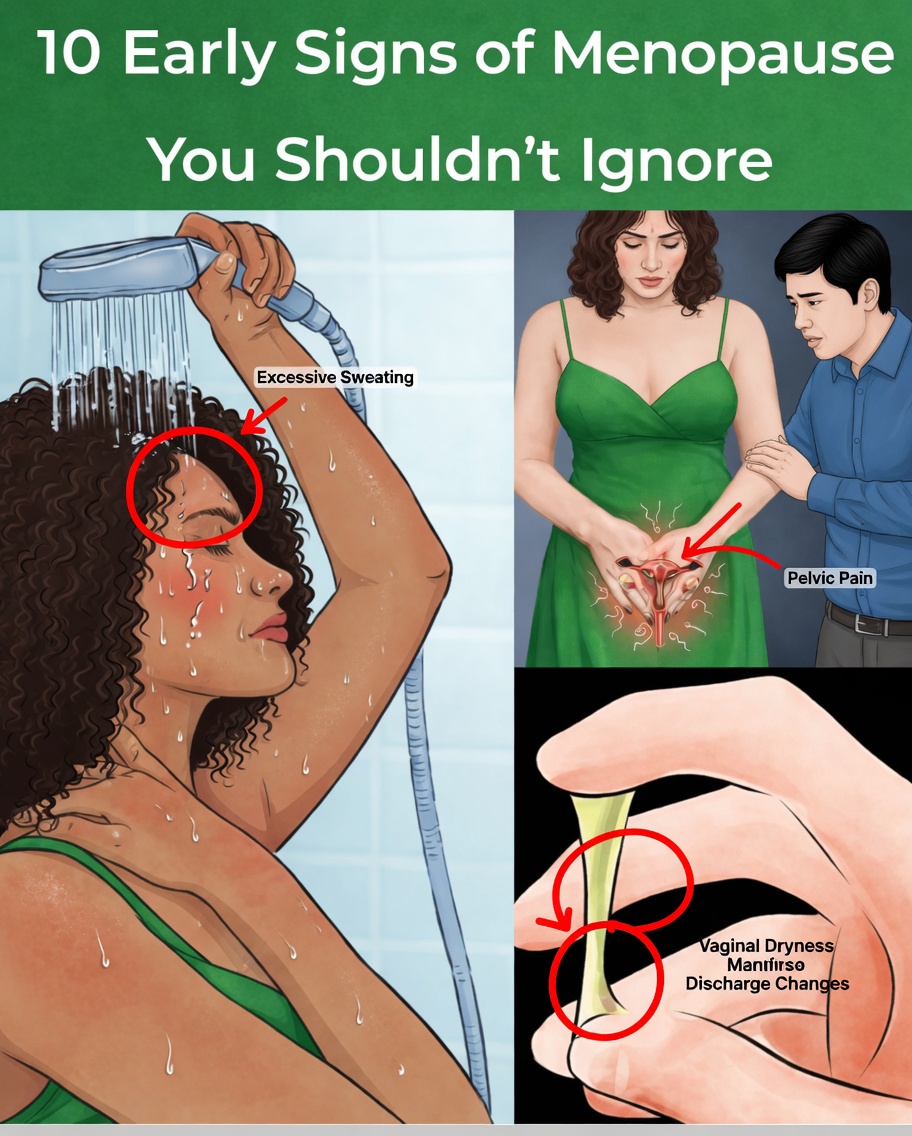
Early menopause means menopause-related hormonal changes start earlier than most women anticipate. The symptoms can interrupt routines and make you feel exposed in situations where you’d rather feel steady—presentations, meetings, social events, or family time.
Large health organizations report that about 5% of women experience menopause before age 45. That can mean spending more years with lower estrogen, which may intensify discomfort and increase worry—especially when you don’t yet realize what’s happening.
One of the hardest parts is that early menopause symptoms are often misread as general aging, which can delay the support and solutions that could make daily life easier.
The 10 Most Common Signs of Early Menopause
1. Irregular Periods (Often the Earliest Clue)
For many women, the first noticeable sign is a cycle that suddenly becomes unpredictable—longer gaps, shorter cycles, heavier or lighter bleeding, or unexpected spotting. This can feel confusing, especially if you’ve always had a reliable rhythm.
Tracking your cycle can help reveal patterns that are typical in early menopause.
2. Hot Flashes and Night Sweats
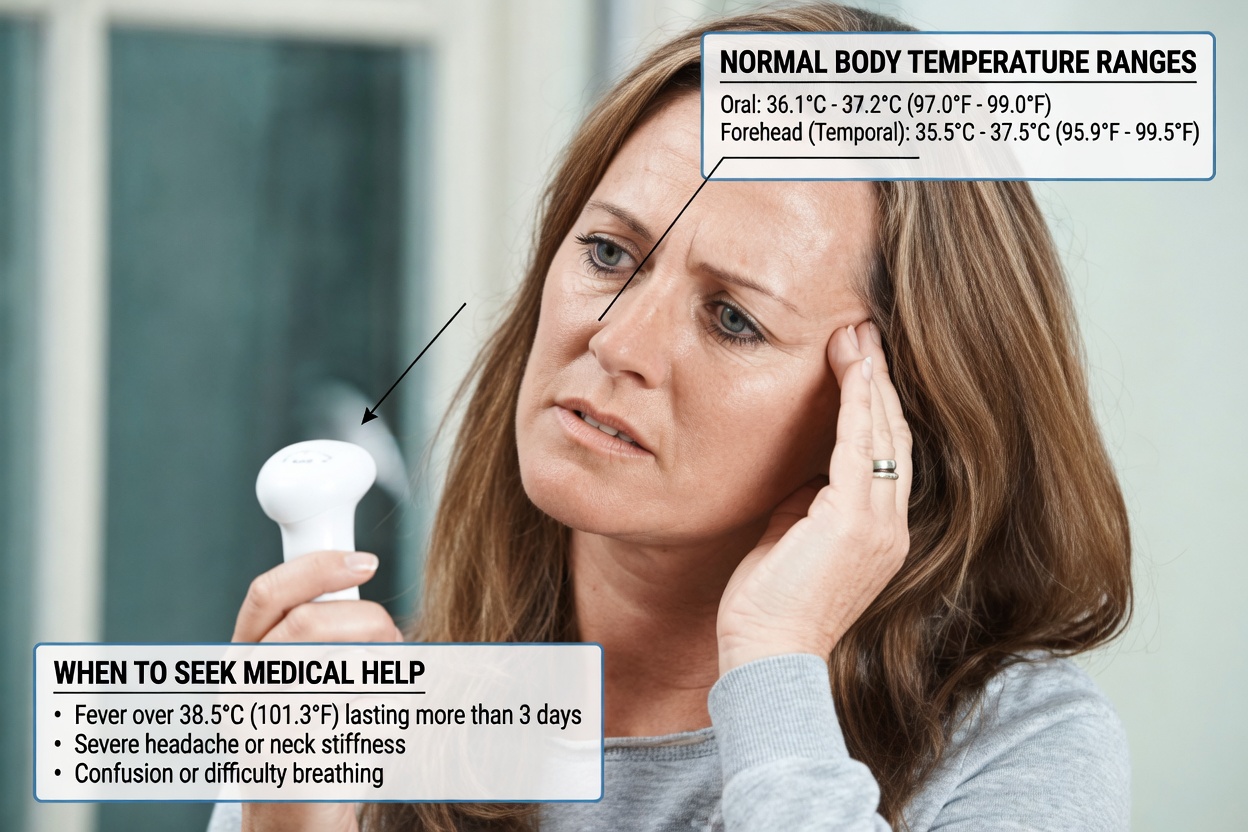
Hot flashes can come out of nowhere—an intense wave of heat across the chest, neck, and face—often at the worst possible moment. At night, the same hormone shifts can trigger night sweats that disrupt sleep, leaving you drained the next day.
When hot flashes and night sweats become frequent, they can compound fatigue and stress quickly.
3. Vaginal Dryness and Painful Discomfort
As estrogen drops, vaginal tissues may become thinner and less lubricated. This can lead to dryness, irritation, and discomfort—sometimes making intimacy painful. Beyond the physical effects, it can also create emotional strain in relationships.
Noting how often this happens can help determine whether it aligns with broader early menopause symptoms.
4. Mood Swings, Irritability, and Anxiety
You may feel like your emotions change without warning—small frustrations suddenly feel big, or you feel unusually tense or on edge. Hormone fluctuations can influence brain chemistry, and research links menopause transitions with increased irritability and anxiety for many women.
If this sounds familiar, it’s a common and real part of early menopause for some—not a personal failure.
5. Sleep Problems That Don’t Resolve Easily
Many women report restless sleep: trouble falling asleep, waking too early, or waking repeatedly. Night sweats can make this worse, creating a cycle where poor sleep fuels lower mood and lower energy.
If your sleep quality has noticeably changed, it may be connected to other signs of early menopause.
6. Ongoing Fatigue and Low Energy
This isn’t just “being tired.” Early menopause fatigue often feels heavy and persistent—exhaustion by midday even when you try to rest, eat well, or rely on caffeine. Hormonal changes can affect sleep quality and metabolism, making low energy a common complaint.
A helpful self-check: compare your energy now to six months ago.
7. Brain Fog and Short-Term Memory Slips
Many women describe a frustrating mental haze: difficulty concentrating, forgetting names, losing track mid-task, or feeling less mentally sharp. Estrogen supports cognitive function, and its decline may temporarily affect focus and memory.
This “brain fog” is a widely reported early menopause symptom.
8. Weight Gain Around the Abdomen
Even without major diet changes, some women notice more fat storage around the midsection. Hormonal shifts can influence metabolism and how the body stores fat, and low energy can also reduce activity naturally.
Recognizing this as a possible early menopause sign can help you focus on supportive habits rather than self-blame.
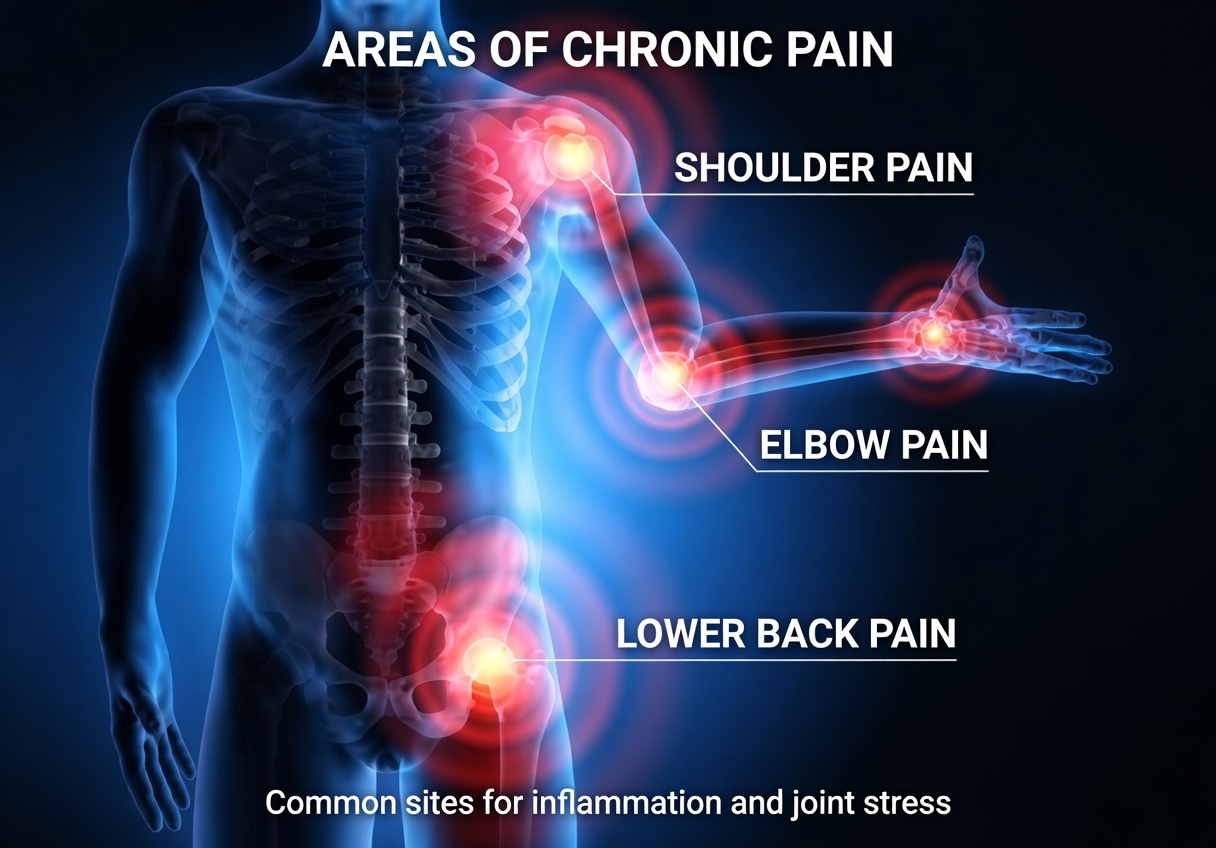
9. Joint and Muscle Aches
Aches, stiffness, or soreness may appear more often—sometimes first thing in the morning or after long periods of sitting. Lower estrogen is associated with increased inflammation and changes in tissue comfort, which can affect how your body feels day to day.
Gentle movement and consistent activity often help reduce discomfort.
10. Changes in Libido
Sex drive can shift for multiple reasons during early menopause: hormonal changes, vaginal dryness, mood fluctuations, stress, and disrupted sleep. For some women, this can create relationship tension or worry.
Addressing the underlying causes often leads to meaningful improvement.
Beyond the Top 10: Other Early Menopause Symptoms to Watch For
In addition to the main signs, some women also experience:
- Headaches
- Heart palpitations
- Dry skin, dry eyes, or dry mouth
- More frequent urinary tract infections (UTIs)
- Hair thinning
These symptoms can be easier to overlook, but they may stem from the same estrogen decline. Logging them alongside your main symptoms often makes patterns clearer.
A Simple Daily Tracking Method Many Women Miss
A practical step that can change everything: use a phone app or a notebook to track symptoms for 2–3 months. Keep it simple and consistent. Record:
- Period dates and flow changes
- Hot flashes/night sweats (time + severity)
- Sleep quality (hours + wake-ups)
- Mood notes (irritability, anxiety, sadness)
- Energy level (1–10)
- Any “extras” (headaches, palpitations, dryness, UTIs)
Patterns often appear faster than expected—and the record can make medical appointments far more productive.
Real-Life Experiences: What Early Menopause Can Look Like
Emily, a 41-year-old teacher, noticed irregular periods and sudden hot flashes that disrupted her focus in class. Once she connected the symptoms to early menopause, lifestyle changes and medical guidance helped her feel steady again.
Lisa, 43, found that fatigue and mood shifts were spilling into her marriage. Recognizing the signs of early menopause—and getting professional support—made a major difference in how she felt and how she communicated.

The Long-Term Health Side of Early Menopause (Why Early Recognition Matters)
Because early menopause can mean more years with reduced estrogen, studies associate it with higher risks over time in areas such as:
- Heart health concerns
- Bone density changes
- Cognitive shifts
Awareness is a powerful advantage. If you’re noticing multiple early menopause symptoms, tracking them and seeking appropriate support can help protect both your daily quality of life and your long-term well-being.
Quick Self-Check Before You Move Forward
- Which early menopause signs on this list feel most familiar?
- Have you noticed your energy or sleep quality changing over the past few months?
- Could you commit to tracking symptoms daily for the next 8–12 weeks?