Occasional digestive discomfort after meals is common for adults over 50. However, in some cases, subtle shifts in digestion may hint at pancreatic strain. Chronic pancreatitis—a long-term inflammation of the pancreas—affects a significant number of adults (rates vary by region and study). Because early symptoms often resemble everyday indigestion or “normal aging,” many people ignore them until the issues become frequent or persistent. The earlier you notice patterns, the easier it is to make gentle lifestyle changes that support digestive comfort.
In this guide, you’ll learn what the pancreas does day to day, five research-backed signs that may point to pancreatic stress, lifestyle factors that can add pressure, and eight nutrient-dense foods often recommended in supportive eating approaches. You’ll also walk away with practical ways to tune into your body—plus a simple morning routine many people use for calmer digestion.

The Pancreas: The Quiet Organ Doing Two Big Jobs
Located behind the stomach, the pancreas works continuously with little fanfare. It has two key roles:
- Digestive support: It releases enzymes into the small intestine to break down fat, protein, and carbohydrates.
- Blood sugar balance: It produces hormones such as insulin and glucagon, helping keep glucose levels steady and energy more consistent.
When pancreatic function is disrupted, digestion and nutrient absorption can suffer—and blood sugar may become less stable. Many people notice vague changes (bloating, heaviness after meals, fatigue) and assume the cause is stress, diet changes, or getting older. Medical sources, including organizations like Mayo Clinic, note that this symptom overlap can make early awareness difficult.
The good news is that noticing repeated patterns—and adopting supportive habits—can meaningfully improve day-to-day comfort.
Quick reflection: On a scale from 1–10, how steady is your energy after meals? Write down your number and keep it in mind.
5 Signs Your Pancreas May Need Extra Attention
The signs below—commonly discussed by clinical resources such as Mayo Clinic and Cleveland Clinic—often develop gradually. Because they can look like routine digestive complaints, they’re easy to dismiss.
1) Upper abdominal discomfort that spreads to the back
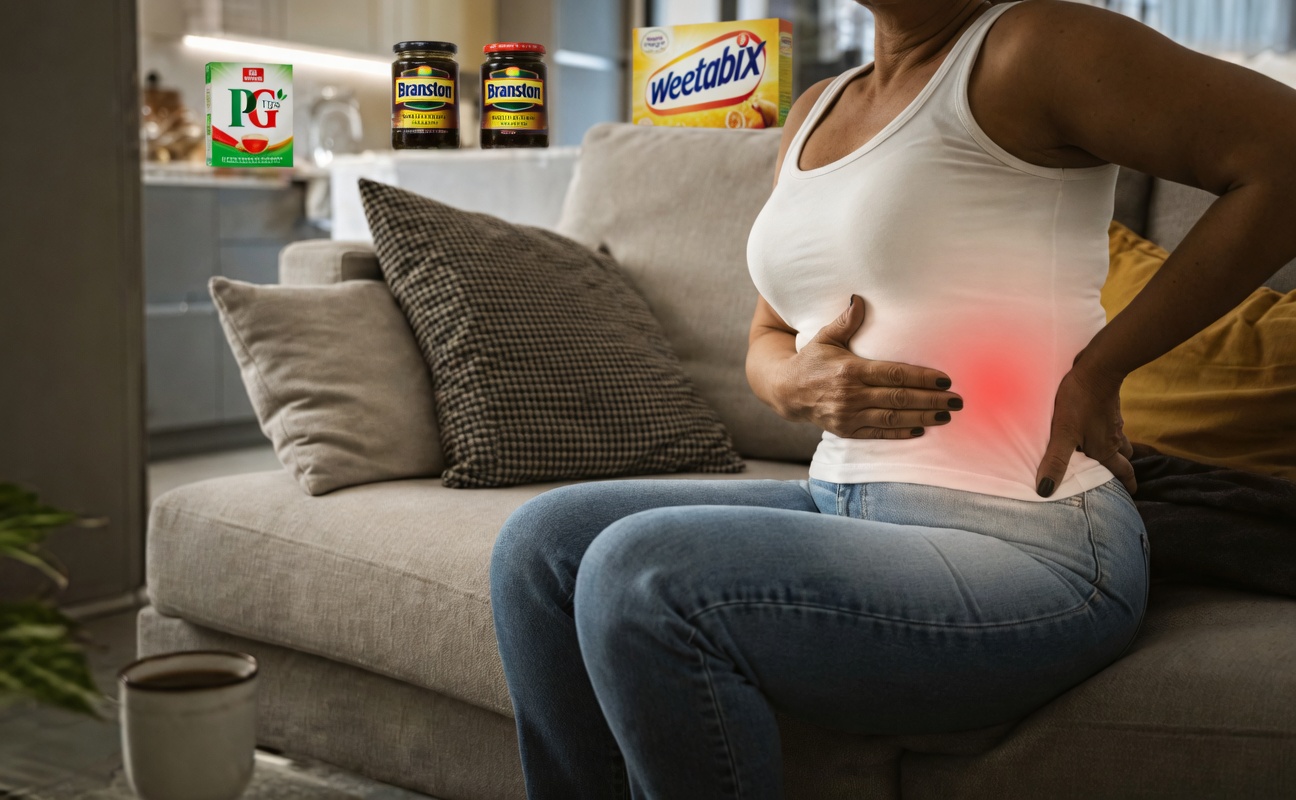
A frequently reported sign is pain or pressure in the upper abdomen (often left-sided) that can feel like it “wraps” around into the back. It may intensify after eating, especially after heavier or richer meals.
People often describe it as a deep ache rather than a sharp stabbing pain. If it repeats—particularly in a meal-related pattern—track it and consider discussing it with a clinician.
2) Recurrent nausea or digestive upsets without an obvious trigger
Repeated episodes of nausea, vomiting, or diarrhea that don’t clearly connect to a single food or illness may reflect reduced enzyme support. The symptoms can be mild yet persistent, building slowly and resolving gradually.
A simple log of what you ate and when symptoms appear can help reveal patterns.
3) Bloating or heaviness after fatty foods
Feeling uncomfortably full or bloated after higher-fat meals (fried foods, creamy sauces, rich desserts) is a common complaint. One possible reason: the pancreas may not produce enough lipase, the enzyme needed to digest fat efficiently.
Some people get temporary relief by choosing smaller portions or lighter options while monitoring whether the pattern continues.
4) Noticeable changes in stool
Stools that are loose, greasy, floating, or unusually foul-smelling can be a sign of fat malabsorption. In medical language, this is often referred to as steatorrhea. Over time, malabsorption may contribute to nutrient gaps.
If stool changes persist, it’s a strong reason to consult a healthcare professional.
5) Unexplained weight changes and ongoing fatigue
Slow, unintended weight loss (and sometimes weight gain), paired with persistent tiredness, may reflect poor nutrient absorption and/or blood sugar fluctuations. These symptoms are commonly blamed on lifestyle or age, but when they appear together—especially with digestive issues—they can form a meaningful pattern.
These signs often don’t show up alone. Clusters are usually more informative than any single symptom.
Lifestyle Factors That Can Put Stress on the Pancreas
Daily habits can either support the pancreas or add strain. Research consistently links certain factors to higher risk of pancreatic inflammation or worsening symptoms, including:
- Long-term heavy alcohol use
- Frequent high-fat or ultra-processed meals
- Smoking
- Chronic stress (which can affect digestion, appetite, and metabolic stability)
The encouraging part is that early, realistic adjustments—reducing alcohol, choosing more balanced meals, and actively managing stress—may lessen digestive burden over time.
8 Foods Often Included in Pancreas-Friendly Eating Patterns
No single food can “cure” pancreatic disease. Still, many nutrition-focused approaches emphasize anti-inflammatory, antioxidant-rich, and easier-to-digest whole foods, generally prepared with minimal added fat.
Here are eight options commonly highlighted in supportive diets:
- Pumpkin: A fiber-rich, gentle food containing carotenoids; try it steamed, baked, or as soup.
- Blueberries: High in anthocyanins (antioxidants) and often used in plans aimed at steadier glucose response.
- Turmeric: Contains curcumin, studied for anti-inflammatory properties; pair with black pepper for better absorption.
- Leafy greens (e.g., spinach): Nutrient-dense and typically easy on digestion when cooked.
- Red grapes: Provide resveratrol, researched for cellular protection effects.
- Plain low-fat yogurt: Offers probiotics that may support gut balance, indirectly helping digestive comfort.
- Jerusalem artichoke: Contains inulin (a prebiotic fiber); introduce slowly and use in moderation.
- Lean proteins (fish, chicken, beans): Provide essential nutrients with a lighter fat load than many processed meats.
A practical starting point is to add one food at a time—blueberries as a snack, leafy greens with dinner, or turmeric in warm tea.
Matching Symptoms to Simple Supportive Habits
- Upper abdominal/back discomfort: Try smaller meals with lower fat.
- Frequent nausea or digestive upset: Choose simple, whole-food meals (vegetables, soups, lean protein).
- Bloating after fatty meals: Emphasize pumpkin or cooked greens and reduce fried foods.
- Greasy or floating stools: Increase fiber gradually and speak with a clinician if persistent.
- Fatigue and weight shifts: Aim for balanced meals with lean protein and steady meal timing.
Daily Habits to Try (Simple, Sustainable Steps)
Small changes are easier to maintain and often more effective long-term:
-
Weeks 1–2: Reduce common triggers
- Cut back on fried foods
- Moderate or avoid alcohol
- Keep portions smaller, especially at dinner
-
Weeks 3–4: Add supportive foods
- Include pumpkin (soup, roast cubes) or a handful of blueberries daily
-
Ongoing basics
- Drink water consistently throughout the day
- Eat earlier in the evening when possible
- Use brief breathing or relaxation practices to reduce stress-related digestive tension
Additional strategies many people find helpful:
- Eat 4–5 smaller meals rather than 1–2 large ones
- Finish your last meal about 3 hours before bed
- Stay consistent with hydration, especially in warm climates or during activity
A simple morning habit: warm pumpkin porridge with a small amount of turmeric and cinnamon—often reported as a gentle start that supports steadier digestion.
Conclusion: Start Paying Attention—Gently and Consistently
Your pancreas supports digestion and energy regulation every day, mostly unnoticed—until something feels off. By recognizing early patterns and making small, realistic changes (lighter meals, supportive foods, better stress management), you can promote more comfortable digestion and steadier energy over time.
FAQ
What are the earliest signs of pancreatic problems?
Common early signs include upper abdominal discomfort that may radiate to the back, nausea after meals, bloating after fatty foods, changes in stool (greasy or floating), and unexplained fatigue or weight changes.
Can diet support pancreatic health?
Diet can help support digestive comfort by reducing fat load and emphasizing nutrient-dense whole foods such as vegetables, berries, and lean proteins, as suggested by many health and clinical resources.
When should I see a doctor?
Seek medical evaluation if symptoms persist or worsen—especially if you have severe pain, ongoing stool changes, unexplained weight loss, or concerns about blood sugar.
Disclaimer
This article is for informational purposes only and is not a substitute for professional medical advice. Always consult a qualified healthcare provider about persistent symptoms or health concerns—early evaluation can make a meaningful difference.