Why Garlic Becomes Even More Valuable After 50
Many adults over 50 include garlic in their meals because it’s often associated with heart support, immune resilience, and healthy inflammation response. Yet plenty of people still feel ongoing low energy, occasional joint stiffness, or frequent seasonal bugs—despite using garlic regularly.
In many cases, the problem isn’t garlic itself. It’s the everyday ways it’s handled, cooked, and stored. With a few evidence-based tweaks, you can help protect garlic’s most beneficial compounds and get more value from every clove.
The Overlooked Step That Can Reduce Garlic’s Benefits
One commonly missed detail in garlic preparation may limit a large share of its supportive properties—sometimes dramatically. The key is understanding how garlic’s most discussed compound is created and how easily it breaks down.
Allicin Explained: What Makes Fresh Garlic Special
Garlic contains sulfur-based compounds, and one of the best-known is allicin—often linked to antimicrobial and anti-inflammatory activity. Allicin isn’t sitting there fully formed inside an intact clove.
When you chop, mince, or crush fresh garlic, an enzyme called alliinase reacts with a substance called alliin, creating allicin. The catch: allicin is fragile and can be reduced by high heat, air exposure, and time.
That’s why simply “adding garlic” to food isn’t always enough—how you prepare it determines how much allicin you actually get.
7 Common Mistakes When Eating Garlic After 50 (Plus Easy Fixes)
Below are the habits that most often weaken garlic’s supportive potential—along with practical corrections you can apply immediately.
1) Cooking garlic too early or too long
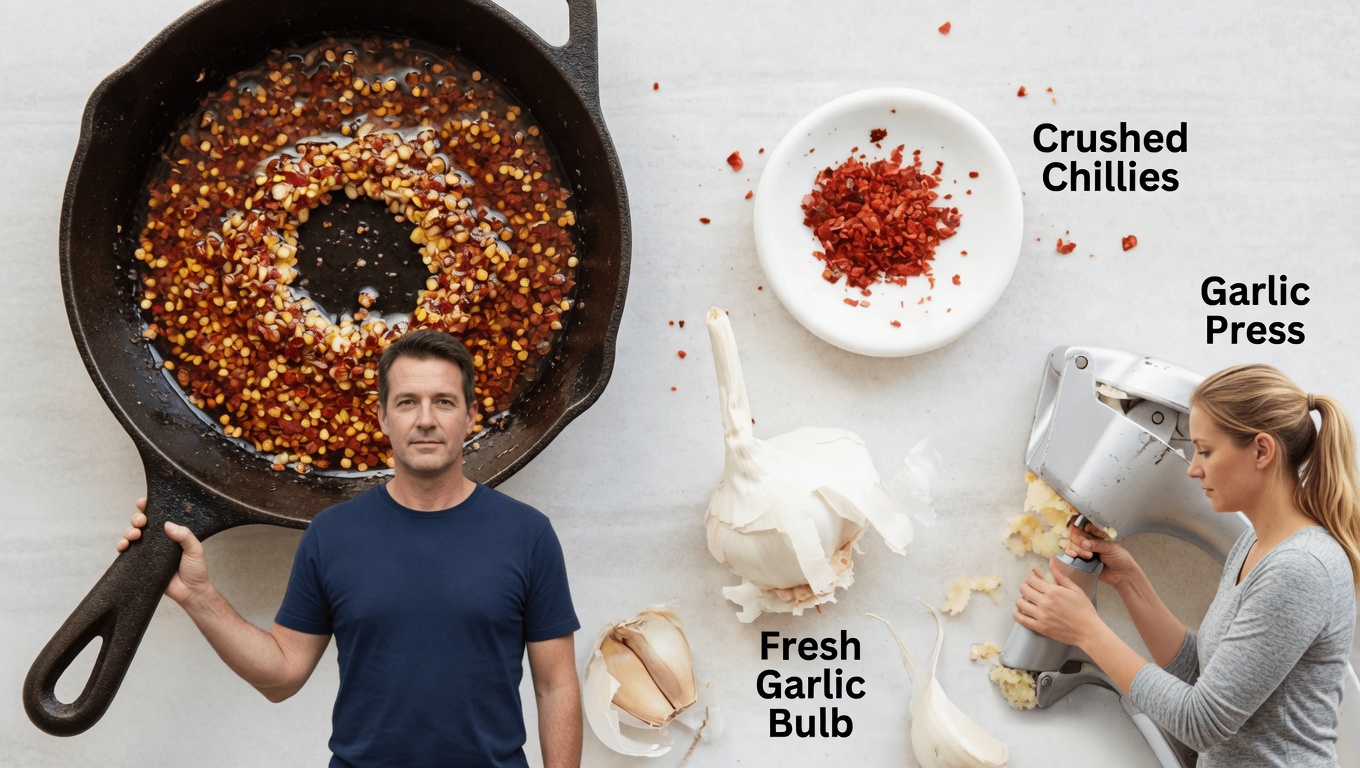
High heat can break down allicin quickly.
- Fix: Add crushed garlic during the last 30–60 seconds of cooking, or use it raw in dressings, dips, or spreads.
2) Using whole cloves without crushing
An intact clove produces very little allicin.
- Fix: Mince, slice, or crush garlic before adding it to meals.
3) Skipping the resting time after crushing
Allicin formation needs a short window to develop.
- Fix: After crushing, wait about 10 minutes before cooking or eating.
4) Depending on pre-peeled or jarred garlic
Processing and long storage reduce freshness and potency.
- Fix: Buy fresh whole bulbs and peel cloves only right before use.
5) Storing garlic the wrong way
Moisture and poor airflow can speed spoilage and encourage sprouting.
- Fix: Store bulbs in a cool, dark, well-ventilated place (for example, a mesh bag or open basket).
6) Forgetting possible medication interactions
Garlic may increase blood-thinning effects and can interact with certain drugs.
- Fix: If you take anticoagulants, antiplatelet medications, or blood pressure medicine, discuss regular garlic intake with your clinician.
7) Overdoing raw garlic
Too much raw garlic can trigger reflux, bloating, or stomach irritation.
- Fix: Start with 1–2 cloves per day, then adjust based on tolerance.
Bonus tip: After crushing and resting, mix garlic with a little olive oil to improve taste and make it gentler for many people.
Quick Comparison: Common Habits vs. Better Results
-
Overcooking
- Downside: Allicin decreases significantly
- Better habit: Add garlic at the end of cooking or use it raw
- Potential result: More active compounds preserved
-
Not crushing
- Downside: Minimal allicin formation
- Better habit: Crush and rest for 10 minutes
- Potential result: Stronger allicin development
-
Using jarred/pre-peeled garlic
- Downside: Lower freshness and potency
- Better habit: Fresh whole bulbs
- Potential result: Better nutrient retention
-
Improper storage
- Downside: Faster spoilage and quality loss
- Better habit: Cool, dry, ventilated storage
- Potential result: Longer-lasting garlic with better flavor and function
Simple Steps to Start Today
- Pick fresh, firm garlic bulbs (no soft spots or heavy sprouting).
- Crush or mince 1–2 cloves, then wait 10 minutes.
- Add garlic near the end of cooking, or use it raw in cold foods.
- Store the remaining bulbs in a dark, dry, breathable spot.
- Pay attention to how you feel over the next few weeks (energy, digestion, general comfort).
Many people report steadier day-to-day energy and better digestive comfort once they stop overheating garlic and start using the crush-and-rest method.
12 Ways Smart Garlic Use May Support Health After 50
- Helps preserve allicin for stronger activity
- Supports a balanced inflammation response
- Contributes to cardiovascular maintenance
- Helps maintain immune function
- May support healthy blood sugar regulation
- Assists the body in managing oxidative stress
- Encourages a healthier gut environment
- Supports circulation in a gentle way
- May help reduce the duration of seasonal discomfort
- Provides compounds associated with liver support
- Supplies nutrients (including choline) linked to brain function
- Offers benefits that can build gradually with consistent use
Frequently Asked Questions
How much garlic should adults over 50 eat daily?
Many adults do well with 1–2 fresh cloves per day. Start smaller if you’re sensitive, then adjust based on comfort.
Can garlic replace prescription medication?
No. Garlic may support overall wellness, but it is not a substitute for prescribed treatment. Always follow medical guidance.
Is raw garlic better than cooked garlic?
Both can be useful. Raw garlic typically preserves more allicin, while lightly cooked garlic is often easier on digestion.
Important Note
This article is for educational purposes and does not provide medical advice. Speak with a qualified healthcare professional before making dietary changes—especially if you have a health condition or take medications, since garlic can interact with certain drugs.
Crush one clove tonight, let it rest, then use it thoughtfully—you may be surprised how much more you get from the garlic you already enjoy.