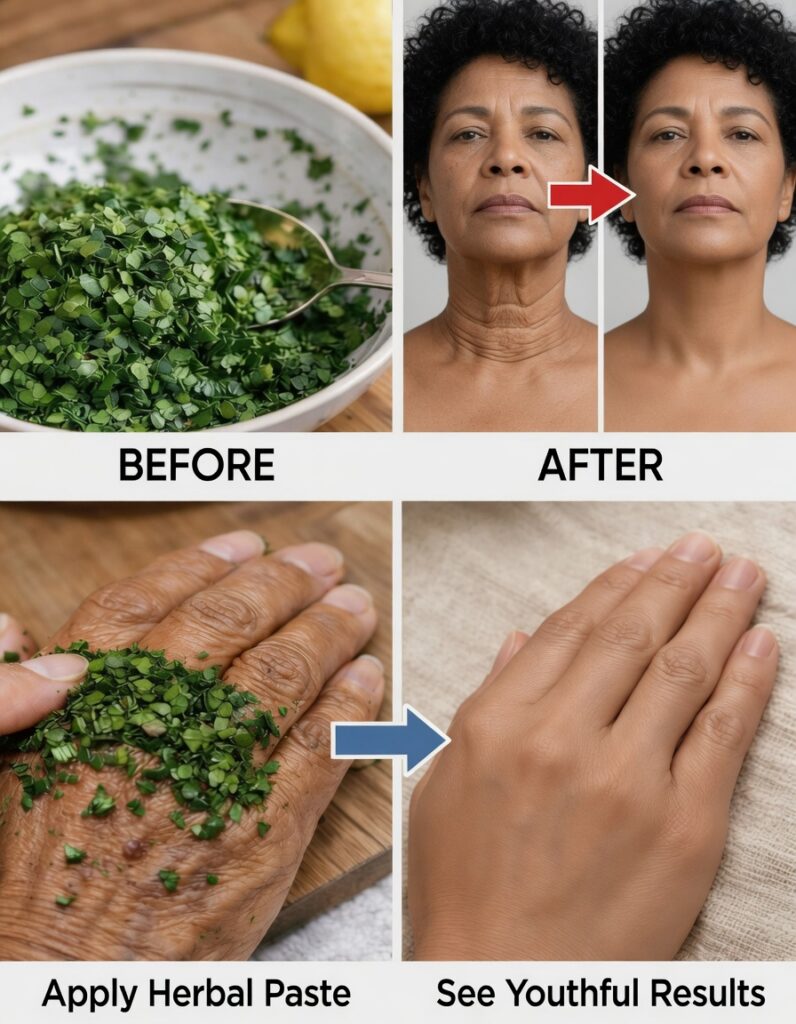
Brighter, Smoother Skin at Home: The Aspirin and Lemon Mask Explained
Many people look for simple, affordable ways to support a more radiant complexion—especially when fine lines, uneven tone, post-breakout marks, or sun-related dark spots start to show. While the skincare market is full of “instant fix” promises, some prefer a gentler, DIY approach using familiar kitchen staples.
One popular at-home option is a homemade aspirin and lemon mask, often shared in beauty forums for its potential to lightly exfoliate and brighten. But how does it work, and what should you watch out for? Below, you’ll find the reasoning behind the ingredients, an easy recipe, and the key safety steps to help you decide whether this DIY mask fits your routine.
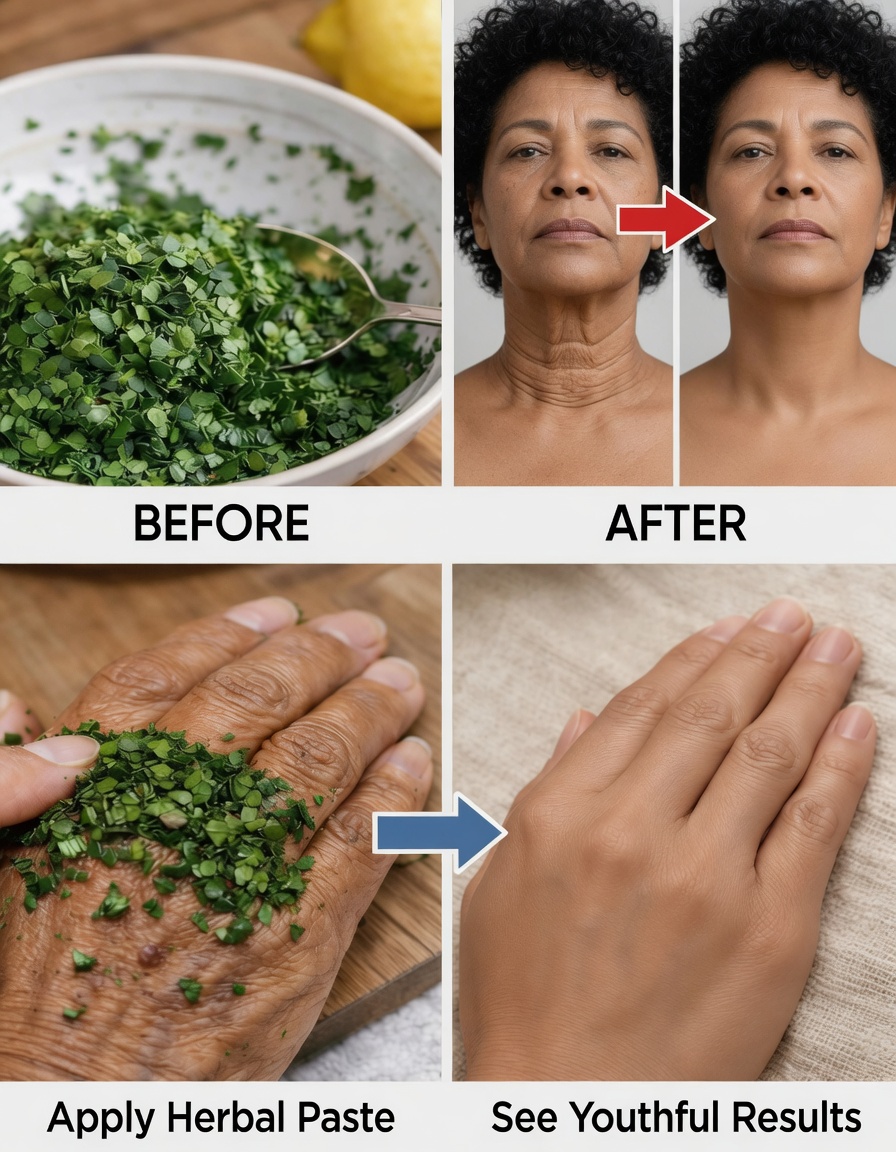
Why Aspirin Shows Up in DIY Skincare
Aspirin contains acetylsalicylic acid, which is chemically related to salicylic acid—a well-known beta hydroxy acid (BHA) used in many over-the-counter exfoliants.
Dermatology research on salicylic acid suggests it can help:
- Exfoliate gently by loosening dead skin cells on the surface
- Support clearer pores by reducing buildup and congestion
- Soothe temporary inflammation, which can help the look of redness
Because aspirin can break down in the presence of moisture, some people believe crushed aspirin may provide a mild, salicylic-like exfoliating effect when applied topically.
Important note: Evidence for topical aspirin masks is far less established than evidence for properly formulated salicylic acid skincare products. Outcomes vary widely by skin type and sensitivity.
Lemon Juice in Natural Skincare: Benefits and Drawbacks
Fresh lemon juice contains vitamin C and citric acid, both commonly associated with brightening support.
Vitamin C is valued in skincare because it may:
- Help skin look less dull
- Support a more even-looking tone by addressing surface discoloration
- Provide antioxidant support against everyday environmental stressors
Citric acid can also offer light exfoliation, contributing to a “freshened” look.
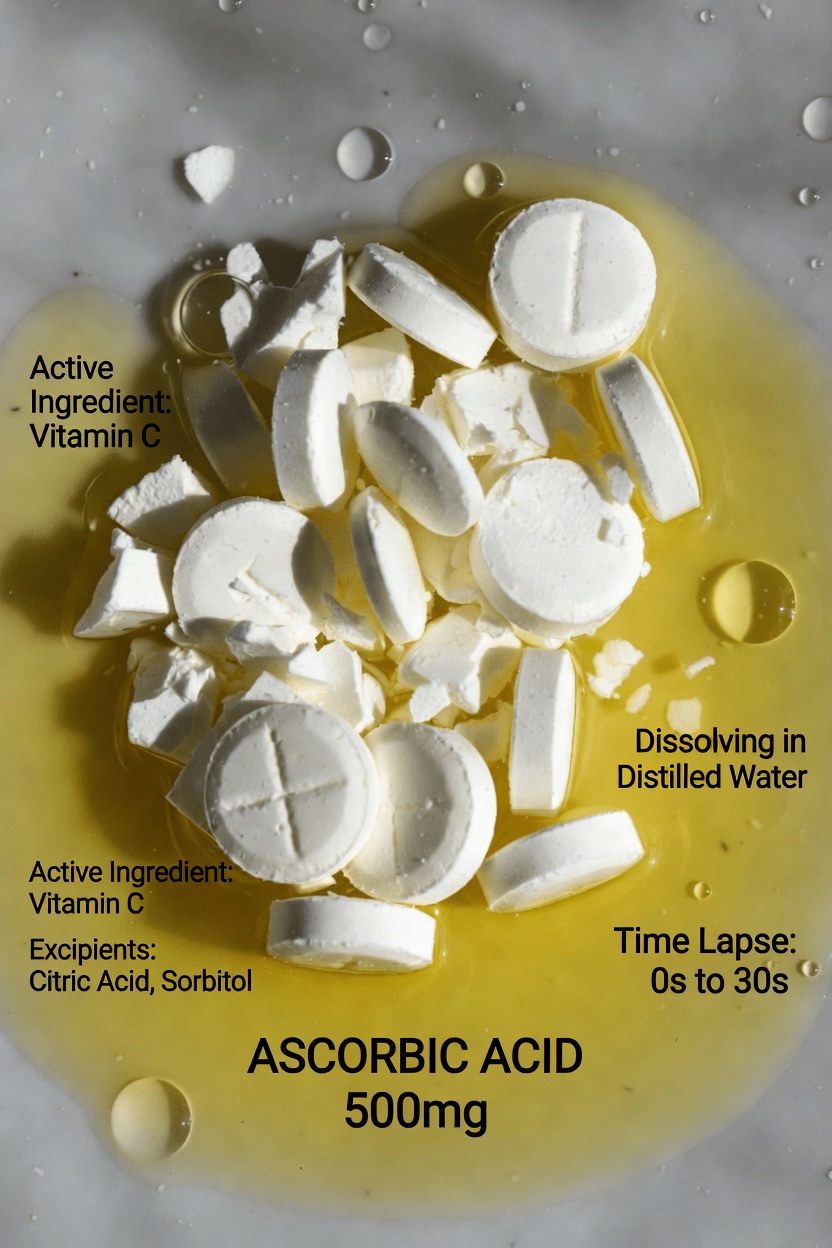
However, lemon juice is highly acidic and may trigger irritation—plus it can increase photosensitivity (greater sensitivity to sunlight), which can raise the risk of redness or uneven pigmentation if you’re not careful.
How Aspirin and Lemon Might Work Together
When you mix crushed aspirin with lemon juice, you create a paste that some people use for occasional exfoliation and a brighter-looking finish. In theory:
- Aspirin may provide a mild exfoliating effect similar to salicylic acid
- Lemon contributes vitamin C and citric acid, which may help skin look more refreshed
This DIY method is popular because it’s inexpensive and easy to make. Some users report smoother-feeling skin and a subtle glow with careful, occasional use over a few weeks. Still, there are no large-scale studies proving significant wrinkle reduction or dramatic dark-spot removal from this specific homemade mask.
The most important factor is using it conservatively and prioritizing safety.
DIY Aspirin and Lemon Mask Recipe (One Use)
Ingredients
- 3 uncoated aspirin tablets (coated tablets don’t dissolve well)
- Juice of ½ to 1 fresh lemon (start with less to test tolerance)
Instructions
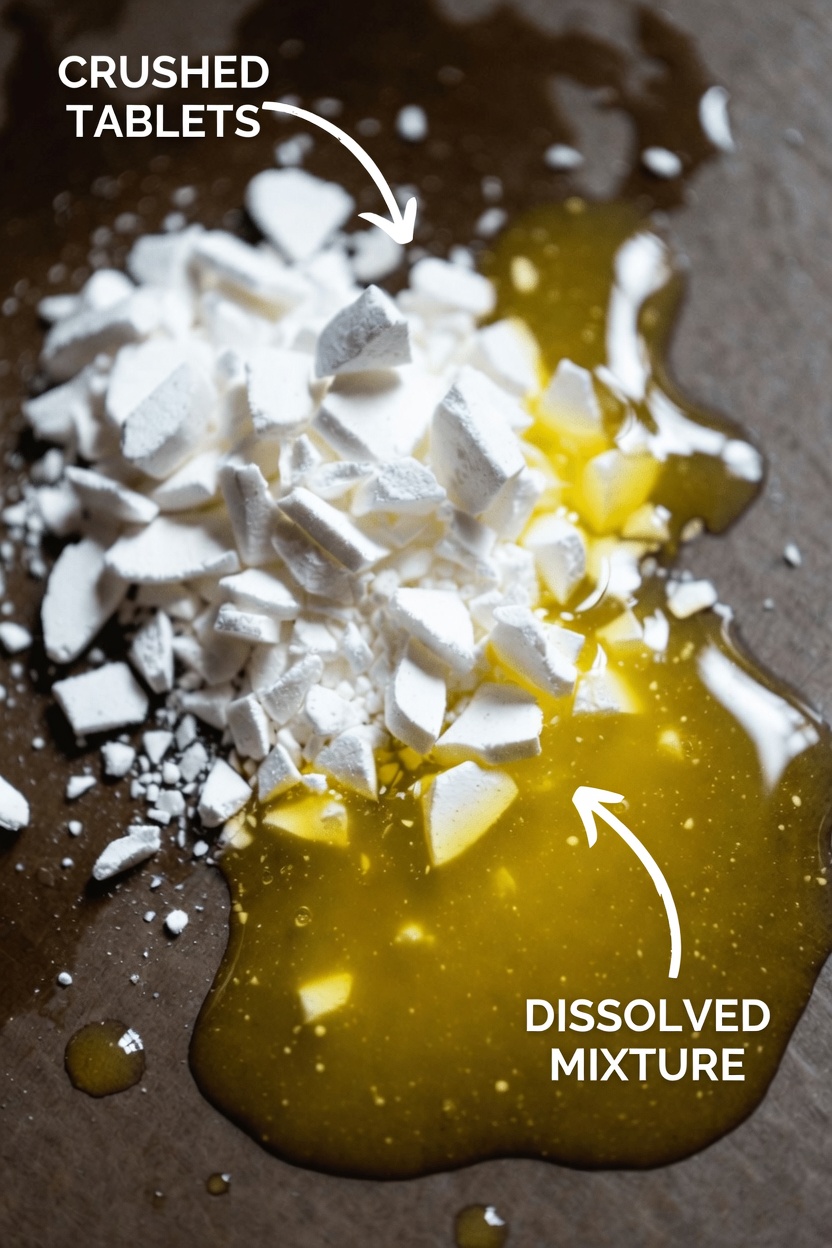
- Crush the aspirin into a fine powder (use the back of a spoon or a mortar and pestle).
- Add lemon juice slowly, mixing until you get a smooth, spreadable paste.
- If it becomes too thick, add 1–2 drops of water.
- Cleanse your face with a mild cleanser and pat dry.
- Apply a thin, even layer, avoiding eyes and lips.
- Leave on for 10–15 minutes max (longer increases irritation risk).
- Rinse thoroughly with lukewarm water and pat dry.
- Apply a soothing moisturizer immediately.
Patch test is essential: Test on your inner forearm 24 hours before applying to your face. If you notice stinging, redness, itching, or swelling, do not use it.
How Often Can You Use It?
For most people, once per week at most is the safest limit. Since both ingredients can exfoliate and potentially irritate, frequent use may lead to:
- dryness
- sensitivity
- redness
- a damaged skin barrier
If you do see benefits, they tend to be subtle and often show up after 3–4 weeks of cautious use—not overnight.
What Results Can You Realistically Expect?
With careful use, this mask may help support:
- A smoother feel due to mild exfoliation
- A brighter-looking complexion
- A reduced look of minor congestion or uneven tone
Keep expectations realistic: this is not a guaranteed fix for deep wrinkles, stubborn hyperpigmentation, or significant sun damage. Your results depend on your skin type, baseline routine, and especially sun protection.
Safety Precautions You Should Not Ignore
Lemon juice can make skin more reactive to UV exposure. After using this mask:
- Avoid direct sun exposure for at least 24 hours
- Use a broad-spectrum sunscreen the next day (and ideally daily)
Do not use this mask if:
- You have sensitive skin, rosacea, eczema, or a compromised skin barrier
- Your skin is broken, irritated, or has open wounds
- You have an aspirin/salicylate allergy
- You are pregnant or breastfeeding, unless cleared by a clinician
- You plan to apply it near eyes or lips
If you feel burning, develop persistent redness, or experience swelling, stop immediately and consider speaking with a dermatologist.
Who This DIY Mask May Suit Best
This approach is typically better tolerated by people with:
- Oily or combination skin
- Occasional dullness
- Mild post-breakout marks or minor uneven tone
If your skin is very dry, easily irritated, or reactive, a gentler option (for example, a mild store-bought exfoliant or a soothing DIY mask like yogurt and honey) may be a better match.
Final Take: Is the Aspirin and Lemon Mask Worth Trying?
Used thoughtfully, an aspirin and lemon mask may offer light exfoliation and a temporary brightening boost with minimal cost. The key is to treat it as an occasional add-on, not a replacement for evidence-based skincare.
Long-term improvement usually comes from consistent basics: gentle cleansing, moisturizing, daily SPF, and paying attention to how your skin responds.
Frequently Asked Questions
Can I use this mask every day?
No. Daily use can quickly lead to over-exfoliation, dryness, and irritation. Once a week is a safer upper limit.
What if I only have coated aspirin?
Coated tablets are harder to dissolve and won’t mix smoothly. Choose uncoated aspirin or consider a formulated salicylic acid product instead.
Will it completely remove dark spots?
It may provide mild brightening over time, but significant fading usually requires consistent sun protection and targeted ingredients (like a stabilized vitamin C serum) or professional guidance.
Disclaimer
This article is for informational purposes only and does not provide medical advice. DIY skincare can cause irritation or allergic reactions. Consult a dermatologist or qualified healthcare professional before trying new skincare methods—especially if you have skin conditions, allergies, are pregnant/breastfeeding, or use prescription treatments. Individual results vary, and no at-home remedy guarantees specific outcomes.