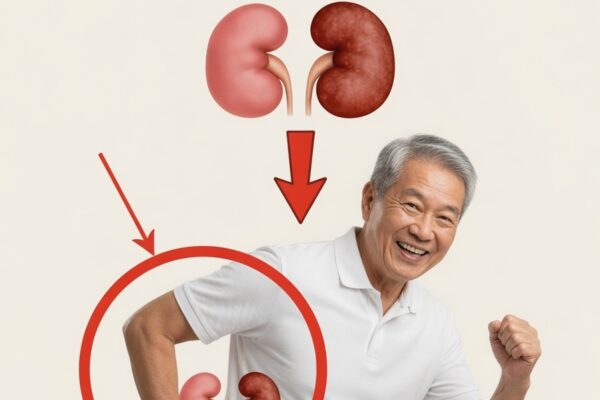
As you age, you may find that standing up from a chair takes more effort, carrying groceries feels heavier, and everyday errands leave you more tired than before. This slow shift in strength is common after 60 and is often tied to natural aging changes that can affect mobility, confidence, and independence. It’s normal to feel frustrated—or even worried—about staying active and self-sufficient.
The encouraging part is that nutrition can support healthy aging. Adding nutrient-dense foods, including certain seeds often discussed by natural health educators such as Barbara O’Neill, may help you strengthen your daily routine in a simple, practical way. Below, you’ll learn which seeds stand out, why they matter, and how to use them easily.

Understanding Age-Related Muscle Changes (Sarcopenia)
Many adults begin to lose muscle mass and strength gradually from around age 50, and the pace often accelerates with advancing years. This age-related decline is commonly called sarcopenia. It’s influenced by several overlapping factors, including:
- The body becoming less efficient at using dietary protein
- Chronic, low-grade inflammation
- Hormonal changes over time
- Reduced physical activity and slower recovery
Research referenced by groups such as the National Institutes of Health suggests muscle mass may drop by roughly 3–8% per decade after age 50, which can affect daily function and long-term independence.
You may notice the impact in subtle ways: climbing stairs feels harder, balance isn’t as steady, or you need longer to bounce back after light exertion. Emotional stress can follow, especially if concerns about falling or needing help start to grow. While no single food is a cure, better nutrition can meaningfully support muscle maintenance alongside movement and rest.
Why Seeds Can Help Support Muscle Health
For aging muscles, the body benefits from consistent intake of:
- Protein and amino acids (for repair and maintenance)
- Healthy fats (especially omega fats that may support inflammation balance)
- Key minerals (such as magnesium, zinc, and iron)
- Antioxidants (to help manage oxidative stress)
Seeds are an easy, compact way to get many of these nutrients without complicated meal prep. They also mix well into everyday foods like oatmeal, yogurt, soups, and smoothies.
Hemp Seeds: A Standout Option for Muscle Support
Hemp seeds are frequently mentioned in natural wellness conversations—including those led by educators like Barbara O’Neill—because of their strong nutrient profile for older adults.
What makes hemp seeds notable:
- Complete plant protein: Hemp contains all essential amino acids needed for muscle repair and upkeep.
- In about 3 tablespoons, hemp seeds provide roughly 10 grams of protein.
- They offer omega-3 and omega-6 fats in a relatively balanced ratio, which may support inflammation management over time.
- They also contribute important minerals:
- Zinc (involved in protein synthesis and tissue repair)
- Magnesium (supports muscle function and contractions)
- Iron (helps oxygen transport, supporting energy and endurance)
Evidence reported in publications such as the American Journal of Clinical Nutrition indicates that plant-based proteins, especially when paired with regular activity, can support muscle protein building in older adults. Hemp is a practical starting point—but it’s even better when combined with other nutrient-rich seeds.
Top Seeds That May Support Muscle Health in Older Adults
Rotating different seeds can help you cover a wider range of nutrients while keeping meals interesting. Here are notable options based on nutritional value.
8. Flax Seeds
Flax seeds are rich in ALA (alpha-linolenic acid), a plant-based omega-3 that may support a healthier inflammation response. They also contain soluble fiber, which supports gut health and nutrient absorption—important for overall nourishment.
- Best tip: Grind flax to improve nutrient availability.
7. Chia Seeds
Chia seeds absorb liquid and form a gel, making them helpful for easy meal prep. They provide protein, calcium, and antioxidants, which may support aging muscles under oxidative stress.
- Easy use: Stir into yogurt or soak into a quick pudding.
6. Pumpkin Seeds
Pumpkin seeds deliver magnesium and zinc, both essential for muscle performance and recovery. Zinc is also linked to hormonal health, including support for testosterone levels, which naturally decline with age and can influence muscle strength.
- Snack idea: Lightly roast and add to salads or soups.
5. Sunflower Seeds
Sunflower seeds provide vitamin E, a key antioxidant that helps protect cells. They also offer healthy fats that support steady energy throughout the day.
- Simple add-on: Sprinkle over grains, vegetables, or yogurt.
4. Sesame Seeds
Sesame seeds contribute calcium, supporting bone and muscle coordination. They also contain plant compounds such as sesamin, studied for potential inflammation-supporting effects.
- Quick win: Add to stir-fries, dressings, or rice bowls.
3. Quinoa (A Seed-Like Grain)
Though often treated as a grain, quinoa is technically a seed. It contains all nine essential amino acids, making it a complete protein that can support muscle-building efforts when eaten regularly. It’s also gluten-free and satisfying.
- Meal idea: Use as a base for bowls with beans, fish, or chicken.
2. Pumpkin Seeds (Worth Emphasizing)
Pumpkin seeds deserve a repeat mention because their mineral density—especially magnesium and zinc—directly supports energy, recovery, and muscular function, which can be especially valuable in later life.
1. Hemp Seeds
Hemp seeds rank highly for combining complete protein + beneficial fats + key minerals in one easy ingredient. Many people also report feeling more consistent energy when using them regularly, especially when paired with gentle movement.
The most effective approach is not choosing only one seed, but combining a few for broader nutritional coverage.
Real-Life Examples: How Seeds Fit Into Everyday Aging
Small, consistent habits often create the most sustainable change.
- Robert, 68, noticed his arm strength declining during hobbies. He began adding hemp seeds to his daily smoothie. After several months—along with short daily walks—he felt steadier and found routine tasks slightly easier.
- Maria, 72, started mixing flax and chia into breakfast. Over time, she felt more stable on her feet and was able to spend longer in her garden.
Individual results will vary, but these examples show how seed-based nutrition can complement a broader healthy routine.
How to Add Seeds to Your Daily Routine (Simple Steps)
Use this approach to make seeds part of your diet without overthinking it:
-
Pick one seed to start
Choose hemp or pumpkin for a strong protein-and-mineral base. Start with 1–2 tablespoons per day. -
Increase slowly
After a week, introduce a second seed (such as flax or chia) to diversify nutrients. -
Mix into foods you already eat
- Stir into oatmeal or yogurt
- Blend into smoothies
- Sprinkle on salads, soups, or rice bowls
-
Prepare certain seeds properly
- Grind flax for better digestion and nutrient absorption
- With high-fiber seeds (chia/flax), drink enough water
-
Check in after one month
Pay attention to practical outcomes: energy, recovery, steadiness, and ease of movement.
Quick Comparison: Seeds, Key Nutrients, and Easy Serving Ideas
-
Hemp: complete protein, omega fats, zinc, magnesium
- Potential support: protein synthesis, inflammation balance
- Serving idea: 3 tbsp in a smoothie
-
Flax: omega-3 (ALA), fiber, lignans
- Potential support: inflammation support, gut health
- Serving idea: ground into oatmeal
-
Chia: protein, calcium, antioxidants
- Potential support: hydration support, oxidative stress protection
- Serving idea: soaked pudding or mixed into yogurt
-
Pumpkin: zinc, magnesium, iron
- Potential support: energy, recovery, hormone support
- Serving idea: roasted snack or salad topping
-
Sunflower: vitamin E, healthy fats
- Potential support: antioxidant defense
- Serving idea: sprinkle on salads or grains
Safety Notes When Increasing Seed Intake
Seeds are generally safe for most people, but smart habits matter:
- Start with small amounts to avoid digestive discomfort.
- If you take blood thinners, speak with a clinician before increasing omega-3-rich foods (such as flax) significantly.
- Allergies are uncommon but possible—test a small portion first.
- If you have kidney concerns, be mindful that some seeds can be higher in minerals like potassium or phosphorus.
Seeds are best viewed as part of a bigger picture: balanced meals, adequate sleep, and regular movement. No single ingredient creates instant change—progress comes from consistency.
Conclusion: A Simple, Consistent Support for Healthy Aging
Adding everyday seeds—especially hemp, flax, chia, pumpkin, sunflower, sesame, and quinoa—can help strengthen your nutrition as you age. They offer practical benefits through protein, healthy fats, minerals, and antioxidants, and they’re affordable and easy to use in daily meals. Start small, stay consistent, and let these simple additions support your long-term mobility and independence.