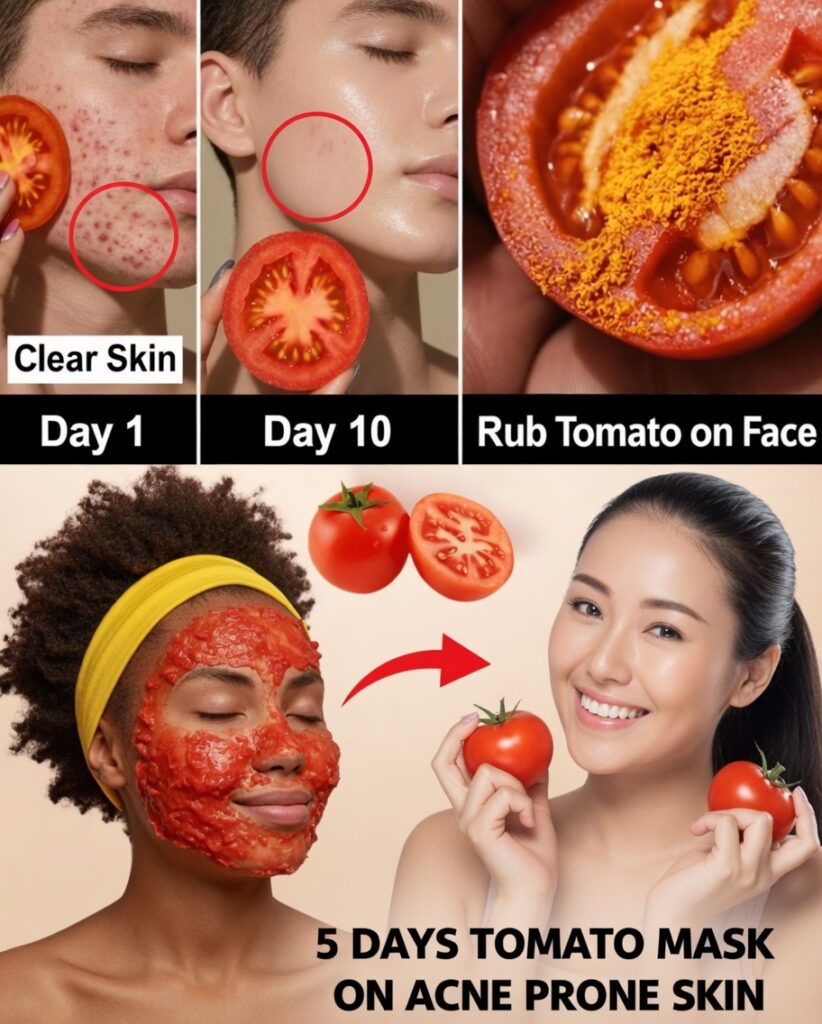
Why Some Skin Starts Looking Dull (and Why Tomatoes Get Attention)
It’s common to look in the mirror and notice a tired complexion, midday oiliness, or uneven areas that make you reach for heavier makeup. Sun exposure, pollution, stress, and daily buildup can all leave skin looking less fresh than you’d like.
While many skincare routines rely on pricey formulas, plenty of people also explore gentle, food-based options at home. One ingredient that often comes up is the tomato—thanks to its naturally occurring vitamins, antioxidants, and mild acids. So what realistic, subtle changes might you observe after using tomato on your face for 10 days? Below is a thoughtful look at what tomatoes contain and how those components may affect skin when used topically.
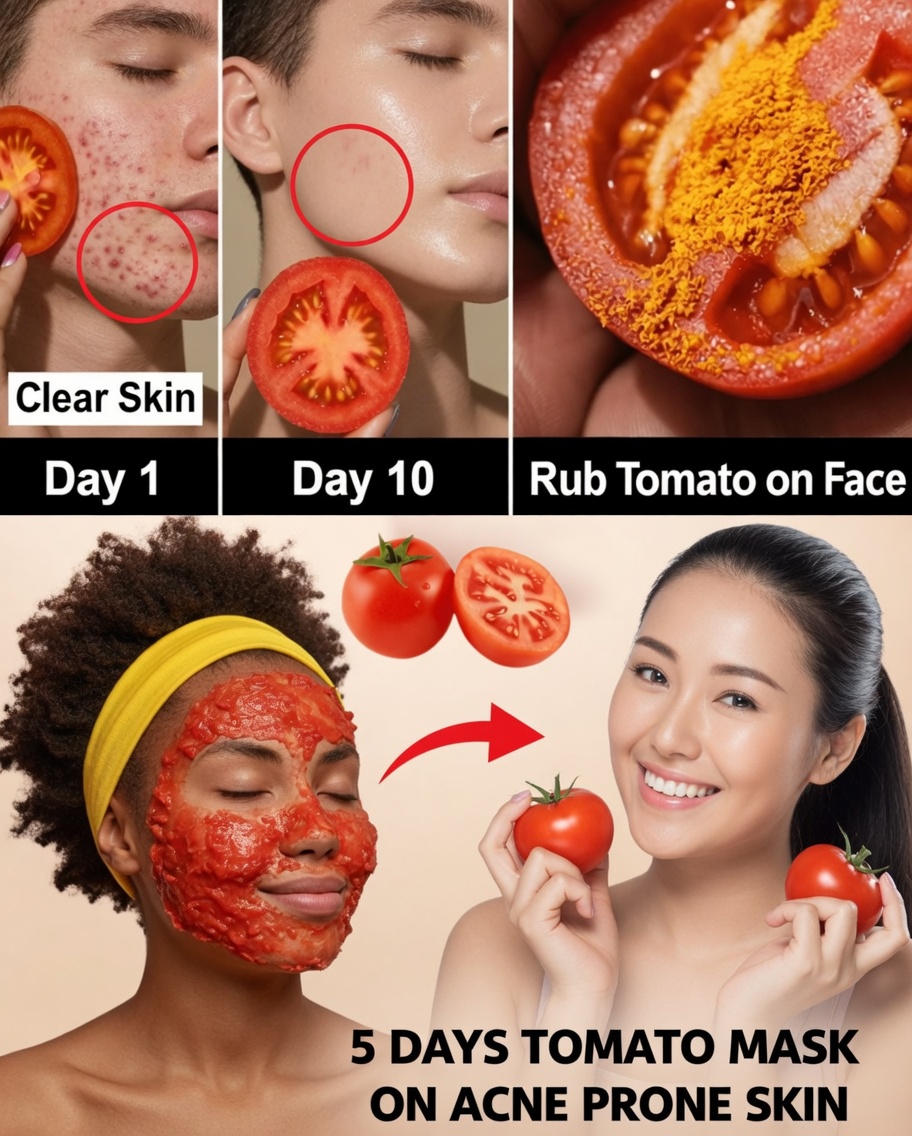
Tomato Benefits for Skin: The Key Nutrients Behind the Trend
Tomatoes contain several skin-relevant nutrients, including vitamin C, vitamin A, lycopene, and naturally occurring acids (such as citric acid). When used gently on the skin, these compounds may support a brighter-looking, smoother complexion—although results vary widely from person to person.
Here’s how these nutrients are commonly understood in skincare:
- Lycopene (antioxidant support): Lycopene is widely studied for its antioxidant activity and potential to help the skin cope with environmental stress.
- Vitamin C (radiance + collagen support): Vitamin C is well known in topical skincare for supporting a brighter look and healthy collagen function.
- Mild natural acids (soft exfoliation): Tomato’s natural acidity may help loosen dead surface cells over time, leading to a fresher appearance with consistent use.
People experiment with rubbing tomato on the face largely because it combines multiple skin-friendly properties in one simple ingredient:
- Antioxidant boost: May help reduce the impact of free-radical exposure from everyday life.
- Refreshing hydration feel: Tomatoes are about 95% water, which can feel cooling on the skin.
- Temporary astringent effect: Tannins and acids may briefly tighten the look of pores and reduce visible shine.
Research often focuses on tomato extracts that are ingested or professionally formulated, so direct application is supported more by nutrient profiles and user experiences than strong clinical evidence.
What You Might Notice After 10 Days of Using Tomato on Your Face (Day-by-Day Style)
Skin responses depend on your skin type, how consistently you apply it, and how reactive your skin is. Think of this as a small daily ritual—changes, if they happen, usually feel gradual rather than dramatic.
Below is a “countdown” of commonly reported shifts, based on typical user observations and the known properties of tomato nutrients.
Change 8: A Bit More Help With Oil and Shine
If you have an oily T-zone, tomato’s natural acids may behave like a light astringent. Some people find their skin looks less shiny by midday, especially after several days of consistent use.
Change 7: A Fresher, Brighter Look
Because tomatoes contain vitamin C, daily application may help reduce the look of surface dullness. Over time, skin can appear more awake and refreshed.
Change 6: A More Even-Looking Tone
The combination of mild acids and antioxidant compounds may support smoother-looking transitions in tone and texture. Some notice uneven areas looking slightly less noticeable—particularly in sun-exposed zones.
Change 5: Pores That Look Slightly More Refined (Temporarily)
Tomatoes naturally contain tannins, which can create a brief tightening sensation. This effect may make pores look smaller for a short period after application.
Change 4: Calmer-Looking Occasional Blemishes
Tomato acids may offer mild antibacterial or clarifying effects for some people. A few use it on small spots and feel it helps the area look calmer or less uncomfortable.
Change 3: A Quick “Hydrated” Feel
The pulp and juice can make skin feel instantly moisturized due to water content. With repeated use, some people feel their skin appears a bit plumper and less dry.
Change 2: Subtle “Protected” Glow
Antioxidants like lycopene may help skin look more resilient over time. While this is hard to measure, some users describe a healthier-looking tone after several days.
Change 1: Overall Complexion Vitality
By day 10, the most common theme is a general improvement in how the skin looks and feels—slightly brighter, more balanced, and more comfortable. Many describe it as a natural-looking glow rather than a dramatic transformation.
These are possible observations, not promises. If your skin is sensitive, reactive, or already irritated, you may see no improvement—or you may need to stop.
Tomato Application Methods: Which One Fits Your Skin?
Different application styles can create different experiences. Here are popular options, kept simple:
-
Rubbing fresh tomato slices
- Best for: quick daily use
- Notes: light juice contact, easy to rinse
-
Tomato pulp mask
- Best for: a slightly deeper “nourishing” feel
- Notes: leave on for 10–15 minutes, then rinse well
-
Tomato juice as a toner-style pat
- Best for: a light refresh after cleansing
- Notes: apply gently; avoid overdoing it if you’re sensitive
-
Mixed blends (tomato + other ingredients)
- Best for: customized feel (more soothing or more hydrating)
- Notes: common pairings include honey or yogurt—introduce one change at a time
If you’re new to this, start with the simplest method first so you can clearly see how your skin reacts.
How to Try Tomato on Your Face for 10 Days (Safely)
Use this step-by-step approach to keep it gentle and consistent:
- Choose a ripe, fresh tomato (organic if available).
- Cleanse your face with your usual cleanser and pat dry.
- Slice the tomato (or cut it in half).
- Gently rub the cut side on clean skin using small circular motions for 5–10 minutes, focusing on oily or dull areas.
- If comfortable, let the juice sit for another 5–10 minutes.
- Rinse with cool water and pat dry.
- Apply your regular moisturizer.
- If used during the day, finish with sunscreen (essential).
Recommended timing: evening use is often preferred, since acids can make some people feel more sun-sensitive.
Tips to reduce the risk of irritation
- Do a patch test on the inner arm and wait 24 hours.
- If you feel burning or strong stinging, rinse immediately and stop.
- Sensitive skin types may do better using it every other day.
- Don’t apply to broken skin, inflamed areas, or active rashes.
- Consider eating tomatoes as well—dietary support matters for skin too.
Important note
This is an experimental, home-based practice and should not replace evidence-based skincare or medical treatment. If you have eczema, rosacea, persistent acne, or ongoing irritation, check with a dermatologist before trying it.
Try the 10-Day Tomato Routine and Track Your Results
After 10 days, you may notice small but encouraging shifts—less midday shine, a brighter look, or a more balanced complexion. Many people also enjoy the cooling sensation and the simplicity of using one ingredient consistently.
If you decide to try it, pay attention to how your skin feels day by day and adjust frequency if needed.
Frequently Asked Questions
Is rubbing tomato on the face safe for all skin types?
Not always. Many people tolerate it, but sensitive, reactive, or acne-inflamed skin should patch test first. Stop immediately if redness, itching, or irritation appears.
When will I see results from daily tomato application?
Some people notice a fresher feel or reduced oiliness within a few days. Changes like improved brightness or overall vitality typically require 7–10 days of consistency—if they happen at all.
Can I mix tomato with other natural ingredients?
Yes. Common combinations include honey (for a more soothing feel) or yogurt (for added moisture). Introduce mixtures slowly and monitor how your skin responds.
Disclaimer: This article is for informational purposes only and does not replace professional medical advice. For personalized skincare guidance—especially if you have a skin condition—consult a dermatologist or qualified healthcare provider.