Staring at screens for hours can leave your eyes feeling dry, heavy, and unfocused—sometimes to the point where reading, working, or driving becomes uncomfortable. Over time, this daily strain may also fuel worries about long-term changes in vision. A practical, food-based way to support eye comfort is to add antioxidant-rich fruits to your routine—especially guava, a nutrient-dense tropical fruit. Keep reading for a quick guava drink you can make in minutes to help nourish your eyes from within.
Why Guava Is Notable for Eye Health Support
Guava is more than a sweet snack—it’s a concentrated source of nutrients that may help counter the fatigue many people feel after extended screen exposure. One of its key strengths is beta-carotene, which the body converts into vitamin A, a nutrient closely tied to healthy retinal function. This matters because vitamin A supports visual performance in low light, a common area where people notice changes as they age.
Guava also contains exceptionally high levels of vitamin C—often higher than what you’d get from oranges. Vitamin C helps defend eye tissues against oxidative damage, which can contribute to discomfort such as dryness and intermittent blur. Diets rich in antioxidants are frequently associated with better long-term tissue resilience, making guava a smart addition for modern, screen-heavy lifestyles.
What Guava May Help With—and What It Cannot Do
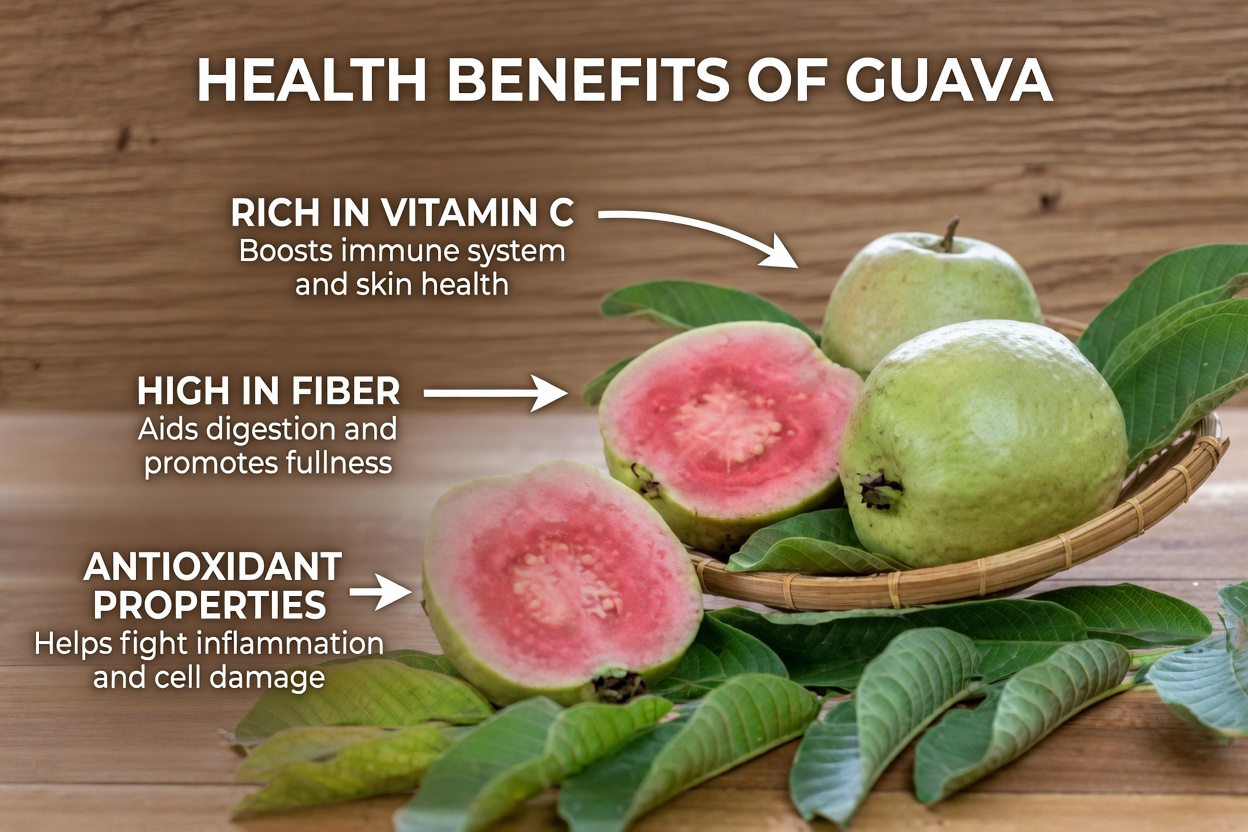
If you regularly deal with dryness, burning, or the “gritty” feeling that comes with digital eye strain, guava’s natural antioxidants—such as quercetin and lycopene—may help reduce oxidative stress and support overall eye comfort. It may also play a role in maintaining normal retinal and lens function as part of a nutritious diet.
That said, guava is not a cure. It cannot remove cataracts, reverse major refractive errors, or stop conditions like macular degeneration from progressing. Think of guava as a supportive tool—most effective when combined with proven habits like taking frequent screen breaks, staying hydrated, and getting regular eye exams.
The Science Behind Guava and Vision Support
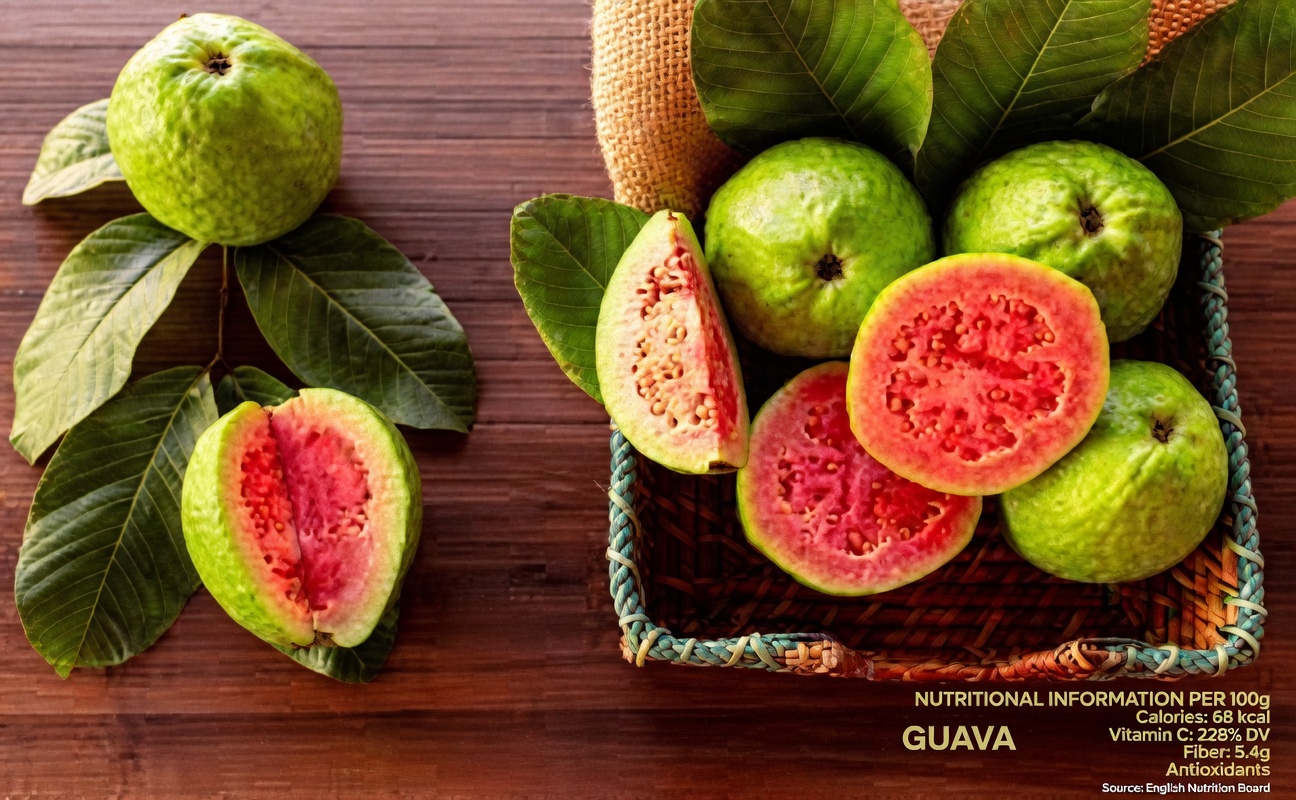
Blue light exposure, environmental irritation, and everyday aging can increase oxidative stress in eye tissues. Guava’s nutrition profile aligns well with the nutrients most often discussed in eye-health research:
- Beta-carotene → Vitamin A: Supports photoreceptors and helps maintain night vision.
- Vitamin C: Helps protect ocular tissues from free-radical damage; higher intake is often linked with reduced risk of age-related tissue decline.
- Quercetin: Known for anti-inflammatory properties that may help calm low-grade irritation related to fatigue.
- Lycopene: An antioxidant that supports cellular protection in multiple tissues, including those affected by oxidative stress.
Some animal and lab studies suggest guava-derived compounds may reduce markers of cellular stress, which is encouraging—but human outcomes still depend on overall diet and lifestyle, not a single food.
Key Eye-Support Nutrients Found in Guava
- Vitamin A (from beta-carotene): Supports retinal health and low-light vision.
- Vitamin C: Helps defend against oxidative damage linked to dryness and irritation.
- Quercetin and lycopene: Antioxidants that may support inflammation balance and tissue resilience.
- Fiber and minerals: Support metabolic and vascular health, indirectly benefiting nutrient delivery to the eyes.
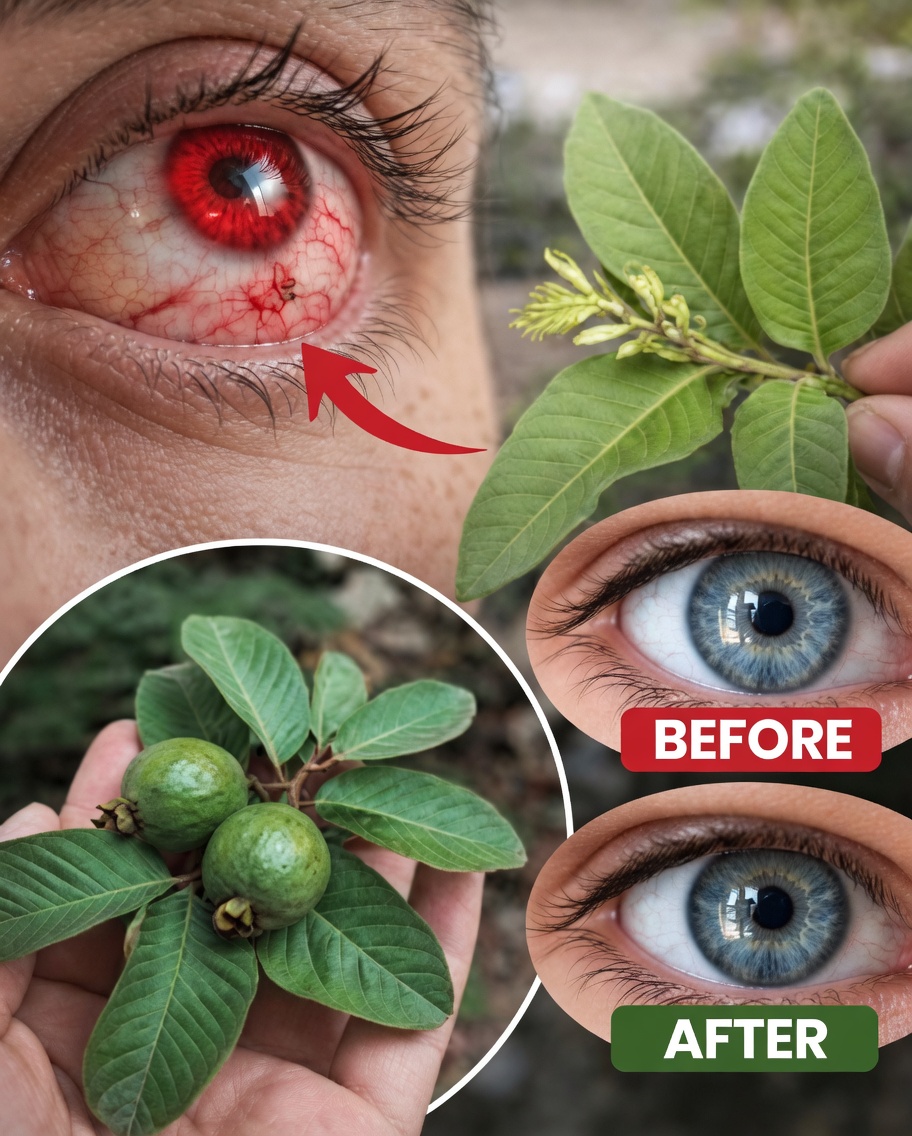
Quick Guava Juice Recipe for a Daily Nutrient Boost
When your eyes feel tired and your schedule is packed, this simple guava drink is an easy way to get guava’s nutrients consistently.
Ingredients
- 1 ripe guava (washed well)
- 200 ml water
- 1/2 lemon (juice)
- 1 tsp honey (optional)
Steps (3 minutes)
- Wash the guava thoroughly.
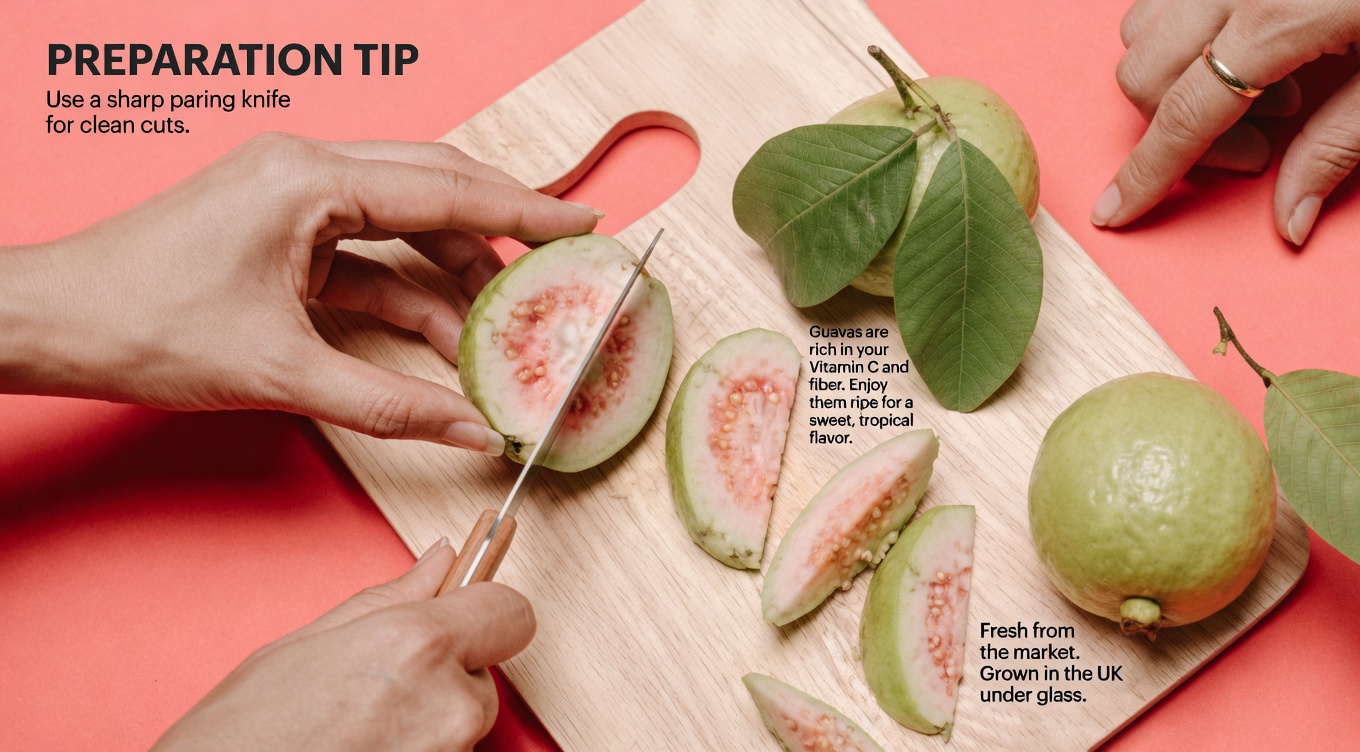
- Chop it into pieces. You can include the seeds—they add fiber.
- Blend guava with water and lemon juice for 30–45 seconds, until smooth.
- Strain if you prefer a lighter texture.
- Sweeten with honey if needed, then drink fresh.
This quick recipe delivers vitamin C and beta-carotene in a convenient form that can fit into a daily routine.
Practical Ways to Add Guava to Your Eye-Friendly Routine
To make guava’s benefits more meaningful, focus on consistency and pair it with habits that reduce strain:
- Have one serving daily: 1 medium guava or a small glass of juice with breakfast.
- Combine with complementary foods: Pair guava with carrots or leafy greens to broaden your carotenoid intake.
- Follow the 20-20-20 rule: Every 20 minutes, look 20 feet away for 20 seconds to reduce screen fatigue.
- Support hydration and sleep: Both strongly influence dryness and visual comfort.
How Guava Compares to Other Eye-Supportive Foods
- Guava: Vitamin C + beta-carotene — 1 medium fruit — antioxidant support for dryness and irritation
- Carrots: Beta-carotene — 1/2 cup — supports low-light vision
- Spinach: Lutein + zeaxanthin — 1 cup — helps filter high-energy light
- Salmon: Omega-3 fats — 3 oz — supports inflammation balance and tear quality
Guava works best as part of a varied “eye nutrition” pattern, not as a stand-alone fix.
Safety Notes When Using Guava for Eye Health
Even healthy foods can cause issues when overconsumed. Guava and guava juice can contribute extra natural sugar, and in some people, higher oxalate intake may be a concern.
- Keep guava juice to no more than ~500 ml per day.
- If you have a history of kidney stones or other kidney concerns, check with a healthcare professional before increasing intake.
- During pregnancy, guava is generally safe in normal food amounts, but personalized guidance is still best.
Most importantly: guava supports lifestyle choices, but it does not replace eye exams, prescribed treatments, or professional evaluation of persistent symptoms.
More Benefits of Guava Beyond Vision Support
Guava’s nutrition supports more than just your eyes:
- Immune support: High vitamin C helps strengthen immune defenses.
- Digestive health: Fiber supports regularity and gut comfort.
- Heart and circulation support: Potassium contributes to cardiovascular function, which matters for nutrient delivery throughout the body—including the eyes.
- Skin health: Antioxidants support overall tissue vitality, contributing to a healthier appearance.
Summary: Guava’s Role in Supporting Eye Health
Guava offers a strong mix of vitamin C, beta-carotene (vitamin A support), and antioxidants that may help protect eyes from everyday oxidative stress and discomfort—especially in screen-heavy routines. It’s a helpful, realistic addition to a broader eye-care strategy that includes breaks, hydration, balanced nutrition, and regular checkups.
Frequently Asked Questions
-
Can guava improve eyesight overnight?
No. Guava supports eye health gradually through consistent nutrition, not instant changes. -
How much guava should I eat for eye-related benefits?
A practical starting point is one serving per day, such as 1 medium guava or a modest glass of juice. -
Is guava safe for everyone?
Generally yes, but people with kidney-related conditions or other medical concerns should consult a clinician before increasing intake.
Disclaimer: This article is for informational purposes only and does not provide medical advice. For personalized eye health guidance, consult a qualified healthcare professional.