Most people reach for guava because the fruit is sweet, juicy, and packed with nutrients—while the leaves are often ignored. Yet across many tropical cultures, guava leaves have been used for generations as a simple, home-based wellness tradition. As interest grows in natural daily health support, leaves from the Psidium guajava tree are getting renewed attention thanks to their plant compounds, including flavonoids and polyphenols.
Both traditional use and modern research suggest guava leaves may gently support digestion, heart health, and blood sugar balance when used thoughtfully. Even better, they’re easy to enjoy as a warm, calming tea at home. Below is a practical guide to what guava leaves are, why they’re popular, and how to use them safely.

What Are Guava Leaves?
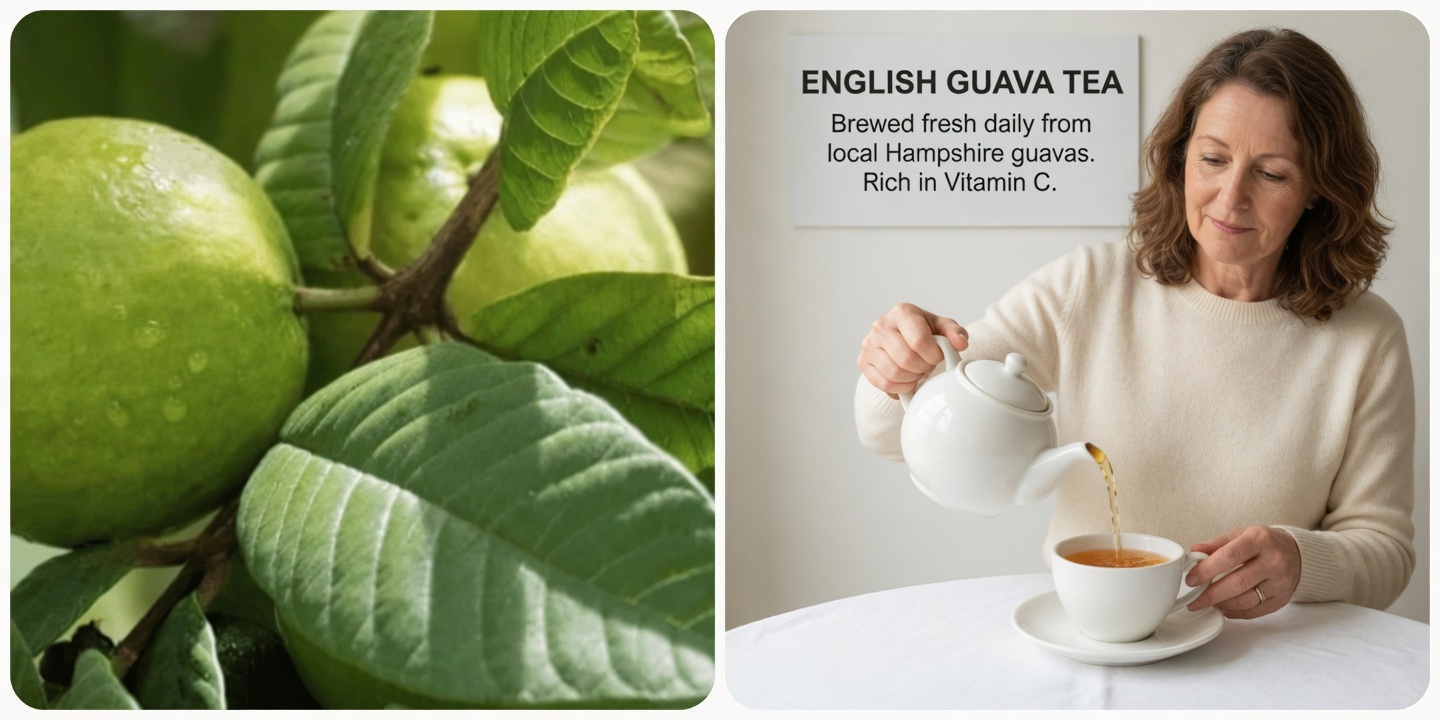
Guava leaves come from the tropical guava tree (Psidium guajava), widely found in warm regions such as Asia, Africa, Latin America, and other subtropical areas. The leaves are typically oval, slightly textured/rough, and naturally aromatic with a mild herbal scent.
Traditionally, they’re used fresh or dried in herbal infusions—most commonly guava leaf tea—often as part of everyday comfort routines. Today, scientific interest focuses on their bioactive components, including:
- Quercetin
- Gallic acid
- Catechins
These compounds are frequently studied for their connection to antioxidant activity, which may help the body manage oxidative stress from daily life.
Research-Supported Potential Benefits of Guava Leaves
Guava leaves contain a broad mix of plant chemicals, which is why they’re discussed in several wellness areas. Here are the most common benefits explored in research and reviews.
1. Supporting Heart Wellness and Healthy Cholesterol Levels
Heart health is a major priority for many people, and guava leaves are often discussed for their potential role in cholesterol balance. Certain leaf compounds—especially polyphenols—have been linked in various studies to maintaining healthier lipid patterns.
Some research on guava leaf extracts suggests they may help:
- Support vascular function
- Reduce oxidation of LDL (“bad”) cholesterol
When combined with a heart-supportive lifestyle (balanced meals, movement, adequate sleep), guava leaf tea may be a helpful complementary habit—not a replacement for medical care.
2. Helping Maintain Balanced Blood Sugar
For those who notice energy dips or post-meal spikes, guava leaves are frequently explored for blood sugar support. Flavonoids and related compounds may influence how the body breaks down and absorbs carbohydrates.
Studies (including animal research and limited human observations) suggest guava leaf preparations may:
- Slow carbohydrate digestion
- Support insulin sensitivity
- Help moderate post-meal glucose response
This is why some people add guava leaf tea to routines focused on steady daily energy. If you manage diabetes or take blood sugar medication, speak with a clinician before using it regularly.
How guava leaf tea compares to other common blood sugar-friendly habits:
- Guava leaf tea: Plant flavonoids may slow sugar absorption (supported in multiple studies)
- High-fiber foods: Reduce spikes by slowing digestion in the gut
- Regular exercise: Improves insulin function over time
- Balanced meals: Helps avoid dramatic highs and lows
Small, consistent choices tend to work best together.
3. Promoting Digestive Comfort and Gut Balance
Guava leaves have long been used to support the digestive system, especially for occasional discomfort. Traditional practices commonly turn to guava leaf tea for issues like:
- Mild bloating
- Gas
- Occasional loose stools
Research and reviews suggest guava leaves may help support gut comfort due to compounds with anti-inflammatory and antimicrobial activity. Certain components, including tannins, are also noted for their potential role in calming irritation and supporting intestinal balance.
4. Antioxidant Support and Natural Defense Benefits
Guava leaves are rich in antioxidants, with quercetin often highlighted for its protective properties. Antioxidants may help the body defend cells against everyday oxidative strain.
Some studies also explore guava leaves for antimicrobial potential. In traditional settings, they’ve been used externally in simple rinses for comfort (for example, mouth or skin soothing practices). Internally, tea is the easiest way most people incorporate them into daily routines.
How to Make Guava Leaf Tea at Home (Step-by-Step)
Making guava leaf tea is simple and requires only a few basics.
Ingredients (1–2 servings)
- 5–8 fresh guava leaves (or 1–2 teaspoons dried leaves)
- 2 cups water
- Optional: honey for mild sweetness
Instructions
- Wash the leaves well under running water to remove dust or residue.
- Add leaves and water to a pot and bring to a gentle boil.
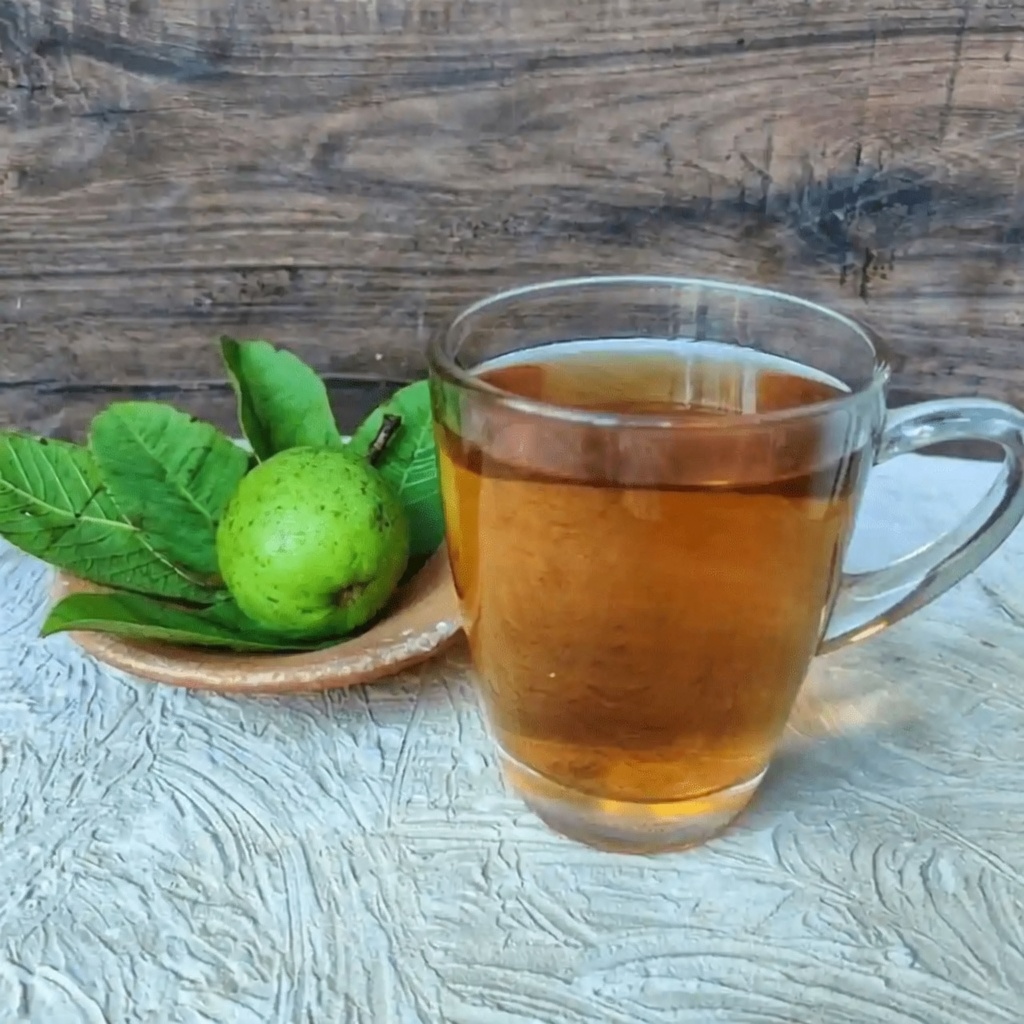
- Reduce heat and simmer for 10–15 minutes, until the tea becomes light golden and fragrant.
- Strain into a mug.
- Drink warm; add honey if you prefer a softer flavor.
Typical use: Many people choose 1–2 cups daily. Start with a smaller amount at first to see how your body responds.
Precautions and Safety Tips
Guava leaves are generally considered safe for most adults when used in moderate amounts, but smart use matters.
- Speak with a healthcare professional if you are pregnant, breastfeeding, or managing a chronic condition.
- If you take medications—especially for blood sugar or blood pressure—check for possible interactions before adding herbal teas regularly.
- Start slowly and watch for any sensitivity or allergic reaction.
- Use leaves from clean, pesticide-free sources whenever possible.
Final Thoughts: A Simple Leaf with Big Interest
Guava leaves are a reminder that wellness traditions can come from surprisingly everyday sources. Thanks to their antioxidant plant compounds and long history of use, guava leaves are now being explored for gentle support related to cholesterol, digestion, blood sugar balance, and everyday cellular protection.
If you have access to a guava tree—or quality dried leaves—brewing a cup of guava leaf tea could be an easy, calming habit to add to your routine.
Frequently Asked Questions (FAQ)
How often can I drink guava leaf tea?
Many people tolerate 1–2 cups per day. Begin with less and adjust based on how you feel.
Are guava leaves better fresh or dried?
Either works. Fresh leaves tend to taste brighter, while dried leaves are easier to store. Both can provide similar key compounds.
Can guava leaf tea replace my usual health routine?
No. It’s best used as a complement to balanced nutrition, regular activity, and professional care when needed.
Disclaimer: This article is for informational purposes only and does not provide medical advice. Herbal products, including guava leaf tea, may interact with medications or health conditions. Always consult a qualified healthcare professional before making changes to your routine.