
A Gentle, Herb-Based Hair Mist for Thinning Hair: Neem, Rosemary, and Hibiscus (DIY Guide)
Many women experience gradual hair thinning or heavier shedding due to everyday stress, shifting hormones, or natural aging. A 2025 survey by Hers reported that nearly 23% of women ages 18–65 noticed visible thinning, compared with 18% of men in the same age group. By midlife, up to 40% of women may see some degree of noticeable thinning—often making simple routines like washing, brushing, and styling feel discouraging.
If you’re looking for a softer approach, a plant-based scalp mist made with familiar herbs may be a practical option. This guide breaks down a widely discussed DIY blend featuring neem, rosemary, and hibiscus, along with why it’s trending and how to use it consistently.
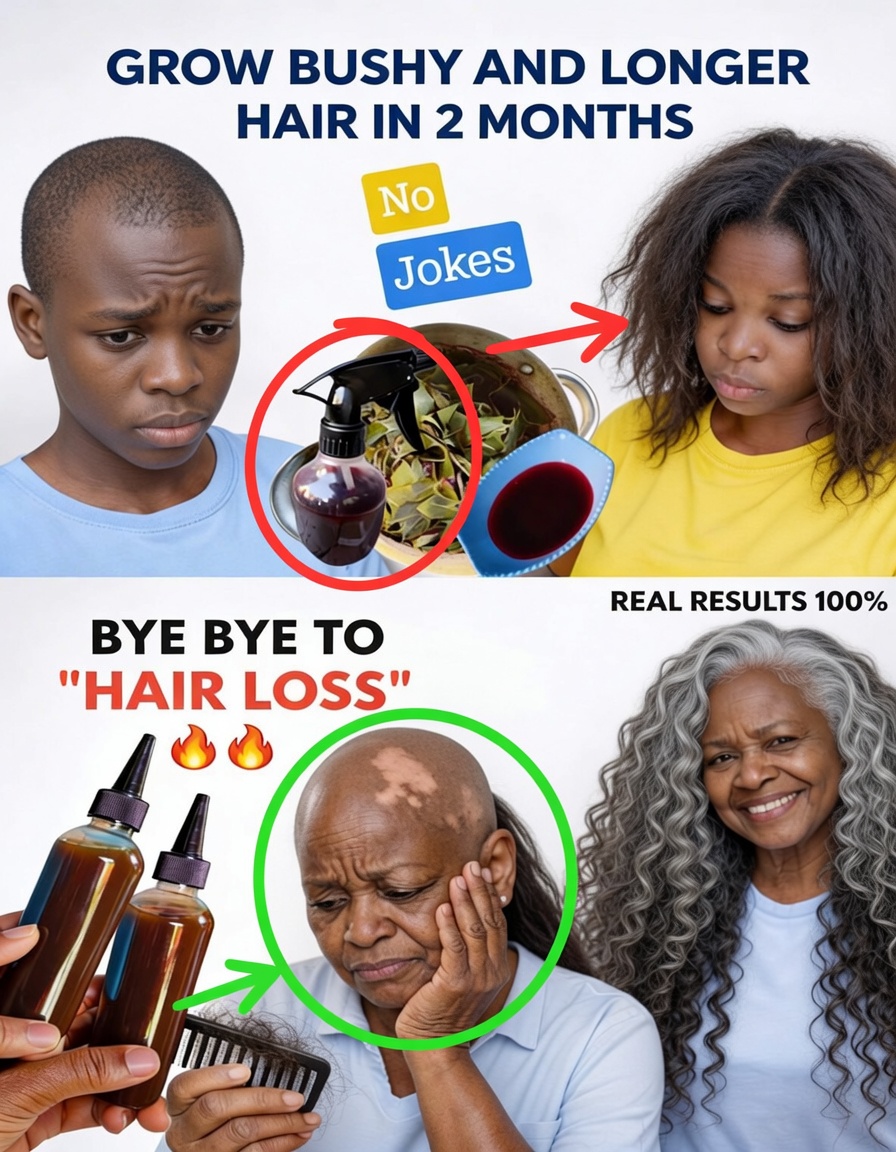
Why Thinning and Slow Growth Can Feel So Frustrating
Hair changes don’t always happen overnight. While 50–100 hairs per day is commonly considered normal shedding, many people notice the number creeping higher during stressful seasons or major life transitions. Over time, you may see:
- A smaller ponytail circumference
- Wider parts or more visible scalp
- Fragile ends that snap before you can retain length
Some store-bought products can also leave behind buildup, trigger itchiness, or cause scalp sensitivity, pushing people to seek gentler routines.
One supportive strategy is focusing on scalp health—because a balanced, comfortable scalp environment helps follicles perform at their best. That’s where certain traditional herbs come into the conversation.
What Makes Neem, Rosemary, and Hibiscus a Popular Combination?
This three-ingredient blend pairs long-standing traditional use with growing scientific interest:
- Neem is known for properties that may help keep the scalp feeling clean and balanced, thanks to its antimicrobial activity.
- Rosemary is associated with improved circulation in the scalp. A 2015 randomized trial found rosemary oil performed similarly to 2% minoxidil in improving hair count over six months for androgenetic alopecia.
- Hibiscus contains plant mucilage that supports moisture and conditioning, and animal studies suggest it may encourage growth activity.
Combined in a lightweight mist, these herbs create a refreshing, easy-to-apply routine many people prefer over heavy creams or oils.
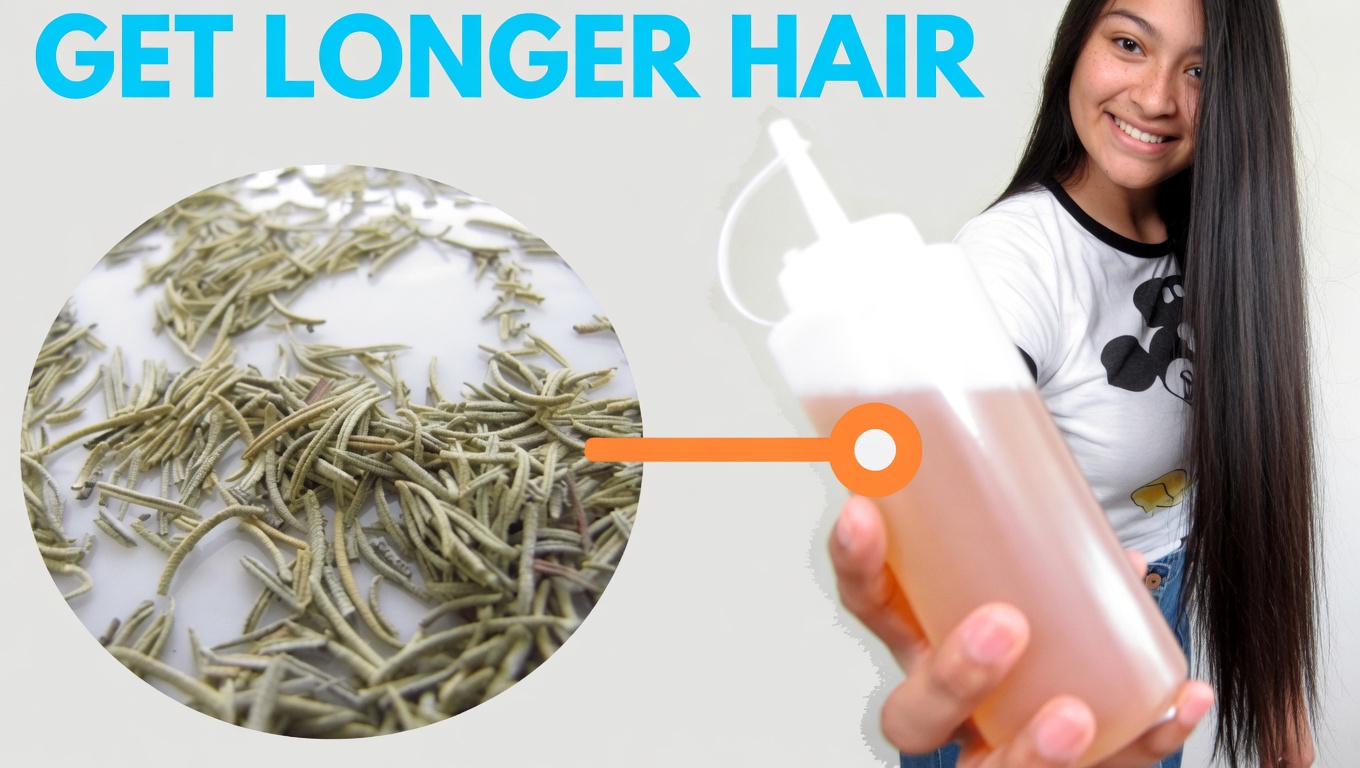
15 Reasons People Like This Herbal Hair Mist
Below are the most common reasons this neem–rosemary–hibiscus spray appeals to users looking for a natural scalp spray for thinning hair:
- Scalp comfort support — Neem may help reduce the feeling of itchiness and minor flaking.
- Potential to reduce shedding appearance — Rosemary’s circulation-supporting reputation may help reinforce roots.
- Follicle “wake-up” potential — Comparative research on rosemary suggests it may support regrowth patterns in some users.
- Less breakage over time — Hibiscus mucilage coats and softens hair, helping strands resist snapping.
- Fuller-looking volume — Nourished strands often appear bouncier and more substantial.
- Moisture retention — Hydration support can reduce dryness and brittleness.
- Hairline and edge support — Targeted spraying may benefit stressed areas (styling tension, postpartum changes).
- Direct antioxidant delivery — Herbs provide plant compounds that support scalp wellness.
- Helps calm mild irritation — Neem and hibiscus contain antioxidants that may help with scalp stress.
- Works across hair textures — Often well-tolerated on straight, wavy, curly, and coily hair.
- Supports a cleaner-feeling scalp — Neem’s antimicrobial nature may reduce buildup-related discomfort.
- Length retention friendly — Conditioning benefits can help you keep more length by minimizing breakage.
- Simple self-care ritual — Offers an at-home routine that feels “professional” without the price tag.
- Easy DIY preparation — Uses basic tools and straightforward steps.
- Whole-hair wellness approach — Aims to support scalp + strands from root to tip.
How It Compares to Common Alternatives
-
Minoxidil
- Potential advantages: Clinically studied for regrowth
- Common drawbacks: May cause irritation or dryness for some users
-
Biotin supplements
- Potential advantages: Convenient and simple
- Common drawbacks: Systemic approach, often slower and variable results
-
In-salon treatments
- Potential advantages: Professional-grade application
- Common drawbacks: Costly and time-intensive
-
Neem–rosemary–hibiscus hair mist
- Potential advantages: Natural, budget-friendly, multi-benefit scalp care
- Common drawbacks: Results vary and depend heavily on consistency
What People Report (and What Studies Suggest)
Many users share anecdotal improvements such as reduced shedding after a few weeks, better scalp comfort, and hair that feels thicker or stronger with continued use. While personal results vary, these experiences broadly match research directions:
- Rosemary has shown promising outcomes in comparative studies (including a trial versus 2% minoxidil).
- Neem is frequently discussed for its soothing, scalp-supportive properties.
- Hibiscus has demonstrated growth-related activity in animal models and is valued for conditioning.
Your outcome will still depend on factors like overall health, stress levels, nutrition, styling habits, and how regularly you use the spray.
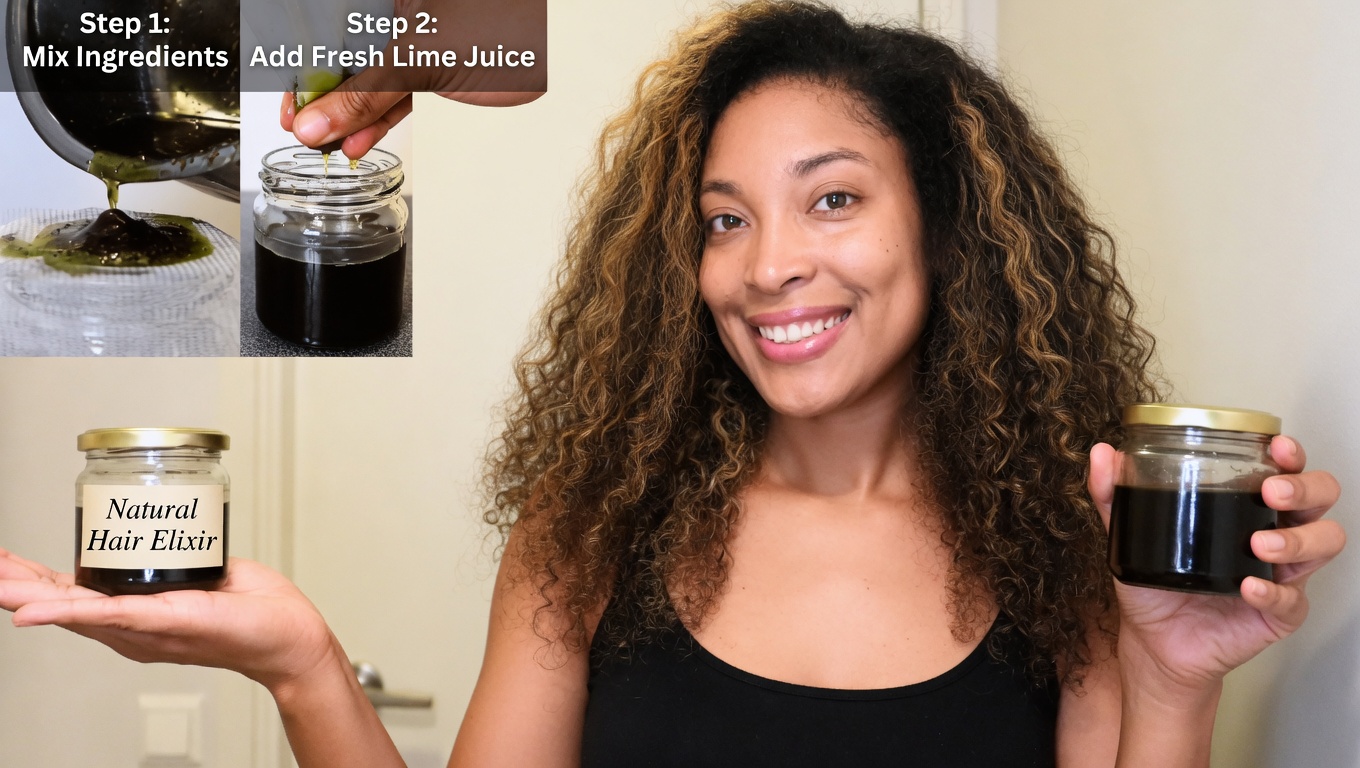
DIY Neem, Rosemary, and Hibiscus Hair Mist (Step-by-Step Recipe)
You can make this herbal scalp spray at home with minimal equipment.
Ingredients
- 2 cups water
- A handful of fresh neem leaves or 1 tbsp neem powder
- 1 tbsp dried hibiscus flowers/leaves
- 2 tbsp dried rosemary
Instructions
- Bring 2 cups of water to a boil.
- Add neem, hibiscus, and rosemary.
- Reduce heat and simmer for 15–20 minutes to infuse.
- Let the mixture cool completely.
- Strain thoroughly to remove herbs and sediment.
- Transfer to a clean spray bottle.
- Shake before each use.
How to Use
- Apply to the scalp 3–4 times per week.
- Massage gently for 2–3 minutes, focusing on thinning areas.
- Leave it in—no rinse required.
Storage
- Keep refrigerated and use within up to 1 week.
Patch test first: Apply a small amount on your inner arm and wait to confirm there’s no sensitivity before using on your scalp.
When You Might Notice Changes (Typical Timeline)
Results depend on consistency and individual factors, but many people describe this general pattern:
- Weeks 1–2: A calmer scalp feeling and possibly less visible shedding
- Weeks 3–4: Reduced breakage and hair that feels stronger or looks slightly thicker
- Month 2 and beyond: A more noticeable “fuller” appearance with continued routine
Consistency is the key variable.
Final Takeaway: Is This Herbal Hair Mist Worth Trying?
If you’ve been disappointed by harsh products or inconsistent results, a neem–rosemary–hibiscus hair mist can be a simple, low-cost routine to explore. Many people enjoy the feeling of taking control with a gentle, plant-forward ritual—especially when scalp comfort and hair strength are the priorities.
Frequently Asked Questions
How often should I use this herbal spray?
A common schedule is 3–4 times weekly, with a brief scalp massage to support absorption. Adjust based on how your scalp feels.
Is it suitable for every hair type?
In many cases, yes. It’s generally considered gentle enough for straight, wavy, curly, coily, and color-treated hair, though individual sensitivity varies.
How long does it take to see results?
Some people notice subtle changes in 3–4 weeks, with more visible improvement after 1–2 months of consistent use.
Disclaimer: This article is for informational purposes only and is not medical advice. Consult a qualified healthcare professional before starting a new hair-care routine, especially if you have medical conditions, scalp disorders, or ongoing hair loss.