Why Eye Health Matters More After 40
More than 2.2 billion people worldwide live with some level of vision impairment. A significant portion is associated with preventable contributors such as nutritional shortfalls and oxidative stress, which tends to increase with age. After 40, many people begin noticing issues like:
- Screen-related eye fatigue
- Dryness and irritation
- Light sensitivity
- Worries about long-term concerns such as cataracts and other age-related eye changes
These challenges can make everyday tasks—reading, driving at night, working on a laptop, or enjoying hobbies—feel more difficult than they should. The encouraging part: simple, consistent dietary choices can support eye wellness from the inside out.
Could Guava Support Your Eye-Care Routine?
Guava is a familiar tropical fruit found in many supermarkets—and it’s gaining attention for its nutrient density. If you’re looking for practical, food-based ways to support eye comfort, guava is worth considering.
Why Guava Belongs in an Eye-Health Focus
Guava stands out for its naturally high concentration of key nutrients. One medium guava (around 55 g) can provide over 100% of the daily value of vitamin C, often exceeding what you’d get from several oranges. It also contains:
- Vitamin A precursors (notably beta-carotene)
- Lycopene (especially in pink guava varieties)
- Additional plant compounds that contribute to antioxidant activity
Oxidative stress is closely linked to aging processes throughout the body, including the eyes. Research on eye aging—often discussed alongside findings related to studies like AREDS (Age-Related Eye Disease Study)—commonly points to the role of antioxidants and specific vitamins in supporting long-term eye function. In that context:
- Vitamin C helps support healthy blood vessels in the eye and contributes antioxidant protection.
- Vitamin A is important for corneal integrity and vision in low-light conditions.
- Lycopene and other antioxidants help defend cells from free-radical damage.
Guava also brings practical daily benefits through its high water content and potential gentle anti-inflammatory properties, making it relevant for overall wellness—not just eye-focused nutrition.
Core Benefits: The Everyday Nutrients That Support Eye Resilience
1) Vitamin C: Antioxidant Support for the Eye’s Lens
Vitamin C is a major antioxidant found in the eye, including the lens. Observational research has associated higher vitamin C intake with a slower progression of age-related lens changes, including cataracts.
Because guava is so concentrated in vitamin C, it can be an efficient way to raise intake through whole foods.
2) Vitamin A Support: Cornea Health and Low-Light Vision
Vitamin A plays a central role in producing rhodopsin, a pigment required for seeing in dim lighting. It also supports the surface of the eye, including the cornea.
Consistent dietary sources help maintain healthy levels and may support more comfortable, stable vision over time.

3) Lycopene and Antioxidants: Cellular Defense
Pink guava is especially recognized for lycopene, an antioxidant studied for its role in helping protect cells from oxidative stress. Laboratory research suggests lycopene may help shield sensitive eye tissues, including retinal cells—an area of interest when discussing age-related macular changes.
In combination with other antioxidants, guava contributes to broader long-term cellular support.
4) Hydration and Potential Soothing Effects
Dryness is a common complaint—especially among frequent screen users. Guava’s water content supports hydration, and traditional use plus early research discussions suggest guava may have mild soothing properties linked to anti-inflammatory activity.
Next-Level Support: How to Get More From Guava
5) Complementing Lutein and Zeaxanthin (Macular Pigments)
Guava contains only small amounts of lutein and zeaxanthin, but its vitamin C and antioxidant profile can complement dietary strategies aimed at protecting the macula. For best results, pair guava with foods rich in these pigments, such as:
- Spinach
- Kale
- Other leafy greens
6) Nutrient Synergy for Screen-Related Dryness
Digital habits can intensify eye dryness and fatigue. Guava’s mix of hydration + antioxidants offers internal support, and it can pair well with other nutrient-dense foods. A simple example:
- Blend guava with carrots to combine vitamin C with additional vitamin A precursors.
7) Traditional Use of Guava Leaves (Use Caution)
In some traditional practices, guava leaves have been used for their potential antimicrobial and anti-inflammatory properties. Some people prepare a cooled leaf decoction and use it in traditional soothing routines for mild irritation.
Important notes:
- Always consult a qualified professional before trying topical or rinse-style use.
- Sterility and safety are essential around the eyes.
Laboratory research has noted guava leaf compounds may act against certain bacteria, but traditional use should not replace medical care.
8) A Broad Antioxidant Profile
Compared with many fruits, guava is often ranked highly for overall antioxidant capacity, which supports general wellness and may contribute to a protective dietary pattern long term.
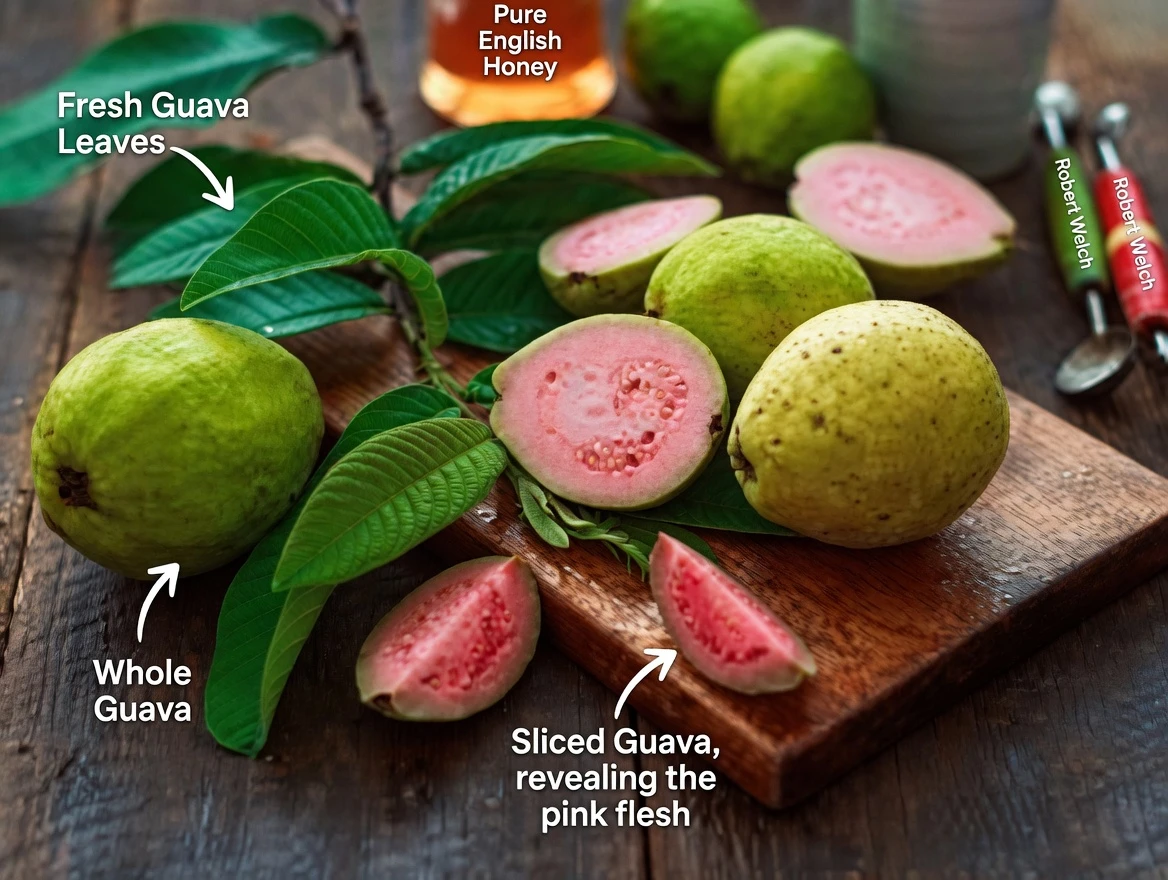
Simple Ways to Add Guava to Your Routine
- Eat fresh guava: Aim for 1–2 medium fruits per day, with or without the skin (skin adds fiber).
- Make a smoothie: Blend guava with carrots or spinach for broader nutrient coverage.
- Guava leaf tea: Simmer 5–10 fresh or dried leaves in water, then cool and drink. If considering any eye-adjacent traditional use, consult your doctor first.
Guava vs. Other Popular Eye-Supportive Foods (Quick Comparison)
- Vitamin C: Guava is exceptionally high (about 126 mg per medium fruit ~55 g), higher than a typical orange.
- Vitamin A (via beta-carotene): Carrots and spinach are stronger, while guava offers moderate support.
- Lycopene: Pink guava is notably higher than oranges, carrots, and spinach.
- Lutein/Zeaxanthin: Spinach is the clear leader; guava contains only traces.
Guava works best as a complement, not a replacement, to other eye-supportive foods.
A Simple 5-Week Guava Timeline to Try
- Weeks 1–2: Add one fresh guava daily (easy snack option).
- Weeks 3–4: If appropriate for you, introduce guava leaf tea (about 1 cup/day).
- Week 5+: Combine both habits consistently and track changes in comfort.
Many people find mornings a convenient time to include fruit as part of a balanced meal.
Long-Term Fit: What Guava May Help Support
With consistent use as part of a balanced diet, guava may contribute to:
- Lens support through high vitamin C intake
- Macular wellness support through antioxidant and carotenoid intake (especially alongside leafy greens)
- Better day-to-day comfort for those dealing with screen exposure
- Continued support for visual function related to vitamin A nutrition
For best results, think holistically: whole fruit for daily nourishment, and traditional leaf use only with careful guidance.
A practical habit to pair with nutrition: the 20-20-20 rule—every 20 minutes, look 20 feet away for 20 seconds.
Frequently Asked Questions (FAQ)
Can guava replace eye supplements?
No. Guava can contribute helpful nutrients through food, but it does not replace prescribed supplements or medical treatment. Speak with your eye-care professional for personalized guidance.
How do guava leaves support eyes traditionally?
In some cultures, cooled preparations are used for gentle soothing of minor irritation, possibly related to anti-inflammatory effects. Always seek medical advice before trying any leaf-based approach for eye concerns.
Is guava safe to eat daily?
Most people tolerate guava well. If you have allergies, digestive sensitivity, or medical conditions, start with a smaller amount and consult a clinician if needed.
Medical Disclaimer
This article is for informational purposes only and is not medical advice. It does not diagnose, treat, cure, or prevent any disease. Always consult a qualified healthcare provider before making dietary changes or using herbal remedies—especially for eye-related concerns.