Aphids Can Take Over Fast—Here’s How to Stop Them Naturally
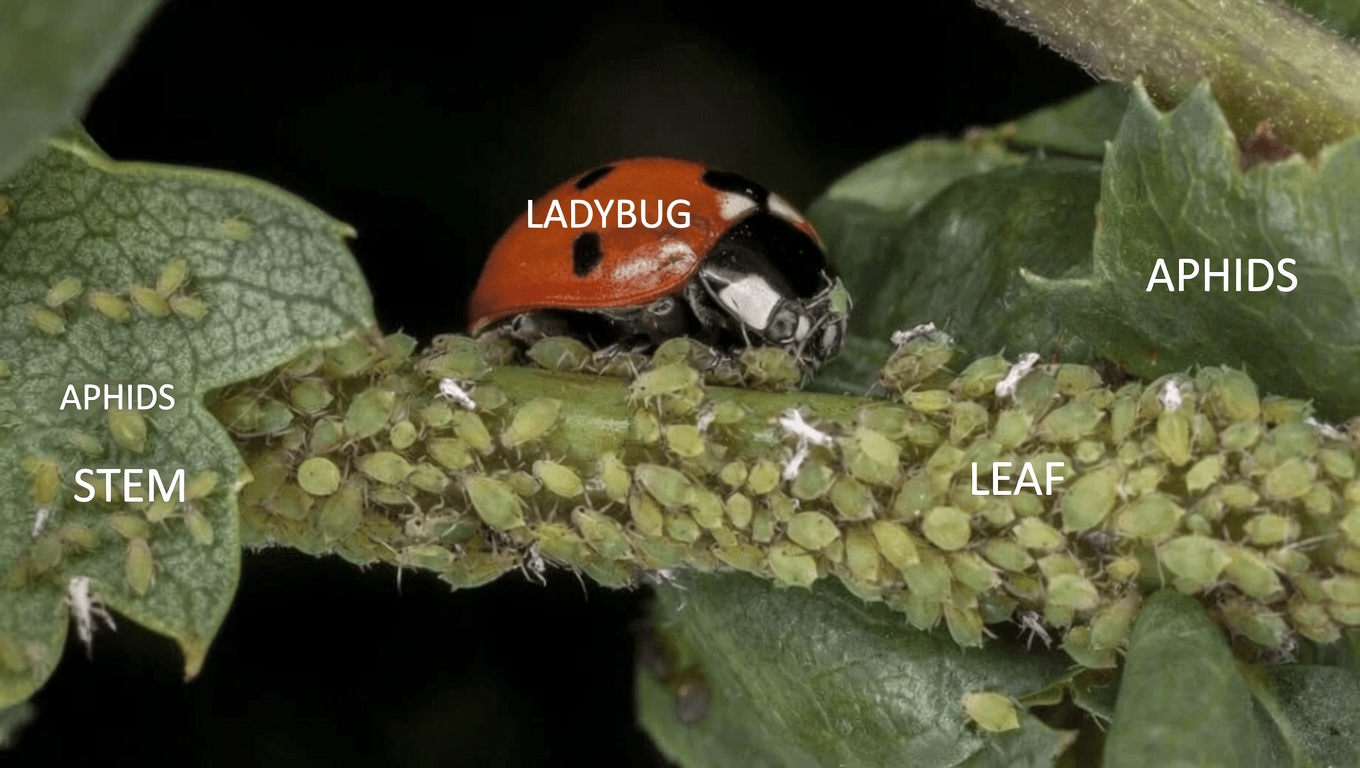
Aphids often show up without warning and quickly cover stems and leaves, sucking plant sap until growth turns weak and stressed. You may notice leaves curling, yellowing, or deforming—especially on roses, vegetables, and flowering plants. Worse, their sticky honeydew attracts ants and can lead to dark, unsightly sooty mold. When blooms fail or harvests shrink, it can feel like all your careful gardening effort is slipping away.
The solution doesn’t have to involve harsh chemicals. Several safe, natural aphid treatments work quickly—and one of the most effective options is a surprisingly common household staple. Use the methods below to regain control and bring your garden back to full health.
Why Aphids Are Such a Tough Garden Pest
Aphids multiply at an incredible rate. In warm conditions, many females can produce live young without mating, so populations can explode in a short time. Agricultural and university extension resources commonly highlight that aphids:
- Weaken plants by draining sap
- Slow growth and reduce vigor
- Damage new shoots and buds
- Can transmit plant viruses
Common warning signs include curled leaves, sticky residue, and clusters of tiny insects on new growth. The encouraging part is that you don’t need complicated products—simple, expert-backed steps can break the cycle.
The Fastest First Step: Knock Aphids Off with Water
One of the quickest ways to reduce aphids immediately is a firm spray from a garden hose. A strong stream dislodges them in seconds, and many won’t be able to crawl back onto the plant.
This works best when:
- You catch the infestation early
- You’re treating sturdier plants (for example, kale, broccoli, or other tough-leaved crops)
- You repeat the spray every few days
It’s an instant reset that reduces damage fast—and it becomes even more effective when paired with other natural methods.
Homemade Insecticidal Soap: Gentle, Effective, and Affordable
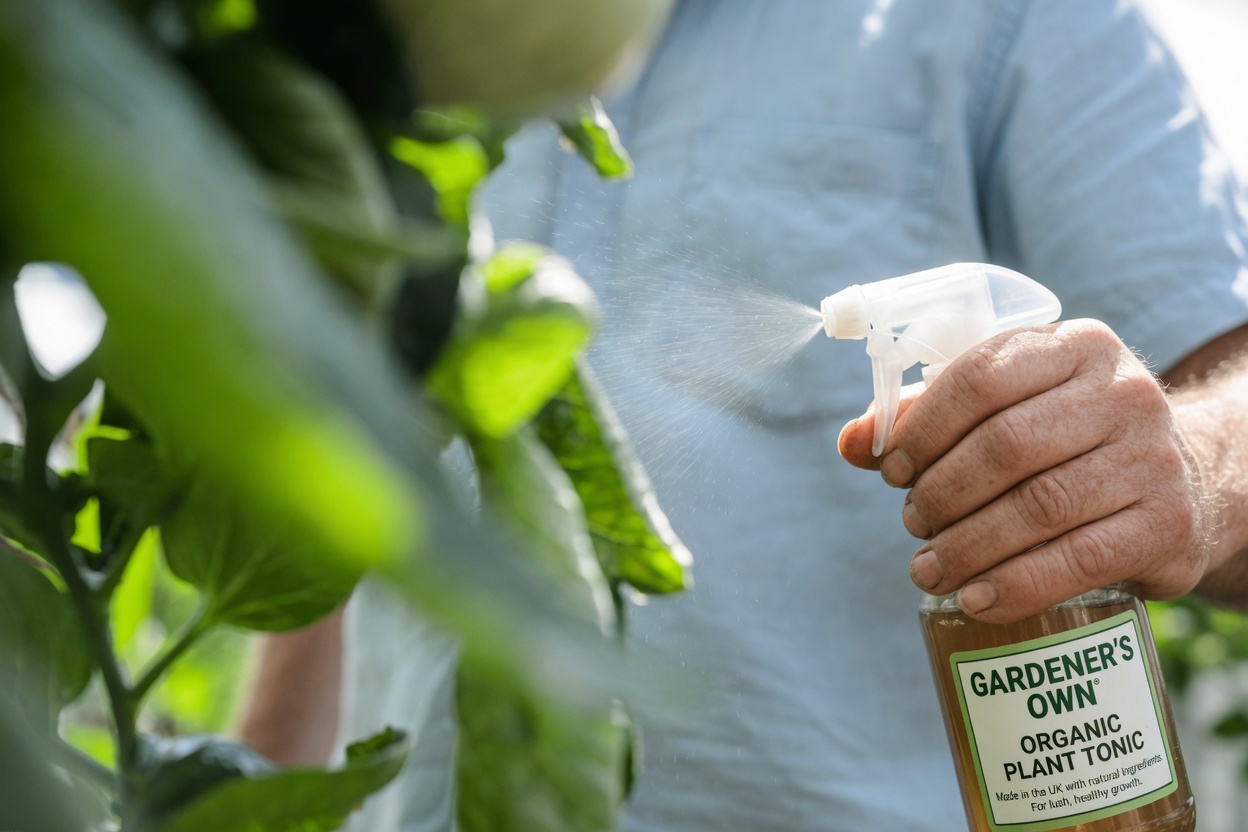
A simple soap-and-water spray is one of the most reliable natural ways to kill aphids. Soap disrupts their protective outer layer, causing them to dehydrate. When used correctly, it’s generally plant-safe and targeted—especially helpful on tender new growth where aphids tend to cluster.
Easy DIY Soap Spray Recipe
- 1–2 teaspoons mild liquid dish soap
- 1 quart warm water
- Optional: a small splash of cooking oil to help the spray cling
How to Apply for Best Results
- Mix in a spray bottle and shake gently.
- Spray directly onto aphids (including the undersides of leaves).
- Apply in the early morning or evening to reduce the chance of leaf stress.
- Reapply every 2–3 days as needed.
Many gardeners notice visible improvement after the first treatment, especially when combined with water sprays.
Neem Oil and Diatomaceous Earth for Longer-Lasting Control
If you want stronger, sustained protection, two popular natural options are neem oil and food-grade diatomaceous earth.
Neem Oil
Neem oil comes from the neem tree and works by disrupting aphid feeding and reproduction. It doesn’t always act instantly, but results build over several days with consistent use.
- Dilute and apply according to label directions
- Coat affected areas thoroughly
- Repeat as recommended
Food-Grade Diatomaceous Earth (DE)
Diatomaceous earth is a fine powder that damages soft-bodied pests on contact, leading them to dehydrate.
- Dust lightly on dry foliage where aphids are active
- Reapply after rain or heavy watering
- Use food-grade DE (not pool-grade)
Together, these approaches can reduce repeat flare-ups and help plants regain healthy new growth.
Let Nature Help: Encourage Aphid-Eating Beneficial Insects
Aphids have natural enemies, and supporting them reduces how much you need to intervene. Ladybugs and lacewings can consume large numbers of aphids daily.
To attract beneficial predators:
- Plant nectar-rich blooms nearby (such as dill, fennel, yarrow)
- Avoid broad-spectrum pesticides that harm helpful insects
- Include a variety of flowering plants to support predator lifecycles
When beneficial insects move in, aphid control becomes far more sustainable.
Companion Planting: A Preventive Strategy That Also Beautifies Your Garden
Some plants naturally help deter aphids by scent or by acting as alternative targets.
Good companion options include:
- Marigolds
- Nasturtiums
- Garlic
Planted near vulnerable crops, companion plants can help reduce aphid pressure before infestations gain momentum—while also adding color and diversity to your space.
Aphid Problems and the Best Natural Fixes (Quick Reference)
-
Curled or distorted leaves
- Water blast + soap spray
- Benefit: fast knockdown and direct removal
-
Sticky honeydew and ants
- Neem oil + companion planting
- Benefit: disrupts feeding and discourages new arrivals
-
Weak, struggling growth
- Diatomaceous earth + natural predators
- Benefit: dries out pests and supports recovery
-
Recurring infestations
- Marigolds + diverse planting
- Benefit: long-term prevention through ecosystem balance
A Simple 30-Day Plan for an Aphid-Free Garden
-
Days 1–7
- Hose off aphids daily
- Apply soap spray every 2–3 days
-
Days 8–15
- Add neem oil or diatomaceous earth
- Monitor new growth and check leaf undersides
-
Days 16–22
- Plant companions
- Encourage beneficial insects with flowering plants
-
Days 23–30
- Inspect weekly
- Maintain prevention with light, consistent care
Consistency is what turns aphids from a major setback into a manageable routine.
Final Thoughts: Bring Back a Healthy, Calm Garden—Naturally
A thriving garden feels completely different: strong leaves, clean stems, and blooms or harvests that aren’t interrupted by pests. With water sprays, soap solutions, neem oil, diatomaceous earth, beneficial insects, and companion planting, you can control aphids effectively—without relying on harsh chemicals.
Quick Action Checklist
- Inspect plants today and hose off visible aphids
- Mix a soap spray and treat affected areas
- Plan companion plants for ongoing protection
Frequently Asked Questions
-
How fast do natural methods work on aphids?
Water sprays and soap treatments often reduce aphids within days. With consistent applications, stronger control usually happens within 1–2 weeks. -
Are these aphid remedies safe for vegetable gardens?
Yes, these methods are commonly used for edible gardens when directions are followed. Always wash produce thoroughly before eating. -
What if aphids keep returning?
Shift focus to prevention: support predator insects, add companion plants, and keep plants healthy—vigorous plants typically withstand aphid pressure more effectively.