
Vaginal Odor: Why It Can Suddenly Smell Stronger (and When to Worry)
Many women feel a quiet wave of concern when they notice a stronger vaginal odor. It can trigger embarrassment, self-doubt, and even make everyday situations—like being close to a partner—feel uncomfortable. The good news is that vaginal odor often has completely normal explanations, and most causes are linked to everyday habits or temporary body changes.
When you understand the most common triggers, it becomes much easier to respond calmly, protect your vaginal health, and regain confidence.
1) Diet Changes Can Temporarily Affect Vaginal Odor
Food influences more than digestion—it can also change how your body smells, including vaginal odor. Certain ingredients release odor-causing compounds through sweat and bodily fluids. As a result, you may notice a stronger or different scent for several hours (and sometimes up to a day) after eating specific foods.
Common dietary triggers include:
- Garlic and onions (rich in sulfur-containing compounds)
- Spicy foods (can increase sweating and change overall body scent)
- Strong cheeses and red meat
What helps: focusing on a balanced diet and staying well-hydrated can help your body process these compounds more efficiently. Plenty of water plus water-rich produce (fruits and vegetables) may reduce this type of temporary vaginal odor naturally.

2) Vaginal Flora Shifts Can Cause a Stronger Smell
The vagina has its own microbiome—a protective balance of “good” bacteria that helps keep odor mild and stable. When that balance changes, vaginal odor can become stronger, even if you’re cleaning regularly. This often leads women to worry that they’re not hygienic, when the issue is usually an internal bacterial shift rather than external cleanliness.
Common factors that can disrupt vaginal flora include:
- High stress or poor sleep
- Using scented soaps, perfumes, or harsh cleansers
- Hormonal fluctuations (menstrual cycle changes and different life stages)
A key piece of vaginal health is maintaining a naturally acidic environment (typically around pH 3.8–4.5), which supports beneficial bacteria and helps keep vaginal odor under control.
If vaginal odor continues and you also notice unusual discharge, burning, itching, or discomfort, it’s wise to check in with a healthcare professional for reassurance and proper guidance.
3) Sweat and Trapped Moisture Can Intensify Vaginal Odor
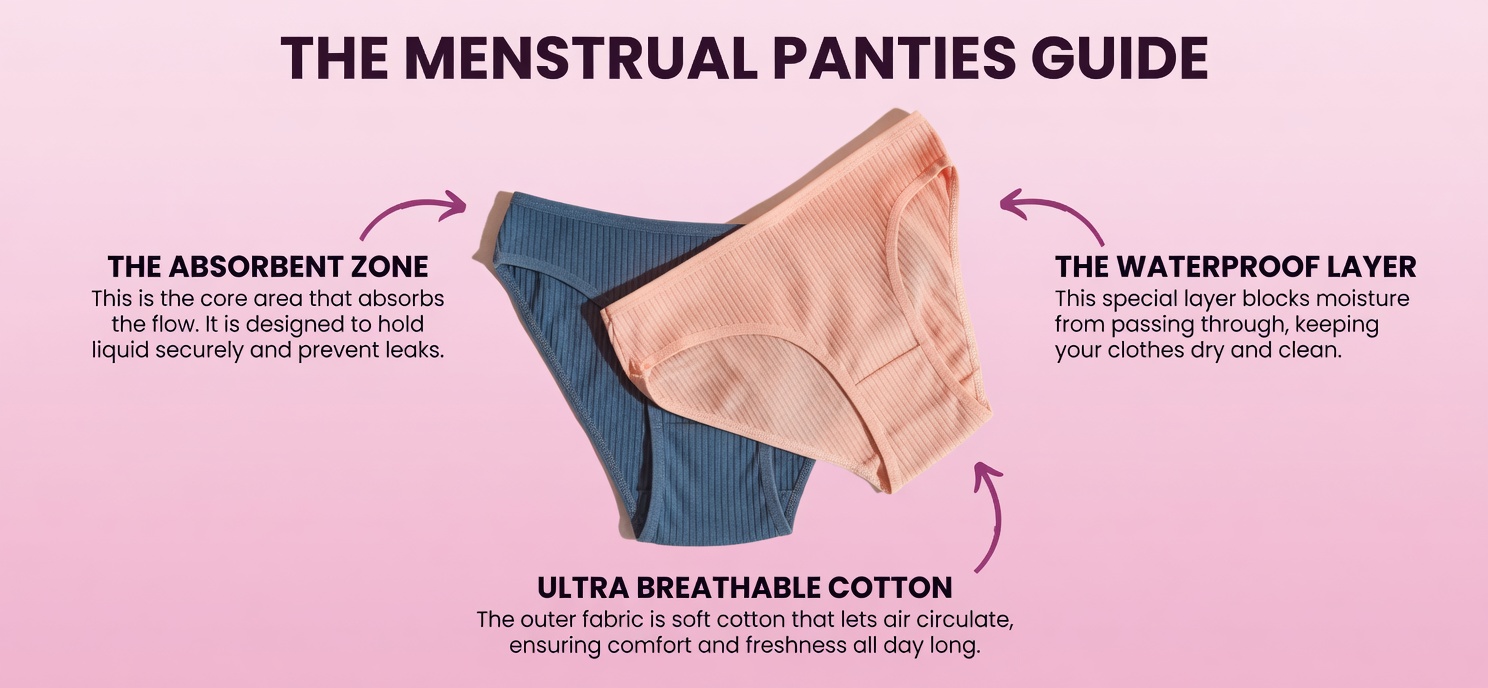
The intimate area is naturally warm, and when sweat gets trapped, bacteria can multiply more easily—leading to a stronger vaginal odor. This is especially common during hot weather, workouts, or long days in tight clothing.
Vaginal odor tends to become more noticeable when:
- You exercise or spend time in heat and humidity
- Underwear or pants are tight or made from non-breathable fabrics
- You stay in damp clothes for too long after sweating
To reduce odor from moisture, prioritize breathable options like 100% cotton underwear and looser-fitting clothing when possible. Changing out of sweaty clothes promptly can also make a big difference.
4) Some Medications Can Change Vaginal Balance (and Odor)
Certain medications can temporarily alter bacterial balance in the body, which may lead to noticeable vaginal odor changes. Antibiotics are a common example: while they help reduce harmful bacteria, they can also reduce beneficial bacteria—creating a short-term imbalance that affects scent.
Medications and products often associated with shifts include:
- Antibiotics
- Hormonal birth control
- Some supplements
These effects are often temporary. Some research suggests probiotic-rich foods may help support the recovery of healthy flora after disruptions, though results can vary by individual. If odor changes persist or occur alongside other symptoms, speak with a doctor.

Quick Tips to Support Freshness and Reduce Vaginal Odor Naturally
Simple, consistent habits can help manage vaginal odor without overcomplicating your routine:
- Gently cleanse the external area with warm water; use only mild, pH-balanced products if needed
- Wear breathable, 100% cotton underwear
- Stay hydrated to support overall body function and reduce strong scent intensity
- Change out of damp or sweaty clothing promptly
- Include probiotic-friendly foods (like yogurt) when it suits your diet
These steps help support a stable vaginal environment and reduce odor triggers for many women.
Frequently Asked Questions About Vaginal Odor
Is strong vaginal odor always a sign of infection?
No. Vaginal odor is often influenced by diet, sweat, hormones, or temporary microbiome shifts—not infection.
Can I use regular body soap to clean the intimate area?
It’s usually better to avoid standard soaps, especially scented ones. Gentle, pH-balanced options (or just warm water externally) are less likely to disrupt natural balance.
Does drinking more water really help with vaginal odor?
Yes. Hydration supports the body’s normal processes and can lessen odor intensity related to diet and sweat.
Final Thoughts
Vaginal odor is common, and in many cases it does not mean anything is “wrong” with you. Often, it reflects normal influences—like food choices, hormonal shifts, heat, exercise, or temporary microbiome changes. With a calm, informed approach and a few supportive habits, most women can reduce concerns and feel comfortable again.
Pay attention to your body, keep your routine gentle and balanced, and remember: occasional changes in vaginal odor are part of normal human life.