
Feeling drained after an intense workout, a scorching day outdoors, or even a stretch of regular day-to-day tiredness? Low electrolytes could be part of the reason. These vital minerals help your body stay hydrated, keep muscles working properly, and support steady energy. When they dip, people often notice muscle cramps, lingering fatigue, or a persistent thirst that plain water doesn’t fully satisfy.
The encouraging news: you can restore electrolyte balance naturally with simple foods and easy routines—no special supplements necessary. Even better, there’s a surprisingly effective combo using a basic kitchen staple plus fresh produce that can help you feel refreshed faster (you’ll see exactly how to make it later).
What Are Electrolytes, and Why Are They Important?
Electrolytes are minerals that carry an electrical charge when dissolved in body fluids. The most well-known electrolytes include sodium, potassium, magnesium, and calcium. They are essential for:
- Hydration and fluid balance inside and outside cells
- Nerve signaling (how your brain communicates with your body)
- Muscle contraction, including the heart
- Supporting normal cell function and nutrient transport
Health resources such as the Cleveland Clinic and WebMD emphasize that electrolytes are involved in everything from maintaining a stable heartbeat to helping your cells use nutrients efficiently. Levels can drop due to sweating, hot weather, prolonged activity, or mild dehydration, which may leave you feeling “off” even if you’re drinking water.
Common Signs You May Need More Electrolytes
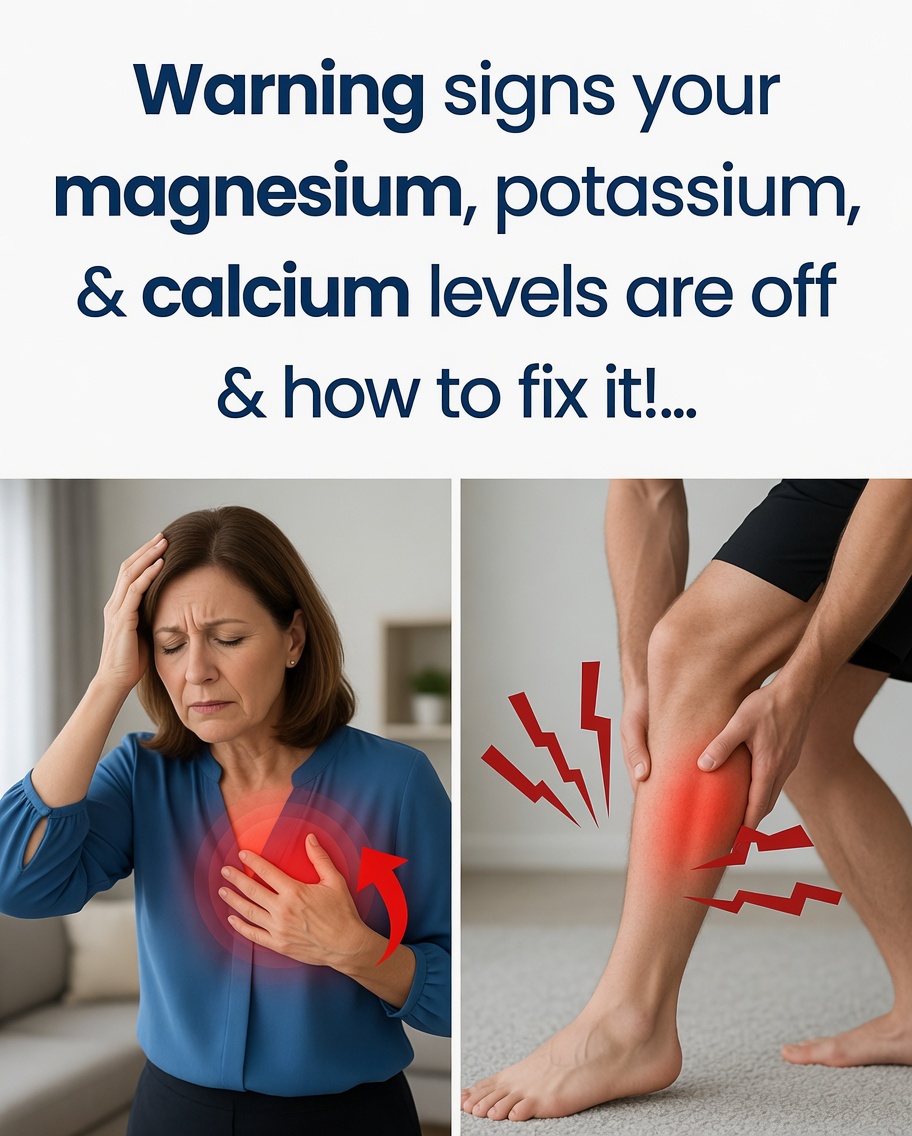
Electrolyte imbalance can be easy to miss at first, but your body often sends clear signals—especially after heavy sweating or fluid loss. Common symptoms include:
- Muscle cramps or twitching, often in the legs after activity
- Unusual thirst or a dry mouth
- Fatigue that doesn’t resolve with rest
- Headaches or lightheadedness, especially when standing quickly
- Lower workout stamina or reduced endurance
Medical organizations like Mayo Clinic and the Cleveland Clinic note that these issues frequently show up after extended sweating, heat exposure, or dehydration. Recognizing the signs early makes it easier to correct the issue with food and hydration.

Best Natural Food Sources to Replenish Electrolytes
The most reliable way to support electrolyte levels is through whole foods. A varied diet naturally provides a balanced mix—without the added sugars and artificial ingredients found in many commercial sports drinks.
High-potassium foods (for fluid balance and recovery)
- Bananas
- Sweet potatoes
- Avocados
- Spinach and other leafy greens
- Oranges and citrus fruits
Sodium sources (helpful after heavy sweating)
- A small amount of table salt or sea salt in meals
- Olives
- Cheese
Magnesium-rich choices (muscle and nerve support)
- Almonds and other nuts
- Pumpkin seeds
- Leafy greens
- Dark chocolate (moderation recommended)
Calcium contributors (muscle function and more)
- Yogurt and milk
- Fortified plant-based milks
- Kale and other greens
Nutrition guidance from sources like Harvard’s Nutrition Source and UCLA Health frequently highlights fruits and vegetables as top-tier options for overall electrolyte support. The key is variety—different foods cover different minerals.
Quick Comparison: Everyday Electrolyte Boosters
- Banana: Potassium — great post-workout; eat plain or blend into a smoothie
- Coconut water: Potassium + small amounts of sodium — helpful for natural hydration; drink chilled after activity
- Spinach salad: Magnesium + potassium — supports daily balance; add nuts for extra magnesium
- Plain yogurt: Calcium + potassium — ideal for breakfast/snacks; top with fruit
- Avocado: Potassium + magnesium — supports steadier energy; use on toast or in salads
Using a mix of these options helps you cover your bases instead of relying on just one food.

Easy Homemade Electrolyte Drink (No Sports Drink Needed)
A DIY electrolyte drink can be quick, low-cost, and easy to adjust to your taste. Here’s a simple option you can make at home:
- Pour 2–3 cups of water (or coconut water) into a bottle or pitcher.
- Add fresh lemon or lime juice for flavor and a small natural potassium boost.
- Stir in a small pinch of salt (about 1/8 teaspoon) to add sodium.
- Optional boosts:
- Mash in half a banana, or
- Add a small splash of orange juice for more potassium
- Mix, chill if you like, and sip after activity or throughout the day.
This method aligns with common health guidance for gentle, natural replenishment—using ingredients many people already keep in the kitchen.
Another simple strategy: pair hydration with food. After exercise, try plain yogurt with banana slices, or a small handful of nuts and fruit to support recovery.
Practical Daily Habits to Maintain Electrolyte Balance
You don’t need extreme measures—small, consistent choices work best. Try these:
- Drink water regularly, using thirst as your guide (increase intake in heat or during exercise).
- Add electrolyte-rich foods to each meal:
- spinach in eggs
- banana in oatmeal
- avocado in sandwiches or salads
- After workouts over an hour (or in hot conditions), choose coconut water or your homemade electrolyte drink.
- Pay attention to patterns: frequent cramps or fatigue may mean you need more potassium-rich produce.
- Limit excess caffeine or alcohol, which can increase fluid loss.
A useful bonus idea many people overlook: certain at-home food prep methods (like drying or prepping produce for convenience) can make it easier to consume mineral-rich foods consistently—especially when you’re busy.
Conclusion: Simple, Natural Electrolyte Support
Replenishing electrolytes naturally comes down to smart hydration and nutrient-dense foods. Emphasize fruits and vegetables, include appropriate amounts of salt in meals (especially after heavy sweating), and add dairy or fortified alternatives when suitable. Many people notice steadier energy, fewer cramps, and better overall hydration with these steps.
Start small this week: add one electrolyte-rich food to your routine or make the homemade drink once—and build from there.
FAQ
What are the best ways to get electrolytes without sports drinks?
Choose whole foods such as bananas, leafy greens, avocados, yogurt, and include a small amount of salt in meals. Coconut water is another convenient potassium source.
How much water should I drink to support electrolyte balance?
Use thirst as your primary guide, and aim for steady hydration throughout the day. Pair water intake with electrolyte foods—especially if you’re active or in warm climates.
Can normal daily activities lower electrolytes?
Yes. Heat, exercise, heavy sweating, and illness can all reduce electrolyte levels. A balanced diet often restores them, but recurring cramps or fatigue are signs to pay attention.
Disclaimer: This content is for informational purposes only and is not medical advice. Electrolyte needs vary by individual. If symptoms persist or you have a medical condition, consult a qualified healthcare professional for personalized guidance.