
Noticing foamy urine or swelling in your legs and ankles can be unsettling signs of proteinuria—a condition where protein leaks into the urine when the kidneys are under strain. These subtle changes may also show up alongside fatigue or blood pressure shifts, gradually making everyday life feel harder than it should.
A key question to consider is whether some everyday foods are quietly adding to your kidney workload. For many people focused on kidney wellness, smart dietary choices can support overall health and comfort. Stay with this guide to the end for a surprisingly simple swap that could improve your routine.

Why Diet Matters for Kidney Health
Your kidneys constantly filter waste and extra fluid from the bloodstream. When they’re stressed—often due to conditions such as diabetes or high blood pressure—the kidney filters can become less selective, allowing protein to spill into urine. This is what’s commonly referred to as proteinuria.
Trusted organizations like the National Kidney Foundation emphasize that certain dietary patterns can increase the kidneys’ workload. In particular, consistently high intake of sodium, animal protein, and phosphorus may contribute to fluid imbalance, blood pressure challenges, and reduced energy.
Knowing what to limit (and what to swap) helps you make more confident, practical decisions. Below are 10 common foods and drinks that experts often suggest reducing for people concerned about kidney strain.
The Countdown: 10 Foods to Consider Limiting
These are broad, research-informed guidelines, not one-size-fits-all rules. Individual needs vary depending on lab results, medications, and overall kidney function.
10) High-Sodium Processed Foods
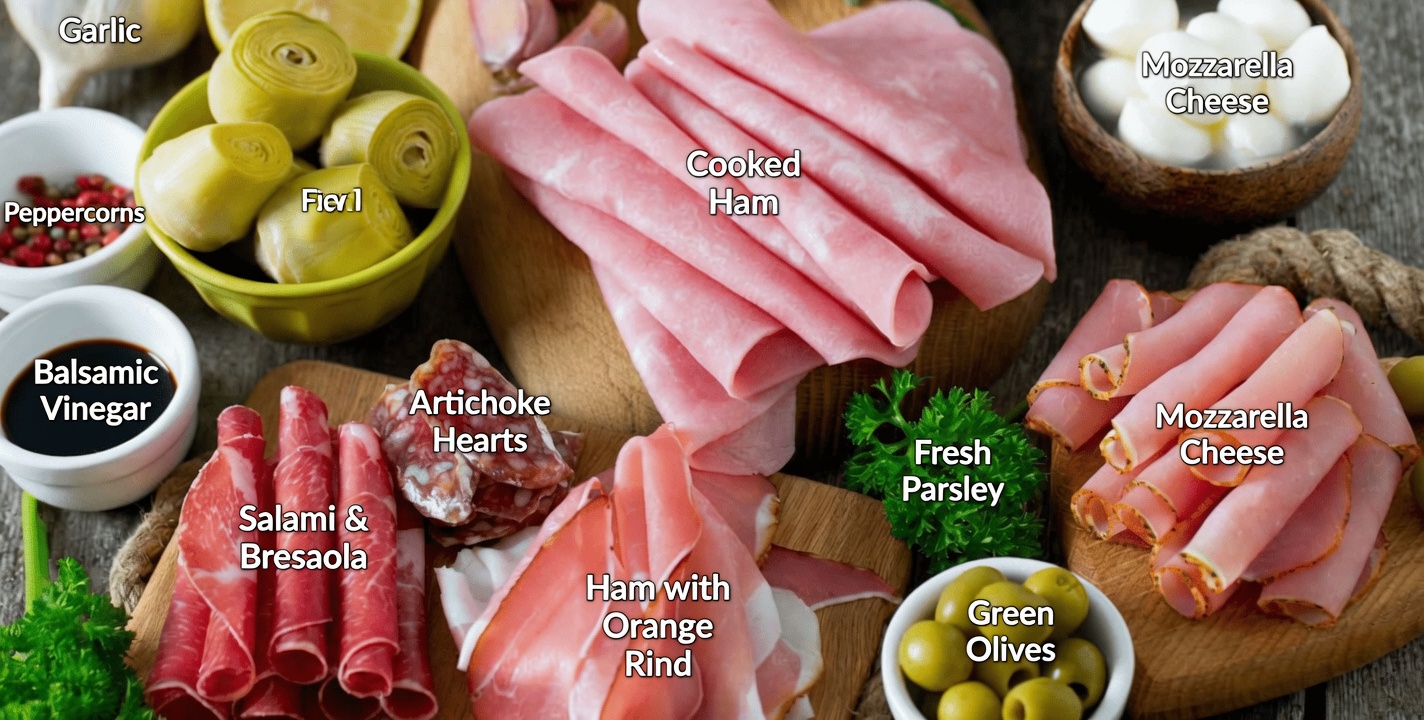
Items like bacon, sausages, deli meats, chips, and canned soups frequently contain heavy amounts of sodium. Research reported in sources such as the American Journal of Kidney Diseases links excess sodium to fluid retention and increased blood pressure, both of which can stress the kidneys.
- Why it matters: More sodium can mean more swelling and higher pressure on kidney filtration.
- Try instead: Season meals with fresh herbs, garlic, lemon, vinegar, and spices.
- Label tip: Look for products with under 140 mg sodium per serving when possible.
9) Too Much Red Meat
Steak, burgers, lamb, and other red meats are dense in animal protein and often higher in saturated fat. Evidence in the Journal of the American Society of Nephrology suggests that high animal-protein intake can increase pressure in the kidney’s filtering structures, potentially worsening protein leakage.
- Why it matters: Heavy animal protein loads may increase filtration strain.
- Try instead: Rotate in beans, lentils, tofu, tempeh, or fish (as appropriate for your plan).
- Practical approach: If you eat red meat, keep portions modest and frequency lower.
8) Sugary Snacks and Sweet Drinks
Soda, candy, sweetened coffee drinks, pastries, and desserts can trigger sharp blood sugar spikes. Research highlighted in Diabetes Care associates high sugar intake with inflammation and increased diabetes-related risk—an important issue because diabetes is a major contributor to kidney stress.
- Why it matters: Blood sugar swings can worsen long-term kidney burden.
- Try instead: Choose fruit, plain yogurt with berries, or water flavored with fruit slices.
- Portion tip: Keep sweets occasional and avoid sugary drinks as a daily habit.
7) High-Phosphorus Dairy Products
Dairy foods like milk, cheese, and yogurt can be significant sources of phosphorus, a mineral that may become harder to manage when kidney function is reduced. Insights from the Clinical Journal of the American Society of Nephrology note that elevated phosphorus can contribute to complications and additional strain.
- Why it matters: Excess phosphorus may build up when kidneys can’t filter efficiently.
- Try instead: Consider lower-phosphorus alternatives (for example, some plant-based milks), depending on your nutritional needs.
- Balance tip: Pair meals with plenty of vegetables and discuss phosphorus targets with a clinician.
6) Ultra-Processed Convenience Foods
Fast food, frozen ready meals, and packaged snacks often combine multiple kidney stressors—sodium, additives, preservatives, and phosphorus-containing ingredients. A large study published in the British Medical Journal linked ultra-processed foods with a higher risk of faster kidney function decline.
- Why it matters: It’s not just one ingredient—these foods often stack multiple burdens.
- Try instead: Build simple meals from whole foods (vegetables, grains, lean proteins).
- Quick win: Cook extra servings and use leftovers for fast meals.
5) Excess Alcohol
Frequent or heavy drinking can contribute to dehydration and higher blood pressure. Research in Alcohol Research: Current Reviews suggests that moderation may reduce these effects and better support kidney health.
- Why it matters: Dehydration and blood pressure increases can strain kidneys.
- Try instead: If you drink, keep it occasional and hydrate well.
- Safety note: Alcohol limits should be personalized—especially if you take medications or have kidney disease.
4) Artificial Sweeteners (in Excess)
Artificial sweeteners are common in diet sodas, “sugar-free” desserts, and low-calorie snacks. Emerging research (including studies in Nutrients) explores possible links between certain sweeteners and metabolic or kidney-related markers, though findings are still developing.
- Why it matters: Long-term effects are still being studied, and individual responses differ.
- Try instead: Flavor water with lemon, cucumber, mint, or berries.
- Personal check: Pay attention to how your digestion, cravings, and energy respond.
3) Dark Colas and Phosphorus-Heavy Drinks
Many dark colas contain phosphoric acid, which increases phosphorus intake. Findings discussed in the American Journal of Clinical Nutrition connect high-phosphorus beverages with mineral imbalance that may be relevant for kidney health.
- Why it matters: Liquid phosphorus can add up quickly and may be easy to overlook.
- Try instead: Sparkling water, unsweetened iced tea, or herbal teas.
- Best baseline: Plain water remains the most kidney-friendly default.
2) High-Oxalate Foods (For Some People)
Foods such as spinach, nuts, and chocolate are higher in oxalates. Research in Kidney International notes that for individuals prone to certain kidney problems (including some types of stones), oxalates may bind with minerals and contribute to issues.
- Why it matters: Oxalates can be a concern in specific kidney conditions, not for everyone.
- Try instead: Rotate greens—consider kale, cabbage, or lettuce as lower-oxalate options.
- Important nuance: Do not over-restrict without guidance; oxalate needs are highly individual.
1) Fried Foods and Trans Fats
French fries, doughnuts, fried snacks, and products containing trans fats can promote inflammation. Research including work cited in the New England Journal of Medicine reinforces the heart-kidney connection—dietary fats that worsen cardiovascular health can also increase kidney strain indirectly.
- Why it matters: Inflammation and cardiovascular stress can worsen kidney outcomes.
- Try instead: Bake, air-fry, grill, or steam foods.
- Healthier fat swap: Use olive oil or other heart-healthy oils in appropriate amounts.
Quick Comparison: Foods to Approach with Caution
- High-sodium processed foods — fluid retention, higher blood pressure — use herbs/spices instead of salt
- Red meat (excess) — higher filtration workload — choose plant proteins more often
- Sugary foods/drinks — blood sugar spikes, inflammation — pick fruit or unsweetened drinks
- High-phosphorus dairy — phosphorus buildup risk — explore lower-phosphorus options
- Ultra-processed foods — stacked additives/sodium/phosphorus — prioritize home-cooked meals
- Alcohol (excess) — dehydration, BP increase — limit intake, hydrate
- Artificial sweeteners — potential metabolic effects (evolving evidence) — flavor water naturally
- Dark colas — added phosphorus — switch to herbal tea/sparkling water
- High-oxalate foods (some cases) — stone risk in susceptible people — rotate to lower-oxalate greens
- Fried/trans-fat foods — inflammation, heart-kidney strain — bake or grill instead
Mindful Eating: Practical Steps You Can Start Today
- Audit your pantry and fridge. Check labels for sodium, added sugars, and phosphorus-containing additives. Remove items you rely on too often.
- Plan a simple weekly menu. Build meals around vegetables, fruit, whole grains, and appropriate protein for your needs.
- Track symptoms and patterns. Note swelling, fatigue, thirst, or blood pressure changes after certain meals.
- Test small swaps one at a time.
- Replace cola with sparkling water + lemon
- Swap fried foods for oven-baked versions
- Rotate red meat meals with beans or tofu
- Consult a qualified professional. A clinician or renal dietitian can tailor sodium, protein, potassium, and phosphorus targets to your labs and diagnosis.
The Surprising Swap That Can Make a Real Difference
If you change just one habit, consider replacing dark cola or sugary soda with water (still or sparkling) infused with citrus or berries. It’s a simple shift that can reduce added sugar and phosphorus exposure—two factors that often slip into daily routines unnoticed.