Vitamin K2 (MK-7) and Circulation After 50: Supporting Healthy Blood Flow in Legs and Feet
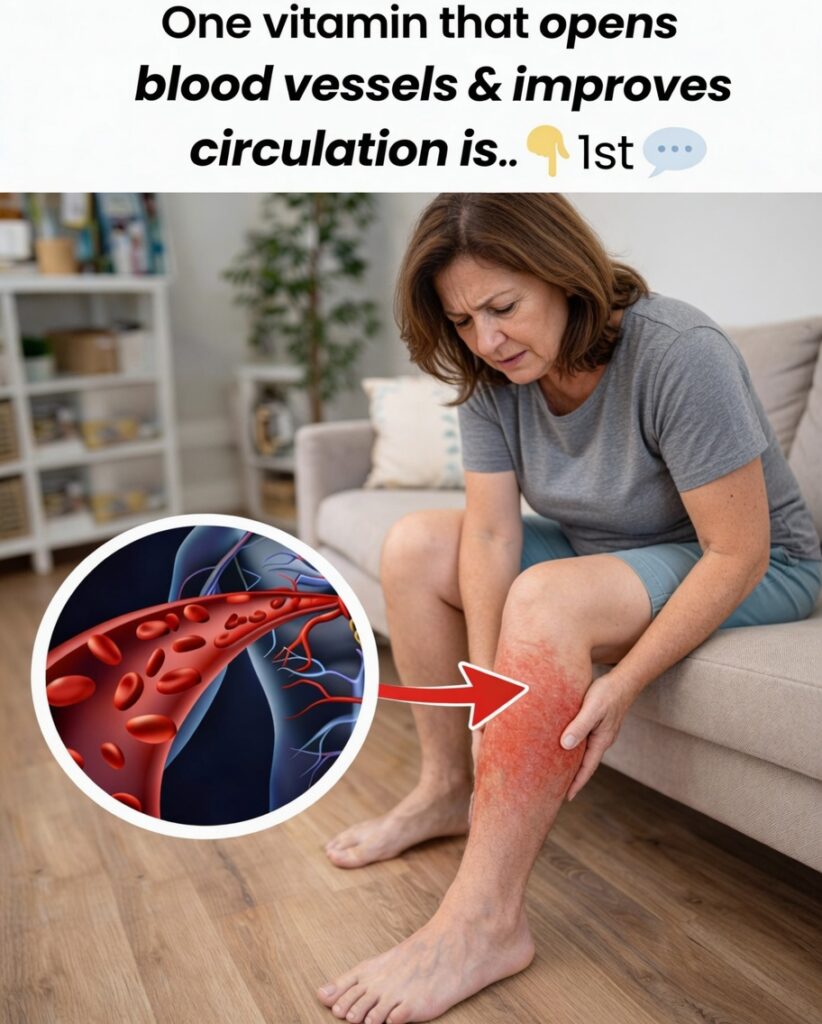
As we move through midlife—especially beyond age 50—it’s common to notice small but persistent changes in the legs and feet. You might feel colder toes, occasional tingling, or a general sense that your circulation isn’t as strong as it used to be. These everyday sensations can make routine activities like walking, standing, or traveling feel more draining than before.
Aging plays a major role. Over time, blood vessels naturally lose some of their elasticity, and deposits can accumulate that interfere with smooth blood flow. However, growing research highlights a nutrient that’s closely involved in how the body handles calcium: vitamin K2, particularly the MK-7 form found in certain fermented foods. MK-7 helps activate matrix Gla protein (MGP)—a protein associated with keeping calcium where it belongs (such as in bones) rather than allowing it to build up in artery walls. By supporting proper calcium placement, vitamin K2 may help maintain vascular flexibility and healthier circulation as we age.
Many adults over 50 may not consistently consume enough MK-7 through diet alone, which makes targeted food choices—or carefully considered supplementation—an option worth discussing with a healthcare professional.
Why Circulation Often Declines After Age 50
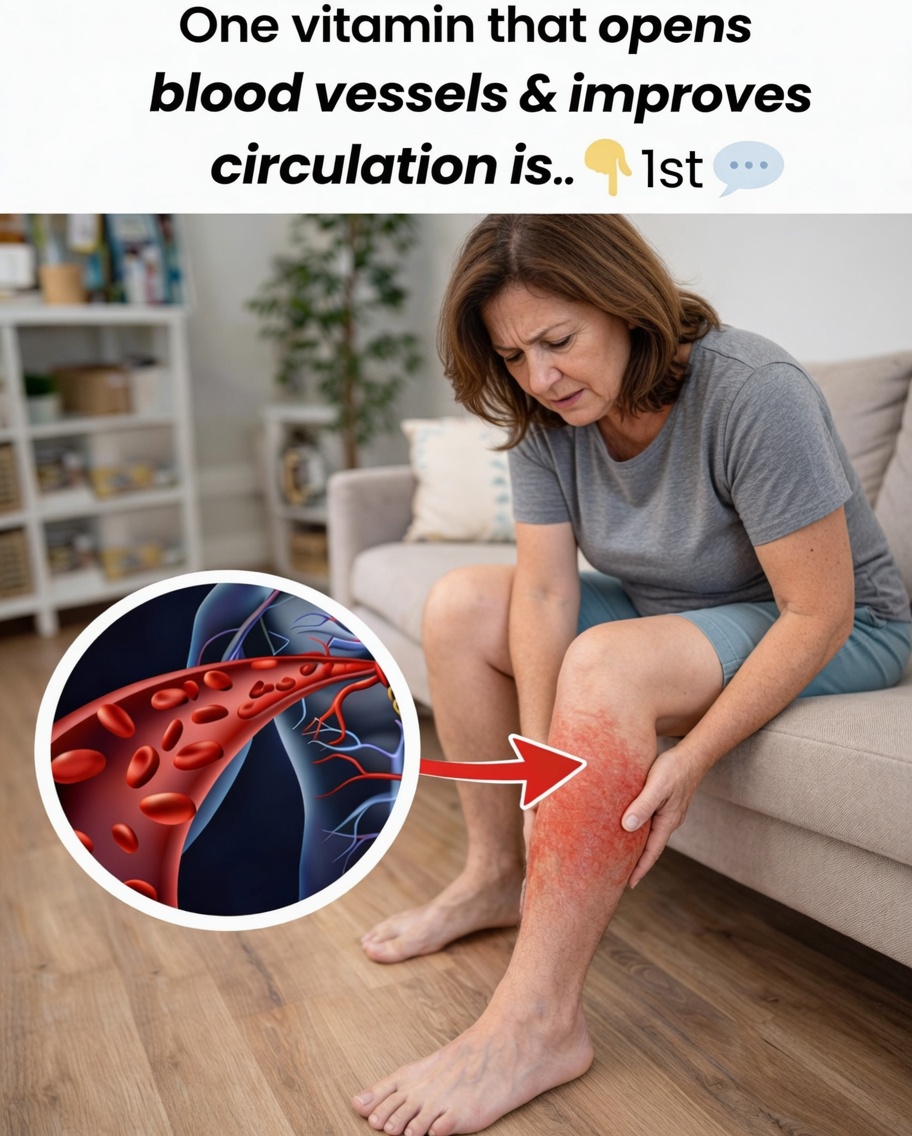
Changes in blood flow are a normal part of aging. After 50, arteries commonly become stiffer due to long-term wear and tear. When blood vessels lose flexibility, it becomes harder for the body to push blood efficiently—especially to the lower legs, ankles, and feet.
Common circulation-related complaints include:
- Cold feet or hands more often than before
- Intermittent numbness or tingling sensations
- Legs feeling heavy or fatigued after modest activity
A major contributor to arterial stiffness is calcium accumulation in blood vessel walls. Calcium is essential for bone health, but when it settles in soft tissues rather than staying in the skeletal system, it can gradually contribute to vascular hardening. While aging increases risk, diet, movement, smoking status, and overall metabolic health can influence how quickly these changes progress.
Vitamin K2’s Role in Calcium Balance and Vascular Health
Vitamin K2 is unique because it helps the body direct calcium to appropriate locations. One of its key functions is activating matrix Gla protein (MGP), which acts as a natural defense against unwanted calcium deposits in blood vessels.
When MGP is not adequately activated, calcium may be more likely to accumulate in artery walls, potentially reducing elasticity and impairing circulation over time. Research has associated higher vitamin K2 intake and better vitamin K status with markers linked to vascular health.
Among K2 variants, MK-7 stands out because it:
- Is highly bioavailable
- Remains active in the body longer than several other forms
- Supports more consistent activation of vitamin K–dependent proteins over time
Research also suggests that vitamin K status may decline with age, which can make MK-7 intake more relevant in later decades—whether from fermented foods or supplementation when appropriate.
Why Vitamin K2 May Matter More After 50
After midlife, two trends often occur together:
- Arterial flexibility naturally decreases
- The likelihood of calcium being misplaced (outside bones) increases
This combination can intensify lower-body circulation challenges and may help explain why discomfort in the legs and feet becomes more noticeable.
Observational research and clinical trials suggest that maintaining vitamin K2 levels—particularly with MK-7—may support aspects of vascular function. Studies in postmenopausal women and other groups have reported improvements in certain markers tied to vascular elasticity with MK-7 intake.
In addition:
- Some meta-analyses of randomized trials indicate vitamin K supplementation may help slow the progression of certain calcification-related measures.
- Other studies show reductions in inactive MGP (often viewed as a sign of improved vitamin K status), along with modest arterial benefits.
While outcomes differ across populations and study designs, the overall evidence positions vitamin K2 as a supportive nutrient for long-term vascular wellness, especially when paired with a heart-healthy lifestyle.
Food Sources of Vitamin K2 (With an Emphasis on MK-7)
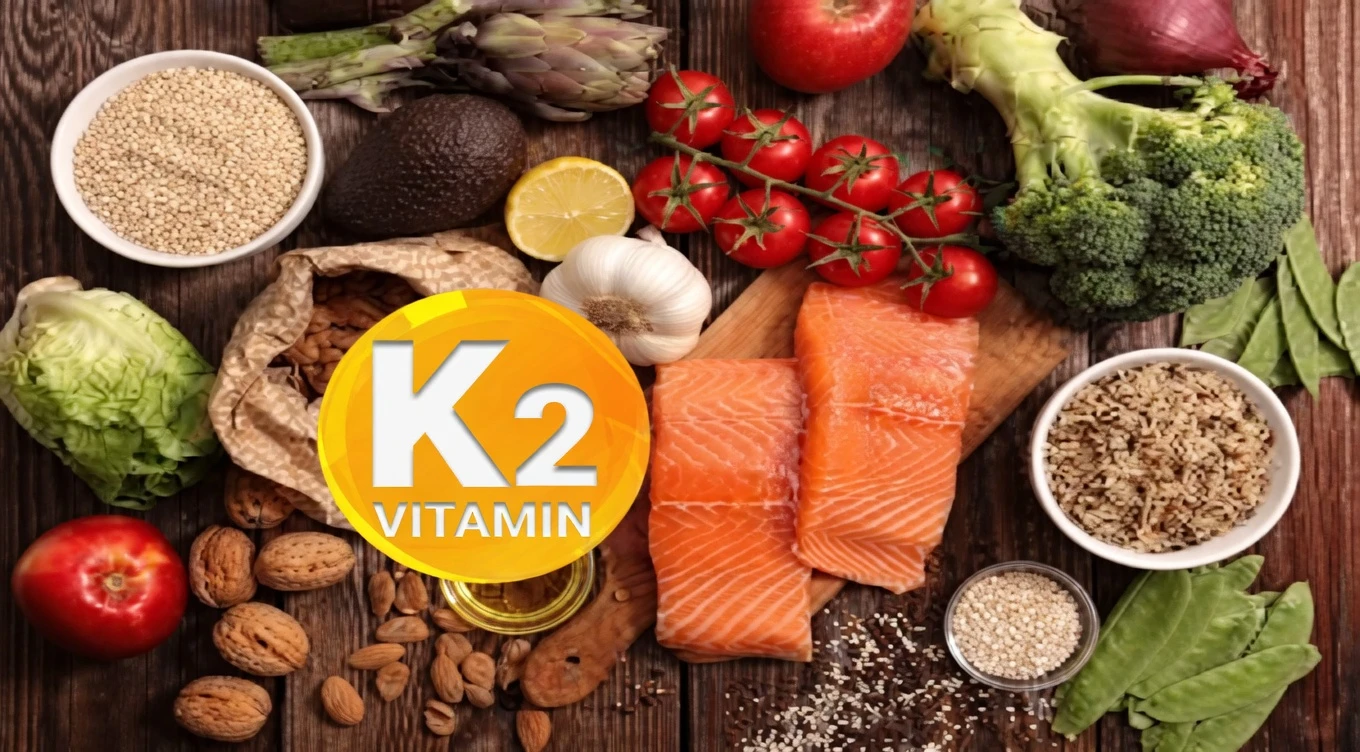
Starting with food is often the most practical approach. The MK-7 form of vitamin K2 is primarily produced through bacterial fermentation.
Notable sources include:
- Natto — A traditional Japanese fermented soybean food and the richest known natural source of MK-7; a single serving can contain hundreds of micrograms
- Fermented cheeses (such as Gouda, Edam, and Brie) — Fermentation contributes to vitamin K2 content
- Fermented vegetables (including sauerkraut) — Typically smaller amounts, with additional gut-friendly benefits
- Animal-based foods (egg yolks, butter, liver) — Provide MK-4, another form of K2 with its own value
If these foods aren’t regular parts of your routine, some adults choose supplements to reach study-relevant intakes. Many studies commonly use about 100–180 mcg of MK-7 daily, though needs can vary and should be personalized with medical guidance.
This close-up captures fresh natto in a traditional wooden bowl, sticky strands visible under soft natural window light, with subtle steam and everyday kitchen imperfections for a realistic mobile snap feel.
Practical Ways to Support Circulation with Vitamin K2
If you want to incorporate vitamin K2 into your day-to-day routine, these steps can help you stay consistent:
-
Review your current intake
Consider how often you eat fermented foods or K2-containing animal foods each week. -
Add one fermented option daily
A small portion of natto, a serving of fermented cheese, or a side of sauerkraut can be an easy start. -
Include healthy fats and support vitamin D
Vitamin K2 is fat-soluble, so consuming it with dietary fat can aid absorption. Vitamin D is also commonly discussed alongside K2 in bone and calcium management conversations (from sunlight exposure, foods, or supplements as advised). -
Consider MK-7 supplements if appropriate
Look for reputable brands that clearly label MK-7. Research often uses around 180 mcg/day, but you should confirm what fits your health profile with a clinician—especially if you take prescription medications. -
Pair nutrition with movement
Gentle walking, calf raises, ankle mobility drills, and leg elevation can support lower-body circulation. -
Pay attention to how your legs feel over time
Track comfort, temperature, and fatigue levels over several weeks while maintaining hydration and balanced meals.
Consistent micro-habits tend to be more sustainable—and can make everyday comfort noticeably better.
Conclusion: A Simple, Research-Backed Nutrient for Healthy Aging
Supporting circulation after 50 doesn’t need to be complicated. Vitamin K2 (MK-7) is increasingly recognized for its role in calcium regulation through activation of matrix Gla protein (MGP), which is connected to maintaining healthier vessel function and flexibility. With smart food choices—plus supplementation when appropriate—many people find MK-7 a practical addition to a longevity-focused routine.
For best results, combine nutrition with regular movement, a heart-supportive diet, and routine medical checkups. Small actions now can help you stay more comfortable and active in the years ahead.
FAQ
What’s the difference between vitamin K1 and vitamin K2?
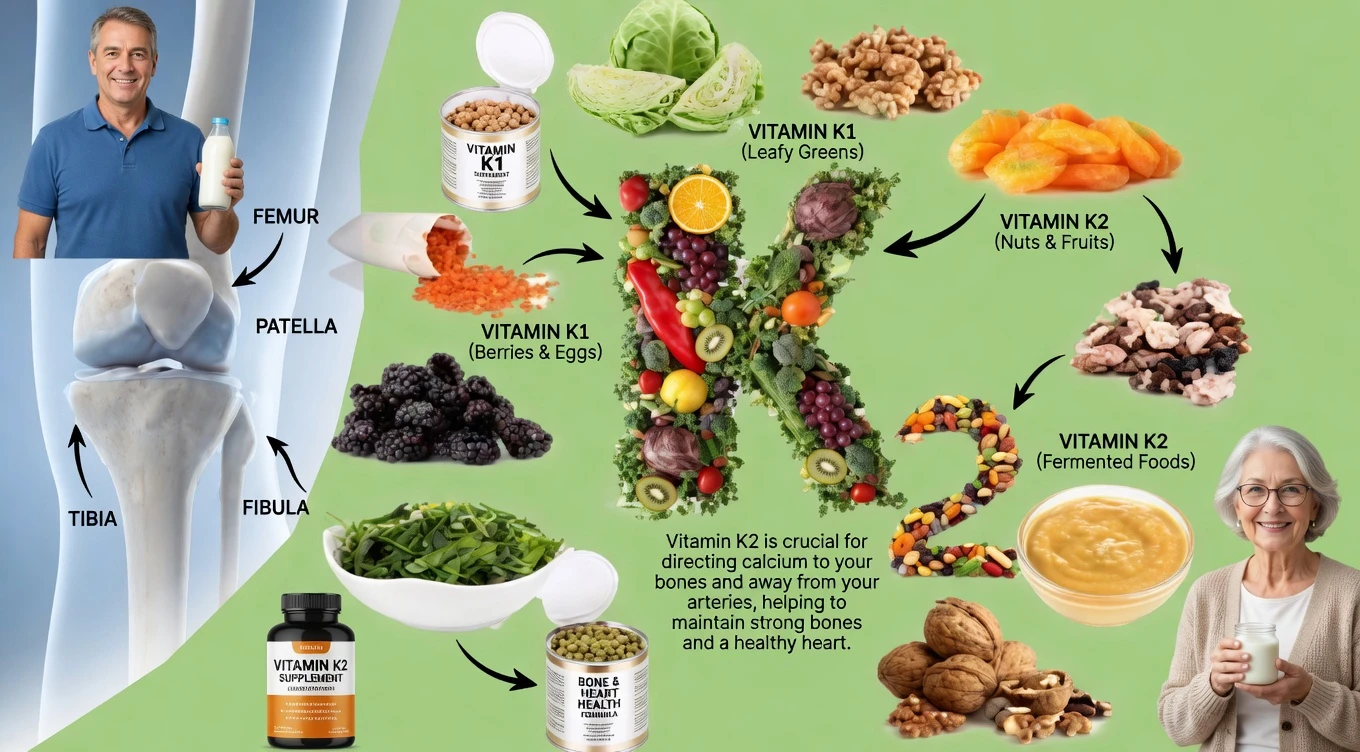
Vitamin K1 (commonly found in leafy greens) is primarily associated with normal blood clotting. Vitamin K2, especially MK-7 from fermented foods, is more closely linked to activating proteins involved in calcium management, supporting bone and vascular health.
How much vitamin K2 do adults typically need?
There is no official recommended daily allowance (RDA) specifically for vitamin K2. However, research investigating benefits often uses about 100–360 mcg of MK-7 per day. Because dietary intake varies widely, individualized guidance from a healthcare professional is recommended.
Can vitamin K2 interact with medications?
Yes. Vitamin K can affect clotting pathways and may interact with blood thinners such as warfarin. Always speak with your healthcare provider before starting vitamin K2 supplements or making major dietary changes.
Disclaimer
This article is for informational purposes only and does not provide medical advice. Research suggests vitamin K2 may support aspects of vascular health, but it is not a substitute for diagnosis or treatment. Consult a qualified healthcare professional before changing your diet or starting supplements, especially if you have medical conditions or take medications. Individual results may vary.