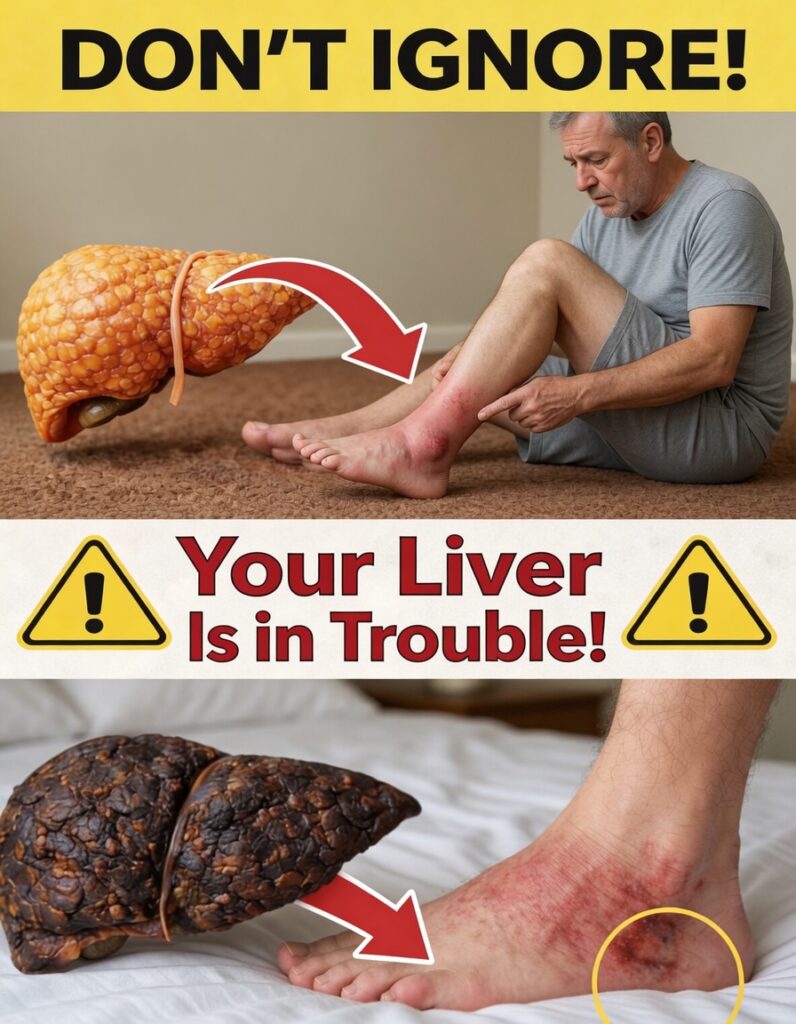
Have you ever reached the end of the day with itchy, swollen, or tingling feet—and blamed it on tiredness or snug shoes? While those explanations are often true, recurring foot discomfort can sometimes reflect a broader issue, including stress on the liver’s ability to filter toxins and regulate fluid balance. Because these early signals can feel “normal,” many people overlook them until symptoms become harder to ignore.
One common mistake turns these quiet clues into bigger problems: dismissing patterns instead of tracking them. Here’s what your feet may be trying to communicate.
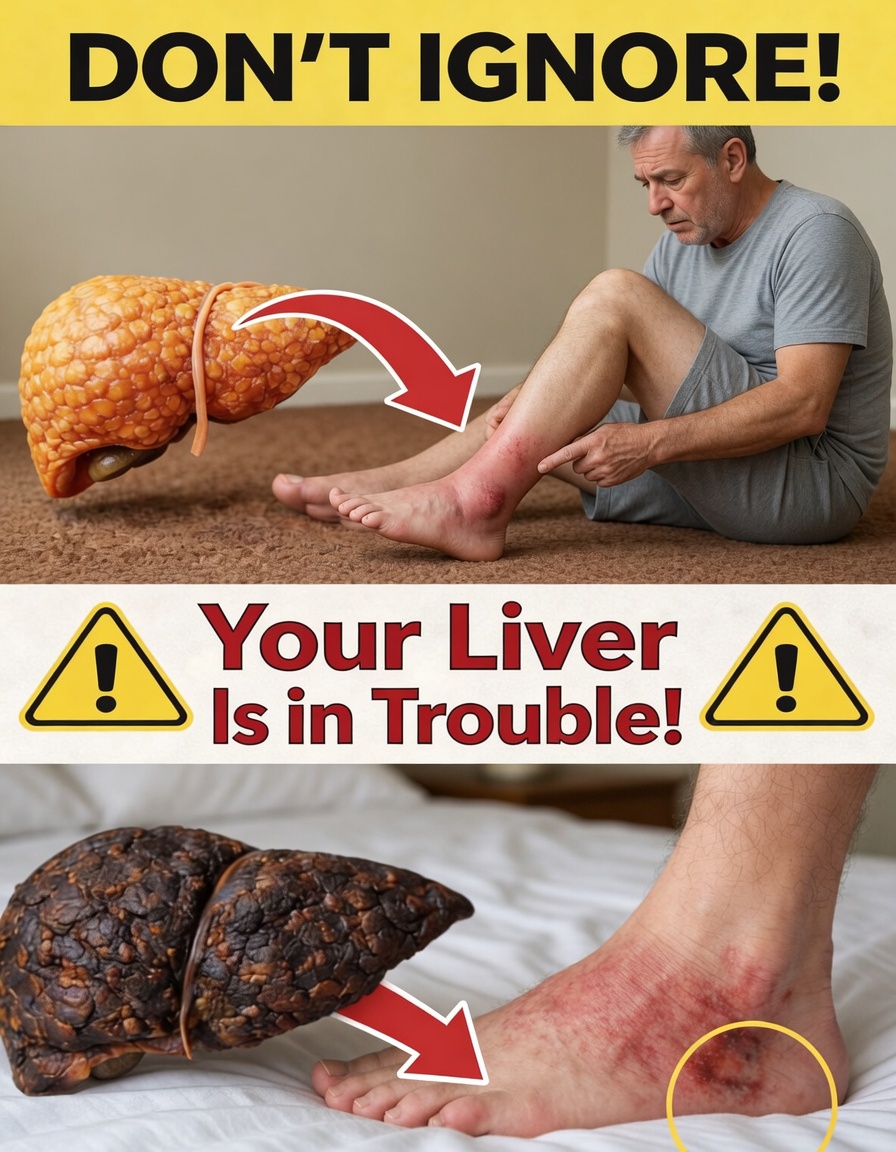
The Unexpected Link Between Liver Health and Foot Symptoms
Your liver is your body’s primary “processing center.” It helps filter blood, manage toxins, support digestion, and produce key proteins that help keep fluids where they belong. When liver function is under pressure—due to diet, alcohol, metabolic issues, infections, or other factors—changes can show up far from the abdomen.
Feet and ankles are especially revealing because:
- Gravity pulls fluid downward, making swelling easier to notice in the lower limbs
- Liver-related changes may affect circulation, nerves, and skin, which can first appear in extremities
- Several liver-related foot symptoms resemble everyday foot complaints, making them easy to dismiss
Not every foot issue points to liver problems. Still, recognizing repeated combinations of symptoms can help you start the right conversation with a healthcare professional sooner.
Foot and Ankle Signs Commonly Mentioned in Liver Function Challenges
Below are recurring foot-related symptoms that appear in clinical discussions of liver stress. They are not diagnostic on their own, but they can be meaningful when persistent or clustered.
Itchy Soles and Unexplained Skin Irritation
Persistent itching—often described as deep, prickly, or intense—can sometimes be associated with bile-related buildup that irritates nerves and skin. In some liver conditions (such as cholestatic disorders), itching may worsen at night and occur without an obvious rash.
If itching regularly disrupts sleep or doesn’t improve with basic care, it may be worth investigating further.
Swollen Feet or Ankles (Edema)
Swelling that causes tight shoes, visible puffiness, or sock marks can be linked to fluid imbalance. In more advanced liver conditions, reduced production of proteins like albumin may allow fluid to shift into surrounding tissues. Increased pressure in the portal circulation can also contribute.
Leg elevation may help temporarily, but ongoing swelling should not be ignored.
Tingling or Numb Toes (“Pins and Needles”)
A gradual onset of tingling, numbness, or reduced sensation can reflect nerve irritation sometimes discussed in chronic liver stress or certain viral liver diseases. This type of peripheral neuropathy may begin subtly and become more noticeable over time.
Pay attention to whether it happens at rest, during walks, or becomes progressively frequent.
Burning Sensation in the Soles or Heels
A hot, burning feeling under the feet—sometimes worse in the morning—may be tied to inflammation or circulation changes. Some clinical and podiatry discussions connect systemic inflammation (including that associated with fatty liver) to discomfort in the lower extremities.
Occasional burning can have many causes, but repeated episodes deserve a closer look.
Spider Veins on Feet and Ankles
Small, web-like red or purple lines can appear when surface blood vessels expand. In liver strain, vascular changes may occur due to hormonal shifts or circulatory pressure changes. These spider veins are typically painless but may spread if the underlying driver persists.
Nail Changes (Pale Nails or Fading Half-Moons)
Toenails can reflect systemic health. Some people notice the pale half-moon (lunula) becoming less visible or the nail bed appearing lighter than usual. These changes may relate to circulation, protein status, or nutrient processing—functions influenced by liver health.
Look for gradual trends rather than a single-day change.
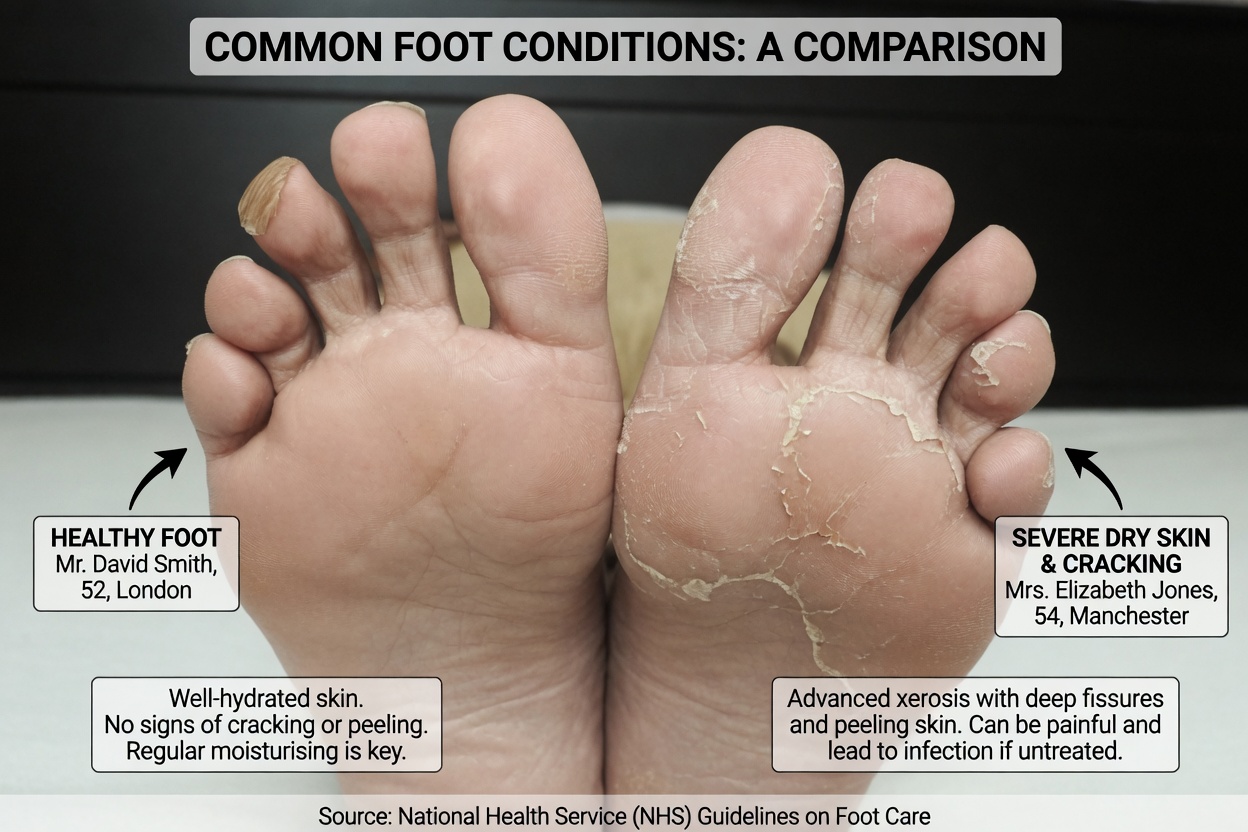
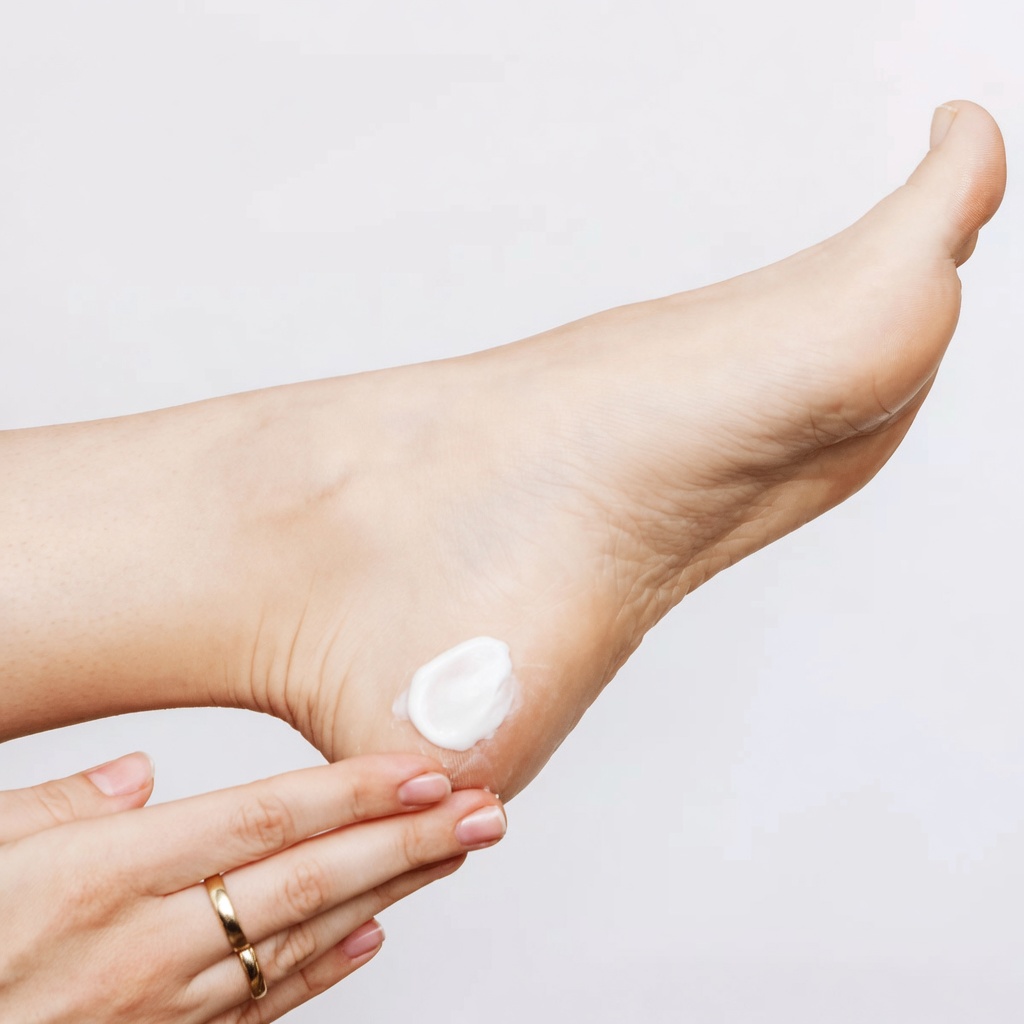
Dry, Cracked Heels That Don’t Improve
Heel fissures are often caused by footwear, dry weather, or skin conditions. However, when cracking persists despite moisturizers and routine care, it may reflect broader issues such as hydration status, nutrient imbalance, or systemic stress sometimes associated with impaired liver function.
Unusual, Persistent Foot Odor Despite Good Hygiene
A stubborn odor described as sharp, ammonia-like, or unusually sour—even with proper washing—has been discussed as a possible sign of metabolic byproducts leaving through sweat. This is less common, but notable when it’s new and persistent.
General Achy or Stiff Feet
When several symptoms appear together, some people report overall foot aching or stiffness. This can reflect system-wide strain rather than a single localized foot problem.
Quick Daily Foot Self-Check (2 Minutes)
Use this simple scan to spot trends early:
- Itching: Is it worse at night? Is there no visible cause?
- Swelling: Do your socks leave deep marks? Does pressing the skin leave a dent (pitting)?
- Tingling or burning: When does it happen—walking, standing, resting?
- Skin, veins, nails: Any new spider veins, cracking, or nail paleness?
- Odor: Any change despite normal hygiene routines?
Symptom Reference Table
| Symptom | Possible Liver-Related Link | What to Watch For |
|---|---|---|
| Itchy soles | Bile-related irritation | Worse at night, no rash |
| Swollen feet/ankles | Fluid/protein imbalance | Sock marks, pitting edema |
| Tingling toes | Nerve irritation | Pins-and-needles, numbness |
| Burning soles/heels | Inflammation/circulation shifts | Heat sensation, morning flare |
| Spider veins | Vascular changes | Lacy red/purple lines |
| Pale nails | Circulation/protein concerns | Fading lunula, lighter nail bed |
| Cracked heels | Hydration/nutrient imbalance | Persistent fissures despite care |
| Persistent odor | Metabolic byproducts in sweat | Ammonia-like or unusual smell |
| Achy feet | Overall systemic strain | Multiple signs occurring together |
Practical Steps You Can Start Today
These signs are meant to support awareness—not self-diagnosis. If you’re noticing patterns, consider these safe, practical actions:
-
Track what you see
- Note dates, severity, and possible triggers (e.g., salty meals, alcohol, long standing)
-
Support circulation and fluid balance
- Hydrate consistently
- Limit excess salt
- Elevate your feet during rest
- Moisturize regularly, especially heels
-
Choose liver-supportive eating habits
- Emphasize leafy greens, whole foods, and lean proteins
- Reduce ultra-processed foods and excess added sugars
-
Move gently
- Short walks and light stretching can improve circulation without overloading the body
-
Seek medical input when symptoms persist
- If three or more signs continue or worsen, discuss them with a clinician
- Ask whether appropriate evaluation includes blood tests and, if needed, imaging
Many people feel better simply by making early lifestyle adjustments and getting timely guidance.
Why Early Awareness Matters
People who notice foot changes early and respond thoughtfully often report feeling more informed and in control. Small steps—better hydration, improved nutrition, and professional evaluation when needed—can help maintain comfort and protect long-term health.
Your feet support you every day. Paying attention to what they’re signaling may help you take better care of your whole body.
Frequently Asked Questions
Can foot swelling by itself mean liver problems?
Not necessarily. Swelling can result from prolonged standing, high salt intake, injuries, medications, or heart and kidney issues. Persistent, unexplained swelling should be evaluated.
Are itchy feet always a serious symptom?
Often no. Dry skin, allergies, fungal infections, and irritation are common causes. However, intense nighttime itching that doesn’t improve may be associated with bile-flow issues seen in some liver conditions.
What should I do if I notice several symptoms at once?
Document them, start supportive habits, and schedule a medical appointment soon. Early assessment typically leads to clearer answers and better outcomes.
Medical Disclaimer
This article is for informational purposes only and does not replace professional medical advice. If you have symptoms or health concerns, consult a qualified healthcare provider for personalized evaluation and care.