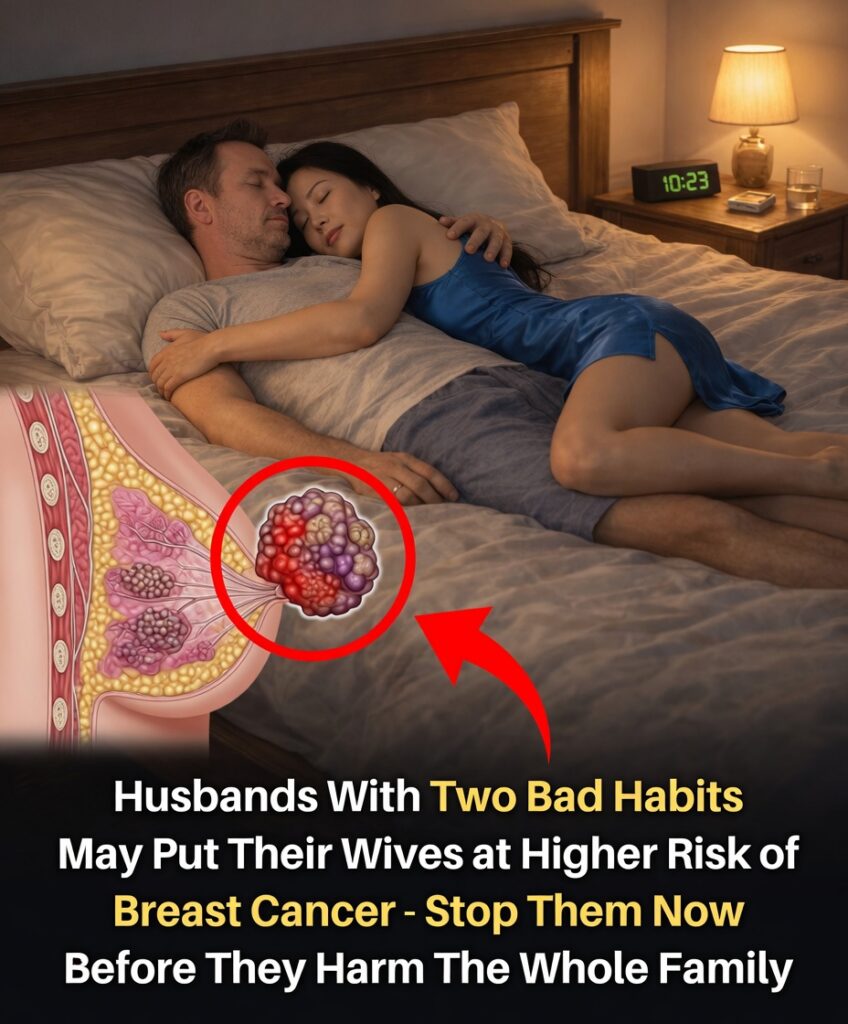
Breast Cancer Worries at Home: Why a Husband’s Everyday Habits Can Add Stress
Breast cancer can bring intense fear and uncertainty to families, affecting daily routines, emotional wellbeing, and relationships. When health anxiety is already high, some couples begin to wonder whether a partner’s lifestyle choices—especially two common “bad habits”—could contribute to a more concerning home environment. That worry can feel even heavier when those habits don’t change.
The good news: most risk factors are personal and complex, and no single behavior in a household “causes” breast cancer. Still, building a healthier home together can increase peace of mind and support overall family wellness.

The Shared Home Environment: Where “Husband Habits” Fit into Risk Awareness
Breast cancer risk is shaped by many variables, including genetics, age, reproductive history, and broader lifestyle patterns. Yet it’s normal for couples to think about environmental exposures at home, especially when fear of illness starts to overshadow everyday joy.
Health organizations consistently note that the evidence linking a husband’s behaviors directly to a wife’s breast cancer risk is limited and inconsistent. Even so, certain habits can affect household wellbeing in ways that are worth discussing with compassion.

What Research Suggests About These Two Habits
Two topics often appear in family conversations:
- Smoking, especially because secondhand smoke can linger in indoor spaces.
- Poor oral hygiene, mainly due to its relationship with inflammation and gum disease.
Some recent reviews (including 2024 summaries) have reported a possible modest association between secondhand smoke exposure and breast cancer risk in certain groups, but findings vary widely and are not definitive.
The second topic—oral hygiene—surprises many couples. It is discussed less often, and the evidence is primarily tied to the individual’s own health rather than a direct impact on a partner.
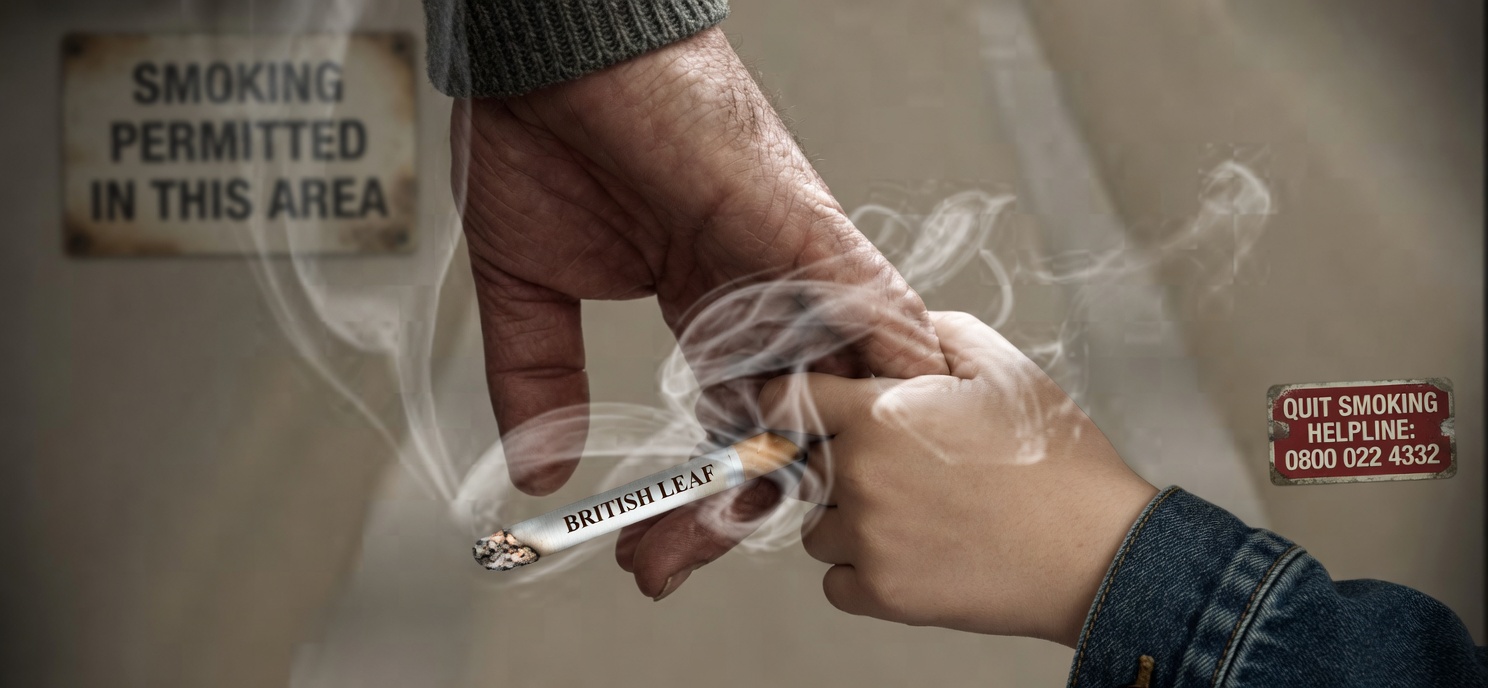
Habit 1: Smoking at Home and Secondhand Smoke Exposure
Smoking indoors creates ongoing secondhand smoke exposure for others in the household. This is why it frequently becomes part of breast-health discussions, particularly when a nonsmoking partner feels anxious about daily exposure.
Key points to know:
- Some studies suggest secondhand smoke may be linked to a small, potential increase in risk for certain women, but the overall evidence remains mixed.
- The American Cancer Society and other major organizations do not consider the relationship conclusive.
- Regardless of breast cancer concerns, reducing smoke exposure has clear, proven benefits for heart and lung health—and improves indoor air quality for everyone.
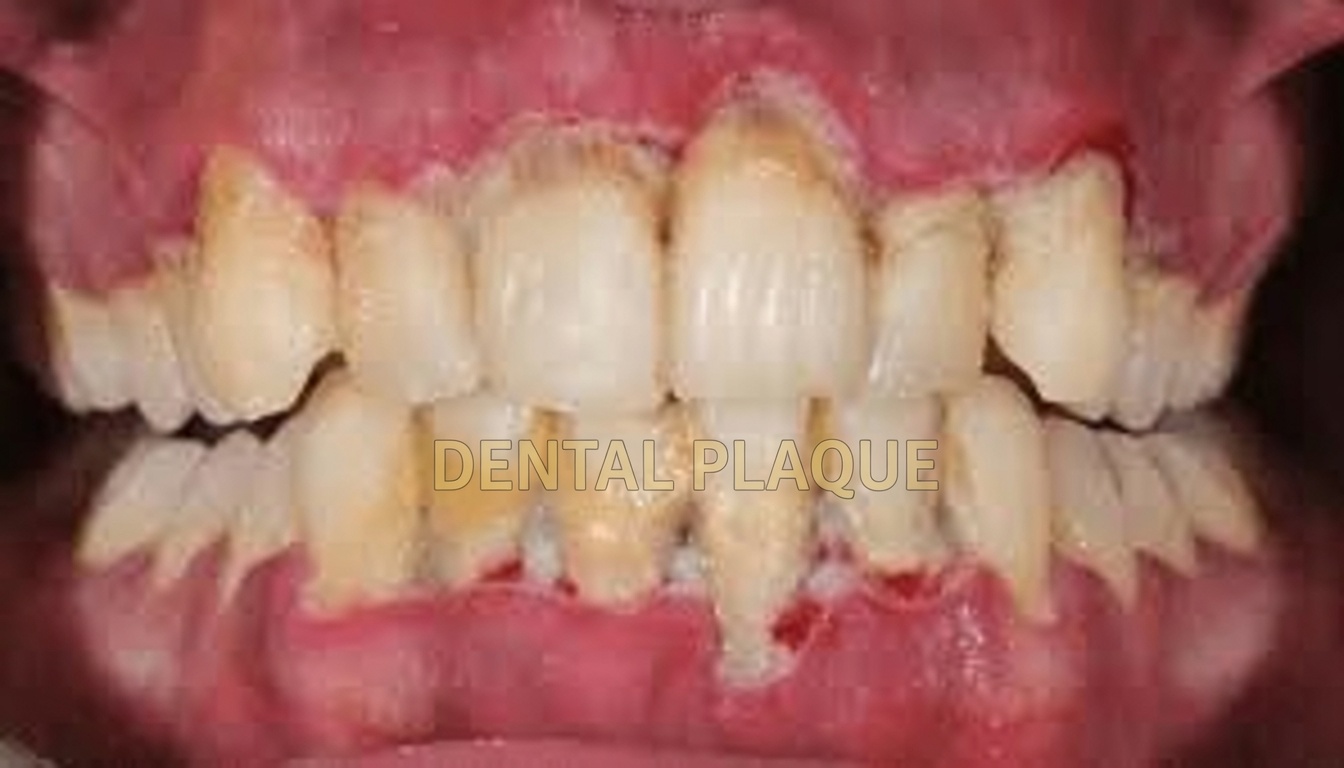
Habit 2: Poor Oral Hygiene and Chronic Inflammation
Inconsistent brushing and flossing can contribute to gum disease, which may drive chronic inflammation in the body. That link to inflammation is why oral health sometimes shows up in broader wellness conversations.
What the evidence generally supports:
- Research more strongly connects oral health issues to the individual’s health outcomes (inflammation-related conditions), not a direct “transfer” of breast cancer risk to a spouse.
- There is no strong proof that a husband’s poor oral hygiene directly increases his wife’s breast cancer risk.
- Still, improving oral care is a low-cost, high-impact health upgrade that benefits the whole family through fewer infections, better comfort, and improved overall wellbeing.

Gentle, Team-Based Ways to Improve These Habits (Without Blame)
Lifestyle change works best when couples approach it as a shared goal, not a personal failure. Supportive teamwork can reduce tension and help both partners feel safer and more connected.
Practical Steps to Quit Smoking Together
- Start with a calm, caring conversation focused on shared family goals, not guilt.
- Explore support tools together: quitlines, apps, counseling, or doctor-guided plans.
- Set clear boundaries like smoke-free rules for the home and car to reduce exposure.
- Recognize progress often—small wins build momentum and confidence.
Simple Ways to Improve Oral Hygiene as a Couple
- Make brushing and flossing a consistent daily routine—doing it together can reinforce the habit.
- Book dental checkups and cleanings to catch problems early.
- Keep tools that make it easier: electric toothbrushes, floss picks, water flossers.
- Use encouragement and reminders rather than criticism to keep the process positive.
Quick Comparison: The Two Habits and Healthier Alternatives
-
Smoking indoors
- Potential concern: secondhand smoke exposure
- Healthier choice: quit together or keep a fully smoke-free home
- Family benefit: cleaner air and fewer health worries
-
Poor oral hygiene
- Potential concern: gum disease and chronic inflammation
- Healthier choice: daily brushing, flossing, and regular dental visits
- Family benefit: improved comfort, fewer infections, healthier smiles

Additional Wellness Tips That Matter Most for Breast Health
If breast cancer risk feels overwhelming, it helps to prioritize actions backed by strong evidence:
- Stay current with recommended screenings (such as mammograms, based on age and risk)
- Maintain a healthy weight when possible
- Exercise regularly
- Eat a nutrient-dense, balanced diet
- Limit alcohol
- Discuss personal risk factors with a qualified clinician
These steps remain the most reliable foundation—while lifestyle improvements at home can provide extra reassurance.
Frequently Asked Questions
Does secondhand smoke from a husband definitely increase breast cancer risk?
No. Evidence is inconsistent. Some studies suggest a modest possible link for certain groups, but major organizations consider the connection inconclusive. Avoiding secondhand smoke is still strongly beneficial for overall health.
Can a husband’s poor oral hygiene directly raise his wife’s breast cancer risk?
There is no dependable evidence showing a direct effect. Oral hygiene problems mainly affect the person who has gum disease and chronic inflammation. Improving oral care benefits each individual and supports a healthier household routine.
What are the most dependable ways to protect breast health beyond these habits?
Focus on proven steps: appropriate screening, physical activity, balanced nutrition, limiting alcohol, and maintaining a healthy weight. For personalized guidance, consult a healthcare professional.
Final Thoughts
No single behavior—by a husband or anyone else—causes breast cancer. Online claims that directly blame “two bad habits” are often exaggerated. What matters most is building a supportive home: reduce avoidable exposures, strengthen everyday health routines, and approach change with kindness.
Start with one respectful conversation today. Small, consistent improvements can protect wellbeing and help your family feel more secure.