Breast Cancer Warning Signs: What to Watch For (and the Simple Habit Survivors Swear By)
Breast cancer can start with small, easy-to-miss changes—especially when life is busy. Many people notice something “off,” then push it aside, only to feel a lingering worry about what it could mean for their health and their family. Learning the most common warning signs and symptoms of breast cancer helps replace uncertainty with clarity and supports earlier, calmer action.
At the end of this guide, you’ll find the habit many survivors credit as a turning point: a consistent monthly self-check that makes changes easier to spot.
1) Changes in Breast Size or Shape
Have you noticed one breast looking fuller, uneven, or unusually shaped compared with the other? A visible difference can be unsettling—especially when it seems to increase over time.
Unlike normal hormone-related shifts that come and go with your cycle, breast size or shape changes linked to concern often feel persistent. Some people first realize something is different when bras or tops suddenly fit unevenly. Paying attention early can lead to timely reassurance and, when needed, faster medical evaluation.
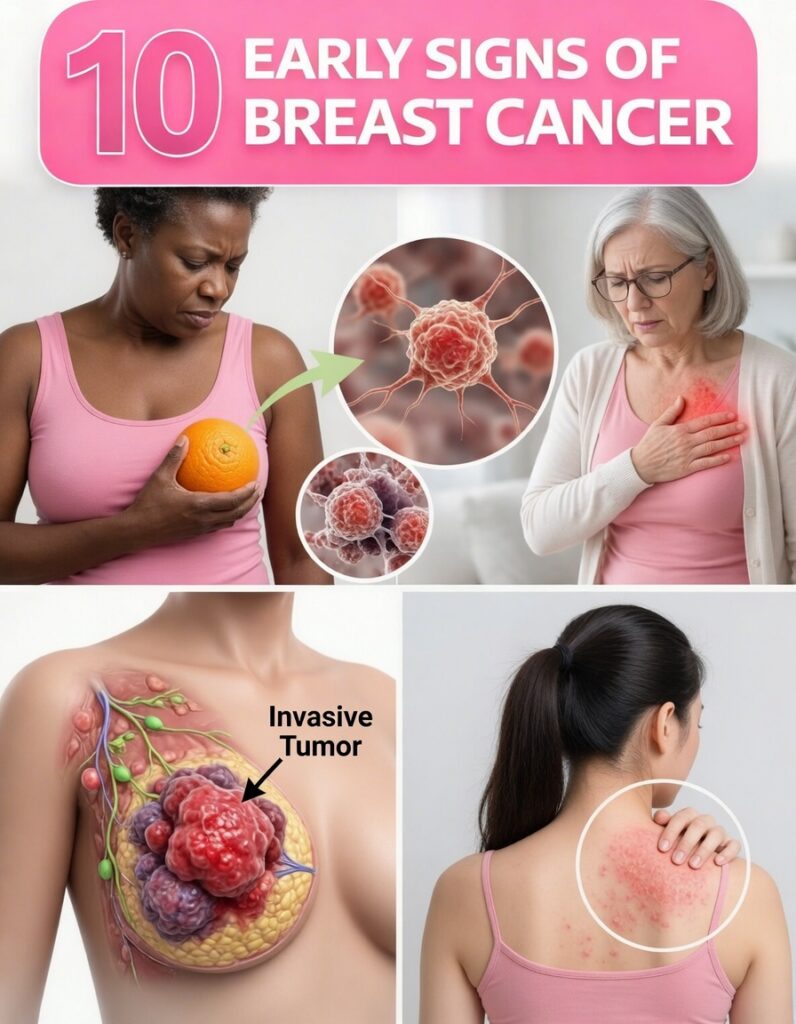
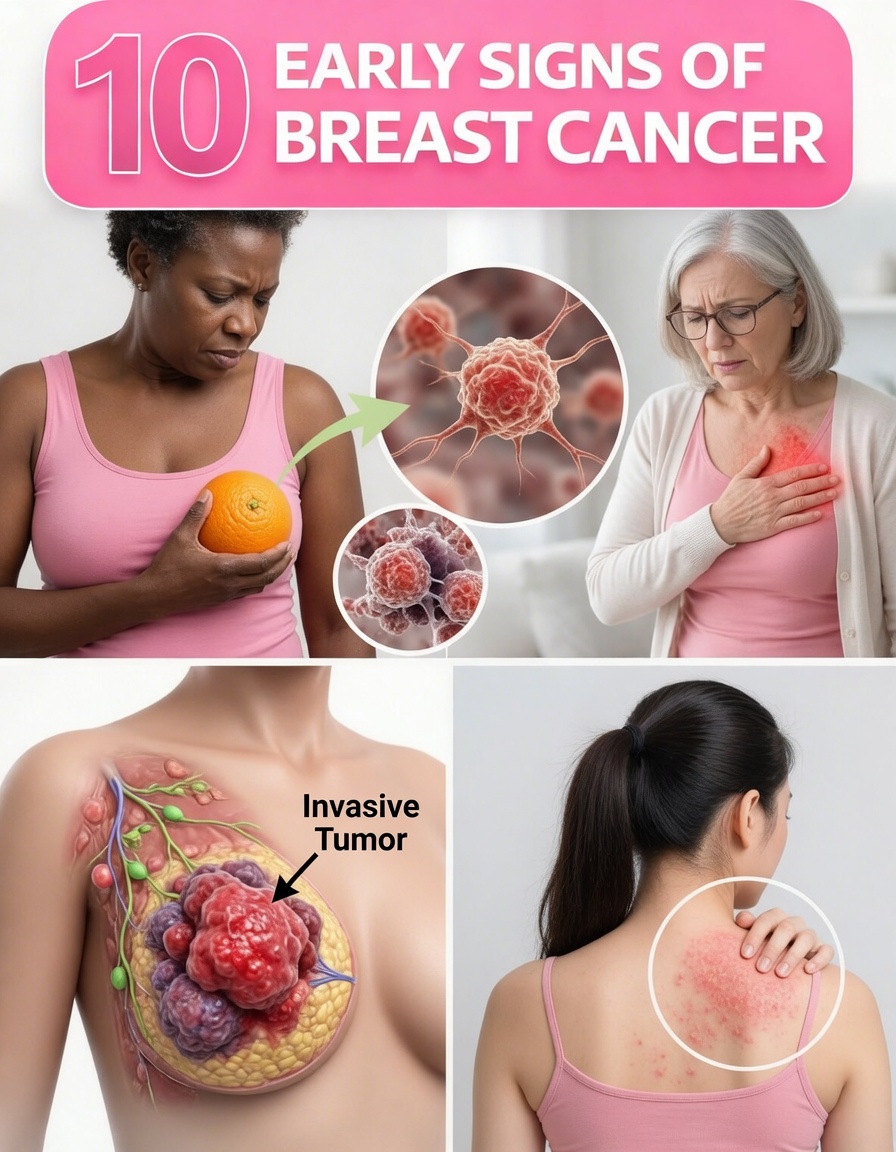
2) Skin Texture Changes (Dimpling or “Orange Peel” Look)
If the skin looks puckered, dimpled, or resembles an orange peel (often called peau d’orange), don’t ignore it. This texture change may look like dryness at first, but it tends to stick around despite routine skincare.
These changes can occur when deeper tissue affects normal fluid drainage. Because it’s subtle, many people delay action—then feel anxious as the skin continues to tighten or change. Noticing it sooner can reduce uncertainty for you and your loved ones.

3) Persistent Itching, Irritation, or a Rash That Won’t Heal
An itch, redness, or rash on the breast that lingers—even after creams or allergy treatments—can be more than a skin issue. It’s frustrating when symptoms mimic common irritation yet refuse to improve.
In some cases, inflammatory breast changes may cause ongoing discomfort and sleepless nights. If the area keeps returning or never fully clears, it’s worth discussing with a clinician rather than repeatedly self-treating.
4) A Hard, Immovable Lump or Thickened Area
Finding a firm spot that feels fixed in place can be alarming. While many lumps are benign, a hard, immovable lump or an area of thickening that doesn’t feel like the surrounding tissue should be checked.
This kind of change may be painless at first, which can make it easier to dismiss. However, persistence matters—if it doesn’t go away or feels distinctly different, prompt evaluation can bring clarity and relief.
5) Breast or Nipple Pain That Doesn’t Go Away
Breast tenderness related to menstruation often affects both breasts and improves as the cycle changes. Pain that stays in one specific area, continues daily, or disrupts sleep deserves attention.
Ongoing pain can build stress—especially when it doesn’t respond to usual measures. If discomfort persists, it’s a reasonable sign to schedule a professional exam.
6) Swelling in All or Part of the Breast
If one breast suddenly feels swollen, heavier, or warmer, and there’s no obvious explanation, take note. Swelling can also make clothing fit differently and increase self-consciousness.
Sometimes swelling is linked to blocked drainage or deeper tissue changes. When swelling appears quickly or doesn’t settle, checking in with a healthcare professional can help rule out serious causes and ease worry.
Mid-Article Check-In Quiz
A quick quiz to reinforce what you’ve learned about warning signs and symptoms of breast cancer:
- How many signs have we covered so far? (Answer: 6)
- What’s your biggest current concern about breast health?
- Rate your self-exam habit right now (1–10).
- Which sign surprised you most?
- Ready to continue? Keep going—you’re building real protection through awareness.
7) Nipple Retraction or New Inversion
If a nipple begins pulling inward (or looks newly inverted) when it previously pointed outward, it can be visually distressing and easy to worry about.
This can happen when deeper tissue changes create pulling or scarring. Because you may notice it every day, the emotional impact can be significant—making it even more important to get a clear medical opinion.
8) Red, Dry, Flaky, or Thickened Skin on the Nipple or Breast
Scaling, crusting, thickening, or eczema-like patches around the nipple that don’t resolve can look like a simple dermatology problem. The key red flag is persistence, especially when moisturizers and topical products fail repeatedly.
If the skin stays irritated week after week, document what you’re seeing (photos can help) and bring it to a clinician’s attention.
9) Nipple Discharge (That Isn’t Breast Milk)
Fluid that leaks from one nipple without squeezing—especially if it’s clear or bloody—often causes immediate concern, and for good reason. Unexpected nipple discharge can be related to duct changes that should be evaluated.
If discharge stains clothing, happens repeatedly, or occurs from one side only, it’s best to arrange a medical check rather than waiting for it to stop.
10) Swollen Lymph Nodes Under the Arm or Near the Collarbone
Tender or enlarged nodes in the armpit or above the collarbone can sometimes appear even when breast changes are minimal. Because lymph nodes are part of how the body responds to disease, swelling here can increase anxiety quickly.
If you feel a new lump in these areas that doesn’t settle, it’s worth prompt assessment—especially alongside any other breast changes.

Actionable Tips: How to Do a Monthly Breast Self-Exam
A consistent monthly routine helps you notice changes earlier and reduces the stress of guessing. Here’s a simple self-exam approach:
- Mirror check: Stand with arms at your sides, then raise them overhead. Look for changes in breast size, shape, contour, or skin texture.
- Feel while lying down: Place one arm behind your head. Using the pads of three fingers, move in small circles across the entire breast and up toward the armpit, checking for lumps or thickened areas.
- Check the nipples: Gently squeeze each nipple and note any discharge or new tenderness.
- Timing: Do this monthly—a few days after your period ends, or on the same date each month if you’re post-menopausal.
When to Schedule a Doctor Visit
Don’t wait if you notice warning signs and symptoms of breast cancer—getting answers sooner often eases the mental burden:
- Any change that lasts longer than two weeks
- Pain or swelling that interrupts sleep or daily life
- Nipple discharge, retraction, or persistent skin changes
- A family history that increases your concern or risk
The Game-Changer: Lifelong Awareness Through One Simple Habit
Imagine feeling confident instead of uncertain because you know what to look for. When knowledge replaces fear, everyday life feels steadier. Many survivors point to one “small” shift—making monthly self-exams a habit—as the step that helped them catch changes earlier and reclaim peace of mind.
Frequently Asked Questions
How often should I check for warning signs and symptoms of breast cancer?
A monthly self-exam paired with clinical exams and screening as recommended by your doctor is a practical, low-stress approach to staying aware.
Can men experience these warning signs and symptoms of breast cancer too?
Yes. While breast cancer is less common in men, they can still develop it. Men should watch for the same signs—especially lumps near the nipple, discharge, skin changes, or underarm swelling—and seek medical advice promptly.
Do these warning signs and symptoms of breast cancer always mean something serious?
Not always. Many breast changes have benign explanations. Still, any new, persistent symptom deserves a professional evaluation so you can move forward with clarity and confidence.