
Many adults find it hard to fall asleep quickly or stay asleep all night. Even after spending plenty of time in bed, they may wake up feeling foggy, tired, and not truly restored. That cycle of tossing and turning can turn evenings into a source of tension instead of calm. A common question is whether eating a banana before bed could gently support the body’s natural wind-down—thanks to its nutrient profile. Below is a balanced, evidence-informed look at this popular nighttime habit.

Why Nighttime Sleep Problems Feel So Draining
Trouble settling down at night affects millions of people, and the impact often shows up the next day: low energy, reduced focus, mood changes, and less motivation. When stress, late-night scrolling, irregular schedules, or stimulating routines interfere with sleep, small adjustments—like a simple bedtime snack—can sound appealing.
Some research suggests that foods rich in specific nutrients may support relaxation and sleep routines. Still, it’s worth asking: is having a banana before bed genuinely helpful, or just another wellness trend?
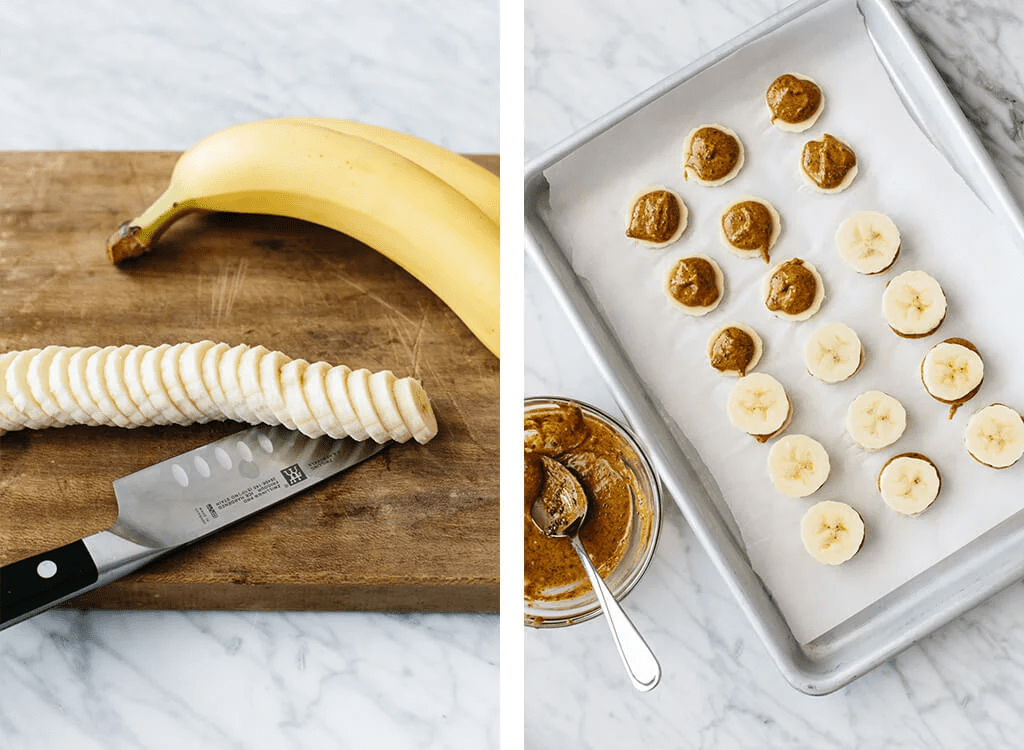
Why a Banana Before Bed Gets So Much Attention
A medium banana contains several nutrients commonly linked with relaxation and sleep-related pathways, including magnesium, potassium, vitamin B6, and tryptophan.
- Magnesium supports normal muscle and nerve function and plays a role in healthy sleep-wake regulation. Adequate magnesium intake is also associated with maintaining typical melatonin patterns.
- Potassium helps maintain electrolyte balance and may support comfort by easing occasional muscle tightness that can make it harder to relax.
- Tryptophan is an amino acid the body uses to produce serotonin, which can later be converted into melatonin. The banana’s natural carbohydrates may help with tryptophan availability and uptake.
- Vitamin B6 contributes to neurotransmitter production, which supports the broader “calm and settle” biochemical environment.
Together, these nutrients make eating a banana before bed an attractive, simple option for people who want gentle support without complicated preparation.

What Research Indicates About Eating a Banana Before Bed
There aren’t many studies that test bananas alone as a sleep intervention. However, research focusing on the nutrients found in bananas offers useful clues.
- In one small observation involving older adults, adding potassium- and magnesium-rich foods (including bananas) was linked with reports of more relaxed evenings over several weeks.
- Other exploratory work has looked at bananas combined with additional calming practices and noted improvements in certain markers of rest quality.
- Studies on supplement forms of magnesium, potassium-related intake, and tryptophan suggest these nutrients can influence relaxation—though whole foods such as bananas typically provide more gradual, mild effects.
Bottom line: eating a banana before bed may support relaxation, but results can differ widely based on overall diet, stress levels, sleep hygiene, and individual sensitivity.

Potential Benefits of Eating a Banana Before Bed
When used thoughtfully, this habit may offer a few practical advantages:
- Muscle comfort support: The magnesium and potassium in a banana before bed may help reduce tension, especially after physically demanding days.
- Support for natural calming pathways: Tryptophan and vitamin B6 contribute to serotonin-related processes associated with feeling more settled.
- Light satiety without heaviness: A banana’s fiber can take the edge off hunger so it’s less likely to interrupt sleep.
- Easy to maintain: No cooking, no cleanup—making it an effortless part of an evening routine.
- Nutrient top-up: Provides key micronutrients that some people under-consume in modern diets.
For many, a banana before bed becomes a simple, pleasant signal that it’s time to slow down.
Important Things to Consider Before You Try It
Despite the potential upsides, there are a few reasons eating a banana before bed might not be ideal for everyone:
- Timing can make or break the experience: Eating too close to bedtime may cause mild digestive discomfort for some people due to the natural sugars and fiber.
- Blood sugar considerations: If you’re monitoring glucose or notice energy swings from carbohydrates, a banana may affect you differently than someone with stable blood sugar responses.
- Individual sensitivities: Some people report more congestion or “mucus” sensations after fruit at night, though evidence is mixed and responses vary.
- Portion matters: In most cases, one medium banana is enough to gain the nutritional benefits without overdoing sugar or fiber.
- Reflux or stomach sensitivity: If you’re prone to reflux, you may do better eating it earlier—or choosing a smaller portion.
Personal response is key. If eating a banana before bed leaves you uncomfortable, adjust the timing or skip it.

How to Try Eating a Banana Before Bed (Simple, Safe Approach)
If you want to experiment, keep it gentle and consistent:
- Choose a ripe banana (yellow with a few brown spots) for easier digestion and natural sweetness.
- Eat it 1–2 hours before bedtime to give your body time to digest.
- Optional pairing: add a small handful of nuts or drink herbal tea for a more balanced snack.
- Stick to one medium banana before bed to keep sugars and fiber moderate.
- Track your results for 7–10 days, paying attention to:
- how long it takes to fall asleep
- how often you wake during the night
- how refreshed you feel in the morning
- Adjust as needed—some people prefer having it earlier in the evening.
Small changes, repeated consistently, are the best way to see whether this fits your routine.
Complementary Habits That Make the Biggest Difference
A banana can be supportive, but it works best alongside proven sleep-friendly behaviors:
- Maintain a consistent sleep and wake schedule, even on weekends
- Reduce screen time and dim lights about an hour before bed
- Keep your bedroom cool, quiet, and dark
- Try gentle stretching, breathing, or relaxation exercises
- Avoid caffeine after midday (or earlier if you’re sensitive)
Think of eating a banana before bed as a helpful addition—not a replacement for solid sleep foundations.
Quick Comparison: Common Evening Snack Options
-
Banana before bed
- Key nutrients: magnesium, potassium, tryptophan, vitamin B6
- Best for: light fullness, muscle comfort, calming pathways
- Suggested timing: 1–2 hours before bed
-
Almonds (small handful)
- Key nutrients: magnesium, healthy fats
- Best for: steady satisfaction and relaxation support
- Suggested timing: evening, not right before sleep
-
Chamomile tea
- Key compounds: natural calming compounds
- Best for: gentle wind-down ritual
- Suggested timing: 30–60 minutes before bed
-
Tart cherries (or juice, moderate portion)
- Key compounds: natural melatonin-related components
- Best for: supporting melatonin patterns
- Suggested timing: 1–2 hours before bed
If you want something easy and low-effort, eating a banana before bed remains popular for good reason.
Final Thoughts: Is Eating a Banana Before Bed Worth Trying?
For many people, eating a banana before bed is a convenient, nutrient-rich way to support nighttime relaxation—thanks to magnesium, potassium, tryptophan, and vitamin B6. It’s not a cure for insomnia, but it can pair well with strong sleep habits.
Pay attention to portion size, timing, and how your body responds. When it suits you, a banana can become a simple and enjoyable part of a calmer evening routine.
Frequently Asked Questions
Can eating a banana before bed help everyone sleep better?
Not necessarily. Some people feel more relaxed, while others notice no change. Overall sleep habits, stress levels, diet, and individual biology play major roles.
What if eating a banana before bed causes discomfort?
Try eating it earlier, reducing the portion, or pairing it differently (or not at all). Monitor how you feel and adjust accordingly.
Is eating more than one banana before bed better?
Usually not. One medium banana is typically enough. More may increase the chance of digestive discomfort or unwanted blood sugar effects for some people.