
Many people notice symptoms such as foamy urine, swelling, or persistent fatigue. These signs can be linked to proteinuria, a condition in which protein spills into the urine because the kidneys’ filtering system is under stress. Diet does not directly cause or cure proteinuria, but certain foods can create extra workload for kidneys that are already strained—especially in people with chronic kidney disease (CKD) or risk factors like diabetes and high blood pressure.
Organizations such as the National Kidney Foundation note that, for some individuals, adjusting intake of nutrients like potassium, phosphorus, sodium, and oxalates may better support kidney function. However, dietary needs vary widely. What helps one person may be inappropriate for someone else based on lab results and CKD stage.
Below are 10 common foods and products experts often recommend limiting, plus practical, kidney-friendlier swaps. Always speak with your clinician or a renal dietitian before making major changes—they can tailor guidance to your labs and medications.

Why Diet Matters for Proteinuria and Kidney Support
Proteinuria is usually a signal of an underlying issue that is pressuring the kidneys’ filtration units. When kidney function is reduced, the body may have trouble keeping minerals such as potassium and phosphorus in the right range, which can contribute to complications over time.
Research suggests that a personalized eating plan can help many people—especially in earlier stages of CKD—manage symptoms and potentially slow progression. The goal is rarely strict elimination. Instead, it’s about portion awareness, smarter preparation methods, and better substitutions.
If you’re noticing swelling or low energy, small, consistent changes may help—but only if they fit your individual medical picture.

Foods to Consider Limiting (and What to Choose Instead)
1. Spinach and Other High-Oxalate Greens
Spinach is packed with nutrients, but it’s also high in oxalates, which may increase the risk of kidney stone formation in susceptible people. It can also be relatively high in potassium, which may be harder to manage with impaired kidney function.
- Kidney-friendlier alternatives: cabbage, lettuce, cucumbers, cauliflower; kale can work for some people in moderation depending on potassium limits.
2. Sweet Potatoes
Sweet potatoes offer vitamins and fiber, but they are potassium-rich. When kidney function declines, potassium may build up more easily.
- Helpful tip: peeling, slicing thinly, and boiling in water (then draining) can lower potassium.
- Swaps: carrots or certain squashes (portion-dependent), or other lower-potassium sides recommended by your dietitian.
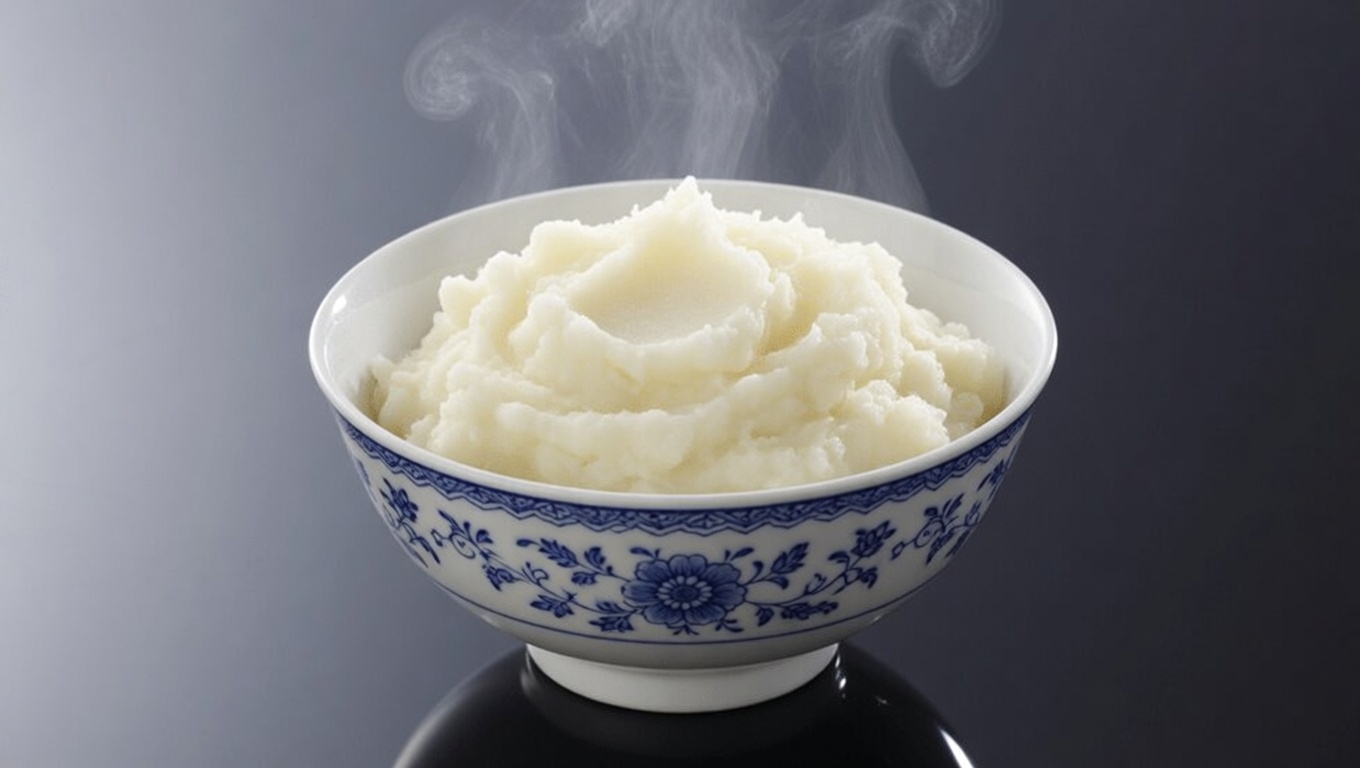
3. Rice (Especially Brown Rice)
Rice can contain arsenic, and brown rice often holds more arsenic than white rice because arsenic concentrates in the outer layers. Some experts caution that long-term exposure may be an added concern for people already dealing with kidney stress.
- Smarter approach: rinse rice thoroughly and cook with extra water (then drain).
- Alternatives: white rice or other grains such as quinoa (as tolerated and portioned appropriately).
4. Butter (Especially Salted)
Salted butter adds sodium, and butter is also high in saturated fat. Excess sodium can worsen blood pressure—one of the biggest drivers of kidney strain and proteinuria progression.
- Better options: small amounts of unsalted butter, or choose olive oil for a more heart-friendly fat.
5. Dark-Colored Sodas (Cola-Type Drinks)
Many dark sodas contain phosphorus additives, which may raise phosphorus levels when kidneys cannot filter efficiently. Over time, high phosphorus can affect bone and cardiovascular health.
- Better options: water (still or sparkling), herbal tea, or fruit-infused water. If choosing soda, do so rarely and check labels.
6. Dried Fruits
Drying fruit concentrates both potassium and natural sugars into a small serving size, making it easy to overshoot recommended ranges.
- Better options: fresh, portion-controlled lower-potassium fruits such as apples, berries, or pears.

7. High-Dose Vitamin D Supplements (Without Medical Oversight)
Vitamin D is essential, but taking high doses without monitoring may contribute to calcium imbalance in some people, potentially complicating kidney and vascular health.
- Better approach: supplement only if labs show a need, and follow a clinician’s dosing plan.
8. High-Dose Vitamin C Supplements
Excess vitamin C can increase oxalate production in the body, which may be problematic for people prone to kidney stones or with reduced kidney function.
- Better approach: prioritize vitamin C from foods, and supplement only if recommended.
9. Certain Forms or Unnecessary Dosing of Vitamin B12
Vitamin B12 needs are individual. Some people require supplementation, but unnecessary or excessive use—especially without testing—may add avoidable complexity to a kidney-focused plan.
- Better approach: base supplementation on lab work and medical advice.
10. Excess Multivitamins or “Mega-Dose” Supplement Stacks
High-dose multivitamins and multiple overlapping supplements can create an unnecessary filtering burden and may include minerals (or additives) that conflict with kidney targets.
- Better approach: use only what is needed, at appropriate doses, with renal-specific formulations when indicated.

Quick Comparison: Foods to Limit vs. Kidney-Friendlier Options
| Food to Moderate | Main Concern | Kidney-Supportive Alternative |
|---|---|---|
| Spinach | Oxalates & potassium | Cabbage, lettuce, cucumbers |
| Sweet potatoes | Potassium | Leached white potatoes, carrots |
| Brown rice | Arsenic | White rice, cauliflower rice |
| Salted butter | Sodium & saturated fat | Olive oil, unsalted butter (small amounts) |
| Dark sodas | Phosphorus additives | Water with lemon, herbal tea |
| Dried fruits | Concentrated potassium/sugars | Fresh apples, blueberries |
Practical Tips for Everyday Kidney-Friendly Eating
- Build balanced plates: aim for half non-starchy vegetables, one quarter lean protein, and one quarter grains (adjusted to your plan).
- Use leaching when appropriate: boiling and draining certain high-potassium foods can significantly reduce potassium content.
- Read labels carefully: watch for hidden sodium and phosphorus additives (common in processed foods and sodas).
- Hydrate wisely: water supports overall health, but follow any fluid limits prescribed for your stage of kidney disease.
Final Thoughts
Supporting kidney health with proteinuria is about informed choices—not fear. Many foods can remain part of your routine when you adjust portions and preparation methods. The most meaningful progress typically comes from a personalized plan paired with regular monitoring of blood pressure, blood sugar (if applicable), and kidney-related labs.
Frequently Asked Questions
Can diet alone reduce proteinuria?
Diet can support overall management, but it does not replace medical treatment. Proteinuria often improves most when the underlying cause—such as high blood pressure or diabetes—is well controlled.
How much protein should I eat if I have proteinuria?
Protein needs depend on CKD stage, body size, lab values, and other conditions. Some people benefit from a modest reduction and a greater focus on plant-forward sources, but a renal dietitian should calculate a target for you.
Are these foods harmful for everyone?
No. These recommendations are most relevant for people with diagnosed kidney disease, proteinuria, or abnormal mineral labs. If your kidneys are healthy, a varied diet is generally the best approach.