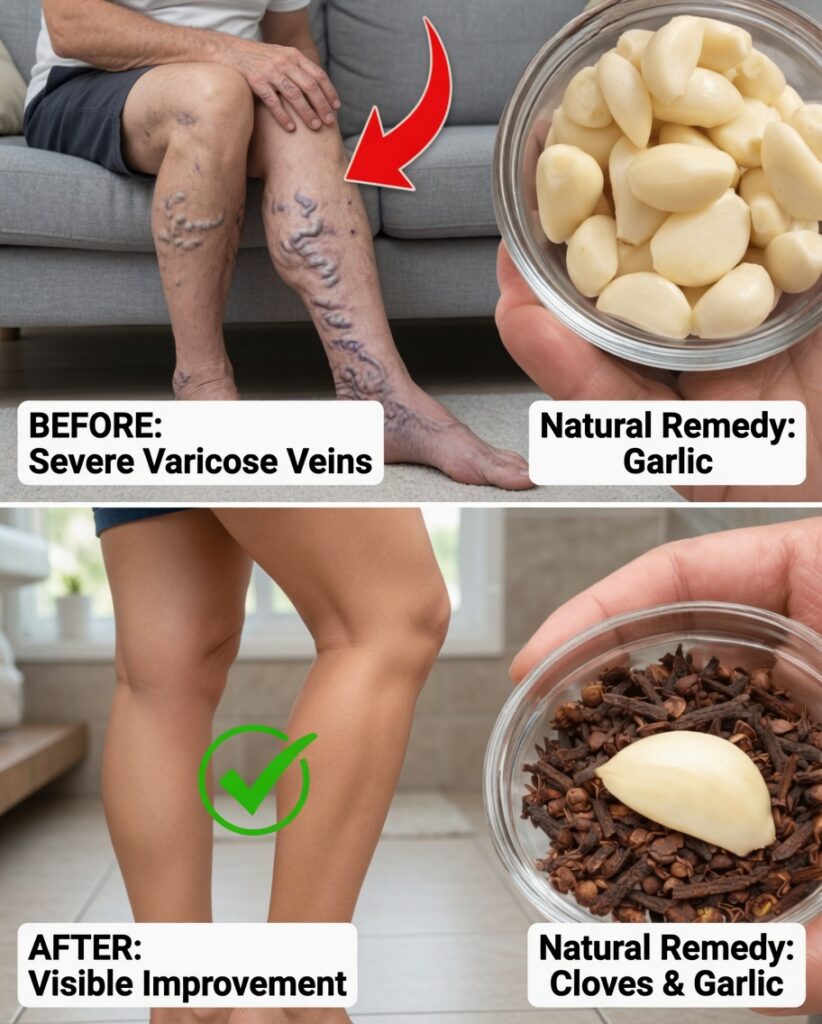
Varicose Veins: Why They Feel So Uncomfortable (and Why So Many People Look for Home Relief)
Varicose veins affect millions of people worldwide, often bringing along aching, swelling, and a heavy, tired sensation in the legs that can make routine tasks feel draining. Research suggests roughly 23% of adults in the United States experience varicose veins, with higher prevalence among women and people over age 50. Beyond appearance, the day-to-day discomfort can impact mobility, confidence, and overall quality of life.
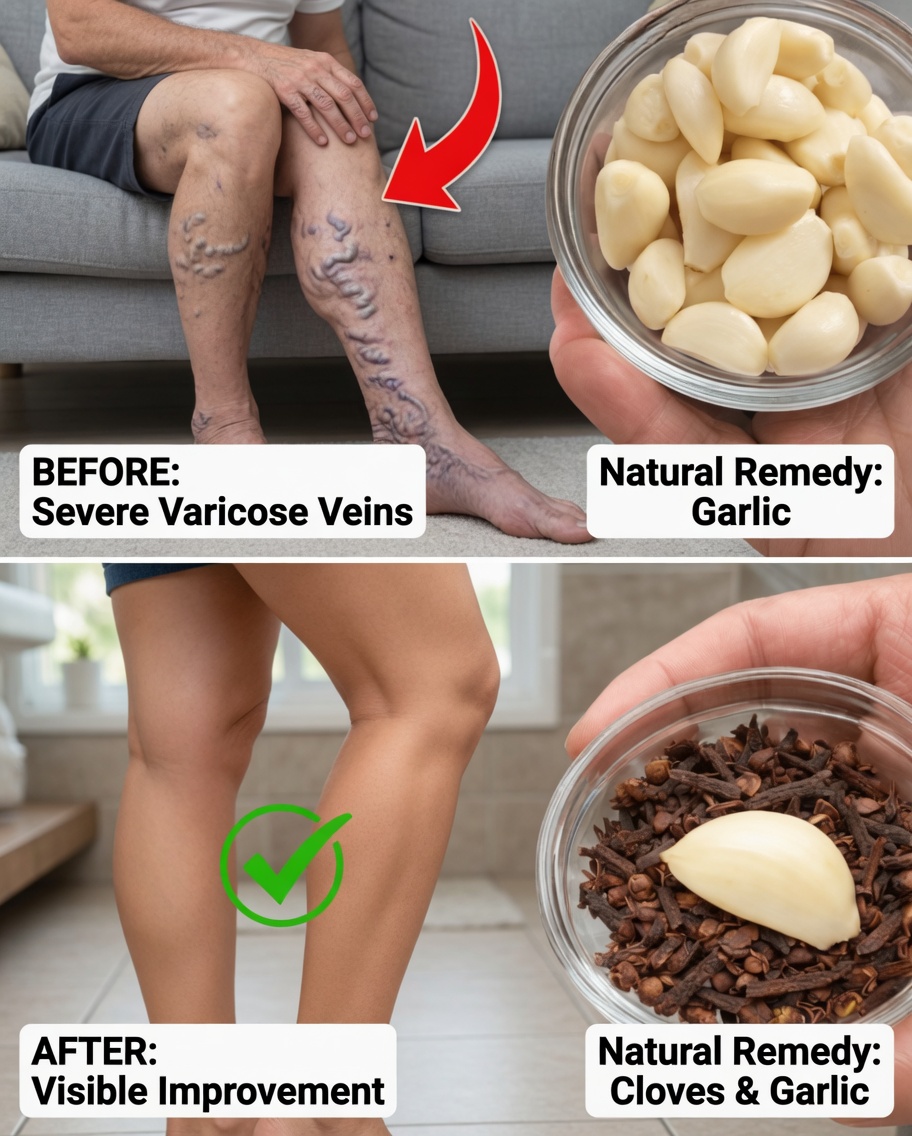
Because some people find compression stockings annoying or restrictive—and medical procedures can feel intimidating—many search for gentle, at-home ways to support leg comfort. One popular online remedy uses three pantry staples: ground cloves, fresh garlic, and olive oil, applied with a simple massage. But is it reasonable, and how can you use it safely?
This guide breaks down what this blend is, why it’s getting attention, what limited evidence can (and can’t) tell us, what users commonly report, and how to set realistic expectations for natural vein support.
What Varicose Veins Are—and Why Symptoms Often Get Worse by Evening
Varicose veins develop when vein valves weaken and stop moving blood efficiently back toward the heart. As blood pools in the legs, pressure increases—leading to symptoms such as:
- Leg heaviness and fatigue
- Swelling around ankles and calves
- Throbbing or cramping
- Itchiness or irritation
- Visible, bulging veins that may feel tender
Common risk factors include:
- Being over 40 (risk rises with age)
- Long periods of standing or sitting
- Pregnancy
- Family history of vein disease
- Obesity
- Hormonal changes
For many people, the combination of pain and self-consciousness means skipping long walks, avoiding certain outfits, or feeling less comfortable in social settings.
Medical treatments address the underlying vein dysfunction, but supportive home care is often used for daily symptom relief. The appeal of the clove–garlic–olive oil blend is simple: if certain ingredients may calm inflammation and massage supports upward blood flow, discomfort might lessen—at least temporarily.
Why Cloves, Garlic, and Olive Oil Are Used for Leg Comfort
This mixture doesn’t have strong clinical evidence specifically for varicose veins, but each component is known for properties that may support comfort in other contexts.
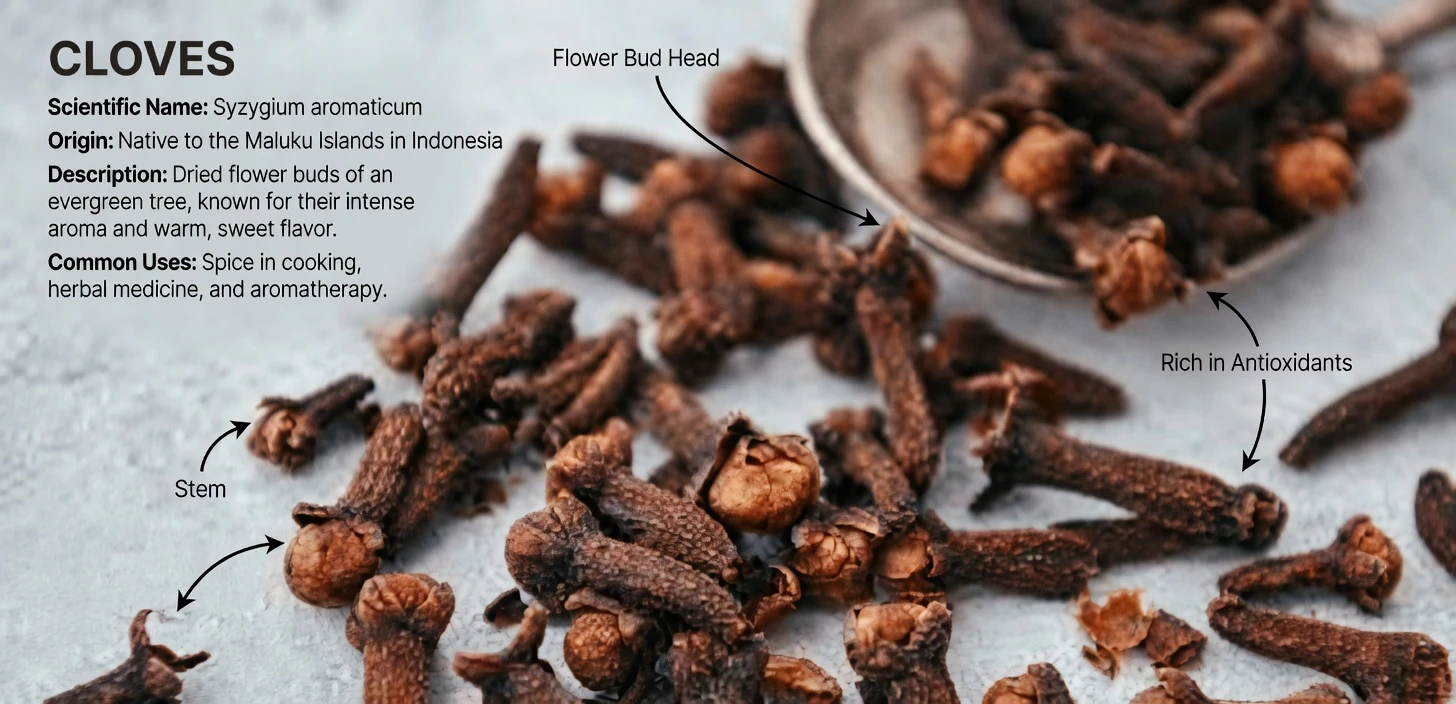
Cloves (Eugenol and antioxidant activity)
Cloves contain eugenol, a compound studied for anti-inflammatory and antioxidant effects in various research models. While this does not directly prove benefits for varicose veins, it helps explain why cloves are often used in traditional comfort-focused preparations.
Garlic (Allicin and circulation-related research)
Garlic provides allicin and other sulfur-containing compounds that are associated in some studies with blood-flow support and vessel relaxation. Most evidence relates to general cardiovascular or circulation topics—not topical treatment of varicose veins—so claims should be kept modest.
Olive oil (carrier oil + massage support)
Extra-virgin olive oil is a practical carrier oil, helping dilute stronger ingredients and making massage easier. It also contains polyphenols and oleic acid, which can be soothing and moisturizing for skin. Importantly, the massage itself may help move fluid and reduce the “pooled” feeling in the legs when done with upward strokes.
Key takeaway: There are no large, high-quality trials studying this exact topical combination for varicose vein symptoms. Any potential benefit is best viewed as supportive comfort care—often tied to consistent massage and complementary lifestyle habits.
What People Commonly Notice When Using Similar Massage Blends
Online experiences vary, but recurring themes show up in user reports:
- Less evening heaviness and reduced throbbing after applying it at night
- Swelling appears milder when massage is paired with leg elevation
- Smoother-feeling skin around visible veins, sometimes reported after several weeks
People with jobs that require long hours on their feet often describe the biggest perceived benefit as easier evenings—less discomfort and more willingness to stay active. Not everyone reports noticeable change, and when improvements happen, they are typically gradual.
Consistency appears to matter most, especially when combined with light movement and elevation.
How to Make and Use the Clove–Garlic–Olive Oil Blend Safely
This method is designed for topical use only. Treat it as a skin-care and massage blend—not a cure.
Ingredients
- 4 teaspoons ground cloves (or 1–2 tablespoons whole cloves, freshly ground)
- 5 fresh garlic cloves, peeled and crushed
- ~200 ml extra-virgin olive oil (enough to fully cover the ingredients)
Step-by-step preparation
- Grind the cloves into a fine powder (if not already ground).
- Crush the garlic cloves and place them in a bowl.
- Pour olive oil over the garlic until fully covered.
- Combine well, then warm gently to encourage infusion:
- Microwave about 1 minute on low, or
- Warm on the stovetop on very low heat (do not overheat)
- Strain through fine mesh or cheesecloth into a clean glass jar.
- Let it cool completely. Store in the refrigerator for up to 15 days.
How to apply (best practices)
- Apply once daily, ideally in the evening.
- Warm a small amount between your hands.
- Massage gently into the legs using upward strokes toward the heart for 5–10 minutes (ankles → calves → thighs).
- Let it absorb—no rinsing needed.
- For added support, elevate legs above heart level for 15–20 minutes afterward.
Safety first (important)
- Do a patch test: apply a small amount to the inner arm and wait 24 hours.
- Stop use if you get burning, redness, itching, or irritation.
- Do not apply to broken skin, sores, or open wounds—garlic can be irritating, especially on sensitive areas.

What This Remedy Can—and Cannot—Realistically Do
This blend may support symptom management through two main pathways:
- Possible mild anti-inflammatory/comfort effects from ingredients
- The circulation-supportive impact of gentle, upward massage
However, it cannot repair damaged vein valves or remove varicose veins. If the problem is structural (which it often is), professional evaluation and treatment may be necessary.
Quick comparison of common support options
-
Clove–Garlic–Olive Oil Massage
- How it may help: soothing ingredients + massage
- Evidence level: ingredient-based + anecdotal reports
- Typical timeframe: 1–4 weeks to judge comfort changes
- Limitations: skin sensitivity risk, short shelf life
-
Compression stockings
- How they help: external pressure supports vein function
- Evidence level: strong
- Typical timeframe: immediate to a few days
- Limitations: can feel tight or uncomfortable
-
Horse chestnut extract (oral/topical)
- How it may help: may reduce swelling and heaviness
- Evidence level: moderate to strong (depending on product and use)
- Typical timeframe: 2–8 weeks
- Limitations: possible digestive side effects or interactions
-
Lifestyle habits (walking, elevation, high-fiber diet)
- How they help: improves circulation and reduces pressure
- Evidence level: high for symptom support
- Typical timeframe: 2–6 weeks
- Limitations: requires consistency
-
Medical procedures (e.g., sclerotherapy, ablation)
- How they help: target dysfunctional veins directly
- Evidence level: very high
- Typical timeframe: weeks to months
- Limitations: cost, recovery time, requires clinical care
Practical Ways to Boost Results Alongside Massage
To give any topical routine the best chance of helping, pair it with habits that support circulation:
- Take short daily walks to activate the calf muscle pump
- Eat more flavonoid-rich foods (berries, citrus, onions) to support vessel health
- Add gentle calf raises after massage to encourage blood return
- Stay hydrated and prioritize a fiber-rich diet to reduce straining
These steps are often where the biggest long-term comfort gains come from.
Final Takeaway: Is This a Gentle Option Worth Trying?
Online trends can exaggerate outcomes, but this clove–garlic–olive oil blend is a low-cost, accessible way to explore natural comfort support—mainly through soothing ingredients and consistent, mindful massage. Many people find it helps reduce that end-of-day “heavy legs” feeling when used regularly and paired with movement and elevation.
A practical approach is to start small: make one batch, patch-test it, apply nightly, and track how your legs feel over 2–4 weeks.
FAQ
How soon could I notice a difference?
Some people feel quick soothing from massage within a few days, while more consistent comfort—if it happens—often appears over 1–4 weeks of daily use.
Is it safe for everyone?
It’s generally low-risk, but a patch test is essential. If you have very sensitive skin, allergies, or are pregnant, check with a healthcare professional before use.
Can this replace medical treatment?
No. This may help with comfort, but it does not correct vein valve damage. Seek medical care promptly if symptoms worsen or you notice ulcers, bleeding, sudden swelling, warmth, or severe pain.