Vitamin D After 50: A Simple Nutrient That May Support Circulation and Energy
Many adults over 50 notice that circulation isn’t as strong as it used to be. Cold hands and feet, afternoon energy crashes, and reduced stamina can make everyday life feel more demanding. Vitamin D is best known for supporting bones, but growing research interest suggests it may also contribute to vascular health, blood flow, and energy levels after 50.
Could optimizing your vitamin D be one practical step toward feeling more vibrant? Below are 15 potential ways vitamin D may support circulation after 50, plus an easy pairing trick at the end.
Why Circulation Challenges Often Increase After 50
After 50, changes in the cardiovascular system can happen gradually: arteries may become less flexible, the inner lining of blood vessels may function less efficiently, and fatigue can become more noticeable during normal activities (like climbing stairs).
At the same time, vitamin D levels commonly decline with age, due to factors such as less sun exposure, reduced skin production, and dietary gaps. When vitamin D is low, many people report issues that overlap with circulation concerns—such as tiredness, low resilience, and cold extremities.

Vitamin D and Circulation: More Than Bone Support
Vitamin D doesn’t only relate to calcium and bones. Researchers also study its role in endothelial function—the health of the thin inner layer of blood vessels that helps regulate smooth blood flow. When endothelial function is supported, circulation tends to feel more efficient and comfortable.
Below are the key potential benefits often discussed in relation to vitamin D after 50 and circulation support.
15 Potential Ways Vitamin D May Support Circulation After 50
1) May promote smoother blood flow
Vitamin D is associated in research with mechanisms that support blood vessel relaxation, including pathways related to nitric oxide, which can help blood move more freely.
2) May help reduce mid-day fatigue
Vitamin D is linked to cellular energy processes, including mitochondrial function. For some adults over 50, correcting low levels may support steadier energy during the day.
3) May support healthy blood pressure balance
Blood pressure management becomes increasingly important with age. Studies have explored whether vitamin D status relates to vascular tone and arterial flexibility, which are important for comfortable readings.
4) May contribute to healthy heart muscle function
Vitamin D has been studied in connection with calcium signaling in cardiac cells—one reason it appears in conversations about heart performance and stamina after 50.
5) May support brain blood flow and mental clarity
“Brain fog” can be unsettling. Vitamin D is being studied for its relationship with inflammation and vascular factors that may influence cerebral circulation and cognitive comfort.
6) May help maintain healthier cholesterol patterns
Circulation and cholesterol are closely connected. Vitamin D has been explored for potential links to lipid metabolism, which may matter for long-term vascular wellness.
7) May support arterial health as you age
Adults over 50 often worry about plaque buildup and arterial stiffness. Vitamin D is frequently discussed for its potential role in inflammatory regulation, a key factor in arterial health.
8) May improve oxygen delivery during activity
Feeling winded can make exercise (and even errands) feel harder. Some research explores whether vitamin D status relates to red blood cell function and oxygen transport efficiency.
9) May support microcirculation (tiny blood vessels)
Microcirculation affects skin comfort, warmth in hands and feet, and overall tissue nourishment. Vitamin D is being studied for its role in supporting small vessel function.
10) May help manage chronic inflammation that affects mobility
Low-grade inflammation can impact comfort and movement. Vitamin D is well known for its role in immune modulation, which is why it’s often discussed in relation to inflammation markers.
A Quick Comparison: Vitamin D vs. Other Circulation-Focused Approaches
| Approach | Potential Pros | Considerations |
|---|---|---|
| Vitamin D | Multi-system support; accessible | Best guided by testing; consistency matters |
| Omega-3s | Supports heart health and inflammation balance | Benefits vary by dose and diet pattern |
| Regular exercise | Improves stamina, vascular function, and mood | Requires routine and safe progression |
| Medical options | Targeted treatment when needed | May require prescriptions and monitoring |

11) May support vein comfort and healthy circulation return
Swelling, heaviness, and vein discomfort can become more common after 50. Vitamin D is being explored for possible connections to vascular elasticity and circulation comfort.
12) May support nitric oxide pathways naturally
If you feel stiff in the morning or notice sluggish circulation, nitric-oxide-related pathways matter. Vitamin D is often discussed as one factor that may support these vasodilation mechanisms.
13) May support healthier blood sugar balance (indirect circulation support)
Blood sugar and circulation are tightly linked, especially with age. Vitamin D has been studied for potential associations with insulin sensitivity and metabolic health, which can influence vascular outcomes over time.
14) May support immune resilience that impacts vascular wellness
Immune activation and inflammation can affect circulation. Vitamin D’s immune role may indirectly support circulation by helping the body maintain a balanced inflammatory response.
15) May support mood and sleep—two factors that influence daily energy
Energy after 50 isn’t just “physical.” Vitamin D is often discussed in relation to mood and sleep quality, which can affect how active you are—and activity itself supports circulation.
A Simple Implementation Timeline (Practical and Realistic)
- Week 1: Begin vitamin D intake at an appropriate level guided by a clinician, especially if you suspect low status.
- Weeks 2–4: Combine vitamin D with supportive habits: regular walks, balanced meals, and safe sunlight exposure when possible.
- Month 2 and beyond: Re-check levels with professional testing and adjust to maintain a steady, healthy range—especially important for adults focused on circulation after 50.
The Easy Pairing Trick: Take Vitamin D With a Meal That Contains Healthy Fat
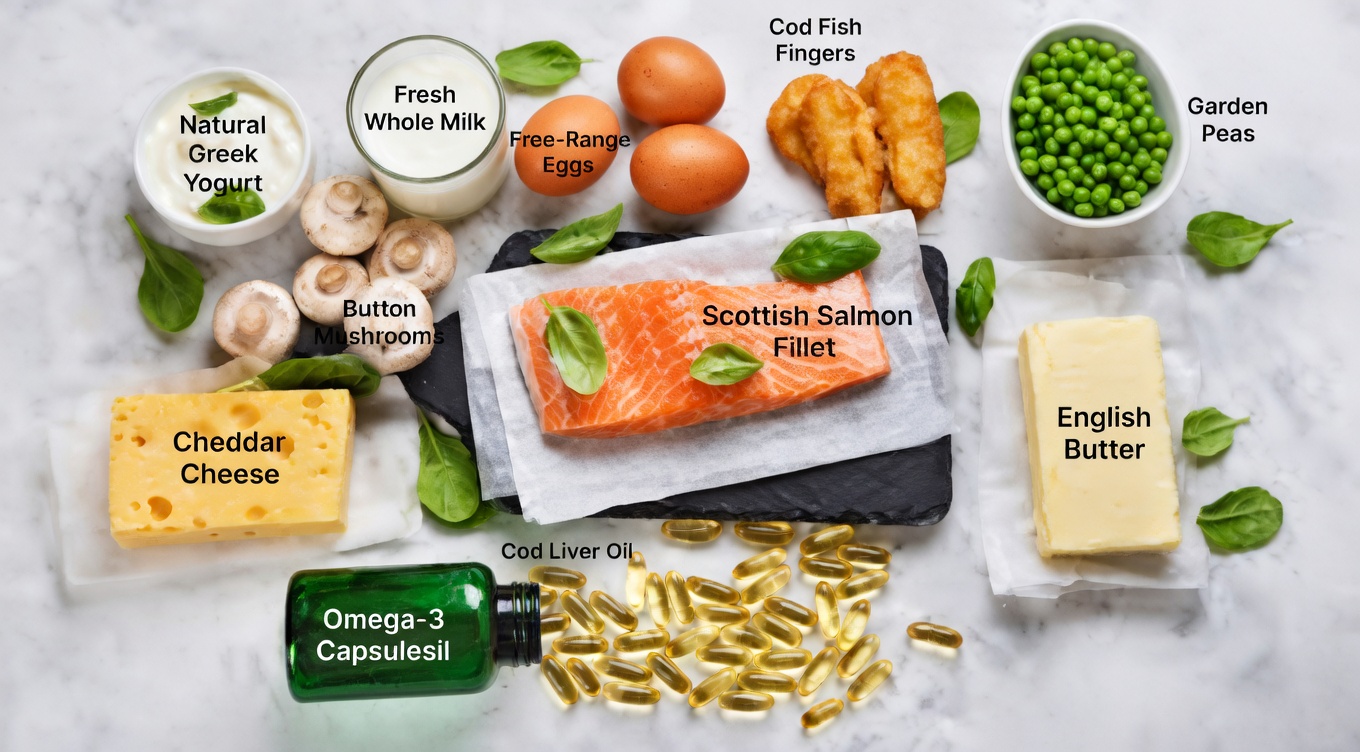
Vitamin D is fat-soluble, meaning absorption is often better when taken with food that includes healthy fats (for example: olive oil, eggs, yogurt, nuts, avocado, or fatty fish). This one small change can make a meaningful difference in how effectively your body uses the vitamin D you take.
If you’re over 50 and focusing on circulation, consider vitamin D as part of a broader routine: testing, consistent intake, movement, hydration, and heart-smart nutrition.