Many people start the day feeling tired, then experience uneven energy, sluggish focus, or occasional digestive discomfort—often influenced by modern diets and busy schedules. While no single beverage can solve everything, adding a nutrient-dense morning drink can be a simple way to support hydration, digestion, and everyday vitality.
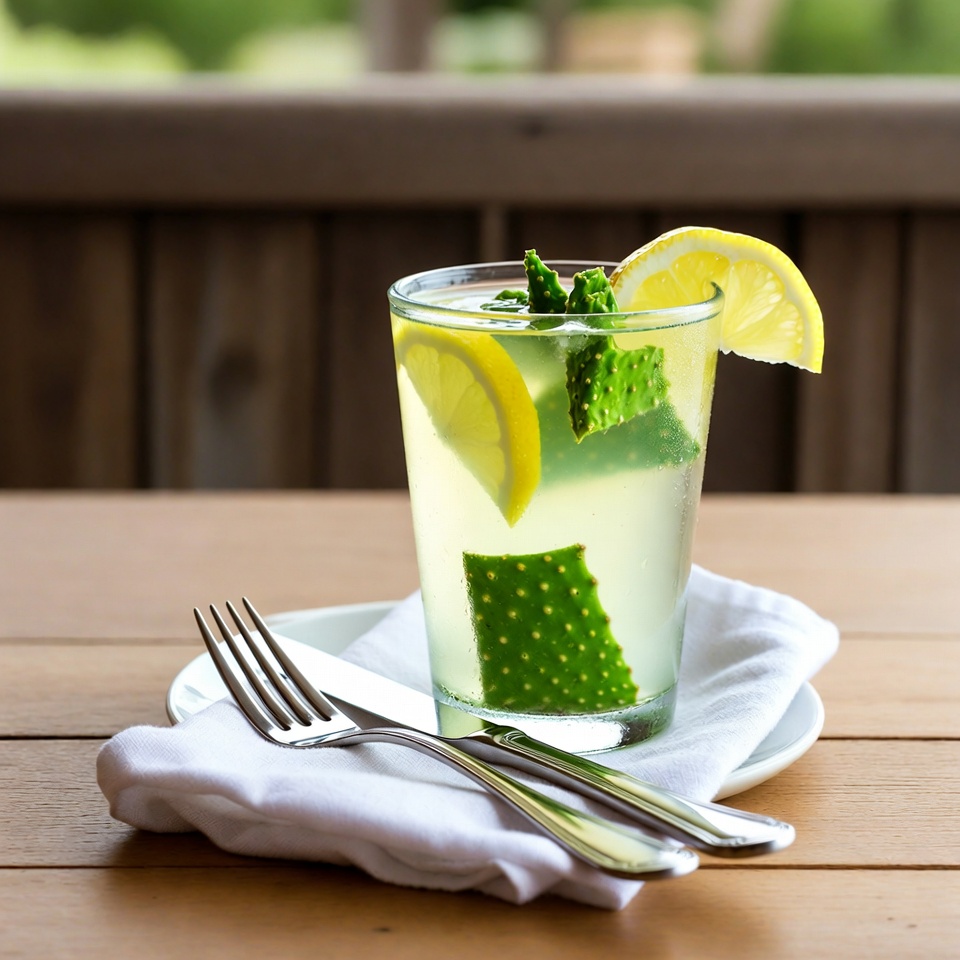
One blend gaining attention is lemon and nopal juice—a refreshing, low-calorie combination of fresh lemon and nopal cactus pads. Backed by traditional use and early research, this vibrant green drink offers an interesting mix of fiber, antioxidants, and essential micronutrients. Here’s what makes it worth exploring.
Why Lemon and Nopal Juice Is Trending: The Key Ingredients
Nopal (Prickly Pear Cactus Pads): A Traditional Nutrient Staple
Nopal comes from the edible pads of the prickly pear cactus (Opuntia species) and has long been part of traditional Mexican cuisine. It stands out for its high fiber content, including:
- Soluble fiber, which may help slow carbohydrate absorption
- Insoluble fiber, which supports regular digestion and fullness
Nopal also provides minerals that play important roles in day-to-day function:
- Magnesium (muscle and nerve function)
- Potassium (fluid balance and normal heart function)
- Calcium (bone support)
In addition, nopal contains antioxidant compounds such as betalains and polyphenols, which help the body manage oxidative stress from daily life.
Lemon: Bright Flavor + Vitamin C Support
Fresh lemon contributes:
- Vitamin C, important for immune support and collagen production
- Citric acid, which can gently support digestion
- Flavonoids, known for antioxidant activity
Why They Work Well Together
When blended, lemon and nopal create a drink that is:
- Hydrating
- Low in calories
- Rich in fiber and antioxidants
- Pleasantly balanced in taste: crisp citrus with a mild, vegetal freshness
The biggest appeal, however, is how this combination may support multiple areas of wellness.
9 Potential Benefits of Lemon and Nopal Juice
Research on nopal cactus pads and lemon is still developing, but preliminary studies and long-standing traditional use suggest several possible benefits. Below are commonly discussed areas where lemon and nopal juice may offer gentle, everyday support.
9. Gentle Support for Blood Sugar Balance
Energy dips after meals can make the day feel like a roller coaster. Small human studies suggest nopal may help reduce post-meal blood sugar spikes, likely due to its soluble fiber slowing digestion and carbohydrate absorption.
The Mayo Clinic has noted preliminary evidence for prickly pear cactus in blood sugar management contexts (such as type 2 diabetes). Lemon complements this well because it is naturally low in sugar and low glycemic.
8. Antioxidant Support for Everyday Stress
Environmental factors and daily stress can increase free radical activity. Nopal contains betalains and polyphenols, which have shown antioxidant potential in laboratory and smaller human studies. Lemon adds vitamin C, strengthening the drink’s antioxidant profile.
Some reviews have reported improved antioxidant status in healthy adults using cactus-based supplementation, though more large-scale research is still needed.
7. Potential Anti-Inflammatory Properties
Low-grade inflammation can influence comfort and mobility. Some studies associate cactus compounds with improvements in markers linked to inflammation (such as CRP). Lemon’s flavonoids may add additional supportive effects.
While findings are promising, stronger clinical research is still required before drawing firm conclusions.
6. Hydration Support and “Gentle Detox” Through Regular Elimination
Nopal has a high water content and a fiber profile that supports regular bowel movements—one reason people describe it as “cleansing.” Lemon often encourages people to drink more water due to its flavor and is sometimes considered mildly diuretic.
In practice, many users simply notice benefits associated with better hydration, such as reduced bloating or improved skin appearance.
5. Digestive Comfort and Regularity
If you struggle with occasional constipation or digestive irregularity, the fiber in nopal may support smoother gut transit. Lemon may stimulate digestive secretions, helping the body process food more comfortably.
Some research on nopal polysaccharides also suggests potential benefits for a healthier gut environment, including microbiome support.
4. Heart-Friendly Lipid Support
Some evidence indicates nopal may help support healthy cholesterol levels—particularly total cholesterol and LDL—in certain groups (including people with metabolic concerns). Lemon contributes small amounts of pectin, a fiber sometimes linked to cholesterol support.
This isn’t a replacement for medical care, but it may be a helpful addition to a heart-smart lifestyle.
3. Natural Vitamins and Minerals (No Supplements Required)
Lemon and nopal provide key nutrients in food form, including:
- Vitamin C
- Potassium
- Magnesium
- Calcium
These nutrients support normal energy metabolism, muscle function, immune defenses, and overall day-to-day resilience.
2. Immune Support for Daily Resilience
Vitamin C from lemon, combined with nopal’s antioxidant compounds, may support the immune system—especially when paired with adequate sleep, movement, and a balanced diet.
Some early findings suggest immune-supporting potential, but real-world results vary based on overall lifestyle.
1. Broad Daily Vitality and Balance
Many people are drawn to lemon and nopal juice for its “whole-body” feel—supporting energy, digestion, hydration, and steadier mood through a single, consistent habit.
It’s not a miracle solution, but the simplicity can make it easier to maintain, which often matters most.
Quick Ingredient Breakdown: What Each One Contributes
- Nopal pads: fiber, betalains, polyphenols, magnesium, potassium
- Commonly associated with: blood sugar support, antioxidant defense, digestion, inflammation response
- Lemon: vitamin C, citric acid, flavonoids
- Commonly associated with: immune support, digestion support, hydration-friendly flavor
- Combined lemon and nopal juice: complementary nutrient blend
- Commonly associated with: daily wellness, gut comfort, steadier energy
How to Make Lemon and Nopal Juice (Simple Recipe)
This easy recipe uses fresh ingredients for the best taste and nutrient quality.
Ingredients (Serves 1–2)
- 2–3 fresh nopal pads (about 200 g), cleaned and chopped (remove spines if needed)
- Juice of 2–3 fresh lemons
- 1–2 cups water
- Optional: a small amount of honey or stevia (keep it minimal)
Steps
- Wash the nopal pads thoroughly and chop into small pieces.
- Blend nopal with water until smooth.
- Strain if you prefer less pulp (note: keeping pulp retains more fiber).
- Stir in freshly squeezed lemon juice.
- Pour about 8–12 oz and drink immediately, ideally in the morning.
If you’re new to high-fiber drinks, start with a smaller serving to allow your digestion time to adjust.
Safe Use Guidelines and Precautions
- Starting amount: 8–16 oz per day, increasing gradually
- Best time: morning, often taken on an empty stomach
- Ingredient quality: choose fresh, well-washed pads from a reliable source (organic if available)
- Be cautious if:
- You have diabetes or use blood sugar–lowering medications (monitor levels and consult a clinician)
- You have known allergies to cactus or citrus
- You experience loose stools (too much fiber too quickly can trigger this)
Use it as part of a balanced diet and healthy daily movement—not as a standalone “fix.”
How to Add Lemon and Nopal Juice to Your Routine
- Identify your goal: steadier energy, better hydration, digestive comfort, or overall wellness
- Try it consistently for 7–14 days and note changes in energy, digestion, and mood
- Pair it with whole foods and activity for stronger results
- Seek professional advice if you have a medical condition or want personalized guidance
Frequently Asked Questions (FAQ)
What does lemon and nopal juice taste like?
It’s typically bright and citrus-forward, with nopal adding a mild, slightly earthy, vegetal note. Many people find it refreshing and not overly “green.”
Is nopal safe to drink every day?
For most people, yes in moderation. Begin with a small amount to reduce digestive discomfort, and speak with a healthcare professional if you have conditions such as diabetes.
Can I use store-bought nopal or substitutes?
Fresh nopal is usually best for flavor and nutrient quality, but pre-cleaned packaged nopal can be a practical option. If using alternatives (like powders), choose reputable brands and follow label directions carefully.