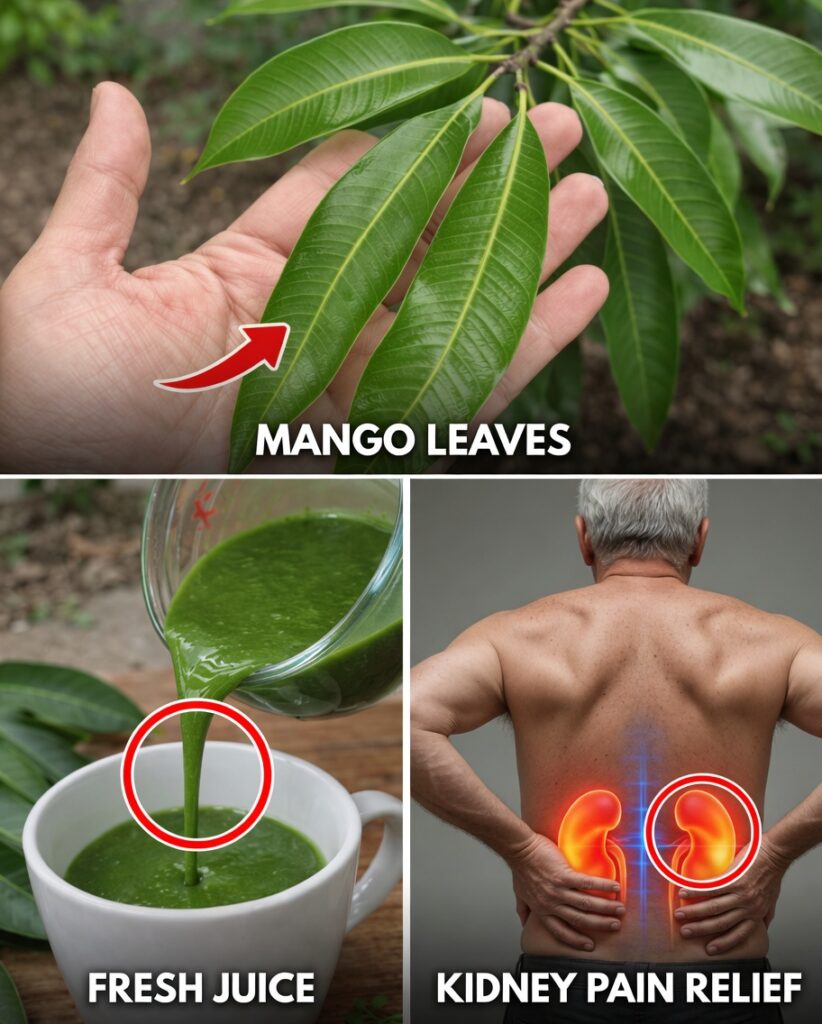
Mango Leaves: Benefits, Uses, and Simple Ways to Use Them
Mango leaves are far more than a leftover part of the mango tree. They’ve been valued in traditional wellness practices for generations and can also be surprisingly useful in everyday home routines. If you’re looking for natural, low-cost ways to support health, beauty, and eco-friendly living, mango leaves are worth a closer look.
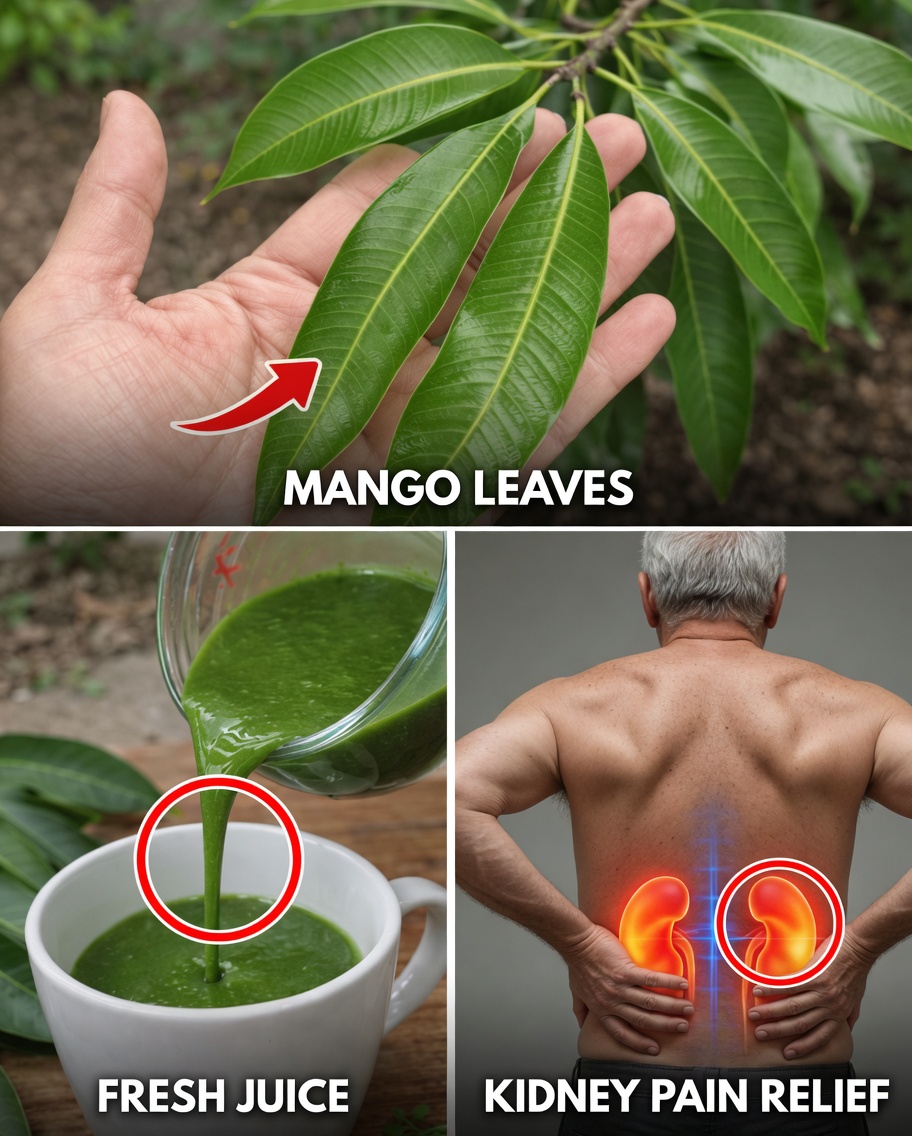
Health Benefits of Mango Leaves
Across many cultures, mango leaves have been used as a natural remedy. While they are not a replacement for professional care, they’re commonly used to support several areas of wellness.
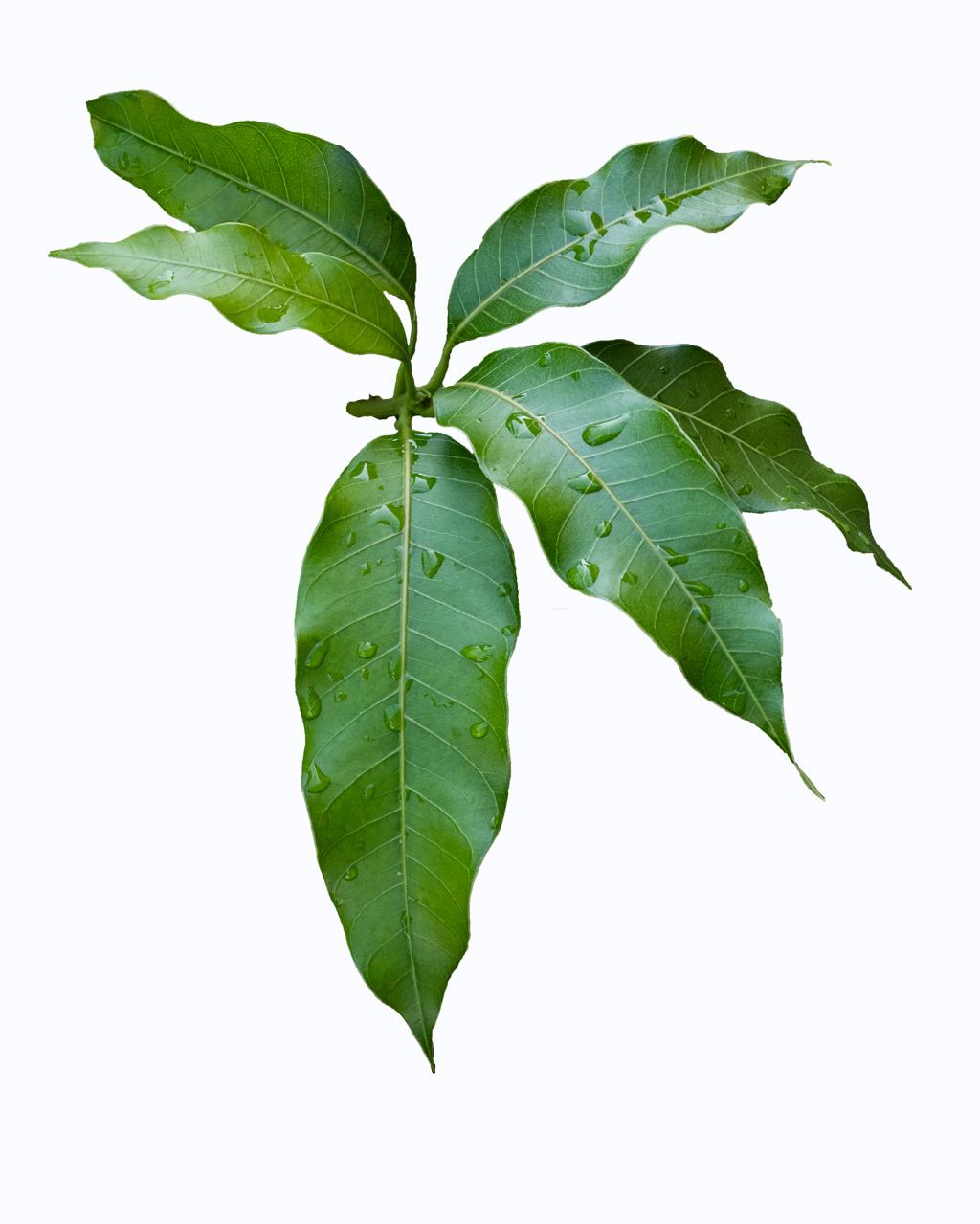
- Blood sugar support (diabetes management): Mango leaf tea is often used to help maintain healthy blood sugar levels. A typical approach is boiling the leaves and drinking the infused liquid.
- Respiratory comfort: Breathing in steam from boiled mango leaves may help ease cough discomfort and support easier breathing during asthma-like symptoms.
- Digestive relief: Mango leaf tea is also used as a gentle digestive aid and may help calm stomach discomfort and promote smoother digestion.
Mango Leaves for Skin and Hair Care
Mango leaves aren’t only for internal use—they’re also popular in simple, natural beauty routines.
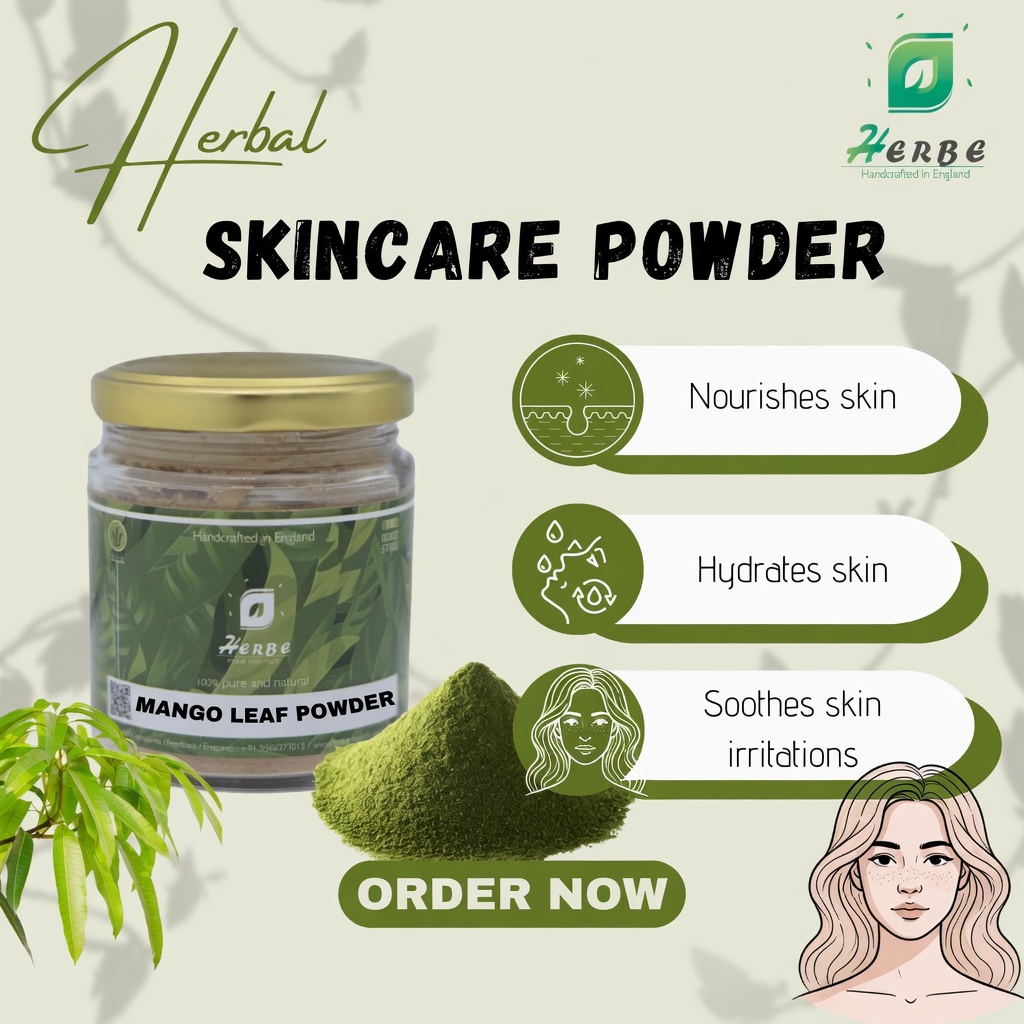
- Skin care: Crushed mango leaves can be made into a paste and applied to areas affected by minor burns, rashes, or acne. This traditional use is linked to their soothing, anti-inflammatory reputation.
- Hair care and scalp support: A cooled mango-leaf water rinse is often used to help strengthen hair and reduce scalp issues such as dandruff, while supporting healthier-looking growth over time.
Natural Insect Repellent (Chemical-Free Option)
If you want a plant-based alternative to chemical sprays, dried mango leaves can help.
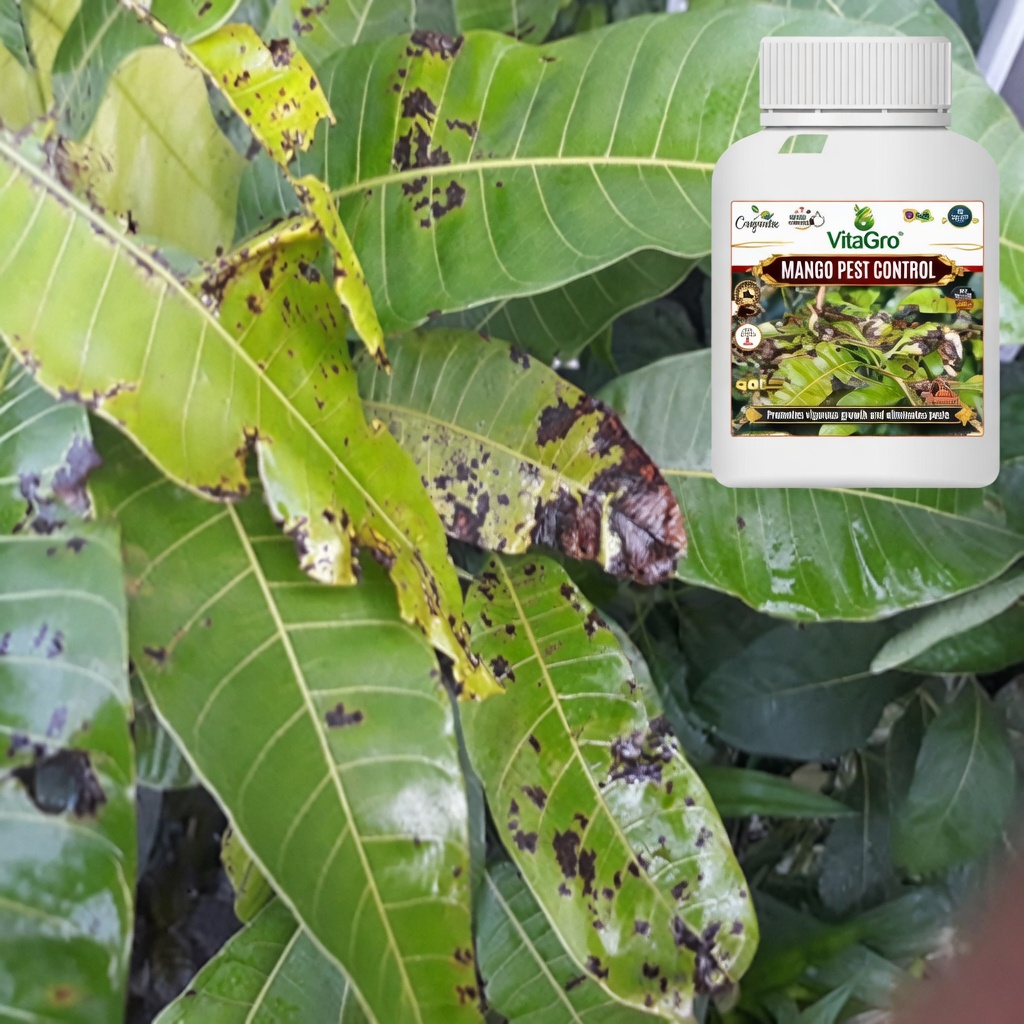
- How it works: When dried mango leaves are burned, the smoke can deter mosquitoes and other insects.
- Why people like it: It’s a natural method that avoids harsh synthetic repellents, especially for outdoor spaces.
DIY Mango Leaf Tea (Step-by-Step)
Making mango leaf tea is straightforward, and you can use it for general wellness routines or as a topical wash for certain skin concerns.
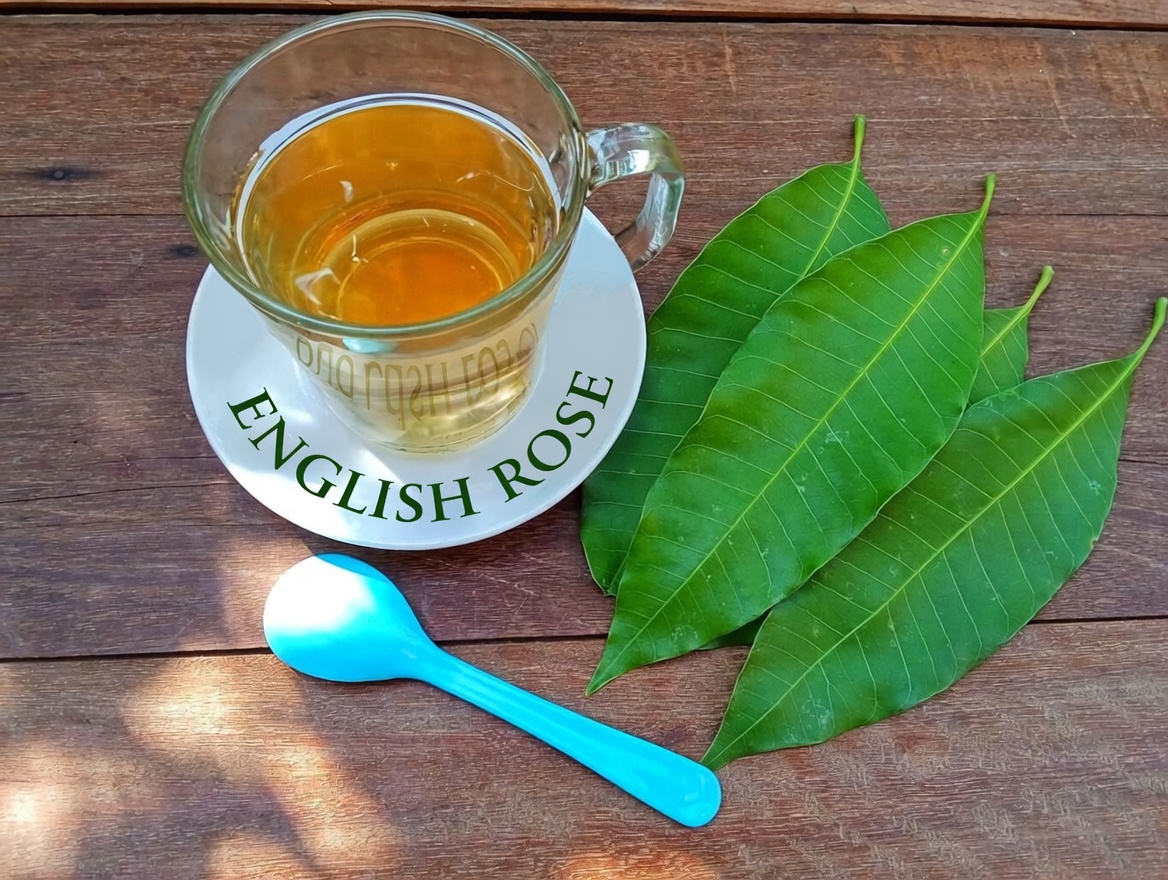
- Boil 10–15 fresh mango leaves in 2 cups of water for about 10 minutes.
- Strain the liquid and allow it to cool.
- Use it in one of the following ways:
- Drink daily as part of a wellness routine
- Apply topically (after cooling) as a gentle solution for certain skin issues
Household Uses for Mango Leaves
Beyond personal care, mango leaves can also be useful around the home.
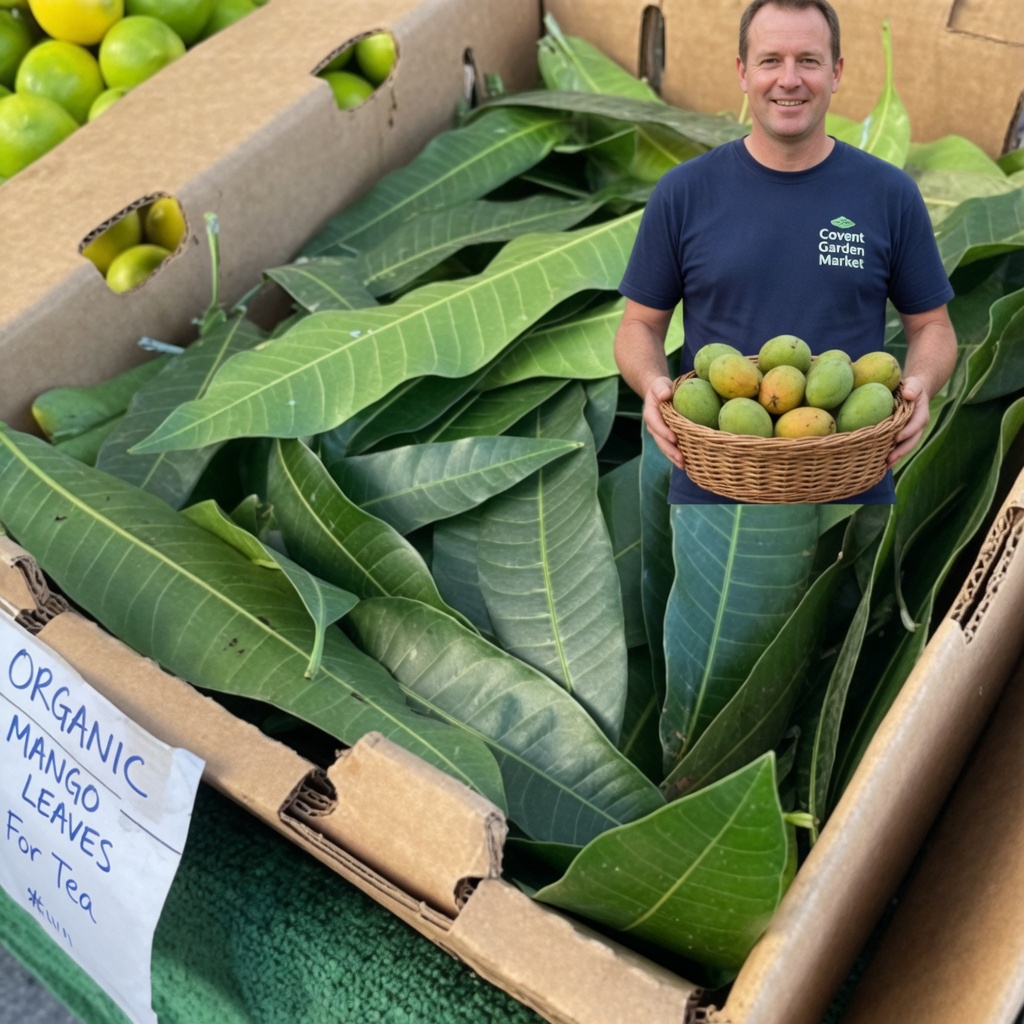
- Natural cleaning scrub: Crushed mango leaves can be used to scrub cookware like pots and pans, helping lift residue and add shine without strong chemicals.
- Composting: Adding mango leaves to compost can help enrich soil with organic matter, supporting healthier gardens.
Tips for Getting the Best Results
- Choose fresh, green leaves whenever possible for stronger aroma and potency.
- For longer storage, dry the leaves and keep them in an airtight container.
- For added impact, combine mango leaves with other natural ingredients such as aloe vera or honey (especially in topical routines).
Conclusion & FAQ
Mango leaves are an underrated natural resource with practical benefits for wellness, skincare, hair care, insect control, and household use. Whether you’re exploring herbal traditions or simply trying to reduce chemical products at home, mango leaves offer a versatile, eco-friendly option.
FAQ
-
Can mango leaves help with diabetes?
Mango leaves are traditionally used to support healthy blood sugar levels. Many people prepare them as a tea, though results can vary and medical guidance is important. -
Are mango leaves good for the skin?
They’re commonly used for minor skin concerns like burns, rashes, and acne, largely due to their soothing and anti-inflammatory reputation. -
Can mango leaves work as a natural insect repellent?
Yes. Burning dried mango leaves produces smoke that can help repel mosquitoes and other insects.
Disclaimer
This content is for informational purposes only and does not replace medical advice. Consult a qualified healthcare professional before using mango leaves or any herbal remedy, especially if you have a medical condition or take medication.