
Natural Hair Growth Support: A Simple Homemade Oil for Thinning Hair
Hair loss impacts millions of people worldwide, and it becomes more common as the years go by. When hair starts thinning, many of us immediately think of costly procedures or “miracle” products. The reality is that you can also support scalp health and stimulate hair growth naturally using accessible, budget-friendly ingredients. In this guide, you’ll learn a practical homemade remedy that may help improve circulation, reduce scalp irritation, and encourage healthier-looking hair over time.
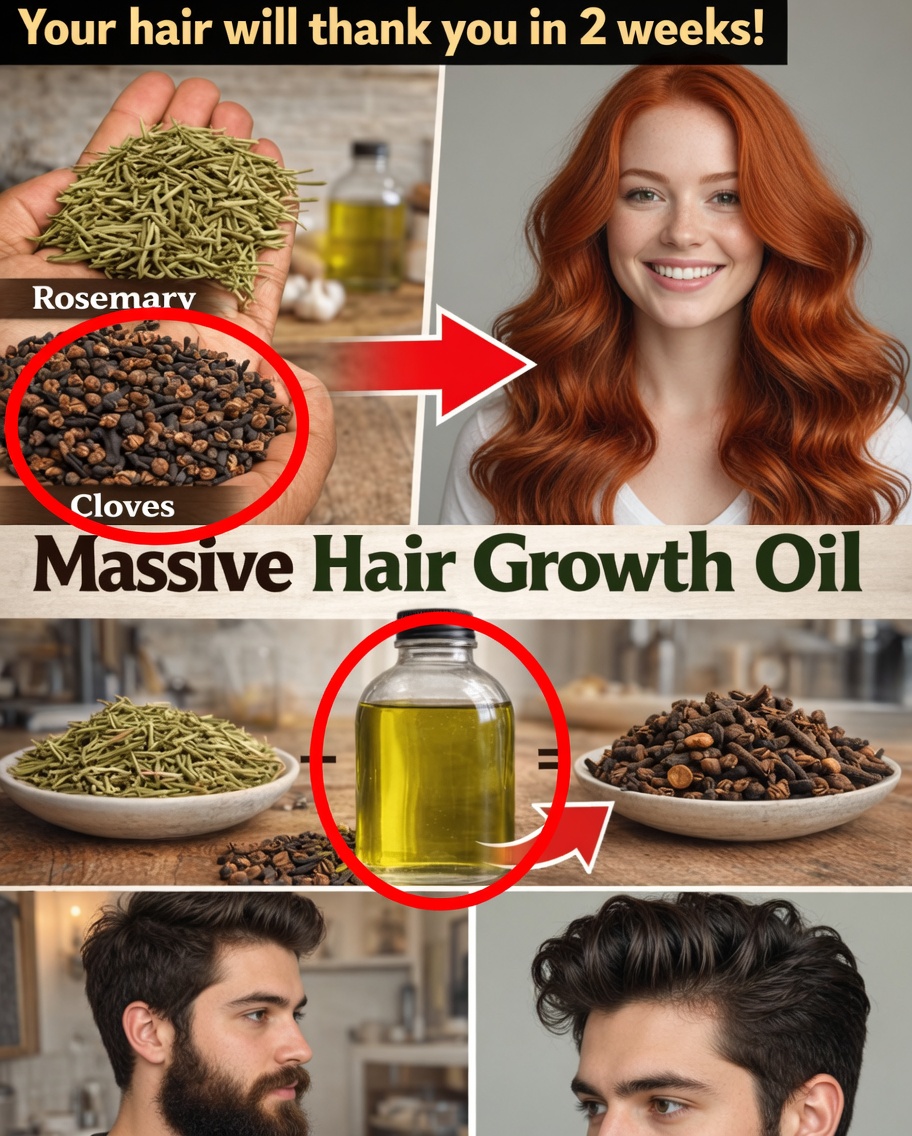
Why Hair Thinning Often Worsens with Age
Aging affects nearly every system in the body—including the hair growth cycle. With time, hair may grow more slowly, strands can become finer, and overall volume may decrease. Several common contributors can accelerate this process, such as:
- Stress, which can push more follicles into a shedding phase
- Hormonal shifts, including those linked to DHT (a hormone associated with pattern hair loss)
- Reduced scalp circulation, meaning follicles may receive fewer nutrients and less oxygen
- Lifestyle factors, such as sleep disruption and poor diet, that can impact hair quality
Many people first notice visible thinning around their 30s or 40s. The encouraging news is that you can take steps to support your scalp and hair naturally and consistently.
Homemade Hair Growth Remedy: Clove and Rosemary Oil
One of the most popular DIY approaches for hair growth and scalp care is a blend of clove and rosemary infused oil. Both ingredients are easy to source and widely used in traditional hair routines for strengthening and revitalizing the scalp.

Why Clove Can Be Helpful for Hair
Cloves aren’t only a kitchen staple—they also contain eugenol, a compound known for antioxidant and anti-inflammatory properties. For the scalp, that may matter because irritation and inflammation can interfere with healthy follicle function. When used properly (and diluted in a carrier oil), clove can help support:
- A calmer, less irritated scalp environment
- Reduced inflammation that may contribute to shedding
- Protection from oxidative stress
Rosemary’s Role in Supporting Hair Growth
Rosemary is well known in natural hair care for its potential to boost scalp circulation—an important factor in delivering nutrients to follicles. Research has also explored rosemary’s relationship with DHT activity. A 2015 study reported rosemary showed similar effectiveness to minoxidil in supporting hair growth outcomes, with the added benefit that many people find it gentler on the scalp.
In practical terms, rosemary oil is commonly used to:
- Encourage stronger-looking roots
- Support thicker-looking hair over time
- Help reduce excess shedding linked to poor scalp circulation
How to Make Clove and Rosemary Hair Growth Oil
Ingredients
- 1/2 cup dried rosemary leaves (or 3/4 cup fresh rosemary)
- 1/4 to 1/3 cup whole cloves
- 2 cups carrier oil (extra virgin olive oil is a strong option)
- Optional boosters:
- 2–3 tablespoons fenugreek seeds (soaked overnight), or
- 10 drops vitamin E oil
Step-by-step instructions
- Prepare the herbs: Gently crush the cloves and rosemary to help release their natural oils.
- Combine in a jar: Add the herbs to a clean glass jar, then pour in the carrier oil until everything is fully covered.
- Use a double-boiler method: Place the jar in a pot of simmering water (avoid a rolling boil). Infuse for 45–60 minutes.
- Rest and mature: Let the mixture cool slightly, then store it in a dark place for 2–4 weeks, shaking the jar daily.
- Strain: Filter through cheesecloth or a fine mesh strainer to remove herbs.
- Store correctly: Transfer the infused oil to a dark glass bottle and keep it in a cool, dry area.

How to Use the Oil for Best Results
For consistent scalp support, apply the clove and rosemary oil 3–4 times per week.
Application method
- Use 1–2 tablespoons of oil and apply directly to the scalp.
- Massage for 5–10 minutes to stimulate circulation.
- Leave it on for at least 2 hours, or preferably overnight.
- Wash with a gentle, sulfate-free shampoo, then condition as usual.
Why Scalp Massage Matters
A scalp massage is more than relaxation—it can help increase blood flow, which supports follicle activity and may improve how well the oil’s nutrients reach the roots. Even a few minutes per application can make the routine more effective and consistent.
Potential Benefits of Clove and Rosemary Oil
With regular use, many people report improvements such as:
- Less scalp irritation and inflammation
- Better scalp circulation
- Reduced daily shedding
- Stronger-looking, fuller hair over time
- Added protection against minor scalp microbial issues due to antimicrobial properties
DIY Oil vs. Commercial Hair Loss Treatments (Comparison)
-
Cost (approx. 2 months)
- DIY clove + rosemary oil: $8–15
- Minoxidil (Rogaine): $30–60
- Commercial rosemary oils: $20–40
-
Active components
- DIY blend: eugenol + rosemary compounds (including ursolic acid)
- Minoxidil: synthetic active
- Many store-bought rosemary oils: can be diluted or lower potency
-
Side effect risk
- DIY oil: typically low (patch test recommended)
- Minoxidil: may cause itching or initial shedding
- Commercial oils: varies by formula and concentration
-
Scalp health support
- DIY: anti-inflammatory and antimicrobial potential
- Minoxidil: may dry or irritate some scalps
- Commercial oils: depends heavily on ingredients and dilution
Frequently Asked Questions
-
Is clove and rosemary oil truly effective for hair growth?
Many users and studies suggest these ingredients can support scalp circulation and help reduce factors associated with shedding. Results depend on consistency and the underlying cause of hair loss. -
When should I expect visible changes?
Many people notice early improvements—like better texture or reduced shedding—within 4–6 weeks, with more noticeable changes typically taking longer. -
Can I use this oil on a sensitive scalp?
Yes, but always do a patch test first and start with smaller amounts. If irritation occurs, discontinue use.
Conclusion
Restoring healthier-looking hair density doesn’t have to involve expensive treatments. With a few natural ingredients, you can make a powerful clove and rosemary hair growth oil that supports the scalp, encourages circulation, and may reduce shedding. Stay consistent, apply it correctly, and give your hair time—results often come from steady routines rather than quick fixes.
Disclaimer: This content is for informational purposes only and is not a substitute for medical advice. If you experience sudden, severe, or unexplained hair loss, consult a dermatologist before starting any new hair or scalp treatment.