
After 60, it’s common to feel your legs losing power: standing up from a chair takes more effort, stairs feel draining, and daily movement becomes slower. This gradual decline in muscle mass and strength—called sarcopenia—can reduce leg muscle by up to about 8% per decade, increasing the risk of falls and limiting independence. The encouraging news is that smart nutrition choices, combined with regular activity, can help support muscle health as you age.
One practical question many people ask is whether an affordable, everyday food can make a meaningful difference. Growing evidence suggests legumes—including red kidney beans, lentils, black beans, and chickpeas—may be a simple, budget-friendly addition worth considering for maintaining stronger legs.

Why Leg Muscle Strength Matters After 60
Sarcopenia usually begins quietly, then gradually makes everyday tasks harder—getting up, climbing stairs, carrying groceries, or walking longer distances. Research consistently shows that adequate protein intake, especially when paired with resistance-type activity, helps older adults preserve muscle mass and function.
Legumes stand out because they combine several advantages in one food:
- Plant-based protein that can support muscle maintenance
- Low cost (often under $2 per pound)
- High nutrient density, including fiber and key minerals
No single food can “stop aging.” However, regularly including legumes as part of a balanced diet—alongside staying active—may support better long-term leg strength and mobility.
The Science: How Legumes Support Muscle Health
Legumes provide quality plant protein, including leucine, an amino acid known to help stimulate muscle protein synthesis—the process your body uses to build and repair muscle tissue. In addition to protein, legumes offer a beneficial package of:
- Slow-digesting carbohydrates for steadier energy
- Fiber for gut and metabolic health
- Minerals such as potassium, magnesium, and iron
Studies of overall dietary patterns suggest that eating more legumes and vegetables is associated with better muscle-related outcomes in older adults. For example, Mediterranean-style eating patterns—naturally rich in legumes—are often linked to better preserved strength and lower risk of sarcopenia. While plant proteins may work best when combined with varied protein sources and regular exercise, they are still highly relevant for muscle support in later life.
Another important advantage: the fiber and anti-inflammatory plant compounds in legumes can improve overall wellness, which indirectly supports staying active and mobile.
9 Ways Daily Legumes May Help Support Leg Strength and Mobility
Consistent legume intake, paired with healthy habits, may contribute to noticeable improvements over time. Here are nine practical ways they may help:
-
Easier chair stands
The combination of protein and leucine supports muscle repair and maintenance—helpful for getting up without relying on your hands. -
Less knee discomfort over time
Nutrients like potassium and magnesium, plus fiber-related inflammation support, may contribute to better joint comfort. -
Improved balance
Stronger leg muscles support stability, and legume- and vegetable-rich eating patterns are associated with lower fall risk in some research. -
More stamina on stairs
Slow-release carbs provide steady fuel, while iron supports oxygen delivery to working muscles. -
Lighter-feeling legs
Fiber and plant polyphenols may support circulation and reduce fluid retention for some people. -
Bone-strength support
Legumes provide minerals like magnesium, and nutrients that contribute to overall bone health. -
More stable all-day energy
Compared with refined carbs, legumes are less likely to cause energy crashes—supporting more consistent activity. -
Encouraging real-life experiences
Many older adults report feeling more mobile after adding legumes regularly, although results differ by person and lifestyle. -
Greater independence and confidence
Better function in daily tasks often improves quality of life and self-assurance.
These benefits typically build gradually, especially when legumes become a consistent part of your routine.
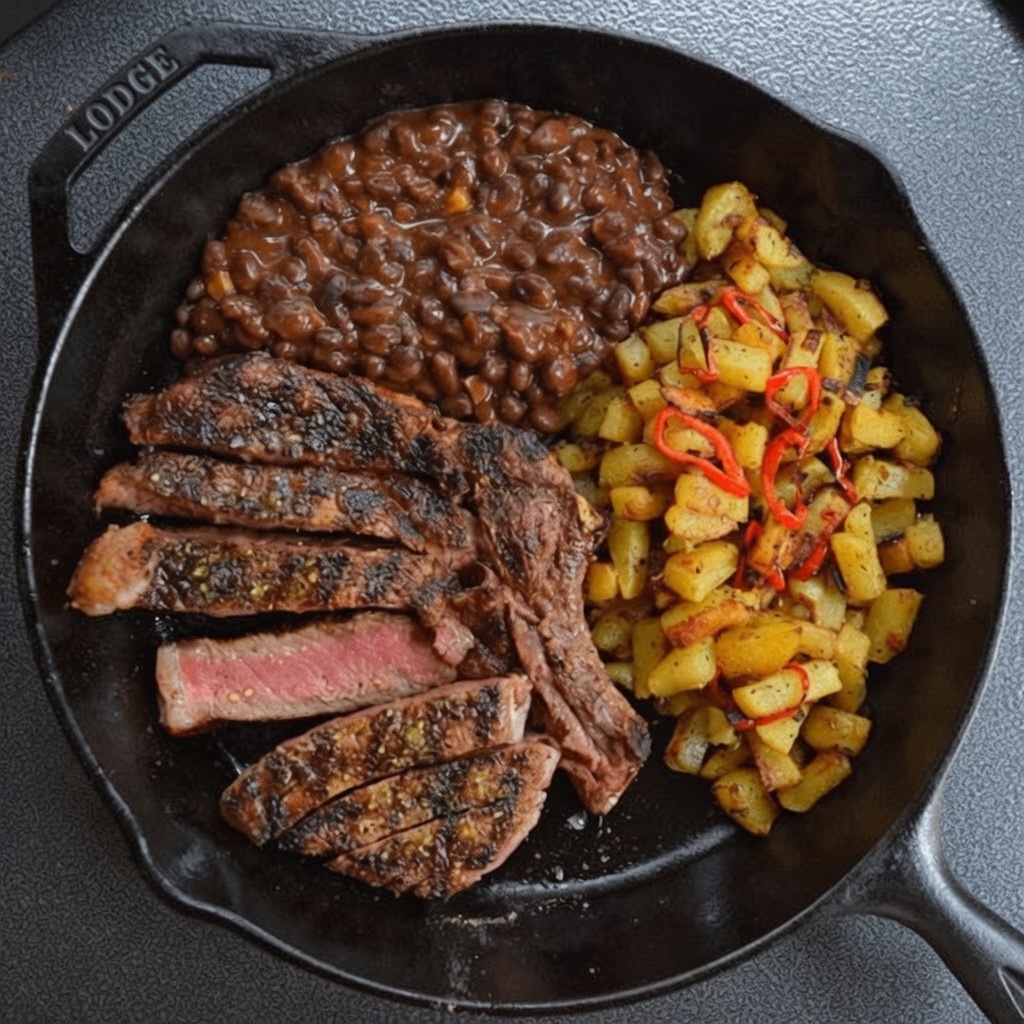
Plant Protein vs. Animal Protein for Muscle Maintenance (Quick Comparison)
Below is a simplified comparison often discussed in healthy-aging nutrition:
-
Protein content
- Grilled steak (6 oz): ~42 g
- Cooked red kidney beans (1 cup): ~15–18 g (high-quality when combined with other protein sources)
-
Leucine (muscle-building trigger)
- Steak: High
- Legumes: Supportive, and often comparable per calorie in many studies when diet quality is high
-
Fiber
- Steak: 0 g
- Beans: ~15 g
-
Inflammation impact (overall dietary pattern)
- Steak: Can be neutral to negative depending on context
- Legumes: Often linked to more favorable markers
-
Cost per serving
- Steak: $4–$8
- Beans: ~$0.25–$0.50
-
Heart and artery support
- Steak: Neutral to negative depending on frequency and cut
- Legumes: Generally positive in research on dietary patterns
Animal proteins can offer complete amino acid profiles, but legumes provide major advantages in fiber, affordability, and protective plant compounds. Evidence suggests adequate plant protein intake—especially when varied and paired with exercise—can support muscle health in older adults.
A Simple Daily Legume Bowl Recipe (Easy Habit)
Many clinicians and nutrition-focused experts emphasize routines that are easy to repeat. Here’s a straightforward, practical way to eat legumes daily:
- Base: ¾–1 cup cooked red kidney beans (or lentils, black beans, chickpeas)
- Healthy fat: 1 Tbsp extra virgin olive oil (supports nutrient absorption)
- Acid: 1–2 Tbsp lemon juice or vinegar (may help improve blood sugar response)
- Flavor boosters: garlic, onion, cumin, smoked paprika, black pepper (adjust to preference)
- Seasoning: salt and additional spices to taste
Eat it warm or chilled—as a side dish, salad topping, or simple main meal. If you’re new to legumes, begin with ½ cup and increase gradually; digestive adjustment often takes 7–10 days. Cooking a large batch once per week makes the habit effortless.
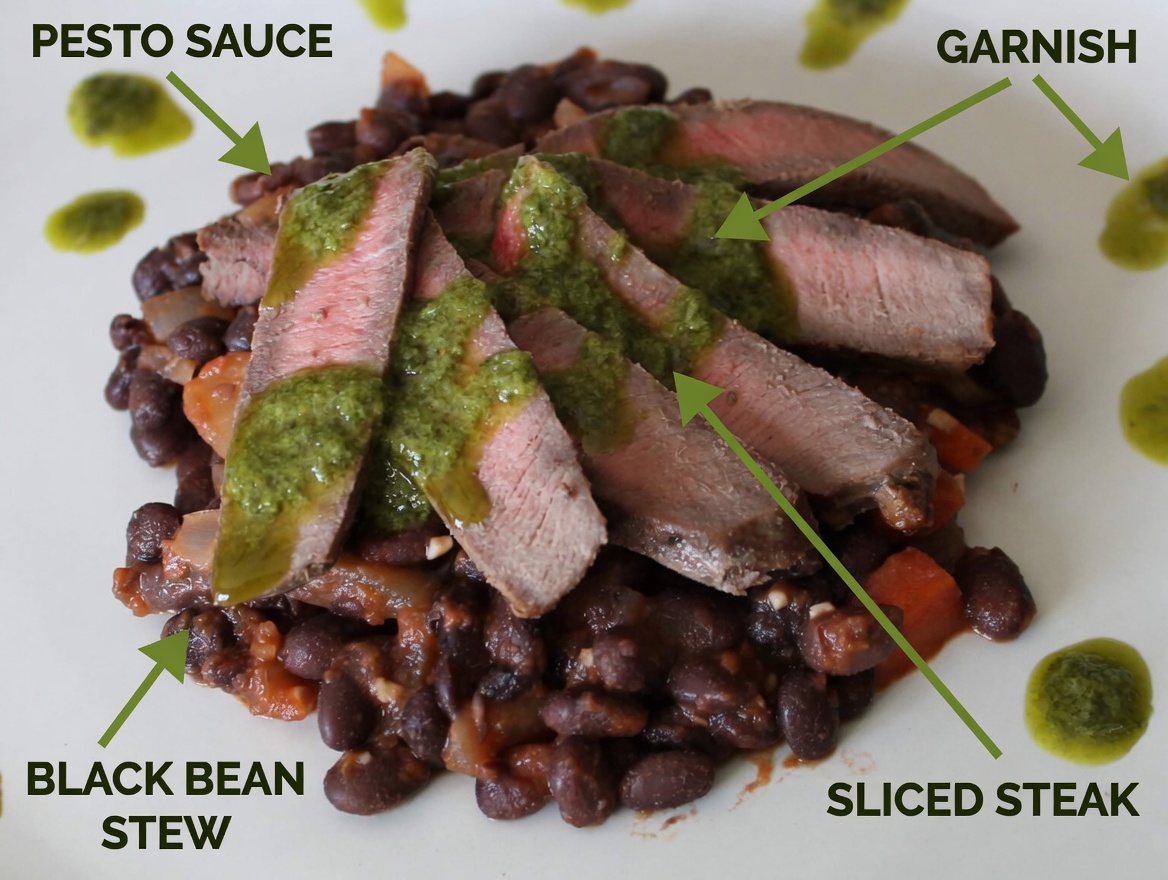
From Daily Struggles to Staying Active
Many adults over 60 who prioritize protein-rich foods—legumes included—describe gradual improvements: walking farther, feeling steadier, and doing daily tasks with less hesitation. Results aren’t guaranteed, but small, consistent changes often deliver meaningful long-term benefits.
If you’re noticing leg weakness, trying one bowl of legumes per day can be a low-effort step toward supporting strength—especially when combined with walking and light resistance exercises.
A few months from now, stairs might feel less intimidating, and carrying groceries may require fewer breaks. The habits you repeat today can shape how capable you feel tomorrow.
FAQ
How much protein do older adults need each day?
Many experts recommend 1.0–1.2 g of protein per kilogram of body weight per day (roughly 75–90 g daily for a 165-lb person), ideally spread across meals to better support muscle maintenance.
Do legumes cause digestive discomfort?
They can at first. Temporary gas or bloating is common when increasing fiber. Start with small portions, rinse canned beans, and increase gradually—most people adapt over time.
Are all legumes equally good for muscle support?
Many are excellent choices, including red kidney beans, lentils, black beans, and chickpeas. Rotating different legumes can help you get a broader range of nutrients.
Medical disclaimer
This article is for informational purposes only and does not replace professional medical advice. Talk with your healthcare provider before changing your diet, especially if you have kidney disease, gout, or use blood-thinning medications.