
Living with unstable blood sugar can be draining. Sudden spikes and drops often trigger energy slumps, irritability, and ongoing concern about future health. For many people managing type 2 diabetes or prediabetes, daily glucose checks can feel discouraging—especially when choices seem confusing or when medication alone doesn’t deliver the steady control you’re aiming for. The reassuring news is that research repeatedly points to everyday lifestyle habits—such as smarter food choices and regular movement—as practical ways to support more stable glucose levels over time. Even better: many of these changes are gentle, realistic, and easier to build than you might expect.
What if a few consistent, natural routines could noticeably improve how you feel each day? Evidence suggests that small adjustments can work together to support insulin function and blood sugar control. Below is a countdown of 7 evidence-based habits people often use to encourage steadier readings—starting with less familiar options and moving toward the most impactful. Stay to the end for simple, safe ways to combine them.
Why Blood Sugar Fluctuates—and How Gentle Habits Can Support It
Blood glucose naturally rises and falls depending on food, activity levels, and influences like stress, sleep quality, and inflammation. With type 2 diabetes, insulin resistance makes it harder for cells to absorb and use glucose efficiently. Research suggests that habits emphasizing fiber, antioxidants, and consistent movement may help improve insulin response and slow how quickly glucose enters the bloodstream.
You may recognize blood sugar instability through signs like:
- Unusual thirst
- Post-meal fatigue
- Persistent high readings despite “doing everything right”
The key is consistency: small steps repeated daily can create better balance without extreme changes.
And what’s especially interesting is how these habits can amplify each other.

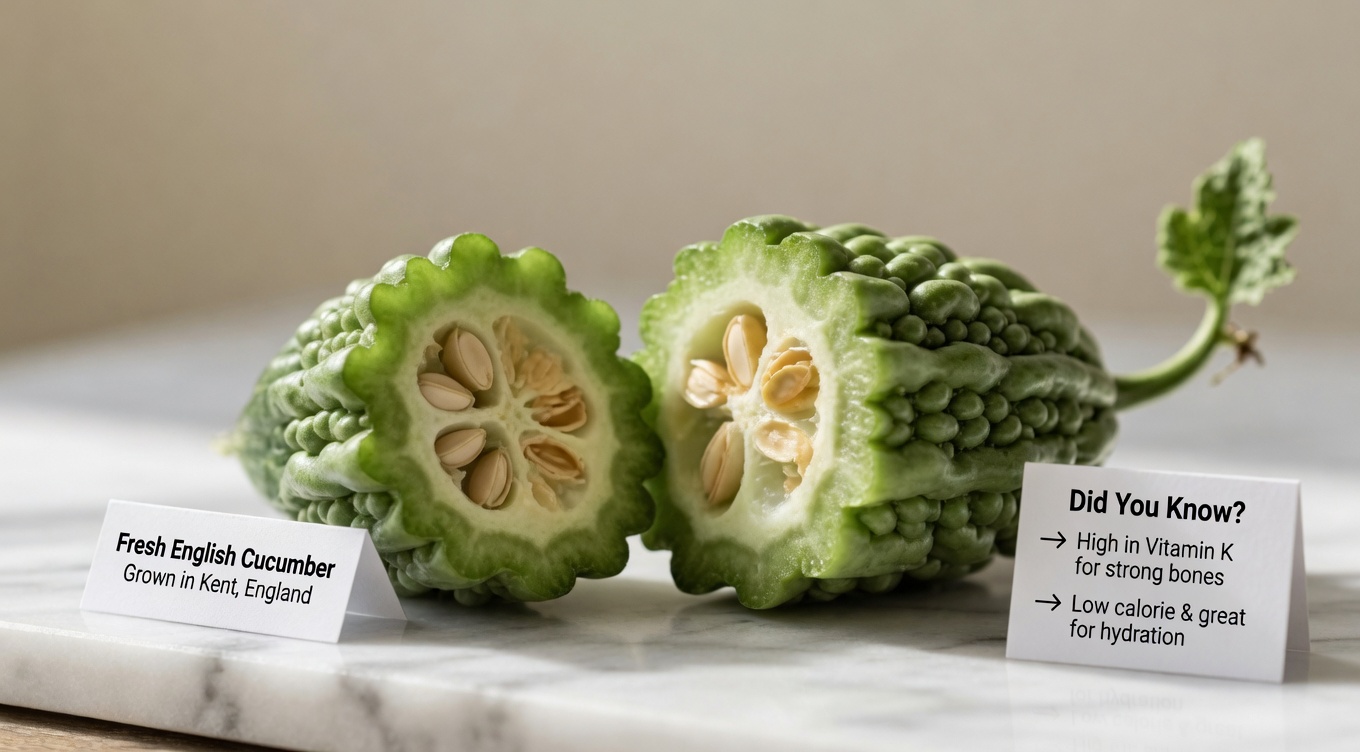
Habit 7: Add Bitter Melon (A Traditional Food Worth Exploring)
Bitter melon can be sliced into stir-fries or soups, and while the flavor is bold, many people find it becomes more enjoyable over time. This vegetable contains compounds that some studies suggest may act similarly to insulin in a mild way.
Small clinical trials and reviews have explored bitter melon for potential support in lowering fasting and post-meal blood sugar in people with type 2 diabetes. Results aren’t uniform, but some participants do show improvements.
- Try a small portion at first to adapt to the taste
- Use it as a food addition rather than expecting dramatic overnight changes
Next is an option that many people find easier to use every day.
Habit 6: Use Cinnamon Daily (A Simple Step That May Support Insulin Sensitivity)
Cinnamon is an easy upgrade for oatmeal, yogurt, smoothies, or tea. Its key compound, cinnamaldehyde, is linked in research reviews to improved insulin signaling.
Meta-analyses of randomized trials report modest reductions in fasting glucose and related markers in people with type 2 diabetes—often with daily intake in the 1–6 gram range over several weeks. Consistency appears to matter more than “perfect dosing.”
- Practical idea: start with about ½ teaspoon per day
- Many people also report fewer cravings when they use it regularly
Now consider a tart pre-meal trick that’s become popular for post-meal control.
Habit 5: Drink Diluted Apple Cider Vinegar Before Meals (A Quick Pre-Meal Strategy)
A small amount of apple cider vinegar in water before eating can be a simple routine. The active component, acetic acid, may help slow carbohydrate digestion and reduce sharp glucose rises after meals.
Clinical trials and meta-analyses suggest vinegar may lower post-meal glucose responses, with some studies also noting improvements in fasting glucose over time among people with type 2 diabetes.
- Mix 1–2 tablespoons in a large glass of water
- Consider using it before higher-carb meals
- Always dilute to protect teeth and avoid throat irritation
Next up: fiber-rich seeds with a long history of use.
Habit 4: Try Fenugreek Seeds or Fenugreek Tea (Soluble Fiber Support)
Fenugreek can be soaked overnight and consumed as a tea-like drink, or used in food. It contains soluble fiber, which may help slow glucose absorption after meals.
Systematic reviews and meta-analyses of clinical trials suggest fenugreek may support reductions in:
-
Fasting blood glucose
-
HbA1c
-
Markers linked to insulin resistance
-
Simple method: soak 1–2 teaspoons of seeds and drink the liquid (or use as tea)
-
Many people describe steadier morning energy when they use it consistently
Now for a sweet option that still supports stable blood sugar.
Habit 3: Eat Low-Glycemic Berries Daily (Fiber + Polyphenols for Smoother Release)
Berries can feel like a treat while still being friendly for glucose control. They’re generally low glycemic index (GI) fruits and provide fiber plus beneficial plant compounds (polyphenols).
Human feeding studies suggest berries such as blueberries, strawberries, and raspberries can help moderate post-meal glucose and insulin responses, particularly in people with insulin resistance or type 2 diabetes.
- Aim for one handful per day
- Add to yogurt, oatmeal, or enjoy as a snack
Next is a calming beverage with research-backed potential.

Habit 2: Sip Green Tea (Polyphenols That May Support Insulin Function)
Green tea is rich in catechins—especially EGCG—which are studied for their role in metabolic health and insulin sensitivity.
Meta-analyses of randomized trials suggest green tea may offer modest improvements in fasting glucose and other markers, especially with consistent use over time.
- Try 2–3 cups daily
- Many people appreciate the gentle focus without the “coffee crash”
Now for the habit with the strongest evidence and the biggest real-world impact.
Habit 1: Walk Every Day (One of the Most Powerful Blood Sugar Regulators)
Regular walking is one of the most reliable tools for steadier glucose. When you walk—especially briskly—your muscles use more glucose, which can lower circulating blood sugar and improve insulin sensitivity.
Major diabetes organizations and extensive research consistently show that regular physical activity, including walking about 30 minutes most days, supports:
- Lower blood glucose
- Better insulin responsiveness
- Improved long-term control in type 2 diabetes
Many people notice the fastest change from short post-meal walks.
- Start with 10–30 minutes daily
- If possible, walk after meals for a more immediate effect
How to Combine Habits for Better Results
These strategies often work best when paired. Examples:
- Take a 10–20 minute walk after a meal that includes berries for a smoother glucose curve
- Add cinnamon to your green tea to build an easy daily ritual
- Use diluted vinegar before a carb-heavy meal, then follow with a short walk
Because responses vary, track your readings and energy to find what helps you most.
Quick Comparison of Supportive Habits
- Walking: improves insulin sensitivity; often noticeable quickly; aim for 30 minutes most days, especially post-meal
- Cinnamon: may support insulin signaling; benefits build over weeks; try ½ teaspoon daily
- Apple cider vinegar: may reduce post-meal spikes; use around meals; dilute before eating
- Berries: low GI + fiber; supports steadier energy; a handful daily
This is a simplified overview—your results may differ based on diet, activity, sleep, and medication plan.
Safe Integration: Start Slowly and Track What Changes
To make habits sustainable:
- Pick one habit to start this week (for many people, walking is the easiest foundation).
- Monitor glucose trends and how you feel.
- Add one more habit the following week if things are going smoothly.
Easy starter ideas:
- Cinnamon in oatmeal or tea
- Berries as a mid-morning snack
- Diluted vinegar water before dinner
Spacing habits through the day, staying hydrated, and keeping meals relatively consistent can help.
Important: Talk with your healthcare professional before making changes—especially if you use glucose-lowering medications, since improved control may require adjustments.
Take Control Naturally: Choose One Habit to Begin Today
Steadier blood sugar often comes from small, repeatable actions—not perfection. From the proven impact of daily walking to the simplicity of cinnamon, berries, and green tea, these habits offer practical ways to support your body’s balance.
Work with your healthcare team, start with one manageable step, and build from there—you deserve a plan that fits your life.
Frequently Asked Questions
Can these habits replace diabetes medication?
No. These are supportive lifestyle strategies, not substitutes for medication. Any medication changes should be made only with your clinician.
How soon might I notice changes?
Some people notice differences quickly from post-meal walking or vinegar before meals, while other habits (like cinnamon, green tea, and fenugreek) may take weeks of consistency to show measurable shifts.